
Grapes and terroir: Finding the perfect combination
Discover how terroir makes a difference...


Through decades – if not centuries – of trial and error, research and soil analysis, and of course a good dose of serendipity, grape growers the world over have determined the best varieties for their terroirs, the best vineyards to grow these grapes in, and even the finest plots within a vineyard. So established have these relationships between a grape and its surroundings become -‘terroir’- that in many regions only certain varieties are permitted, enshrined in law to protect the style and quality of the wine made there.
There’s a saying that you should always pair food and wine from the same region, since wine styles developed to complement local cuisine, and vice-versa. Similarly, indigenous grape varieties are often best suited to their native terroirs, having adapted to the conditions over many centuries. It’s not always indigenous varieties that make great wine in a particular region, however: Growers have proven time and again that carefully matching an alien variety to the right conditions can yield excellent results – Oregon Pinot Noir, Napa Cabernet Sauvignon, Mendoza Malbec and Marlborough Sauvignon Blanc all spring to mind. But getting this match right isn’t easy…
Nebbiolo
Take Nebbiolo, for example. This thick-skinned grape is revered for the perfumed, structured wines it produces in the Langhe – particularly in Barolo and Barbaresco. It’s notoriously capricious: being late-ripening, it prefers south- or southwest-facing sites, enabling the vines to absorb as much sunshine as possible. It’s also vulnerable to frost, which can threaten the buds of this early-flowering variety, so it’s often planted on slopes to help mitigate against this threat.
It’s rare to find Nebbiolo outside this small corner of Italy – although there are several other DOCs and DOCGs where it is permitted. There are, however, a growing number of Nebbiolo wines cropping up in the Yarra, Eden and King valleys of Victoria, Australia. These vineyards on the lofty valley slopes, some of the highest vineyards in the entire country, bring some much needed coolness to help avoid over-ripening during Nebbiolo’s long growing season in the warmth of the Australian sun.
Pinot Noir
An ancient, thin-skinned variety, Pinot Noir has proven itself in Burgundy more than anywhere else. But this fragrant style also flourishes in new-world outposts such as Sonoma and Oregon in the USA, Waipara in New Zealand, Yarra Valley in Australia, and the Hemel-en-Aarde valley in South Africa.
Burgundy has a continental climate but is still quite marginal in terms of growing grapes. The damaging power of hail looms over producers’ heads on an annual basis, sometimes wiping out an entire village’s crop.
Pinot Noir’s best new-world terroirs may see more sunshine, but they tend to be tempered by maritime influences or altitude. Cool conditions help to preserve this relatively early-ripening variety’s delicate acidity and fragrance – in warmer conditions the thin skins risk being sunburnt and the grapes can over-ripen, resulting in jammy flavours rather than the finessed fragrance it is best known for.
Cabernet Sauvignon
Unlike Burgundy and Barolo, producers in Bordeaux have the luxury of being able to blend. Bordeaux’s permitted red varieties – Cabernet Sauvignon, Merlot, Cabernet Franc, Petit Verdot, Carmenere and Malbec – are a historic consequence of growers hedging against poor harvests by planting a mixture of earlier- and later-ripening varieties. And just last year, seven new additions were approved in Bordeaux. Well adapted to warmer conditions, these new grapes are intended to help growers in the face of climate change.
Cabernet Sauvignon is the dominant grape variety on Bordeaux’s Left Bank. A late-ripening variety, it thrives in the heat-retaining, well-draining gravels of the Medoc. Although Cabernet Sauvignon produces great wines all around the world, Bordeaux’s classed growths are universally considered to be the highest quality and the most expressive of terroir. Napa Valley comes a close second for many people – its elevated vineyards and morning fogs provide freshness to combat the Californian sunshine, while volcanic soils provide the free-draining conditions Cabernet prefers.
Chardonnay
Chardonnay is much more relaxed about where it is grown. Give it sunshine and it will take on distinctly tropical flavours, but in cooler climates it can be far more savoury and restrained. The best examples of Chardonnay come from the Grands Crus of the Côte de Beaune and Chablis; as well as the Côte des Blancs in Champagne. The limestone and chalk soils, combined with marginal climates, imbue the grapes in these two regions with racy acidity and mineral finesse that is hard to emulate elsewhere.
Some key components of terroir:
- Soil: The drainage of a soil dictates which grapes will be happiest there; The composition of a soil dictates the style of a wine to some extent; Surface stones can retain heat to help ripen grapes; Light-coloured surfaces [such as albariza] can reflect a portion of the sun’s rays.
- Altitude: Vineyards at altitude provide cooler conditions for vines which would produce lower-quality grapes in the heat [for example, Mendoza’s high-altitude Malbec vineyards].
- Aspect: Cooler regions have most vineyards facing south or southwest to capture the sunshine; Warmer regions may utlilise northern slopes to provide shelter from the midday sun. [The reverse is true in the southern hemisphere!].
- Proximity to water: Whether it’s the ocean, a river or a lake, water helps to soak up heat then emit it when the temperature drops, helping to moderate temperature swings. They can also bring cooling fogs and mists in the right conditions [for example, Napa Valley or Sauternes].
- Precipitation: Too much rain can reduce flavour intensity and engorge the grapes, causing them to split. Some rain is vital, although a degree of heat-stress has proven to provide high quality fruit. In areas with very little rain, irrigation may sometimes be used, if permitted by law.
- Sunshine hours: Vines need sunshine. Too little and they will struggle to reach sugar ripeness before the end of the summer; too much and the grapes risk reaching sugar ripeness far in advance of phenolic ripeness, leading to high potential alcohol and can even become sunburnt.
- Wind: The cooling properties of winds can help retain acidity in warmer regions; In regions where there is more humidity, winds can help disperse the moisture which settles in amongst bunches that can otherwise develop into rot.
Terroir-led wines:
You may also like:
On rocky ground: The science of soil and wine taste
How terroir makes a difference in Barbaresco
Bordeaux: The five first growths
Vietti, Rocche di Castiglione, Barolo, Castiglione Falletto, Piedmont, Italy, 2013
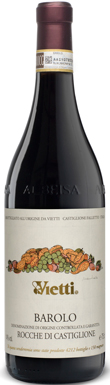

The venerated Rocche di Castiglione MGA is noted for its extremely steep slope, southeastern exposure and pure white limestone soil. Vietti has been bottling it...
2013
ViettiBarolo

Pizzini, Coronamento Nebbiolo, King Valley, Victoria, Australia, 2002
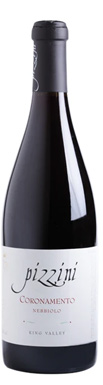
With plantings dating back to 1985, the Pizzini family is among the pioneers of Nebbiolo in Australia. Coronamento is their reserve bottling with 2002 being...
2002
PizziniKing Valley
Domaine Robert Groffier, Bonnes-Mares Grand Cru, Burgundy, France, 2017
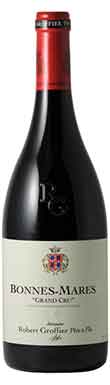
Sand, clay and limestone soils make up the terroir of this 1ha parcel on the Chambolle side of the grand cru. The vines may be...
2017
Domaine Robert GroffierBonnes-Mares Grand Cru
Hamilton Russell, Pinot Noir, Hemel-en-Aarde, South Africa, 2016
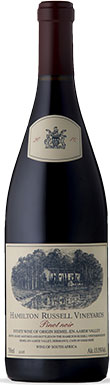
Much more Burgundian in style, this reflects a low-yielding vintage with crisp acidity and fine tannins in charge on the palate. There isn't the same...
2016
Hamilton Russell
Château Latour, Pauillac, Bordeaux, France, 2012
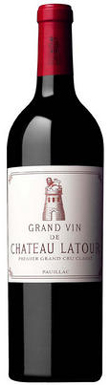
This will be by far the biggest release since Latour brought in the new system, as the 2012 has not been on the market before....
2012
Château LatourPauillac
Cakebread Cellars, Dancing Bear Ranch Vineyard Cabernet Sauvignon, Napa Valley, California, USA, 2016
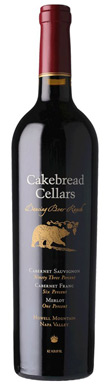
The intense character of the 550m elevation and volcanic, dry, Howell Mountain vineyard site comes through vividly in this rich, bold wine, with its nose...
2016
Cakebread CellarsNapa Valley
Domaine Faiveley, Bâtard-Montrachet Grand Cru, Burgundy, France, 2017
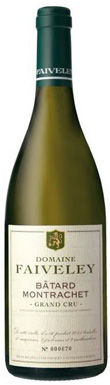
In a very good year for the white grands crus of the Côte de Beaune (provided people didn't pick too late), this stylish expression of...
2017
Domaine FaiveleyBâtard-Montrachet Grand Cru
Domaine Vrignaud, Les Vaupulans, Chablis, 1er Cru Fourchaume, Burgundy, France, 2018
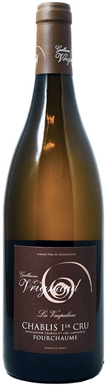
Guillaume Vrignaud is emerging not just as one of the top names in Fontenay but in the whole of Chablis, producing wines that are subtle...
2018
Domaine VrignaudChablis
