Irancy: regional profile plus 20 wines to try
Michael Apstein visits the small, fairly unknown Irancy appellation where quality is on the rise, discovering some excellent and reasonably priced wines that offer great value alternatives to those from more famous red Burgundy communes.


Not familiar with Irancy? Well, you’re not alone. Even though it carries a Burgundy village appellation—high praise, since less than half of Burgundy wines do—more than a few residents of Beaune, to whom I spoke last autumn, could not identify it.
In addition to its off-the-beaten track location near Chablis, regulations allow growers to include up to 10% of César, a near-forgotten red grape, in the blend.
Local lore has it that the Roman legions of Julius Caesar planted César millennia ago. Though DNA analysis of the grape has disproved that myth, the name remains.
Scroll down to see tasting notes and scores for 20 top Irancy wines to seek out
Irancy at a glance
Location: Northwest Burgundy, to the southwest of Chablis. It is one of Burgundy’s northernmost red wine village appellations
Grapes: Pinot Noir with up to 10% of César
Area under vine: 190ha, including approximately 5ha of César
Soil: Kimmeridgian limestone and marl
Elevation and exposure of vineyards: 130m-250m; vineyards face southeast, south, and southwest in an amphitheatre.
Key lieux-dits: Les Bâtardes, La Begère, Les Cailles, Côte du Moutier, La Grande Côte-Est, Les Mazelots, the very steeply sloped Palotte, Le Paradis, and Veaupessiot.
Climate: Continental with cold winters. Summers are cooler compared to the Côte d’Or.
Wine colour: Red only
Average yield: 40hl/ha
Hotter climes beneficial for Irancy wines
Thanks to climate change, the wines of Irancy are now getting their day in the sun – literally and figuratively. Irancy is clearly a hot area (no pun intended). Even though it has no premier cru vineyards (yet), growers are more frequently bottling wines using the names of specific lieux-dits.
Paul Espitalié, director of Chablis-based Simonnet-Febvre, explains that years ago it was difficult for grapes to attain adequate ripeness, and thus their subtle terroir expression was lost.
Nowadays, however, riper grapes allow for better extraction and body, which enables an expression of what are clearly different terroirs.
Awareness of Irancy wines on the up
Négociants have taken advantage of the excellent quality-to-price ratio and have started increasing the visibility of these wines. It won’t be long, therefore, before consumers are able to enjoy more of these great value wines.
Just as well-priced, high quality wines attract consumers, so well-priced land attracts growers.
Espitalié explains that, as expected, vineyards in neighbouring Chablis are very expensive, and to some extent the winemaking philosophy is weighed down by tradition.
It comes as no surprise, then, that young winemakers are buying vines and experimenting with different vinification and viticulture techniques in the less expensive, less rigid area of Irancy. This also explains why many producers of Irancy wines are based in Chablis.
The history of the Irancy appellation
Irancy takes its name from a tiny eponymous village located in the greater Auxerrois area, on the right bank of the Yonne River, barely a dozen miles from Chablis.
With its narrow streets, charming stone buildings, and imposing Gothic church, the village looks like any other hamlet in Burgundy.
It was the birthplace of Jacques-Germain Soufflot, the architect responsible for the Pantheon in Paris.
1936 Wines from Irancy were first included under the Bourgogne umbrella.
1977 Irancy promoted to the Bourgogne-Irancy regional designation.
1998 Irancy gained village appellation status.
Formerly classified as a regional appellation, Bourgogne-Irancy, the wines were upgraded to village status in 1998 as regulators realised their potential. This put them on the same level, within the Burgundy hierarchy, as Marsannay and other villages of the Côte d’Or.
Irancy is now poised to follow Marsannay’s march from a regional appellation, to a village appellation, to a village appellation with premier cru vineyard designations.
The lay of the land
The roughly 190ha of vineyards lie in a south-facing amphitheatre surrounding the village. The back of the amphitheatre blocks the colder northern winds, and the vineyards themselves lie at around 130m-250m altitude.
The soils, similar to Chablis, are a mixture of Kimmeridgian limestone and marl.
As in nearby St-Bris, Chardonnay does not do well here, despite the similar soils and proximity to Chablis.
César
César is a vigorous grape variety, ripening earlier than Pinot Noir, and is known for its power and tannins.
Traditionally, it has been co-planted and harvested with Pinot Noir in Irancy, making it difficult to determine precisely how much of it might be in the blend.
In the past, when Pinot Noir struggled to ripen in this cold locale, growers liked to use a touch of César in their blends to beef up the wine.
Current opinion regarding César’s usefulness varies. Anita Colinot, of Domaine Colinot, has always included it in many of her wines and presumably will continue to do so, since she opts to replant it when necessary. Though she emphasises they are careful to plant it in south-facing sites where she thinks it does best.
Jean-François Bersan, of the family-run Domaine P-L & J-F Bersan, insists that César is ‘part of our heritage, and well managed it can make a significant contribution to the style of the appellation.’
Guilhem Goisot, of Jean Hugues & Guilhem Goisot, a leading producer based in St-Bris, feels differently. He has four rows of César vines, whose grapes he gives to his grandmother. He prefers to use 100% Pinot Noir for his Irancy wines, even though they have less colour and tannin, because he feels the wines are more refined and delicate.

What do Irancy wines taste like?
Though the wines can show considerable variation depending on the vintage and presence or absence of César, in general Irancy wines are a lighter and firmer version of Pinot Noir – with a Côte Chalonnaise-like stoniness – rather than an opulent one, expressing red fruits and often cherry-like notes.
César can add not only colour and backbone, but also a rustic – sometimes charming, sometimes not – element, especially when young.
It would be a mistake to think that wines from a ‘lesser’ appellation, such as Irancy, or Marsannay for that matter, should only be enjoyed when young, or that they lack the capacity to develop with bottle age.
Indeed, a 2015 Irancy from Chablis-based Vincent Dauvissat, appropriately named Soufflot, tasted in November 2021, while still youthful had started to show the marvellous complexity of bottle age.
And a 2012 Domaine Colinot from the Mazelots lieu-dit was just coming into its own when I tasted it in 2019.
Irancy vintage guide
2015 A fabulous vintage in Irancy, as it was for other reds throughout Burgundy.
2016 A small harvest marred by frost and hail. Similar to the rest of Burgundy, the wines are variable.
2017 Hot, with many wines lovely to drink now.
2018 Hot, showing the most ripeness along with supple tannins.
2019 Energetic wines with a good balance of richness and acidity.
2020 Hot, and although I have not tasted any 202s yet, red Burgundy wines from this vintage show surprisingly good acidity and life considering the early vintage, so I have high hopes for the 2020s from Irancy.
The future of the Irancy appellation
So, where is the appellation headed?
Based on my tastings over the years, it’s clear that Irancy is headed in the right direction as growers continue to refine their wines.
Talk is already underway regarding which lieux-dits might qualify for premier cru status.
Though that designation will likely take another decade, I anticipate that it will occur eventually.
The overall outcome is likely to be similar to what we’ve already seen in Marsannay, another previously overlooked appellation.
As consumers discover the wines of Irancy, demand and prices will surely rise. My advice, explore this appellation and board the train before it leaves the station.
Irancy producers to know:
Domaine P-L & J-F Bersan: Though founded in 1453, this family-run domaine, located in St-Bris, really got its start in 2009 when Jean-François’ son, Pierre-Louis, returned from an internship in New Zealand, thus completing his oenology degree from the school in Beaune. The domaine received the top level of Haute Valeur Environnementale (HVE) certification in 2018 and converted to organic farming in 2020.
Dampt Frères: Founded in the 1980s, this top Chablis-based producer only started planting in Irancy in 2014 and received HVE certification in 2018. It has just over 2ha in Irancy, 97% of which is planted to Pinot Noir and the remainder to César. They harvest by hand, sort the clusters, and age the wine in a combination of oak barrels (two-thirds) and stainless steel tanks for about 16 months.
Maison de la Chapelle: Delphine and Grégory Viennois founded this small domaine in 2014. Currently they produce only about 15,000 bottles of Irancy annually from their 4ha of Pinot Noir. Looking to the future, they have plans to make a cuvée exclusively from César, even though they will not be able to label it as Irancy given the current regulations. Using only wild yeast, alcoholic and malolactic fermentation occurs in one- to five-year-old oak barrels. They bottle all their wines without fining or filtration.
Domaine Colinot: One of the leading traditional domaines of Irancy, Domaine Colinot is run today by Anita and Jean-Pierre Colinot. Their 13ha span the best lieux-dits of the appellation. Except for their bottlings from Les Cailles and Boudardes, their cuvées contain 8-10% of César. Hand harvesting is the rule here followed by destemming and vinification in traditional vats, except for their Cuvée Soufflot, which is vinified in oak barrels.
Clotilde Davenne: Based in Chablis where she founded her domaine in 1989, Clotilde Davenne expanded to Irancy in 2005. She’s a firm believer in César, replanting it to maintain its 10% proportion in her 1.2ha of Irancy vineyards, all of which carry HVE certification. Her winemaking depends on the plot and the year, so there’s no formula. Her keen intuition and talent – for 17 years she was the enologist at Jean-Marc Brocard’s domaine – direct her.
Christophe Ferrari Domaine St Germain: In 2015, Nicolas Ferrari took over from his father, Christophe, who created the domaine in 1987. Though Nicolas maintained many of the traditional techniques his father had adopted, he also embraced more modern ones, including native yeast-fermentation, bottling without fining or filtration, and using non-fermentable yeasts to minimise sulphite use while still maintaining high hygiene standards.
Domaine Verret: Though this domaine traces its history back to 1750, it’s only since 1930 that it has focused exclusively on viticulture. Its 13ha, which are farmed ‘as naturally as possible,’ are spread over the appellation. Damien Verret believes that César holds little interest today, so the vineyards are planted exclusively with Pinot Noir. He keeps yields low, averaging about 38hl/ha, to maintain quality.
Domaine Céline & Frédéric Gueguen: The young Céline and Frédéric both come from Chablis winemaking families. Staying close to home, they established their small domaine in Chablis almost a decade ago, describing themselves as ‘artisan winegrowers.’ They produce a little Irancy from Pinot Noir and have just purchased a plot of César. They will achieve organic certification for their vineyards in 2023. This is a domaine to watch.
See Michael Apstein’s tasting notes and scores for 20 top Irancy wines to seek out:
Related content:
Off-piste Burgundy: Value alternatives
What is the new Bourgogne Côte d’Or ‘appellation’?
Burgundy 2020 releases tap into ‘insatiable’ global demand
Jean Hugues & Guilhem Goisot, Les Mazelots, Irancy, Burgundy, France, 2017
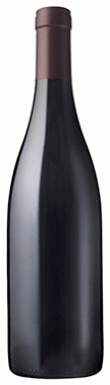

Goisot, a top-notch producer of white wines in the Auxerre, also shows their talents with this red from nearly 100-year old vines planted in the Mazelots lieu-dit. Goisot says they don’t need César in this cuvée because the terroir provides plenty of structure. Though only a mid-weight wine, its bright cherry-like notes and a captivating minerality provides a big impact. This refined wine is just entering its drinking window, displaying a gorgeous texture and a not-just-fruit quality that Pinot Noir planted in the right place provides.
2017
Jean Hugues & Guilhem GoisotIrancy

Christophe Ferrari Domaine St. Germain, Plein Sud, Irancy, Burgundy, France, 2019
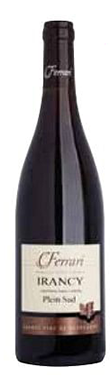
The Plein Sud designation refers to the origin of the grapes, which come from the three communes, Vincelottes, Cravant, and Irancy itself, that make up the appellation. The cooler nights of the 2019 vintage provided balancing freshness to the wine’s darker fruit flavours. Tannins are ripe and supple, but still provide needed structure. Marvelous minerality appears in the extended finish of this balanced wine.
2019
Christophe Ferrari Domaine St. GermainIrancy
Dampt Freres, Irancy, Burgundy, France, 2019
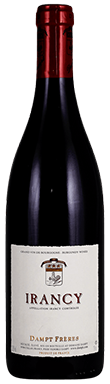
This well-regarded Chablis-based winery has hit the bullseye with their 2019 Irancy. Both elegant and firm, it displays the alluring Burgundian sensibility of what I call, flavour without weight. A floral element complements its red-fruited profile. There’s a delectable sense of minerality and an appealing whiff of bitterness in the finish, elements difficult to capture in a hot vintage. It’s a remarkable wine, especially considering that the vines are only five years old.
2019
Dampt FreresIrancy
Domaine Benôit Cantin, Cuvée Emeline, Irancy, Burgundy, France, 2015
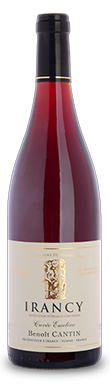
Benoit took over this multi-generational family estate based in Irancy itself in 1994. This cuvée, named for his daughter, is a multi-parcel blend that contains a bit of César and shows how beautifully these village wines can develop. Ripe, but not fleshy, attractive firmness persists and offsets its cherry-like fruitiness. Savoury earthy notes of maturity are just emerging, adding to its appeal.
2015
Domaine Benôit CantinIrancy
Domaine Colinot, Les Mazelots, Irancy, Burgundy, France, 2012
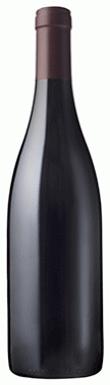
When tasted with Anita Colinot in 2019, she felt this bottling was just coming into its own. Though I hadn’t tasted it at a more youthful time, I can see what she means. Any rusticity that César may have imparted during its youth has morphed into an alluring complexity of earthy leafiness. A distinct minerality is still apparent. The savoury aspect that comes with bottle age and a polished texture makes it a delight to drink now. But it’s a balanced wine, so there’s not rush.
2012
Domaine ColinotIrancy
Domaine Verret, Palotte, Irancy, Burgundy, France, 2019
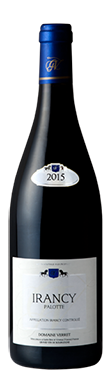
Made entirely from Pinot Noir, this cuvée reflects the stature of the lieu-dit. This mid-weight wine displays excellent richness without a trace of heaviness or over-ripeness. Verret captured riveting acidity, imbuing the wine with energy. Minerals and red fruit flavours dance on the palate, intermingling seamlessly. Suave tannins enhance its appeal. It grows in the glass. In a word, lovely.
2019
Domaine VerretIrancy
Simonnet-Febvre, Paradis, Irancy, Burgundy, France, 2018
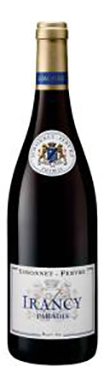
Wine from this south-southwest facing lieu-dit shows the importance of terroir. As much as I liked Simonnet-Febvre’s straight Irancy, this one is just better, although not for current drinking. Tighter and, despite no César in the blend, it’s more tannic than their straight Irancy. The focus is on minerals rather than red fruit, although the fruitiness comes through. It carries the 14.5% stated alcohol effortlessly. Similar to their village bottling, this Paradis bottling has refinement along with its structure. Alluring subtle bitterness in the finish reinforces its stature.
2018
Simonnet-FebvreIrancy
Stéphan & Marie Podor, Les Mazelots, Irancy, Burgundy, France, 2015
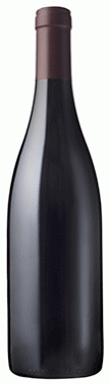
From 75+ year old vines, the 2015 Podor Mazelots shows that the wine from the top lieux-dits in Irancy need time to show their stuff. There’s good density here and a touch of charming rusticity, no doubt from the five or so percent of César in the blend. It’s a suave mixture of dark cherry-like fruit, earth and dark minerals, all supported and energised by great acidity.
2015
Stéphan & Marie PodorIrancy
Clotilde Davenne, Paradis, Irancy, Burgundy, France, 2019
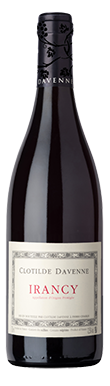
With her 2019 Paradis, Clotilde Davenne shows why the Paradis lieu-dit has potential for 1er Cru status. She does not want wood marring the wine, so she uses no new barrels, noting that 'César does it all'. A mid-weight wine displaying cherry-like notes, her 2019 Paradis also delivers minerality and an engaging exotic hint, perhaps the César speaking. Tannins lend support without intruding. It’s racier than you’d imagine from a hot vintage, which just amplifies its appeal.
2019
Clotilde DavenneIrancy
Domaine Céline & Frédéric Gueguen, Les Mazelots, Irancy, Burgundy, France, 2019
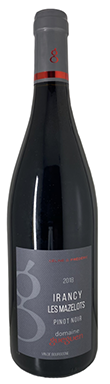
This new and tiny domaine, founded less than a decade ago, produces only about 6,000 bottles from one hectare of Pinot Noir in the Les Mazelots lieu-dit. This Mazelots reflects the care they put into their wines. Though ripe - the vintage speaking - the wine is precise and fresh. Tightly wound initially, it expands in the glass to reveal red fruits and a clean, stony character. The fine and unobtrusive tannins provide sufficient structure.
2019
Domaine Céline & Frédéric GueguenIrancy
Domaine Colinot, Cuvée Soufflot, Irancy, Burgundy, France, 2019
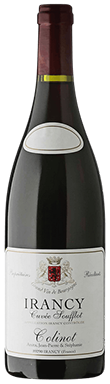
This is a masterful blend of Pinot Noir and César that Colinot has co-fermented since the varieties are planted and harvested together. A hint of minerality peaks out from underneath the wine’s firm and fruity red cherry-like profile. The oak aging has added complexity without intruding. This long and refined Irancy shows the potential of the appellation.
2019
Domaine ColinotIrancy
Domaine P-L & J-F Bersan, Cuvée Marianne, Irancy, Burgundy, France, 2019
Though they have a hectare of vines in Irancy, their Cuvée Marianne comes from Pinot Noir—and a tiny amount of César—from two lieux-dits, Les Rez and La Grande Côte Est, that they buy from a neighbouring grower. Pure and clean, this mid-weight red has bright cherry-like notes balanced by a stony firmness. An attractive subtle bitterness in the finish means that someone, thankfully, reigned in the ripeness of the vintage. It’s a finesse-filled wine.
2019
Domaine P-L & J-F BersanIrancy
Domaine Ternynck, Mazelot, Irancy, Burgundy, France, 2019
Ternynck’s Mazelot bottling, made entirely from Pinot Noir, shows the wonderful diversity of the lieux-dits of Irancy. Fermentation with indigenous yeasts and judicious aging in mostly used French oak barrels allows the wine to convey the Janus-like duality of Burgundy - black cherry-like fruitiness and an earthy, savoury side. As with Ternynck’s Palotte, the winemaking team has created a silky and refined wine.
2019
Domaine TernynckIrancy
Domaine Ternynck, Palotte, Irancy, Burgundy, France, 2019
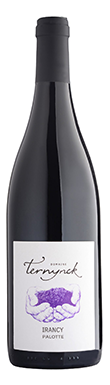
A field blend of Pinot Noir and César, this Palotte was aged in older oak barrels for 18 months, gravity-racked, and bottled without fining or filtration. This mid-weight wine displays a plethora of red fruits and distinct, almost tarry, minerality, reflecting the stature of the lieu-dit and the care and talents of the winemaking team. Ripe, without a trace of heaviness, there’s no rusticity here, just a suavely textured and refined wine.
2019
Domaine TernynckIrancy
Domaine Verret, Fût de Chêne, Irancy, Burgundy, France, 2019
Many wines, especially from lesser-known appellations, proclaiming Fût de Chêne (aged in oak) are askew with prominent wood flavours and tannins. Not Verret’s Irancy. It was aged for 11 months in used - four to 12-year old- barrels, which helps explain why the oak is seamlessly incorporated into the wine. You feel its effect without tasting it. Not at all over done, the wine displays the perfect harmony of ripeness and acidity. Black cherry nuances are interwoven with a delectable, almost tar-like, minerality. This is a suave and refined Irancy.
2019
Domaine VerretIrancy
Isabelle & Denis Pommier, Irancy, Burgundy, France, 2019
Unsurprisingly, this top Chablis producer has also produced a winning village Irancy. Polished tannins enrobe this lively mix of herbal, cherry-like fruit, and minerals. There’s a little bit of everything and not too much of anything. Freshness in the finish multiplies its charms. Impeccably balanced, this long finesse-filled wine shows the potential of the appellation.
2019
Isabelle & Denis PommierIrancy
Maison de la Chapelle, Les Bâtardes, Irancy, Burgundy, France, 2019
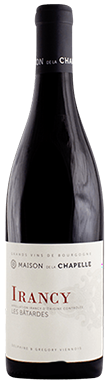
This wine made exclusively from Pinot Noir from the Les Bâtardes lieu-dit makes an excellent comparison to Maison de la Chapelle’s multi-vineyard Irancy bottling. As with their Irancy village bottling, Les Bâtardes is refined and pure, albeit expressing riper, more lush fruit character and less stoniness at this stage. Fortunately, good acidity keeps it fresh.
2019
Maison de la ChapelleIrancy
Maison de la Chapelle, Irancy, Burgundy, France, 2019
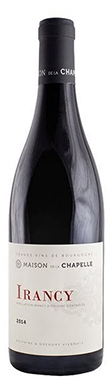
Here’s a great example of the high-quality wines from Irancy that a newly established small domaine can produce. Made entirely from Pinot Noir, this Irancy is a terrific expression of the appellation. Dark cherry-like fruitiness offsets the wine’s stony, iron-tinged side. Firm, but not hard, tannins provide needed structure, especially in a hot year like 2019. It displays a chiseled purity, good weight, and a finish marked by uplifting freshness.
2019
Maison de la ChapelleIrancy
Christophe Ferrari Domaine St. Germain, Irancy, Burgundy, France, 2019
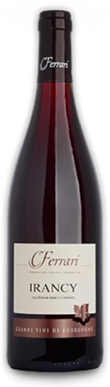
Nicolas Ferrari, one of the leading young producers in Irancy, succeeded admirably with his 2019s. Subtle spiciness is a welcome counterpoint to the more black than red fruit flavours displayed here. The sunshine of the vintage explains the wine’s succulence, while the cooler nights and Irancy’s northern locale capture balancing acidity. Suave tannins allow for immediate enjoyment.
2019
Christophe Ferrari Domaine St. GermainIrancy
Domaine Colinot, Palotte, Irancy, Burgundy, France, 2019
From Palotte, a south-facing lieu-dit that many locals and critics, alike, consider to be one of Irancy’s best site, Domaine Colinot has combined both a fruity and minerally expression of Irancy. Colinot’s Palotte bottling exhibits good ripeness—both the site and vintage speaking—with sufficient balancing acidity that keeps it lively. The small amount of César in the blend adds a savoury seasoning. Fine tannins add structure without intruding.
2019
Domaine ColinotIrancy
Domaine Colinot, Veaupessiot, Irancy, Burgundy, France, 2019
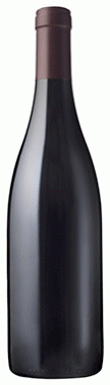
Veaupessiot lieu-dit sits adjacent to Palotte, but lower on the slope. The 2019 Veaupessiot is a good contrast with their riper 2018 from the same site and demonstrates a clear distinction between these two hot vintages. The 2019 Veaupessiot displays great freshness and verve that balances its red berry-like fruitiness. Charming rusticity from a touch of César in the blend adds complexity.
2019
Domaine ColinotIrancy
Clotilde Davenne, Irancy, Burgundy, France, 2019
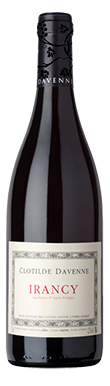
Davenne’s village Irancy shows her talent. While it does not command the same presence as her Paradis bottling, there’s plenty to like here. Great aromatics, a bit of red fruits, some minerality, freshness and a polished texture come together in this beautifully balanced wine.
2019
Clotilde DavenneIrancy
Domaine de Mauperthuis, Irancy, Burgundy, France, 2019
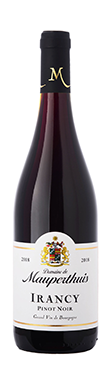
The stony character of the appellation offsets the ripeness imparted by the 2019 vintage. The inclusion of César adds a savoury and enchanting rusticity that contrasts nicely with the more black-fruited, as opposed to red cherry, notes. Aged for twelve months in mostly (85%) used oak barrels adds refinement without a hint of oakiness.
2019
Domaine de MauperthuisIrancy
Simonnet-Febvre, Irancy, Burgundy, France, 2018
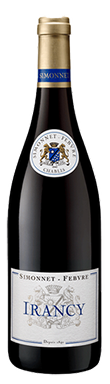
Simonnet-Febvre, a leading Chablis-based grower and négociant, sees plenty of potential for Irancy. They bottle this one as well as two from the lieux-dits of Paradis and Veaupessiot. The 2018 Irancy, a field blend of Pinot Noir and César, shows considerable depth despite a lower stated alcohol -13% -than expected for the hot 2018 vintage. It delivers power, relatively speaking for Irancy, without sacrificing polish or finesse. Red cherry-like flavours and touches of charming rusticity are apparent in this harmonious wine. Surprisingly approachable and charming now.
2018
Simonnet-FebvreIrancy
