Get our daily fine wine reviews, latest wine ratings, news and travel guides delivered straight to your inbox.
You are now subscribed
Your newsletter sign-up was successful
Cabernet Franc from the Loire is often good value and doesn't only come in a light, fruity style. Read this report on 53 wines tasted by our three-strong expert panel, including tasting notes and ratings...
53 wines tasted with four rated Outstanding
The panel tasters were: Jim Budd, Chris Kissack and Ben Llewelyn
The ‘other’ Cabernet finds its home in a small stretch of the Loire Valley, and given the right conditions it produces distinctive, terroir-driven reds, as Jim Budd reports…
Along with neighbouring Saumur-Champigny – which isn’t included in this panel tasting – the three appellations of Chinon, Bourgueil and St-Nicolas de Bourgueil form the world’s largest concentration of high-quality Cabernet Franc. It’s also the Loire’s most significant area for red wine, clustered at the western end of Touraine.
Scroll down to see the top wines from the panel tasting
Chinon is a clearly distinct appellation, whereas Bourgueil and St-Nicolas de Bourgueil are contiguous – a vineyard that stretches from St-Patrice in the east to St-Nicolas de Bourgueil in the west.
On the ground it’s impossible to tell where Bourgueil finishes and St-Nicolas de Bourgueil begins. St-Nicolas has a greater proportion of vineyards on sand and gravel, but does have vines on the clay-limestone slopes. Their climate, history and soils are broadly similar, and overall their similarities are greater than their differences. All three were among the Loire’s early appellations contrôlées – all recognised on 31 July 1937.
Quick link: See all 53 wines from this panel tasting
Ideal conditions
Forests to the north of each appellation provide protection from cold north winds, and although about 120 miles from the Atlantic, the climate here is tempered by the oceanic influence.
It’s the driest part of the Loire, yet is not sufficiently temperate for Cabernet Sauvignon to ripen properly, so early-ripening Cabernet Franc is preferred, with appellation rules restricting Cabernet Sauvignon to a maximum of 10%. In practice the vast majority of these wines are 100% Cabernet Franc.
There are three main types of soils – sand, gravel and clay-limestone – found in all three appellations. For Bourgueil and St-Nicolas de Bourgueil the sandy soils are close to the Loire, while in Chinon they are at the western end of the appellation around Savigny-en-Véron. From here come the lightest wines.
Get our daily fine wine reviews, latest wine ratings, news and travel guides delivered straight to your inbox.
Wines from the gravel beds laid down by the Loire and the Vienne have more structure and are of medium weight, while those from the clay-limestone slopes are the most concentrated, structured and need most time to be ready to drink and have the longest ageing potential. In 2012, I was privileged to taste a still-live Bourgueil 1893.
There has been a popular conception that these Loire reds are light, fruity and are best drunk young. Although this is true for some wines from the sandy soils, many of these wines from all three appellations have a remarkable capacity to age: 25-30 years is quite normal, especially for those from the slopes.
Well-kept wines from exceptional years – like 1947, 1949 and 1964 – are quite likely to be still enjoyable.
The scores
53 wines tasted
Entry criteria: Producers and UK agents were invited to submit dry reds from APs Bourgueil, Chinon and St-Nicolas de Bourgueil, and only from the vintages 2015, 2016 and 2017
Exceptional 0
Outstanding 4
Highly Recommended 26
Recommended 19
Commended 4
Fair 0
Poor 0
Faulty 0
Continue reading below
The summary
Though regrettably hard to find in too many instances, the character and quality of these Loire reds from consecutive good vintages shone through, says Jim Budd…
A tasting that lived up to expectations, as quality-wise these appellations have had a quartet of good vintages, starting with 2014. This is an unprecedented run – certainly since 1939 and probably earlier, although three successive good Loire vintages is not unknown.
Unfortunately there has been a succession of small crops from 2012, with 2016 and 2017 particularly affected by a series of late April frosts. Many growers are short of stock, which may well explain why we had a slightly disappointing number of wines entered. ‘Quality was broadly very good,’ said Chris Kissack. ‘I found myself scoring more wines in the 90s than I was expecting.’
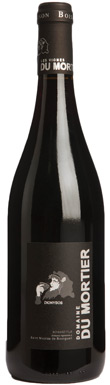
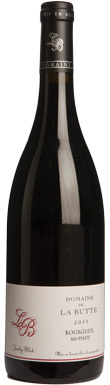
There were some lovely wines here in various styles, starting from deliciously easy-drinking 2017s with the emphasis very firmly on juicy, attractive red fruits, to the more structured wines that will repay cellaring – good candidates include Domaine du Mortier’s Dionysos 2016; Château de Minières’ Vignes Centenaires de Minière 2015; Frédéric Mabileau’s Eclipse No 11 2015; and Domaine de la Butte’s Mi-Pente 2015.
Chinon in particular excelled in the early-drinking, soft, spring wines – not wines for analysing, and best served lightly chilled but not too chilled, otherwise the fruit will be masked. Fine examples of 2017s delicious to drink now include Baudry-Dutour’s Amaranthe and Serge et Bruno Sourdais’ Le Logis de la Bouchardière.
‘The past few years have seen many growers suffer some terribly hard times at the mercy of the weather,’ commented Ben Llewelyn. ‘So it was very reassuring to see so many delicious wines with both terroir expression and Cabernet Franc fruit in abundance.’
Llewelyn felt St-Nicolas stood out. ‘This commune showed wines of ease and fluidity while also retaining structure and a certain finesse, which should encourage lovers of Cabernet Franc to seek out these wines with greater enthusiasm,’ he said. ‘In Chinon, many wines had scented charm but some lacked the depth to be long-lived. Bourgueil was variable, but in places produced wines to age and revere in years to come.
‘As always, my advice is to buy a case, drink one or two and sling the rest in the cellar for a few years, these wines seldom disappoint and are such amazing value.’
For Chris Kissack, no single appellation showed a superiority: ‘Chinon is perhaps the more famous, but in this tasting it was clear that wines of comparable high quality come from across all three appellations, in both fruit-fresh styles for drinking now, as well as more tannic styles intended for the cellar. To get the most out of the Loire Valley in red, you’re best getting to know Bourgueil and St-Nicolas de Bourgueil, as well as Chinon.’
Domaine du Mortier was particularly successful in this respect, with three of its wines from both Bourgueil and St-Nicolas de Bourgueil being placed in the top 12.
Kissack added: ‘Great to see so many of the region’s top domaines doing so well, making great wines when they have the opportunity, testament to the hard work of people such as Nicolas Grosbois (who suffered a lot in the frosts), Kathleen van den Berghe (Château de Minière), Frédéric Mabileau, Baudry-Dutour, Anne-Charlotte Genet & Kevin Fontaine (Charles Joguet), Jacky Blot, Gerald Vallée and more.’
Sadly, despite their quality and the often excellent value of these Loire reds, well over half of them are not available in the UK. Time for UK merchants to look again!
Our tasters each pick their top 3 wines
Jim Budd
Contributing to Decanter since 1989. Budd writes the award-winning blog Jim’s Loire, and is one of the five members of the Les 5 du Vin blog in France. He contributes to Hugh Johnson’s Pocket Wine Book and is a keen photographer, especially in the Loire.
Domaine du Mortier, Dionysos, St-Nicolas de Bourgueil 2016
From the clay-limestone slopes, a dense, deeply coloured wine, seductively textured with mouthfilling red and black fruits. Lovely balance, oak adding complexity. Organic, and one for the cellar. 97/100 Drink 2018-2030
Domaine Grosbois, Gabare, Chinon 2017
Since returning in 2008 after working around the world, Nicolas Grosbois has taken it to another level. Smoky nose, concentration and structure. Powerful, best kept a year or two. Certified organic. 97 Drink 2020-2025
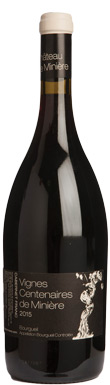
Château de Minière, Vignes Centenaires de Minière, Bourgueil 2015
Organic and from vines more than 100 years old, this is deeply coloured, opulently textured, concentrated and well balanced with a long finish. Can be enjoyed now or put away in the cellar. 96 Drink 2018-2022
Chris Kissack
Kissack has published www.thewinedoctor.com since 2000. He has focused on Bordeaux and the Loire for many years, and has been a frequent visitor to both regions since 1993. In the Loire, he writes regular first-hand reports on domaines, vineyards and harvests.
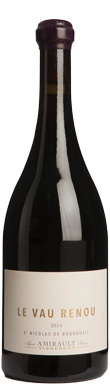
Yannick Amirault, Les Malgagnes Amphore, St-Nicolas de Bourgueil 2016
This top domaine is increasingly run by Yannick’s son Benoît, who is not afraid to experiment. From one of the appellation’s most revered vineyards, this cuvée is vinified in terracotta amphorae. 91 Drink 2018-2025
Domaine de la Noblaie, Pierre de Tuf, Chinon 2015
Jérôme Billard is an up-and-coming superstar in Chinon. This cuvée comes from a selection of the best fruit at harvest, and it is vinified in a limestone vat. It shows well with bottle age. 90 Drink 2018-2022
Domaine Dozon, Clos du Saut au Loup, Chinon 2017
After centuries of ownership, in 2013 the Dozon family sold this domaine to Eric Santier, who up to then had been working with Bernard and Matthieu Baudry. Eric fashions wines of increased purity and freshness. 90 Drink 2018-2025
Ben Llewelyn
Llewelyn moved his family to France in 2007 to experience the life of a winemaker while studying for his MW, and in 2008 he set up the wholesale agency and importer Carte Blanche Wines, which leans towards producers who choose to make wine as naturally as possible.
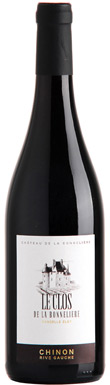
Château de la Bonnelière, Le Clos, Chinon 2014
From one of the larger family domaines with vineyards on the southern coteaux, this stood out for its classical lines and purity of fruit. One of a number of wines from the domaine that are worth seeking out and storing away. 97 Drink 2019-2029
Domaine Grosbois, Gabare, Chinon 2017
A single parcel of classic clay and limestone soil where the gradient rises to meet the forests. The scent and elegance typify the hallmarks of this terroir – an absolute classic. Farmed organically. 96 Drink 2020-2025
Domaine du Mortier, Dionysos, St-Nicolas de Bourgueil 2016
Fabien and Cyril consistently produce some of the best (value) wines of this area and Dionysos, a selection of old vines, is one of their best. If you want to know what great St-Nicolas should taste like, look no further! 95 Drink 2018-2030
Red Loire APs: the facts
Bourgueil 1,400ha, 120 producers, 7 communes, annual production around 65,000hl, 3% rosé
Chinon 2,347ha (2,027ha (Cabernet, 83ha Chenin Blanc for Chinon Blanc), 200 producers, 26 communes (eight new added 2016, Vienne south bank), annual production 96,500hl, 12% rosé
St-Nicolas de Bourgueil 1,100ha, 140 producers, annual production 58,500hl, 2% rosé
Cabernet Franc for all three APs, 10% Cabernet Sauvignon permitted
Chinon, Bourgueil, St-Nicolas de Bourgueil: know your vintages
2017 April frosts, but growers better set to combat it. Still some losses, but overall an unprecedented fourth good vintage in a row for quality. Top wines yet to be bottled.
2016 Many parts hit by frosts, up to 100% loss. Also mildew. Small crop but good quality wines. 2018-2035+
2015 Warm year producing powerful,ripe wines, if a smallish crop. 2018-2040+
2014 Cool, wet summer, then glorious in September, October. Attractive well-balanced wines. 2018-2035+
2013 Cold spring, very late flowering, least good for many years. Lack of ripeness – avoid. 2012 Frost-hit crop. Some decent wines but outdone by 2014-2017.
Top rated wines from the panel tasting:
See all 53 wines from this panel tasting
You might also like:
Expert’s Choice: Red Sancerre
Muscadet wines: Time to think again – panel tasting results
Domaine Grosbois, Gabare, Chinon, Loire, France, 2017
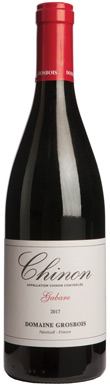
97
Domaine Grosbois, family owned since 1820, can trace its connection to the land as far back as the French Revolution. It is located in the appellation of Chinon in Touraine, nestled in the Loire valley on a 9ha estate. Today the estate is fronted by Nicolas Grosbois, who in 2008 crafted a range of seven differing types of Cabernet Franc, based on the unique soil characteristics of 13 plots. These comprise clay soils on a limestone bedrock, with the vines on average 40 years old. Jim Budd: A sooty, smoky nose, with good concentration and structure on the palate – a powerful, early-bottled 2017. It is best kept a year or two before you start to drink. Chris Kissack: A much more convincing nose in the context of this line-up: dark fruit, concentrated, black cherry compote and blackcurrant. Fresh, bright, pure, defined, ripe, grained, elegant and energetic. An excellent young Chinon, fresh, composed, complete, with so much potential. Perhaps up to 12 months in bottle to help it come together a little more, otherwise this is good to go. Brilliant. Ben Llewelyn: Concentrated black fruit, a touch of dried prune on the nose and palate. It finishes with a density that requires time to resolve, but it’s very long and quite grown-up.
2017
LoireFrance
Domaine GrosboisChinon
Domaine du Mortier, Dionysos, St-Nicolas-de-Bourgueil, Loire, France, 2016

96
Domaine du Mortier is located in St-Nicolas de Bourgueil in the Loire Valley, a 13ha estate run by brothers Fabien and Cyril Boisard who initially had no formal winemaking experience! Dionysos is their ‘flagship’ wine, or top cuvée, using 30- to 50-year-old vines which are grown on gravel soils, producing a yield of 40hl/ha. Wines are produced through spontaneous fermentation with indigenous yeasts, aged in minimum third-use oak, and a little sulphur dioxide is added only prior to bottling. The Dionysos 2016 was aged for 15 months in barrel. Jim Budd: This is a densely coloured wine, with seductive texture, mouthfilling red and black fruits, lovely balance and oak adding complexity. Good potential to age – one for the cellar. Chris Kissack: A dark and restrained nose to this glossy, crimson-rimmed wine. The palate is textured, complete, correct, with primary and restrained fruit, countered by a ripe wrapping of finessed tannins and fresh acidity. Very youthful, but very composed and competent, with great potential. Lots of tannic substance here to keep this alive, and the oak which shows through a little here will be no problem in time. Top stuff. Ben Llewelyn: A dark, very brooding style. Fully formed fruit, lovely tannins and a los of guts to help it along in the finish. This is showy now, but will become refined with age.
2016
LoireFrance
Domaine du MortierSt-Nicolas-de-Bourgueil
Château de la Bonnelière, Le Clos de la Bonnelière, Chinon, Loire, France, 2014

95
Winemaker Marc Plouzeau, owner and face of Château de la Bonnelière, took over this 1848 château in 1988, adapting methods to bring a more natural approach to the wines. On the left bank of the Vienne, this 30ha estate produces a huge range of Cabernet Francs. The soils are divided into three specific types: clay-limestone, flint and gravel, all of which provide this estate’s unique characteristics. Le Clos de la Bonnelière is created from 35-year-old vines which thrive on a clay-limestone plot. Jim Budd: Smoky aromas with some notes of liquorice, finesse and charm, length. Ready to drink now but potential to age. Very attractive wine. Chris Kissack: Fire embers and toast on the nose. Sweet red cherry and redcurrant, with chalky, perfumed vanillin notes coming through on the palate, dry and distinct. Bold, grippy with a long finish, lots of tannic structure. Ben Llewelyn: Dense and brooding, albeit with mineral fruit underpinning the palate. There’s a lovely freshness to this. A good wine with characters of both vintage and terroir.
2014
LoireFrance
Château de la BonnelièreChinon
Domaine du Mortier, Les Pins, Bourgueil, Loire, France, 2016
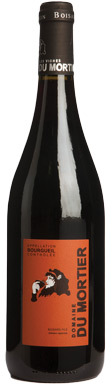
95
Domaine du Mortier is situated centrally between Angers and Tours, and importantly only uses organic grapes from its organic and biodynamic certified vineyards. Grapes for Les Pins are from a single parcel of vines averaging 60 years of age, on soils of clay and chalk. Whole bunches go into an open-top, 50hl wooden vat, with the fermentation initiated using lees from previous vintages. The wine is aged for 10 months in oak before being bottled. Jim Budd: Black fruit aromas, some cherries, lovely soft texture, mouthfilling black fruits, powerful wine with some structure and a long finish. Some oak showing at present, so ideally kept for another couple of years. Chris Kissack: Blackcurrant with a touch of old school desk. Dark and restrained, suggesting a savoury style. Rather perfumed too though, a palate with substance, breadth and energy, dark and vibrant fruit, zippy acidity too. Lovely purity of fruit, with little grilled pip notes, praline edges too. Energetic and grippy. This is very good. Ben Llewelyn: Strongly put-together wine with identity and structure. A great wine.
2016
LoireFrance
Domaine du MortierBourgueil
Château de Minière, Vignes Centenaires de Minière, Bourgueil, Loire, France, 2015

A dark, brooding nose of currants and violets, perfumed and fresh. The palate shows texture, concentrated fruit, structure and acidity, followed by a lovely long...
2015
LoireFrance
Château de MinièreBourgueil
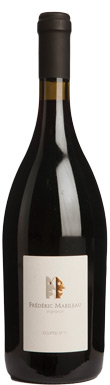
Domaine Frederic Mabileau, Eclipse No 11, St-Nicolas-de-Bourgueil, Loire, France, 2015

A very enticing nose, influenced by the oak, but there are notes of dark chocolate and mint, along with dried red cherry fruit. It all...
2015
LoireFrance
Domaine Frederic MabileauSt-Nicolas-de-Bourgueil
Domaine Yannick Amirault, Le Vau Renou, St-Nicolas-de-Bourgueil, Loire, France, 2014

Prune and fig aromas, opulently textured. Fresh minty cherry fruit, dark, grained, toasted fruits, with great grip on the finish. Perfumed pot-pourri touches and balsa...
2014
LoireFrance
Domaine Yannick AmiraultSt-Nicolas-de-Bourgueil
Baudry-Dutour, Amaranthe, Chinon, Loire, France, 2017
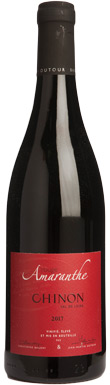
Limestone, redcurrant and red cherry aromas. Lightly creamy fruit, black cherry, graphite texture and cassis. Tannins ripe but fruit seems a little muted on the...
2017
LoireFrance
Baudry-DutourChinon
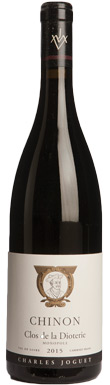
Charles Joguet, Clos de la Dioterie, Chinon, Loire, France, 2015

Grained berry fruit with toasted black cherry. Supple, broad, rich and warm character, with lots of textural substance. Serious, perfumed and primary Cabernet Franc character,...
2015
LoireFrance
Charles JoguetChinon
Domaine de la Butte, Mi Pente, Bourgueil, Loire, France, 2015

Blackcurrant and blackberry aromas. Textured palate, substance, minty black fruits swirled with the oak. Quite charming, with a long, brooding finish.
2015
LoireFrance
Domaine de la ButteBourgueil
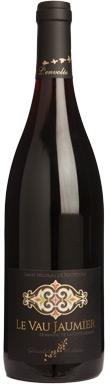
Domaine de la Cotelleraie, Le Vau Jaumier, St-Nicolas-de-Bourgueil, Loire, France, 2016

Sooty, smoky aromas, softly textured with structure and tannins, some wood notes. Needs a little time in bottle but good length and potential.
2016
LoireFrance
Domaine de la CotelleraieSt-Nicolas-de-Bourgueil
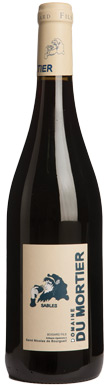
Domaine du Mortier, Sables, St-Nicolas-de-Bourgueil, Loire, France, 2017

Fragrant floral aromas, cherry and cherrystone fruit with plum cream, perfume, limestone dust and fragrant violets, wrapped in a silky palate texture. Some soft and...
2017
LoireFrance
Domaine du MortierSt-Nicolas-de-Bourgueil

Jim Budd moved from education to wine in 1988 and has written for Decanter since 1989. He is the former editor (1991-2015) of Circle Update, the newsletter of the Circle of Wine Writers. He writes the award-winning www.jimsloire.blogspot.com and is one of the five members of the Les 5 du Vin blog. Budd exposes the dangers of drinks investment on his award-winning www.investdrinks.org website, and complementary www.investdrinks-blog.blogspot.com blog. He also contributes to Hugh Johnson’s Pocket Wine Book, Wine Behind the Label and the Academie du Vin. Budd is a keen photographer – especially in the Loire.