
Magic in Muscadet: 20 Crus Communaux wines to try
We’re all familiar with the traditional Loire classic of Muscadet sur lie. But the real excitement in Muscadet today is to be found in its ‘crus communaux’ wines, which take the established practice of ageing a wine on its lees to new levels. A superior style of Muscadet has emerged from the top sites of this historic region.


At the western edge of France, the vineyards of Muscadet cloak a verdant landscape of wandering cattle, low farm buildings and gentle slopes that descend to the cool and shady Loire tributaries of the Sèvre Nantaise and the Maine.
This is one of the oldest appellations in France, and it feels as if little has changed here in decades, if not centuries. But a gradual revolution has been taking place.
Scroll down to see tasting notes and scores of 20 spectacular Muscadet Crus Communaux wines
Growers with an eye to quality have quietly been working to obtain cru recognition for their top cuvées. These are wines grown in specific sites and aged for years in cool, underground vats.
The journey to achieving cru status has been long – and isn’t over yet – but it is proving to be worth the wait.
Muscadet, a wine historically known more for its ubiquity than its quality, has been reimagined as a modern classic. The cru wines are vibrant and food-friendly, low in alcohol, subtly complex and capable of effortless ageing. Fashioned from traditional winemaking techniques – and a lot of patience – this is the new Muscadet, and it’s bang up to date.
Muscadet is the largest appellation in the Loire valley and, for the most part, it’s always been a straightforward one: there is a single grape variety and a single style of wine, often aged over the winter on lees (‘sur lie’) before its release (see Muscadet – Vins de Nantes).
The light, dry, citrussy white reflects the irregular, cool weather of the vineyards’ location close to France’s northwest Atlantic coast.
A popular match for local seafood, due to its fresh, saline drinkability and inexpensive price tag, it is the product of a grape that is the unique signature of the region: Melon B (see box below).
Melon B
The grape you really, really want…
There aren’t many places in the world that can claim a grape variety that is truly its own, but Muscadet is one of them.
The grape may have originally been brought from Burgundy, hence the historic name Melon de Bourgogne, but as readily as it was rejected by the Burgundians it was embraced by growers in the cooler vineyards around Nantes thanks to its valued resistance to winter chill.
There are tiny pockets of the grape grown in cool locations in the US and Canada today, but otherwise Melon means Muscadet and Muscadet means Melon.
As an aside, the Burgundians are not happy with the use of the word ‘Bourgogne’ anywhere outside Burgundy, so even though Melon de Bourgogne is the historical and commonly used name of the grape, the official name is Melon B. Yes, it’s the Spice Girl grape. And in case you were wondering, the B stands for Blanc (definitely not Bourgogne).
The Melon grape has never been fashionable or popular elsewhere, but its relatively neutral character has its benefits. As François Robin of the Fédération des Vins de Nantes explains: ‘Because Melon is not aromatically expressive, it has a greater tendency to transmit terroir.’
Naturally, terroir expression has been a key element in defining the newest addition to the Muscadet appellation. Permitted yields are lower for the cru wines, and they must age on their lees for an extended period typically ranging from 18 months to two or three years. Robin says the crus have brought a renewed sense of pride to Muscadet producers: ‘Finally, we have confidence that we can make great wines with our own grape variety.’

Longer on lees
The cru initiative came from a handful of growers in the village of Gorges in the late 1990s. They decided to experiment by leaving their finished wines on lees for longer than the traditional sur lie period: years instead of months (see box).
Soon, growers in the neighbouring villages of Clisson and Le Pallet were experimenting in the same way. They discovered that the three different terrains produced superior and distinct styles of wine and set about obtaining official recognition for this new style of Muscadet.
Undaunted by the glacial pace of French wine legislation, the growers persisted and finally achieved cru recognition for each in 2011.
Meanwhile, momentum was building among other groups of growers. In 2019, a further four crus were recognised, namely Goulaine, Monnières-St Fiacre, Château-Thébaud and Mouzillon-Tillières. Soon, La Haye-Fouassière, Vallet and Champtoceaux will join the group to bring the total up to 10.
For readers looking to find these wines, it is useful to note that there is no mention of ‘sur lie’ on the labels, which regular buyers of Muscadet might find confusing, since these are wines that are clearly defined by the influence of long lees ageing. This is where you need to forget everything you thought you already knew about Muscadet, and instead marvel at the French administrative genius in coming up with new rules that make no sense when applied. The mention of sur lie as part of the appellation on a Muscadet label can only be used for wines that have aged on their lees for between five and 14 months (ie, the traditional Muscadet sur lie category, which remains unchanged).
Any wine that has spent longer than 14 months ageing on lees (meaning any cru wine) is actually prohibited from using the term sur lie. Crazy, but true – or, as one local winemaker succinctly put it: ‘C’est très français.’

Lees ageing: the key to quality in Muscadet
Lees are composed principally of dead yeast cells that sink to the bottom of the fermentation vessel once they have done their work in converting grape sugars to alcohol during winemaking.
Lees ageing is a valued winemaking technique, notably used in the context of barrel-fermented white Burgundy and Champagne. Leaving new wine in contact with its lees enhances richness of aroma and, especially, texture, which is often described as more rounded, mouthfilling, or mealy. When this ageing extends for several years, the lees begin to break down, leading to the yeasty complexity we associate most readily with Champagne.
During the ageing period, lees may be stirred into suspension periodically, a process known as batonnage. This can accentuate and accelerate the effects of the lees and use of the technique depends very much on the style a winemaker is seeking to achieve.
Wines with prolonged lees ageing have been shown to have higher levels of amino acids, something that has been linked with generating higher scores from critics. It is also suggested that the savoury, umami characters that come from lees ageing improve a wine’s suitability for drinking with a wide range of foods.
Lees ageing is one of the keys to quality in AP Muscadet, but knowing how long a wine has been on lees is not always apparent from the label. Here is what you need to know:
Muscadet The basic AP appellation – no requirement for lees ageing. These wines may contain a small percentage of Chardonnay (all other Muscadet APs are 100% Melon B).
Muscadet Sèvre et Maine Accounting for about two-thirds of Muscadet wine produced, the vineyards are situated between the Sèvre Nantaise and Maine tributaries. No requirement for lees ageing.
Muscadet Sèvre et Maine + sur lie The wine must have aged on lees for between five and 14 months (but no longer).
Muscadet Sèvre et Maine + the name of one of the crus Each cru has its own minimum ageing requirements, meaning these wines can spend anything from 18 months to several years resting on their lees before bottling. Confusingly, use of the term ‘sur lie’ is actually prohibited for wines aged longer than 14 months on lees.
The crus communaux Clisson, Gorges, Le Pallet, Goulaine, Monnières-St Fiacre, Château-Thébaud and Mouzillon-Tillières have all been approved and are usually seen on the front label. Three other crus are in-waiting: La Haye-Fouassière, Vallet and Champtoceaux. Regardless of their current unofficial status, these names are also often seen on the label, because these wines have been produced already for a number of years as part of the ongoing process of achieving the cru recognition.
Soil diversity
The Muscadet terrain is complex. Soils derive from an ancient bedrock formed by the breakdown of the enormous Hercynian mountain range that existed some 350 million years ago. Now known as the Massif Armoricain, it’s home to the oldest soils in the Loire valley, and Muscadet winemakers are proud of the rocks that lie beneath their vines: granite, gabbro, amphibolite, serpentinite, orthogneiss… These are not your run-of-the-mill vineyard soils: some are so rare they are found in almost no other vineyards.
Part of the lengthy process of defining the crus has been mapping these differences.

The Lieubeau family makes a range of cru wines from Clisson, Château-Thébaud and Goulaine. Brothers François and Vincent explain how the different terroirs affect the wines.
Clisson comprises granite bedrock with sand on top – a free-draining, warm soil that typically gives wines with slightly higher alcohol than the other crus. Winemaker Vincent describes Clisson as ‘the most approachable cru – fruity, sunny, spicy and bold’.
In comparison, Château-Thébaud vineyards are more varied in terms of soil composition, but all are on slopes and have thin topsoil. This means the vines are subject to more water stress. Vincent says these wines are ‘thinner, clearer, smoky, fresher and more mineral’.
Their third cru, Goulaine, is easy, rich and citrussy, and a little less acid-driven than the other two. Goulaine grapes come from a mild microclimate on a sandy hill surrounded by marshland. All of these wines are aged on lees for two to three years, and are a far cry from the everyday Muscadet to be gulped down with a plate of oysters.

Wines from the Gorges cru are known for being long-lived, austere and perhaps the most extreme of the crus in style, with razor-sharp acidity and precision. Asked how he would describe Gorges wines, Fred Lailler clenches his fist: ‘They should be like gunflint.’
Lailler, winemaker and owner of Domaine Brégeon, explains that the wines are born from a subsoil of gabbro, a dense, dark and impenetrable igneous rock. The topsoil, rich in clay, retains water easily, making this a much cooler growing environment for vines than next-door Clisson’s warm, sandy granite. The grapes ripen later and have less of the easygoing fruitiness that typifies Clisson wines.
Lailler’s approach to winemaking is strict. He aims for minimal intervention and tries to avoid excessive alcohol in his wines, shaking his head as he pours a 2018: ‘12.5% – it’s too much.’ Here, 12% is the norm. Lailler’s wines show concentration and balance, shining fruit and laser-bright, saline acid.
Varying techniques
Because historically Muscadet has only been left on its lees over the winter following harvest, there is ongoing speculation over what constitutes an ideal ageing period for the crus. ‘It’s new for us all,’ says Robin, ‘and we are still learning.’ But a few top producers have a longer history of making wines in this style.
At Luneau-Papin, for example, Marie Luneau explains that the ageing period for high-end cuvée Excelsior (in Goulaine) was reduced from 36 months to 24 in 2012.
Another who has been experimenting for longer than most is Muscadet veteran Jo Landron, in La Haye-Fouassière. He has been identifying and vinifying individual parcels for years, leaving the wines on lees for long periods. His top cuvée, Le Fief du Breil, is a fine example of the potential and longevity of these wines. The grapes grow in what is now the cru of La Haye-Fouassière. He currently favours increasing the length of lees ageing for his more recent vintages, explaining: ‘Lees have a physical action, softening bitter flavours, giving a rounder texture and revealing citrussy notes.’ But he adds that some crus are better suited to long lees ageing than others, depending on the soil type.
It is likely his Fief du Breil will be labelled as a cru in future, although one gets the impression that for Landron it is all rather academic. As he points out: ‘The individual lieu-dit sites were recognised long before anyone thought of having a cru system. I’ve been making wines like this for 30 years.’
Then there is the thorny question of what to do while the wine is ageing on its lees. While some winemakers (such as the Lieubeaus) stir the lees regularly, others prefer to leave well alone. Lailler reveals he never touches his wines during the lengthy maturation process, dismissing batonnage as ‘useless and violent’. This might be an extreme view, but certainly there are other winemakers, such as Jérémie Huchet, who are unconvinced that batonnage works for their terroir and style: ‘It erases the terroir,’ he says.

At Domaine Le Fay d’Homme, biodynamic winegrower Vincent Caillé takes a more measured approach, born perhaps of his 35 years’ experience. He varies the length of ageing and the amount of lees stirring according to the wine. He notes: ‘Batonnage accelerates the ageing process because it brings oxygen to the wine.’
After tasting a selection of site-specific, lees-aged Muscadet wines from vintages dating back to 2001, there is no question in my mind that, despite their apparent delicacy, these are wines with excellent potential to age. They retain their youthful freshness for far longer than one might imagine, gaining in complexity and interest for decades (if you can resist drinking them). Even better, many of the wines currently available to buy are already several years old, coming straight from the cool cellars of Muscadet.
See tasting notes and scores of 20 spectacular Muscadet Crus Communaux wines
Related content
Domaine Huet: Profile and tasting report on latest releases
Loire alternatives to Sancerre & Pouilly-Fumé: expert’s choice
Sancerre 2021 vintage: Frost, mildew and storms fail to dent spirits
Domaine de la Pépière, Château-Thébaud, Muscadet, de Sèvre et Maine, Loire, France, 2012
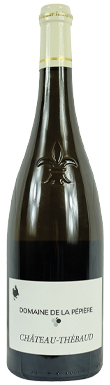

Everything about Domaine de la Pépière is so unprepossessing it comes as a bit of a shock that the wines are quite so glorious. This...
2012
Domaine de la PépièreMuscadet

Domaine de la Pépière, Monnières-Saint-Fiacre, Muscadet, de Sèvre et Maine, Loire, France, 2017
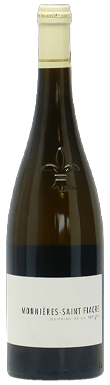
Domaine de la Pépière makes effortless wines of understated beauty, and this is a typical example. Floating, mineral and floral aromatics lead into a silky...
2017
Domaine de la PépièreMuscadet
Domaine Luneau-Papin, Excelsior, Muscadet, de Sèvre et Maine, Loire, France, 2014
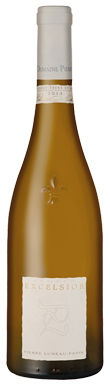
The flagship wine of this quality-focused domaine, from vines at the top of the slopes of the Butte de la Roche hill at...
2014
Domaine Luneau-PapinMuscadet
Jérémie Huchet, Clos les Montys Vigne de 1914, Muscadet, de Sèvre et Maine, Loire, France, 2019
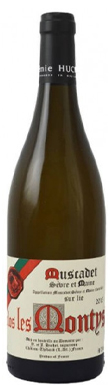
The 2019 has a delicate nose of lilac and white flowers, and the palate is firm but with a silky smoothness. Perfect balance of richness...
2019
Jérémie HuchetMuscadet
Jo Landron, Le Fief du Breil, Muscadet, de Sèvre et Maine, Loire, France, 2010
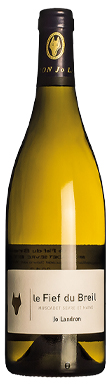
Jo Landron's best plot is the Fief du Breil, a warm, quartz-rich orthogneiss soil in La Haye-Fouassière, which delivers ripe wines with flinty smokiness. The...
2010
Jo LandronMuscadet
Les Bêtes Curieuses, Goulaine, Muscadet, de Sèvre et Maine, Loire, France, 2013
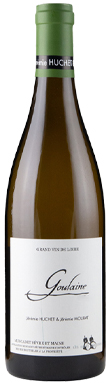
This Goulaine cru wine comes from the Clos des Montys vineyard owned by Huchet and the fruit is from 80-year-old vines. The smoky, mineral nose...
2013
Les Bêtes CurieusesMuscadet
Les Bêtes Curieuses, Château-Thébaud, Muscadet, de Sèvre et Maine, Loire, France, 2014
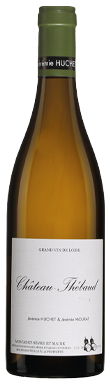
Les Bêtes Curieuses is a joint venture between talented winemakers Jérémie Huchet and Jérémie Mourat, the latter a winemaker in the coastal appellation of Fiefs-Vendéens....
2014
Les Bêtes CurieusesMuscadet
Domaine Brégeon, Les Vigneaux Gorges, Muscadet, de Sèvre et Maine, Loire, France, 2015
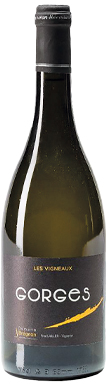
Fred Lailler crafts his wines with an obsessive attention to quality: low-yielding, organic grapes from 65-year-old vines are handpicked and pressed within two hours to...
2015
Domaine BrégeonMuscadet
Domaine Le Fay d'Homme, Monnières-Saint-Fiacre, Muscadet, de Sèvre et Maine, Loire, France, 2018
From vines of 70 years’ age minimum grown on gneiss soil, this has an expressive and inviting nose of apricots, pears and white flowers....
2018
Domaine Le Fay d'HommeMuscadet
Domaine Luneau-Papin, Excelsior, Muscadet, de Sèvre et Maine, Loire, France, 2005
From a warm vintage, with three years of lees ageing comes this open-knit, mature wine. Showing a deep golden colour and an enticing nose of...
2005
Domaine Luneau-PapinMuscadet
Famille Lieubeau, Château-Thébaud, Muscadet, de Sèvre et Maine, Loire, France, 2009
2009 was an unusually warm vintage in Muscadet, giving richer wines more reminiscent of a warmer climate. The aromas are ripe and honeyed, the palate...
2009
Famille LieubeauMuscadet
Famille Lieubeau, Château-Thébaud, Muscadet, de Sèvre et Maine, Loire, France, 2015
The Lieubeaus age their flagship Château-Thébaud cru for at least three years on lees. The golden colour is suggestive of maturity, but the nose remains...
2015
Famille LieubeauMuscadet
Jo Landron, Le Fief du Breil, Muscadet, de Sèvre et Maine, Loire, France, 2017
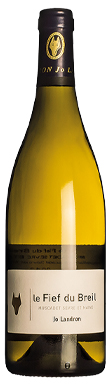
Jo Landron is still undecided whether 36 months is too long to leave his wines on lees, but based on this, the results are...
2017
Jo LandronMuscadet
Domaine de la Pépière, Clisson, Muscadet, de Sèvre et Maine, Loire, France, 2014
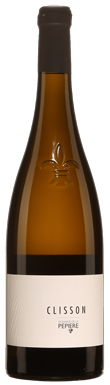
Rich and delicious. The expressive nose is leesy and mineral, the palate cream pie with fresh citrus, kiwi and touches of gooseberry. Despite this riot...
2014
Domaine de la PépièreMuscadet
Gadais Père & Fils, Plantation 1947 Monnières-Saint-Fiacre, Muscadet, de Sèvre et Maine, Loire, France, 2016
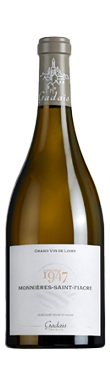
As the name suggests, this prime hectare of land in the Monnières-St Fiacre cru was planted in 1947 by Louis Gadais, founder of this family...
2016
Gadais Père & FilsMuscadet
Famille Lieubeau, Clisson, Muscadet, de Sèvre et Maine, Loire, France, 2015
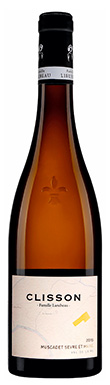
93
François Lieubeau says this wine is ageing like a Chablis, but to me it is ageing like a fine Muscadet. Aged for 24 months on lees, this golden wine has round, open, peachy fruit allied to a chalky texture. Showing a light patina of age in its gently nutty aromas, it is ageing beautifully, with an integrated vein of acidity running through it and an attractive sweet and sour quality. The long finish recalls lime, pear, lemon and smoke.
2015
Famille LieubeauMuscadet
Bruno Cormerais, Clisson, Muscadet, Côtes de Grandlieu, Loire, France, 2014
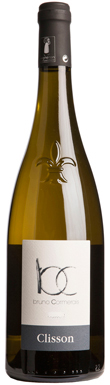
At Domaine Bruno Cormerais there is no rush to get their best wines into bottle. This golden, rich, creamy Clisson has spent 51 months...
2014
Bruno CormeraisMuscadet
Les Bêtes Curieuses, Clisson, Muscadet, de Sèvre et Maine, Loire, France, 2017
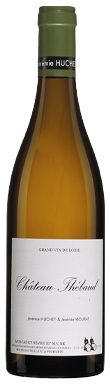
This Clisson cru is creamy, rich and highly approachable, with some exotic mango and pineapple fruit - all in the context of Muscadet, of course....
2017
Les Bêtes CurieusesMuscadet
Domaine La Fay d'Homme, Gorges, Muscadet, de Sèvre et Maine, Loire, France, 2018
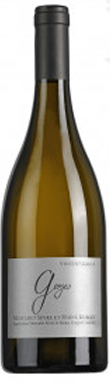
2018 was a warm and sunny year in Muscadet, and the effect of the vintage is reflected in this Gorges cru from Vincent Caillé. 25...
2018
Domaine La Fay d'HommeMuscadet
Chéreau Carré, L'Orée du Château la Turmelière, Château-Thébaud, Muscadet, de Sèvre et Maine, Loire, France, 2016
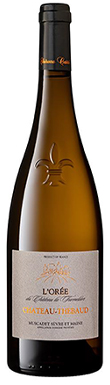
From one of the largest producers in the region, with 130ha devoted to growing Muscadet, this new cru wine is savoury, smoky and powerful, ready...
2016
Chéreau CarréMuscadet
