Biodynamic wines explained
We’re all familiar with the concept of organic wines, but biodynamic wine can be harder to get to grips with. So what's the difference? And does biodynamic wine taste better?


Biodynamic wine production is similar to organics in that it promotes the use of manures and composts and avoids synthetic chemical pesticides, fungicides and fertilisers in the vineyard and cellar. The main practices of biodynamics state the importance of keeping in tune with the fundamental forces of nature to create a self-sufficient ecological environment, with ethical and spiritual considerations. Biodynamic wines are produced in accordance with biodynamic principles – originating with the work and theories of Austrian-born philosopher Rudolf Steiner in the early 20th century – that emphasise holistic agricultural methods and minimal intervention post-harvest. Some biodynamic winemakers claim to have achieved improvements in the health and biodiversity of their vineyards, soil fertility, crop nutrition, and pest and disease management.
Biodynamics in viticulture has grown in popularity in recent years, with more than 450 biodynamic wine producers worldwide. For a wine to be labelled biodynamic, it must be made using nine specific preparations and meet internationally recognised standards laid down by the Demeter Association. Most biodynamic wines are Demeter-certified but, as the organisation also certifies an array of vegetables, fruit, dairy and meat products, many biodynamic vineyards in France also seek certification by Biodyvin.
Both Biodyvin and Demeter have rules on growing and vinification that can be stricter than organic alone – for example, less use of copper sulphate per hectare, and the use of natural yeasts for fermentation. With biodynamics, the homeopathic preparations used on the compost and on the vines are key, and the vineyard must be as self-sustaining as possible, with minimal external inputs. The influence of the planets on the growing season and on vineyard and winery operations is also taken into account.
Some wineries that use biodynamic methods in all or part of the vineyards aren’t certified at all. This is a personal choice. There are also those who are using, or trialling, biodynamic methods, who just use EU organic certification. But only a very small proportion of certified organic producers can be considered fully biodynamic.
Are biodynamic wines better than organic wines? This comes down to personal taste. Many proponents of biodynamics will say that the wines show clearer/brighter fruit and stronger terroir character. The vines may be healthier, but as for the final bottled wine, it will still come down to the skill of the winemaker and vinification methods used.
Biodynamics in the glass – 10 wines to taste
10 wines from iconic biodynamic-certified producers, tasted and scored by the Decanter team.
Wines grouped by style and ordered by score, in descending order.
Related content
Château Pontet-Canet: Tasting 10 years of biodynamics
Reyneke: South Africa’s holistic wine farm
Louis Roederer, Cristal, Champagne, France, 2013
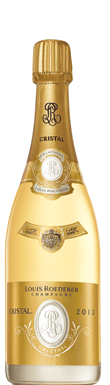

The peak of drinkability is between 15 and 20 years from the harvest; so says Jean-Baptiste, but he has not spared the taster the wondrous...
2013
Louis Roederer

Fleury, Blanc de Noirs Brut, Aube, Champagne, France
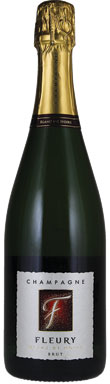
Generous nose of praline and mango; the palate is finely-honed, crisp and with compatible acidity and a nicely structured finish - some potential here.
FleuryAube
Reyneke, Biodynamic Chenin Blanc, Polkadraai Hills, Stellenbosch, South Africa, 2019
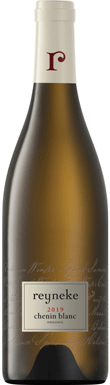
A nimble, vital and textured Chenin from the oldest vineyards (44 to 46 years old) on the Reyneke farm. Whole-bunch pressed then naturally fermented in...
2019
ReynekePolkadraai Hills
Domaine Tissot, Patchwork Arbois Chardonnay, Jura, France, 2018
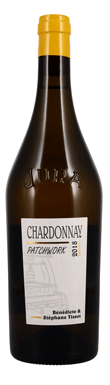
92
Barrel-fermented and then aged in barrel (10% new) for 12-14 months, this Jura Chardonnay is generous and spicy in character, made with minimal intervention and biodynamically by the talented innovator Stéphane Tissot. Patchwork in the name refers to the blend of different plots and soil types that go into this wine, which has a full-bodied complexity and steely acid backbone. Impressive.
2018
Domaine Tissot
Gramona, Font Jui, Penedès, Spain, 2017
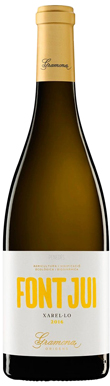
An impressive barrel-fermented single vineyard Xarel.lo, farmed biodynamically and aged on lees for three months. Generous gold colour, with aromatics of chamomile and lemon pith,...
2017
Gramona
Felton Road, Calvert Pinot Noir, Bannockburn, Central Otago, New Zealand, 2019
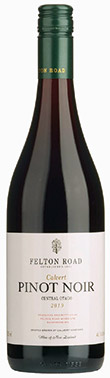
<p>Beautifully concentrated nose with ripe strawberries and raspberries, black cherry, hints of star anise and delicate oak spice. Fantastic purity of fruit. Nominated by Bob...
2019
Felton RoadBannockburn
Clos Puy Arnaud, Castillon Côtes de Bordeaux, Bordeaux, France, 2020
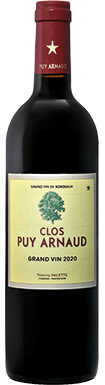
A burst of ripe berry fruit on the nose, this has the most gorgeous depth of expression. More tannic than in many years, but not...
2020
Clos Puy ArnaudCastillon Côtes de Bordeaux
Bret Brothers, Pouilly-Fuissé, 1er Cru Aux Vignerais, Burgundy, France, 2019
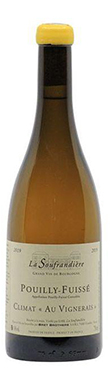
Produced from a half-hectare holding on the steeply sloping premier cru Aux Vignerais, located on the south side of the rock of Solutré. The...
2019
Bret BrothersPouilly-Fuissé
Domaine Montirius, Terre des Ainés, Gigondas, Rhône, France, 2020
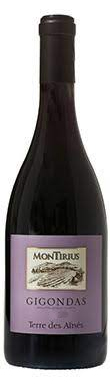
Full-bodied and remarkably concentrated for what can be a lighter style in this vintage. Not terribly deep or long perhaps, but this does deliver some...
2020
Domaine MontiriusGigondas
Zind Humbrecht, Clos Jebsal Pinot Gris Vendange Tardive, Alsace, France, 2018
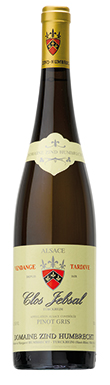
There’s an almost magical freshness to this biodynamic wine, from the complex and distinctive mix of red and green apple, apricot, honey and a wisp...
2018
Zind Humbrecht
