
Marqués de Murrieta masterclass: DFWE NYC 2024
Head of Spain's historic, family-owned Marqués de Murrieta winery, Vicente Dalmau Cebrián-Sagarriga led a crowded room through a masterclass of Castillo Ygay, one of Rioja's most iconic labels. Co-host Decanter’s Clive Pursehouse reports from the Decanter Fine Wine Encounter NYC.


With a soaring view looking down on the island of Manhattan, Vicente Dalmau Cebrián-Sagarriga, Count of Creixell, presented his family’s iconic wines from the historic Marqués de Murrieta estate during the final masterclass of the 2024 Decanter Fine Wine Encounter NYC.
Dalmau explained that he was eager to share his family’s historic story and wines with Decanter’s US audience, and that the American market – New York and Miami in particular – is by far Marqués de Murrieta’s most important export market.
The masterclass and the wines on display told a story of three single vineyards within the revered Finca Ygay estate. Dalmau led attendees through an understanding of the terroir and growing conditions of these singular blocks within Ygay’s 300-hectare vineyard holdings.
Scroll down for tasting notes and scores of the eight wines tasted at the Marqués de Murrieta masterclass at DFWE NYC 2o24
A historic sense of place
The Marqués de Murrieta winery was founded by Don Luciano, who, in the mid-1850s, sought to bring what he had learned about winemaking in Bordeaux to the Rioja Alta region.
Dalmau’s father purchased the property in 1983. They were already the owners of the Rias Baixas estate Pazo de Barrantes, which his family, the Counts of Creixell, had owned since the early 20th century.
Tragically, his father died suddenly in 1996 aged just 46. This left Dalmau, then just 26, with the heavy responsibility of managing the family’s two estates while mourning the loss of his young father.
Nonetheless, the pioneering spirit of its founder has continued with the Cebrián-Sagarriga family’s stewardship and Dalmau’s visionary approach as the president and owner of the current estate – though he is quick to pass on the credit for the estate’s amazing wines to his vineyards.
Marqués de Murrieta masterclass

The wines Vicente Dalmau poured for the masterclass told a story of the family’s estate vineyards, their ability to craft wines of the highest quality with uncanny ageability, and an eye for innovation in a region steeped in tradition.
Marqués de Murrieta, Dalmau, Rioja Alta, Spain 2014
Marqués de Murrieta, Dalmau, Rioja Alta, Spain 2019
Marqués de Murrieta, Castillo Ygay, Gran Reserva Especial, Rioja Alta, Spain 1980
Marqués de Murrieta, Castillo Ygay, Gran Reserva Especial, Rioja Alta, Spain 2007
Marqués de Murrieta, Castillo Ygay, Gran Reserva Especial, Rioja Alta, Spain 2009
Marqués de Murrieta, Castillo Ygay, Gran Reserva Especial, Rioja Alta, Spain 2012
Marqués de Murrieta, Capellanía, Rioja Alta, Spain 2018
Marqués de Murrieta, Castillo Ygay, Gran Reserva Especial Blanco, Rioja Alta, Spain 1986
Scroll down to see tasting notes and scores for all the wines featured in this masterclass
Canajas
The Canajas site sits at 460m on calcareous limestone soils. These soils and elevation combine to impart a notable freshness to the fruit.
The wines from the Dalmau range come from this block. These are a creation of Vicente Dalmau and his decision to create a new take on Rioja, which includes Cabernet Sauvignon.
Marqués de Murrieta is the only winery in Rioja approved by the DOCa to use Cabernet Sauvignon, as its vineyard plantings predate the region’s restriction on Bordeaux varieties.
The Dalmau wine is a modern take, a sort of ‘Super Rioja’ in Dalmau’s words. In addition to Cabernet, Graciano plays a vital role in the wine’s style and longevity, its high acids adding plenty of freshness, minerality and ageability.
La Plana
With calcareous soils, La Plana is located in the upper part of the estate, at the highest elevation of the Ygay holdings, and mainly planted with Tempranillo and Mazuelo.
With vines dating to 1950, the plot has a history dating back to the origins of Marqués de Murrieta itself in the 19th century. At 40ha, it is the largest of the three single-vineyard sites. La Plana is also the source of the iconic red wine Gran Reserva Especial.
Given the importance of the Gran Reserva Especial to the estate’s history and portfolio, Vicente Dalmau refers to La Plana as the ‘heart and soul’ of Castillo Ygay.
Capellanía
A site charged with making the most remarkable bottling of Viura and the most intensely aged wine before release I’ve ever encountered. The Capellanía plot covers 6ha, planted in 1945 on a plateau at 485m. It is the highest elevation site within the Finca Ygay with calcareous clay soils.
Only about 3% of Rioja’s wines are white, but Finca Ygay makes two exquisite examples, both of which come from Capellanía. The key component of both wines is Viura, also known as Macabeo in Catalonia.
The freshness from the Viura variety is compounded by the Capellanía terroir, crafting wines that defy expectations about what is possible in Rioja.
Facing the future
Embracing their important role as a revered Rioja estate, the Cebrián-Sagarriga family believes that responsiveness and evolution are as important as tradition.
When creating the most recent Dalmau wines, Vicente Dalmau looked towards the future of both the Marqués de Murrieta estate and the wider Rioja region. He and the winemaking team are equally concerned with a changing climate and its impact on viticulture and the wines of the region and estate but also wanted a wine to appeal to changing tastes and modernising historic Rioja.
Siding with adaptability rather than strict dogma, the Marques de Murrieta wines have continued to evolve. As the climate warms, the iconic red wines will see higher percentages of Mazuelo (Cinsault) and Graciano, according to Dalmau.
These varieties are an important way to address climatic challenges. Furthermore, they bring higher acidity, brighter red fruits, savoury elegance and minerality to freshen the palate which appeals to modern drinkers.
In production, the Ygay estate has long embraced the continued and increasingly important use of concrete fermentation vessels to finish the wines, giving them lift, brightness, and freshness.
Modern renovations to their production facility have preserved its historical importance while updating with an eye towards efficiency. In order to maintain a superior level of quality, Dalmau and the team at Marqués de Murrieta are committed to an ethos of resilience.
DFWE NYC 2024: the Marqués de Murrieta masterclass wines
Related articles
- Six icon wines from Rioja
- Decanter’s top tips for buying Rioja
- Ramón Bilbao: Producer profile plus 18 wines tasted and rated
Marques de Murrieta, Castillo Ygay Blanco Especial Gran Reserva, Rioja, Alta, Northern Spain, Spain, 1986
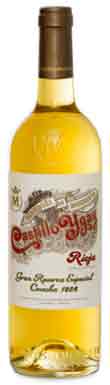

We should all age so well. Perhaps the most shocking wine I've ever tasted, the current vintage, is the 1986, as this bottling is typically...
1986
Marques de MurrietaRioja

Marques de Murrieta, Capellanía, Rioja, Alta, Northern Spain, Spain, 2018
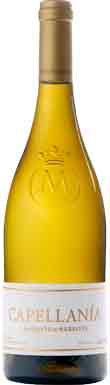
Named for the single vineyard from which it is sourced, the Capellanía is a gorgeous Viura from old vines planted in 1945. A mixed bag,...
2018
Marques de MurrietaRioja
Marques de Murrieta, Castillo Ygay Especial Gran Reserva, Rioja, Alta, Northern Spain, Spain, 2012
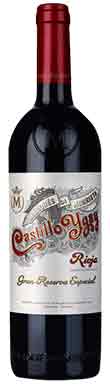
The 2012 bottling of the Ygay Gran Reserva really ups the savoury character, with the Tempranillo buoyed by 19% Mazuelo, delivering bright fruits and fresh...
2012
Marques de MurrietaRioja
Marques de Murrieta, Dalmau, Rioja, Alta, Northern Spain, Spain, 2014
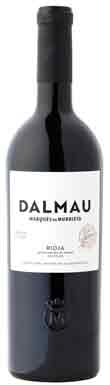
A staggering wine, Dalmau is a departure from traditional Rioja, a particular project by president Vicente Dalmau, aimed at creating a new identity of Rioja,...
2014
Marques de MurrietaRioja
Marques de Murrieta, Castillo Ygay Especial Gran Reserva, Rioja, Alta, Northern Spain, Spain, 1980
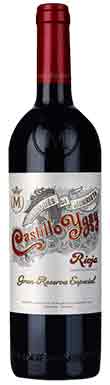
President Vicente Dalmau refers to Ygay as the icon of Marqués de Murrieta from the upper part of the estate known as La Plana. He...
1980
Marques de MurrietaRioja
Marques de Murrieta, Dalmau, Rioja, Alta, Northern Spain, Spain, 2019
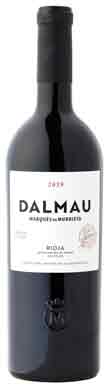
The 2019 is richly aromatic, with red and blue fruits coming to the fore, followed by fresh spearmint, eucalyptus and a streak of pencil lead....
2019
Marques de MurrietaRioja
Marques de Murrieta, Castillo Ygay Especial Gran Reserva, Rioja, Alta, Northern Spain, Spain, 2007
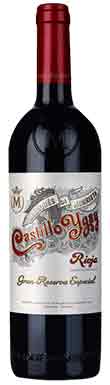
The 2007 Gran Reserva is strictly Tempranillo aged in American oak, and Mazuelo (also known as Carignan) aged in French oak. The Mazuelo does a...
2007
Marques de MurrietaRioja
Marques de Murrieta, Castillo Ygay Especial Gran Reserva, Rioja, Alta, Northern Spain, Spain, 2009
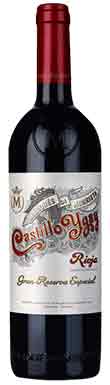
The 2009 was bottled in 2014; the Gran Reserva is sourced entirely from La Plana, located at nearly 500m and its 80-year-old vines are all...
2009
Marques de MurrietaRioja
