
Promontory: Harlan’s rugged Napa territory
Stephen Brook meets the manager and winemaker of boutique Napa winery Promontory and tastes an exclusive four-wine vertical


It was Bill Harlan’s ambition to create the Napa equivalent of a Bordeaux first growth, and to this end he walked the hills west of Oakville.
He found the land he was looking for in the 1980s but also came across an isolated spot, neighbouring Dominus, that was a few hundreds metres south of what would become Harlan Estate.
The owner wouldn’t sell it, but Harlan already had what he had been searching for. But when this remote, rugged spot came on the market in 2008 he couldn’t resist buying it.
Harlan was unsure what to do with his new purchase so asked the celebrated French viticulturalists Claude and Lydia Bourguignon to dig and analyse soil pits.
They found soil types that were immensely varied: sedimentary and volcanic but also containing schist, shale and gneiss.
Moreover, condensation from the surrounding woodlands, combined with the fog incursions so common in Napa, gave the site high humidity, though it was well ventilated too.
All this was so different from Harlan Estate (and the family’s Bond property) that there was no question of fusing them.
Unique personality
For three years the Harlan team vinified the existing grapes to get a handle on the terroir and the typicity of the wine (some vines had been planted there but the crop had been sold off). The first commercial vintage of Promontory was 2009.
Some 70% of the vineyard is being replanted, mainly with Cabernet Sauvignon, thus today only 20 hectares are in production.
Bill Harlan’s son Will manages the property and Napa-born Cory Empting, who for years has managed the various vineyards owned or managed by Bill Harlan, is the winemaker.
If Harlan Estate’s vinification is essentially classic in approach, that’s not the case at Promontory. Tannin content – and acidity – can be high here, so Empting favours short macerations.
He was impressed by the quality of Austrian casks increasingly being used for ageing Barolo, and persuaded the leading cooper, Stockinger, to export to the USA for the first time.
Promontory spends five years in these casks. Empting and Will Harlan were concerned that such long wood ageing could dry out the wine, but that has not proved to be the case.
The aim, says Empting, is to retain both focus and freshness. The wine (Cabernet Sauvignon dominant) is neither fined nor filtered before bottling. Production at present is about 25,000 bottles.
As Bill Harlan suspected all along, Promontory has a strong personality of its own, which the team is keen to preserve.
Stephen Brook rates Promontory: 2011-2014
You might also like:
Anson: Promontory and Harlan’s ‘200 year plan’
How solid is collector demand for top California wines?
Napa Valley Cabernet 10 years apart
Promontory, Napa Valley, California, USA, 2014
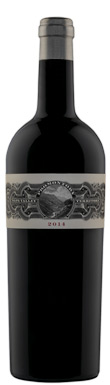

There's real exuberance on the nose in this new-release 2014, with splendid yet fresh blackcurrant aromas and considerable elegance too. Rich and full-bodied, but the...
2014
PromontoryNapa Valley

Promontory, Napa Valley, California, USA, 2013
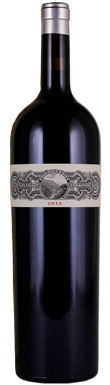
The 2013 was aged half in barriques and half in Stockinger casks, pointing the way to what would become the Promontory maturation. The nose is...
2013
PromontoryNapa Valley
Promontory, Napa Valley, California, USA, 2012
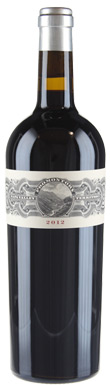
This is richer and weightier on the nose than the leaner 2011, but it's still aromatic, with resplendent blackcurrant fruit. Full bodied and very concentrated,...
2012
PromontoryNapa Valley
Promontory, Napa Valley, California, USA, 2011
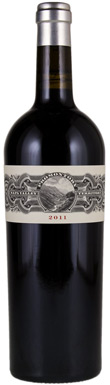
This was a cool vintage and a difficult harvest, and it does show in the final wine. The nose is fresh and pure, with lifted...
2011
PromontoryNapa Valley
