
Regional profile: Savennières
Locals admit that Savennières spent too long in the dark. Rebecca Gibb MW discovers a group of bright-eyed, sensitive producers reviving the Loire appellation’s fortunes.


Including additional tasting notes exclusively for Decanter Premium members.
A prince’s kiss rouses a cursed princess from a century of slumber in Sleeping Beauty – a fairytale illustrative of the long-comatose state of Savennières. The Loire Valley appellation has been given the kiss of life in recent years, though there was no royalty puckering up – this is the French republic after all. Instead a group of energetic newcomers has breathed new life into the region’s veins.
Scroll down for Rebecca Gibb MW’s top Savennières
The change has been a long time coming for an appellation whose potential was clear but not fully realised. Records show that this village on the right bank of the Loire was making wine long before English painter JMW Turner sketched its slopes and famous tower-like rocky outcrop La Pierre Bécherelle in 1826.
The wine village experienced success and prosperity in the 19th century, according to Evelyne de Pontbriand, a former teacher who took over the family property Domaine du Closel from her mother in 2001 and has plans to write a long-overdue history.
‘Savennières was very developed and dynamic in the 19th century,’ she says. ‘Parisians invested in wine and they built châteaux – that’s why we have 17 châteaux in and around the village. They all have a park, which was fashionable in those days, and an avenue of trees leading to the vineyard; some have an arboretum. It’s not a monoculture – it is very interesting from a landscape perspective.’ However, along came phylloxera and two world wars, so it’s no surprise that the village’s wine fortunes waned.
Savennières at a glance
Appellation Created 1952
Location Southwest of Angers on the right (north) bank of the Loire. Savennières itself sits between the villages of La Possonnière and Bouchemaine, which form the southern and northern boundaries of the appellation respectively.
Vineyards Located on the slopes perpendicular to the river.
Grape Chenin Blanc (Le Chenin is the name of the town’s restaurant)
Soils Schist, sand, volcanic-origin soils including phtanite and rhyolite
Producers 36
Total area 140ha (including 20ha of Savennières Roche aux Moines and 7ha of Coulée de Serrant)
Changing of the guard
Skip to the latter half of the 20th century and this tale sees several visionaries working together to create and shape the dormant Chenin Blanc giant. The appellation was now stirring, but in the first years of the 21st century it received the equivalent of several shots of strong espresso. This took the form of a new generation taking over the reins of their family estates: from Pontbriand to Tessa Laroche of Domaine aux Moines, plus dynamic new entrants including Damien Laureau, Eric Morgat and Thibaud Boudignon.

The changing of the Savennières guard has been accompanied by a change in mindset. While some things here don’t change – the soils are always variations on a theme of schist, sandstone and other volcanic rocks – the tending of its soils and vines is a far cry from the 1990s.
The head of the Savennières appellation, Jean-Claude Taddei, estimates that about 60% of the appellation’s 36 producers now work organically, no doubt thanks to the combined influence of biodynamic champion Nicolas Joly and consultant Clément Baraut, who ‘pushed us all forward to sustainable, then organic production,’ according to Pontbriand. ‘He asked us why we harvested so late, challenging us to vinify with less sulphur.’
In the Roche aux Moines and Coulée de Serrant vineyards, which became appellations in their own right in 2011 and 2015 respectively, organic viticulture is compulsory.
Return to nature
This move away from chemicals is not confined to the vineyard: winemakers have dramatically reduced their use of sulphur dioxide in the cellar. The antioxidant and antibacterial agent was previously used liberally – the bugs that caused the malolactic fermentation didn’t stand a chance.
Wines used to be bottled soon after harvest, but that’s changed since the 2000s. René Pepin at Château Pierre-Bise says: ‘If you don’t want to do the malolactic conversion you have to add sulphur dioxide or keep the wine cold, and that’s really difficult.’ Malolactic commonly occurs partially or fully in Savennières today, but there’s no hard and fast rule.

Nature has also played its role in the current Savennières style. Climate change has brought harvest dates forward, according to Tessa Laroche of Domaine aux Moines, a château that surveys the Roche aux Moines vineyard as it descends to the river below. ‘We now pick in September and get 14% alcohol, whereas we used to pick in October and get 12.5%. We want freshness – that’s why we don’t go on holiday in September,’ she says.
The influence of climate change in combination with malolactic fermentation means the wines now don’t need 20 years in bottle before they are ready to drink, suiting current trends. ‘When I started [in 2001], Savennières was a wine for cellaring, but we don’t speak about them like that any more,’ confirms Laroche. The wines have less acidity because of climate change, and people – me included – want to drink their wines younger.’
Chenin revolution
The non-aromatic grape variety of Savennières, Chenin Blanc, is the vehicle to express the 46 lieux-dits across its 140ha. It is far from easy to grow successfully.
Eric Morgat took up the challenge in 1999, buying an abandoned parcel of vines. Chenin Blanc was out of favour with his parents and grandparents – growers on the other side of the river in Layon – due to its unevening ripening, which means a parcel needs to be picked on several different occasions. It can produce bitter wines if not handled correctly.
‘Chenin Blanc is demanding here in terms of viticulture because of the poor, schist soils. You need to do a lot of work in the vineyard because it has very thick skins: it can be vegetal and produce tannic wines,’ explains Morgat. When handled with care, however, the wines are powerful and structured with intense minerality and freshness.
Quality is high to exceptional across this small appellation, and yet its president Taddei admits that it is still little known – even in France. ‘It has a good reputation, but in a very small circle. It’s very well appreciated but it isn’t the first wine that people think of asking for – they demand wines that are better known like Sancerre or Burgundy.
‘But things are changing,’ he adds. A new generation of producers with both organic and fine wine ambitions are waking this sleeping beauty from her slumber.
Savennières: Names to know
Château Pierre-Bise
You won’t find anyone called Pierre Bise here – it’s the name of a village, a short drive away from Savennières across the Loire. The Papin family has owned this domaine since 1959 and winemaker René Papin is now at the helm. He makes three impressive single-vineyard Savennières: an ageworthy Roche aux Moines, the elegant Clos de Coulaine and impressive Clos de Grand Beaupréau
Damien Laureau
If you haven’t yet tried Laureau’s wines, it’s time they appeared on your shopping list. Born to a cereal-farming family in Versailles, he arrived in Savennières in 1999, and has gradually acquired parcels around the appellation including the illustrious La Roche aux Moines. His cuvée Le Bel Ouvrage from schistous soils is pure, intense and precise, while Les Genêts, sourced from sandstone and schist, is fine with scintillating aromas.
Domaine aux Moines
The parents of current custodian Tessa Laroche bought the domaine in 1981 and its style has changed with the times: it is now organic, and biodynamic farming is practised; you won’t see any botrytised fruit in the wine these days and, with reduced use of sulphur, malolactic is common. Wines are barrel-fermented, producing a rich, powerful style that can be enjoyed from four years onwards.
Domaine des Baumard
Despite Jean Baumard’s best efforts to put his son off taking over the family wine business, Florent Baumard joined his father at the domaine in 1987. The wines are full, supple and powerful. The intense Trie Spéciale is made from a selection of the ripest grapes and was only produced four times between 2003 and 2014. The Clos du Papillon bottling is satisfying and long-lived. The domaine’s wines are rare for an additional reason – they have been bottled under screwcap since 2003. When Florent isn’t running his domaine, you can find him kitesurfing on the Loire.
Domaine du Closel
Since taking over from her mother in 2001, former French literature teacher Evelyne de Pontbriand has been questioning the old techniques, embracing organic and biodynamic practices in her prized parcels Clos du Papillon and Les Caillardières, and minimising sulphur, enabling malolactic fermentation. She is a champion of the appellation and her wines should also be championed: they are harmonious, balanced and poised. Cuvée La Jalousie provides an affordable entry point.
Eric Morgat
A relative newcomer, Morgat first bought an abandoned Savennières vineyard in 1999. A meticulous vigneron and sensitive winemaker, he makes seductive, structured barrel-fermented Savennières. Fidès is his main cuvée and in 2015, after more than 10 years’ restoration work, he introduced Clos Serteaux as a single-vineyard bottling.
Thibaud Boudignon
Bordeaux-born and Burgundy-trained, Boudignon travelled to the Loire when he bagged a winemaking role at Château Soucherie. The newest of newcomers, it is his eponymous project that has had critics salivating at first taste. He now grows, makes and lives in Savennières, tending his organic vineyards. His two cuvées, Clos de la Hutte and Les Fougerais, are guided with sensitivity to the bottle, providing a transparent expression of place.
Coulée de Serrant
Biodynamic champion Nicolas Joly and his winemaker daughter Virginie push boundaries on the steep vineyard slopes of the Coulée de Serrant vineyard and La Roche aux Moines. They’re not afraid to include a small percentage of botrytised fruit in the dry wines, which contributes to higher, albeit integrated alcohol levels. Expect an atypical style of Savennières.

Rebecca’s top Savennières worth seeking out:
You may also like:Loire 2018 preview: appellations to know & top winesFrom the archive: Dry Loire Chenin Blanc – panel tasting resultsDomaine Huet: Profile and tasting report on latest releases
Château Pierre Bise, Savennières, La-Roche-aux-Moines, Loire, France, 2015
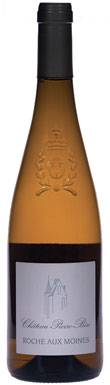

Subtle nose with floral scents. You just feel like you want to sink into it: gorgeous in the mouth thanks to a year on the...
2015
Château Pierre BiseSavennières

Damien Laureau, Le Bel Ouvrage, Savennières, Loire, France, 2015
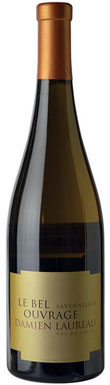
Intense and focused, mainly from schistous soils, giving the wine a dart-like precision. Fermented and aged in barrel (10% new), yet there’s no sense of...
2015
Damien LaureauSavennières
Domaine Eric Morgat, Clos Serteaux, Savennières, Loire, France, 2015
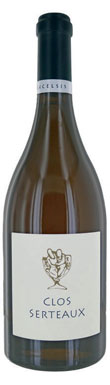
The first vintage released as a single bottling after 10 years of reviving the vineyard, and oh my word... On entry, it is seduction in...
2015
Domaine Eric MorgatSavennières
Château Pierre Bise, Savennières, La-Roche-aux-Moines, Loire, France, 2005
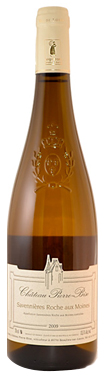
A rich and impressive wine with wonderful depth and focus. It's balanced and hugely concentrated thanks to the 33hl/ha yield - although that's pretty reasonable...
2005
Château Pierre BiseSavennières
Damien Laureau, Les Genêts, Savennières, Loire, France, 2015
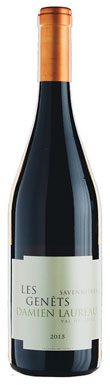
From varied soils including sandstone and schist. Pure apple skin and a hint of floral, wonderful mid-palate density without being too intense (28hl/ha yields). A...
2015
Damien LaureauSavennières
Domaine aux Moines, Savennières, La-Roche-aux-Moines, Loire, France, 2016
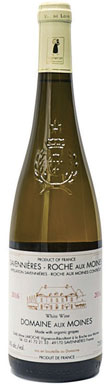
Powerful style with lashings of apple fruit, citrus and nutty savoury characters. A high level of concentration (yields were a woeful 20hl/ha due to spring/early...
2016
Domaine aux MoinesSavennières
Domaine du Closel, Clos du Papillon, Savennières, Loire, France, 2016
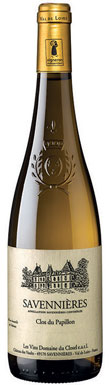
Immediately balanced and harmonious; delicate yet with a lovely plumpness on the mid-palate. Plenty of intensity (25hl/ha, 35-year-old vines), but not overstated, with a very...
2016
Domaine du CloselSavennières
Domaine du Closel, Les Caillardières, Savennières, Loire, France, 2016
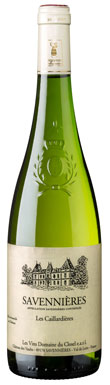
Richly aromatic with apple skin and floral notes. Round and satisfying, capturing depth on the palate with an ease of balance in terms of acidity...
2016
Domaine du CloselSavennières
Domaine des Baumard, Trie Spéciale, Savennières, Loire, France, 2014
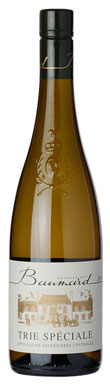
A cuvée only produced occasionally, the first vintage in 1989 and the last in 2010, 2007 and 2003. Manages lovely florality alongside apple and almond,...
2014
Domaine des BaumardSavennières
Domaine Eric Morgat, Fides, Savennières, Loire, France, 2016
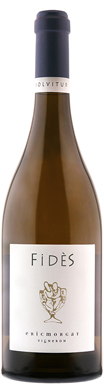
This is a silken and expansive Savennières. Barrel fermentation and elevage has created a seamless effect with subtle oak-derived hazelnut-like characters and a creamy texture....
2016
Domaine Eric MorgatSavennières
Domaine aux Moines, Savennières, La-Roche-aux-Moines, Loire, France, 2015
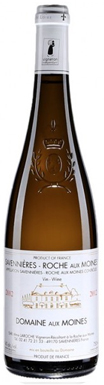
This has a floral expression reminiscent of a posh talcum powder. Medium in body, it's not as powerfully impressive nor richly fruited as the 2016,...
2015
Domaine aux MoinesSavennières
Château Pierre Bise, Clos de Coulaine, Savennières, Loire, France, 2016
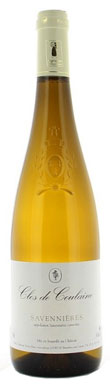
A lively and structured little number, all talc and florals on the nose. Elegant, and lighter than the Le Grand Beaupréau, with finer bone structure,...
2016
Château Pierre BiseSavennières
Château Pierre Bise, Clos Le Grand Beaupréau, Savennières, Loire, France, 2016
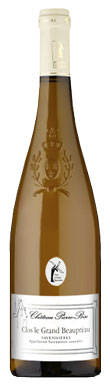
Hugely satisfying, caressing the palate with its richness and gentle texture, leaving a lingering finish reminiscent of baked apples, honey and apricots. High levels of...
2016
Château Pierre BiseSavennières
Château de la Roche aux Moines, Clos de la Coulée de Serrant, Savennières, Coulée de Serrant, Loire, France, 2016
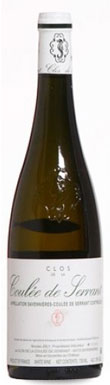
From the Joly family’s monopole vineyard. Rain at flowering led to miserly yields of 15hl/ha. Medium- to full-bodied with an underlying energy. Slight warmth on...
2016
Château de la Roche aux MoinesSavennières
Domaine FL, Savennières, La-Roche-aux-Moines, Loire, France, 2014
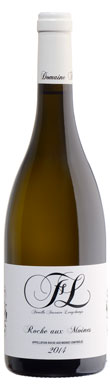
A full and supple example with seemingly unceasing mouthwatering acidity. Starting to open up with a hint of almond in addition to the citrus fruit....
2014
Domaine FLSavennières
Domaine des Baumard, Clos du Papillon, Savennières, Loire, France, 2007
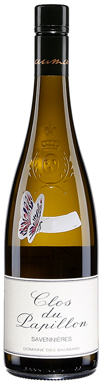
Rich, impressive, full-bodied and powerful, there is lots of flavour development in evidence here, but there's also plenty of freshness along with notes of apples,...
2007
Domaine des BaumardSavennières
Domaine des Baumard, Clos du Papillon, Savennières, Loire, France, 2015
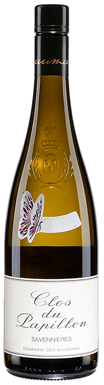
A full-bodied style that's starting to open up and expand. It has a creamy mid-palate with masses of concentration. This richness is wrapped up with...
2015
Domaine des BaumardSavennières
Domaine des Baumard, Clos du Papillon, Savennières, Loire, France, 2013
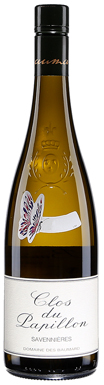
A round and supple style with mouthcoating tannins. There are savoury hints of bottle-age starting to emerge as lime and almond characters. Ripe phenolics on...
2013
Domaine des BaumardSavennières
Château Pierre Bise, Roche Aux Moines, Savennières, La-Roche-aux-Moines, Loire, France, 2008
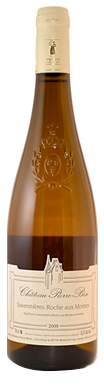
At 10 years old this has taken on baked apple, dried fruit and honeyed notes. Despite being a cooler year in Savennières, there's depth on...
2008
Château Pierre BiseSavennières
Domaine de la Bergerie, Clos le Grand Beaupreau, Savennières, Loire, France, 2015
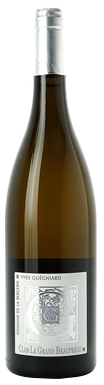
A ripe, full style with oak-derived sweet notes melding with ripe apple and pineapple. It's impressive on the entry, offering lots of concentration derived from...
2015
Domaine de la BergerieSavennières
Domaine des Forges, Savennières, La-Roche-aux-Moines, Loire, France, 2017
Rich, round and impressive, this fills the mouth with quince, beeswax and floral notes. There's huge structure here, no doubt due to the wonderful Roche...
2017
Domaine des ForgesSavennières
