
Rías Baixas: Regional profile plus 10 wines worth seeking out
Spain’s ‘top left corner’ stands out for its verdant countryside and dramatic Atlantic coastline, its calling card the increasingly popular Albariño whites. Here are the essentials on the region, its producers and wines.


The rain in Spain falls mainly in Galicia. OK, that’s an exaggeration. There are other parts of the country that are wet – the coast of the Basque country, for instance – but when I visit, Spain’s Atlantic northwest corner always seems to be under a damp duvet of clouds.
Santiago de Compostela, the most famous city in the region, is one of the two wettest in Spain (according to Aemet data, 1981-2010), along with San Sebastián.
Following close behind are Pontevedra, A Coruña and Vigo, all of them in Galicia. The southern viticultural regions of Condado do Tea and O Rosal, located on the border with Portugal, are certainly warmer and drier, but we’re not talking La Mancha.
No wonder Galicians consider morriña (melancholy) to be part of their DNA.
Scroll down to see Tim Atkin’s 1o Rías Baixas wines to try
Climate change is affecting Galicia, of course – with the exception of the late-picked 2021 growing season, recent harvests have been hotter and (relatively speaking) drier – but this is still a cool, drizzly place to grow grapes.
Organic viticulture may be inadvisable because of the risk of vineyard diseases, but the prevailing conditions are well suited to the production of the fresh, tangy white wines that have made Galicia’s name over the last couple of decades, especially with Albariño in its best sub-region, the Val do Salnés.
Ancient history
Albariño – known as Alvarinho in nearby Portugal, where it is one of the mainstays of Vinho Verde – has been in Galicia for a very long time. It was definitely here when the Romans arrived and quite possibly before that, if recent archaeological finds in the city of Vigo are a reliable guide. Albariño, you see, has thick skin, which is useful in a wet region, and good levels of natural acidity that are the perfect foil for the local seafood.
It’s hard to think of another white grape that has enjoyed such success over the last two decades. Italian Pinot Grigio perhaps, but Albariño has greater cachet and higher prices, and is a superior variety. The curious thing is that Albariño was virtually unknown, even in its home from home, 50 years ago. ‘In the 1970s, the main grape was red Espadeiro,’ says Eulogio Pomares of Zárate. ‘In fact, 80% of the vineyards were red.’ Albariño was almost insignificant, with just 200ha under vine. Today, the grape accounts for a whopping 4,086ha.
What changed its fortunes? Once the Rías Baixas Denominación de Origen was created in 1988, Galicians began to realise the appeal of Albariño. It had always had its fans – the annual festival dedicated to the grape in the town of Cambados dates back to the early 1950s – but they were in a minority. Little by little, Albariño began to establish a reputation as a world-class variety: one with ageing potential, too. Pazo de Señorans, in particular, specialises in bottle-matured versions of the grape with its Selecciones de Añada, of which the current release is the 2013. Most Albariño is drunk young – it can legally be sold from the point in November when the DO control body validates the vintage, typically around the 20th – but the majority of those drinkers are missing out on one of its greatest assets.

Rías Baixas at a glance
DO Established 1988, the largest of Galicia’s five DOs. (The others are Monterrei, Ribeiro, Ribeira Sacra and Valdeorras)
Region Part of so-called ‘green Spain’, located in the northwest corner of the country. A region of high rainfall, especially in the north, with rivers, estuaries and, of course, the Atlantic coast
Major cities A Coruña and Vigo; Santiago de Compostela, also famous as a pilgrimage destination
Planted area 4,329ha – divided between five very different sub-zones: Val do Salnés (the biggest), Condado do Tea, O Rosal, Soutomaior and Ribeira do Ulla
Soils Mostly granite with some clay, gravel, sand and schist
Wineries The region has 179 bodegas, 5,011 growers and a remarkable 22,832 individual plots, many of which are tiny
Annual production About 37.3m bottles
Grapes Mostly Albariño (94% of plantings). The remainder is made up of (whites) Caíño Blanco, Godello, Loureira Blanca, Torrontés and Treixadura; (reds) Brancellao, Caíño Tinto, Castañal, Loureira Tinta, Mencía, Pedral and Sousón
[Source: DO Rías Baixas, 2022]
What about the reds?

Albariño may be the star turn in these parts, with more than 94% of Rías Baixas’ 4,329ha, but the region has a supporting cast, too, some of which are only grown in this northwest corner of the Iberian peninsula: Caíño Blanco, Godello, Loureira, Treixadura and Torrontés. Standalone examples of these grapes are rare, but two of the region’s five sub regions – O Rosal and Condado de Tea – specialise in blends. Albariño generally partners well with other grapes, especially Loureira and Treixadura.
The region’s reds also deserve a mention. Often rare grapes such as Brancellao, Caíño Tinto, Castañal, Espadeiro, Mencía and Pedral account for only 1.2% of plantings, but for me, they are some of the most distinctive Spanish tintos: tangy, bright, elegant and thirst-quenching, with more presence and structure than you might imagine. If you love the wines of DOs Ribeira Sacra and Bierzo (the latter just over the border in the Castilla y León region), you’ll adore these.
No one seems in a rush to plant more red vineyards, partly because yields are about one third of those of Albariño, but climate change has made it much easier to produce good wines every year. ‘We’re picking two weeks earlier than we were 15 years ago,’ says Paco Arenas of Señorío de Rubios, one of 26 bodegas that make red wines. Apart from Señorío de Rubios, other red producers to look out for are Albamar, Attis, Zárate and especially Forjas del Salnés, where Rodri Méndez works with Bierzo superstar Raúl Pérez.
Know your vintages: Rías Baixas
2022 Unusually hot, dry vintage, with some welcome rains just before harvest, which added volume and freshness to the grapes. Potential quality outstanding.
2021 A very cool vintage, with low temperatures in the summer that barely touched 30°C. Alcohols lower than in recent vintages, with marked acidity in some wines. Quality mixed.
2020 The Covid vintage. Botrytis in some vineyards and reasonably warm. Ripe, full-flavoured wines with balancing acidity in the best
areas, especially the Val do Salnés.
2019 Dry vintage with above- average temperatures. Yields were lower than usual, producing wines that are generally ripe and concentrated.
2018 A cool, humid spring, late flowering. A late vintage of good rather than spectacular quality that was saved by August sunshine.
2017 Early flowering followed by a typical summer of moderate to warm temperatures. Overall crop comparatively large. Decent quality.
Shape shifter
I’m a huge fan of these reds, but there’s no denying the celebrity of Rías Baixas is tied to Albariño. Wine drinkers imagine that it’s reassuringly predictable, but it’s actually protean, capable of many different expressions. There are several important influences. One is soil type: as well as predominant granite, the region’s vineyards contain lesser percentages of sand and schist, among other things, which affect the structure of resulting wines. Water is a second crucial factor, and not just rainfall. How close they are to the Atlantic, or to one of the four estuaries (rías) after which the DO is named, tends to increase freshness and salinity in whites as well as reds. And then there are things such as sunshine hours, altitude (never very high, but there are variations), aspect and picking dates.
It’s possible to manipulate Albariño in the bodega, too. The style favoured by most winemakers is temperature-controlled stainless steel fermentation, usually with lees contact for texture. But open your eyes as you walk around a few cellars, and you can see a range of containers: foudres, concrete tanks, flexitanks, even granite eggs, patented by local producer Santiago Roma and hewn from the local bedrock. Also relevant is the use of malolactic fermentation – widely used to soften the sometimes tart 2021s – as well as pressing cycles on a grape with such thick skins.
Albariño’s only problem – and it’s a nice one – is that it’s almost too popular. Could it become a victim of its own success? Volumes have grown tenfold over the last 30 years. The worry is that demand will outstrip supply. No wonder the region’s 5,011 grape growers look so happy, as the majority of the 179 bodegas buy grapes from them. Prices are spiralling upwards, at least for now, and have risen steeply since 2019 to a high for some producers of €3.20 per kilogram in 2022. Is this sustainable? In the current economic climate, it’s a pressing question.
Eight Rías Baixas names to know
Albamar

Xurxo Alba makes an impressive range of reds and whites from his family’s 8ha in Cambados, as well as purchased grapes. The top wine is Sesenta
y Nove Arrobas, an ageworthy, unwooded, old-vine Albariño from five parcels, but the reds, especially the Espadeiro and Mencía are worth a detour. @albamarbodegas
Attis
Brothers Robustiano and Baldomero Fariña farm mussels as well as 13ha of vineyards in the Val do Salnés. The range is extensive and reliably good, including the best orange wine in the region, Sitta Doliola, as well as an extensive line-up of thirst-quenching varietal reds made from Brancellao, Caíño Tinto, Espadeiro and Pedral.
Forjas del Salnes
If anyone qualifies as a cult winemaker in Rías Baixas, then it’s arguably self-effacing Rodri Méndez, who has benefited from the advice of Bierzo’s superstar producer, Raúl Pérez, when it comes to his reds (Goliardo is a total bargain). The Leirana Areas de Arra Albariño, sourced from a single parcel on ‘beach sand’ is among Spain’s greatest whites. @bodegaforjasdelsalnes
Lagar de Costa
The brother and sister team of Manuel and Sonia Costa have taken this small family winery in Castrelo to new heights. Their 7ha are Atlantic-influenced – one of them is just 15 metres from the waves – and produce wines of stony, saline intensity. The pick of the range is the single-vineyard Calabobos, named after the persistent Galician drizzle.
Palacio de Fefiñanes
Located on the main square in Cambados, Fefiñanes was the first bodega to bottle a varietal Albariño back in 1928. Grapes are sourced almost exclusively from local growers and quality is high. The best-seller is Albariño de Fefiñanes, but Cristina Mantilla also makes a barrel-aged white (1583) and the salty, long-lived III Año.
Pazo de Señorans
Very much a winery with a female touch – Ana Quintela is the winemaker and Marisol Bueno the owner and the DO’s first president in 1988 – Pazo de Señorans is a textbook Albariño producer. The most interesting wine here is the Selección de Añada, from 4ha of old vines on slopes, which is generally released after a decade in bottle.
Santiago Roma
Less well known than he should be, Santiago Roma farms just 6ha in Ribadumia. Everything he makes is delicious, from his Colleita to his estate Albariño to his Selección. But the most exciting and unusual wine here is Pedranai, fermented and lees-aged in a specially designed granite egg. There are only 600 bottles, alas, but it’s stunning.
Zarate

Eulogio Pomares began making wine with his aunts and the chef de cave of Zárate’s distinguished late founder Ernesto Zárate. Pomares studied oenology
in Bordeaux, returning to Galicia for the 1999 harvest and taking full charge from 2000. With a profound knowledge of the history of Rías Baixas, he and his wife Rebecca make a brilliant range of whites and reds from 12 parcels covering 10ha. My favourites are two of their single-vineyard Albariños: Tras da Viña and the richer El Palomar.
Atkin’s Atlantic 10: a taste of Rías Baixas
Related articles
Pazo de Señoráns, Selección de Añada, Rías Baixas, Rías Baixas, Spain, 2012
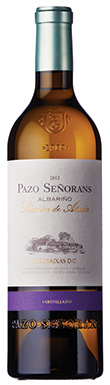

Anyone who still doubts Albariño's ability to age as well as top Riesling or Chenin Blanc should get hold of a bottle of this stunning...
2012
Pazo de SeñoránsRías Baixas

Adega Pombal a Lanzada, As Bateas, Rías Baixas, Spain, 2015
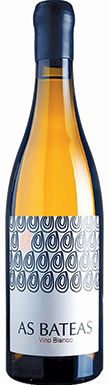
Right from its first vintage in 2012, As Bateas was conceived as a wine to age. Originally rejected three times by the DO's official tasting...
2015
Adega Pombal a Lanzada
Albamar, Sesenta e Nova Arrobas, Rías Baixas, Rías Baixas, Spain, 2020
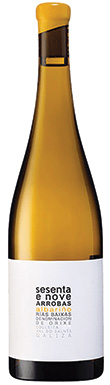
A brand I first sampled as part of the tasting menu at Can Roca restaurant in Girona, Sesente e Nove Arrobas is consistently among Rías...
2020
AlbamarRías Baixas
Zarate, El Palomar, Rías Baixas, Rías Baixas, Spain, 2020
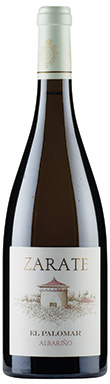
El Palomar is a 0.55-hectare plot situated next to Eulogio Pomares' house that was planted in the 1870s, making it one of the oldest vineyards...
2020
ZarateRías Baixas
Santiago Roma, Albariño, Rías Baixas, Rías Baixas, Spain, 2021
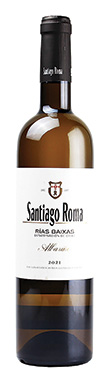
Bottled with a little carbon dioxide after ageing for five months on its lees, this is the kind of thing that was traditionally sold in...
2021
Santiago RomaRías Baixas
Bodegas Fulcro, A Padreira Albariño, Rías Baixas, Rías Baixas, Spain, 2021
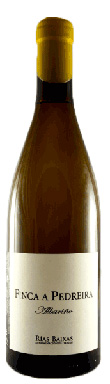
Now made from a series of small plots between Cambados and Sanxexno - it used to be a single vineyard wine - this is a...
2021
Bodegas FulcroRías Baixas
Bodegas del Palacio de Fefiñanes, Albariño, Rías Baixas, Rías Baixas, Spain, 2021
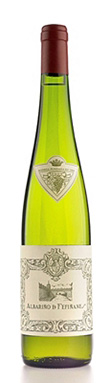
One of those textbook Albariños that delivers the goods, year in, year out, this is a very pure expression of the grape, with no lees...
2021
Bodegas del Palacio de FefiñanesRías Baixas
Granbazán, Etiqueta Ambar, Rías Baixas, Rías Baixas, Spain, 2021
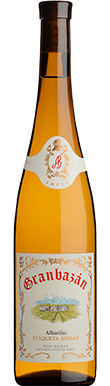
Something of a calling card for Granbazán, this 150,000-bottle white is produced with equal amounts of purchased and home-grown grapes. Macerated on skins for eight...
2021
GranbazánRías Baixas
Fillaboa, Selección Finca Monte Alto, Rías Baixas, Rías Baixas, Spain, 2019
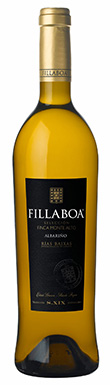
Selección is made with grapes from the seven-hectare Finca Monte Alto planted in the late 1980s and is very much a riper O Rosal expression...
2019
FillaboaRías Baixas
Forjas del Salnes, Goliardo Tintos de Mar, Rías Baixas, Rías Baixas, Spain, 2020
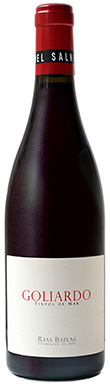
Tintos de Mar - reds of the sea - says it all here. Based on Caíño Tinto, with 30% Espadeira, Loureiro and Sousón for support,...
2020
Forjas del SalnesRías Baixas
