
Rosso di Montalcino: No longer a ‘baby Brunello’?
Rosso di Montalcino has long been considered a 'baby Brunello', but as Aldo Fiordelli finds out, it's starting to stand on its own two feet at last.


Though its quantity remains unchanged, Rosso di Montalcino’s identity is becoming more defined and it seems to be at the centre of a tug of war.
Born in the 1960s as ‘vino rosso dai vigneti di Brunello’ – red wine from the vineyards of Brunello – its potential is based on similarities with its big brother: 100% Sangiovese from the village of Montalcino, planted over some of the oldest soils in the area.
Scroll down to see tasting notes and scores for 15 top Rosso di Montalcino wines
Here, the ripening of the high-toned, nervy flagship grape of the region is understated and Rosso di Montalcino can easily achieve complexity, expressing its savoury schisty finish even without ambitious winemaking – its best quality, in my opinion.
One of the main differences between Rosso and Brunello di Montalcino is the ageing. Rosso di Montalcino is shorter; just one year of ageing is required by law, and it can be, in theory, aged without any oak. This is not necessarily bad news for the fresher style sought out today by so many consumers.
Another key characteristic of Rosso is its affordable price, which can at the same time be a limiting factor for producers. ‘We can find very good wines for 15 to 20 Euros, but if too low, the price penalises Rosso di Montalcino,’ states Fabrizio Bindocci, recently re-elected president of Consorzio Montalcino.
With both Rosso and Brunello in high demand, it is inconceivable to increase the quantity of the former at the expense of the latter; it’s simply reflected in the numbers. According to the Consorzio, the production of Rosso di Montalcino currently amounts to four million bottles – less than half of the total quantity of Brunello.
There are only 510 hectares in Montalcino exclusively dedicated to the production of Rosso, but this DOC wine can also be the result of declassified Brunello grapes. ‘Today 40% of Rosso di Montalcino is made using declassified grapes for Brunello,’ says Enrico Viglierchio, CEO of Banfi. ‘Indeed, there is a shortage of Rosso due to the increased market potential of Brunello, but also because it would be unimaginable to produce Rosso with grapes not good enough for the DOCG [Brunello di Montalcino].’
The appellation is discussing the possibility of enlarging the area of land available for Rosso production, but there is nothing official at the moment.
What can be observed instead is a new trend: during ‘Red Montalcino’ – the first edition of a sort of anteprima tasting dedicated solely to Rosso di Montalcino DOC held in June – it was revealed that many producers are labelling selections of Rosso di Montalcino; a kind of premiumisation of Rosso. Many of these selections boast two years of ageing, rather than the one year minimum.
Vineyard selections include the young vines in ‘Rossofonte’ from Ciacci Piccolomini d’Aragona, and the old vines in Casanova di Neri’s ‘Giovanni Neri’, but Rosso di Montalcino has also been used to debut the next generation of winemaker at Il Marroneto with the launch of Iacopo, named after Alessandro Mori’s son. Iacopo is a selection of wine in big oak vessels (botti) likely to become Brunello di Montalcino, but which is bottled as a top Rosso instead.
‘A sprinter versus a marathon runner’ – Violante Gardini
So, are we back to identifying the best Rosso di Montalcino as ‘baby Brunello’? It is certainly not the only definition. ‘The rise in crus for Rosso is good news – it proves that the estates are investing in quality,’ commented Bindocci during a workshop about the DOC. ‘Rosso is not a baby Brunello,’ added Violante Gardini, Donatella Cinelli Colombini’s daughter, ‘it is a sprinter versus a marathon runner.’
In the same context, more definitions were proposed for Rosso: ‘Less expensive than Brunello’; ‘young wine for young people’; ‘an emerging wine for Montalcino’. The last definition would probably be the most ideal slogan for this wine. Its shorter ageing compared to Brunello, especially nowadays, is a gift for both producers and consumers in terms of fragrance and freshness. Moreover, in cooler vintages it is considered acceptable for wineries to produce lighter styles of Rosso – easier to drink and softer – while Brunello is always expected to be full and extracted.
This makes Rosso a great contemporary wine. The biggest surprise, however, even with subtler winemaking, could be Rosso di Montalcino’s ageing potential. During a dinner in Montalcino, Riccardo Illy opened two bottles of Mastrojanni 1984 blind: one was Brunello and one was Rosso. Nobody, including me (sorry!) was able to identify the Rosso at nearly 40 years of age. A vertical tasting of several different labels further proved the great potential of the DOC.
Aldo’s top Rosso di Montalcino wines
Related articles
Chianti Classico new releases: Best buys in 2022
Il Marroneto: Producer profile & 10 wines rated
Decanter New York Fine Wine Encounter masterclass: Brunello di Montalcino 2013
Il Marroneto, Iacopo, Rosso di Montalcino, Tuscany, Italy, 2019
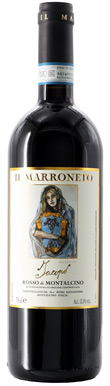

Iacopo Mori, the next generation at Il Marroneto, has blended this Rosso as a cuvée from barrels of potential Brunello during the ageing process. This...
2019
Il MarronetoRosso di Montalcino

Poggio di Sotto, Rosso di Montalcino, Tuscany, Italy, 2019
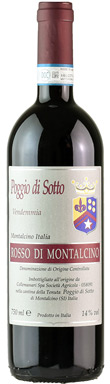
Poggio di Sotto is well known for its Rosso as well as for its Brunello. One of the most expensive and celebrated Rosso labels in...
2019
Poggio di SottoRosso di Montalcino
Giuseppe Gorelli, Rosso di Montalcino, Tuscany, Italy, 2019
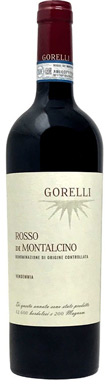
Waiting for his first Brunello next year, Giuseppe Gorelli impressed with his second vintage of Rosso di Montalcino. Since 2017, he has managed 6.5 hectares...
2019
Giuseppe GorelliRosso di Montalcino
Fossacolle, Rosso di Montalcino, Tuscany, Italy, 2020
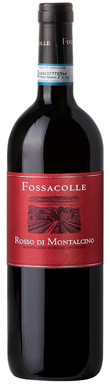
Fossacolle manages four hectares in Tavernelle, a southern village within the Montalcino appellation but quite high in altitude and surrounded by forest. Here, Sangiovese Grosso...
2020
FossacolleRosso di Montalcino
Fattoi, Rosso di Montalcino, Tuscany, Italy, 2020
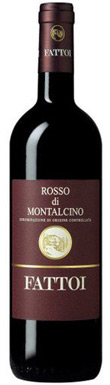
Fattoi is one of the most consistent viticulturists in Montalcino, producing 25,000 bottles of Rosso. The 2020 is very classic, with violet and black cherry...
2020
FattoiRosso di Montalcino
Casanova di Neri, Giovanni Neri, Rosso di Montalcino, Tuscany, Italy, 2020
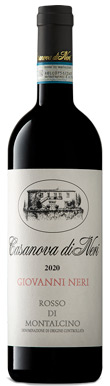
Giovanni Neri is the first line of Rosso di Montalcino dedicated to the founder of the estate. It comes from Sesta vineyard, purchased in 2017...
2020
Casanova di NeriRosso di Montalcino
Ciacci Piccolomini d'Aragona, Rossofonte, Rosso di Montalcino, Tuscany, Italy, 2019
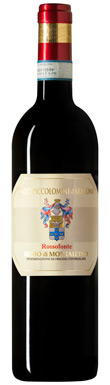
A selection in the vineyard from younger vines, aged for two years in botte grande. Tar, smoky woodland, liquorice and helichrysum are combined with raspberry...
2019
Ciacci Piccolomini d'AragonaRosso di Montalcino
La Fortuna, Rosso di Montalcino, Tuscany, Italy, 2020
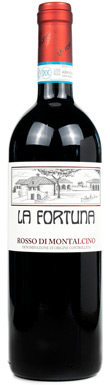
La Fortuna is an old estate in Montalcino, managed since the founding of the appellation, fiercely genuine in style. The ageing here is for six...
2020
La FortunaRosso di Montalcino
Corte dei Venti, Rosso di Montalcino, Tuscany, Italy, 2020
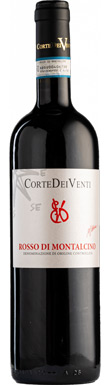
The graceful character of this side of Montalcino is, if possible, enhanced by the roundness of the 2020 vintage. Here, the Sangiovese Grosso is handled...
2020
Corte dei VentiRosso di Montalcino
Franco Pacenti, Rosso di Montalcino, Tuscany, Italy, 2019
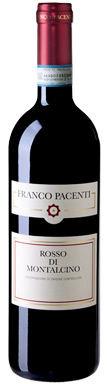
A tribute to the freshness and precision of Sangiovese, this Rosso has a very bright ruby-garnet colour with aromas of raspberry, violet and savoury rhubarb....
2019
Franco PacentiRosso di Montalcino
San Lorenzo, Rosso di Montalcino, Tuscany, Italy, 2020
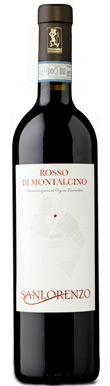
Typically sorted from younger vines of the estate, this Rosso is characterised by the altitude: 500 metres above sea level. Violet dominates the nose, with...
2020
San LorenzoRosso di Montalcino
San Guglielmo, Rosso di Montalcino, Tuscany, Italy, 2019
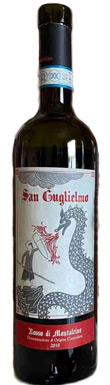
San Guglielmo is a small estate on schist soils in the western part of the appellation, and this 2019 Rosso is the first vintage. The...
2019
San GuglielmoRosso di Montalcino
Argiano, Rosso di Montalcino, Tuscany, Italy, 2020
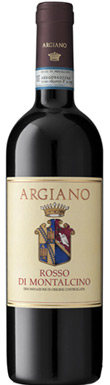
From the southern part of the appellation but at a relatively good altitude of between 280 and 310 metres above sea level, this Rosso shines...
2020
ArgianoRosso di Montalcino
Col d'Orcia, Banditella, Rosso di Montalcino, Tuscany, Italy, 2019
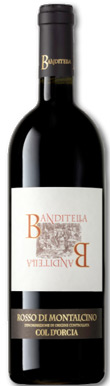
Banditella is a vineyard on the hill of Sant'Angelo in Colle, on the southern side of Montalcino at 250-300 metres above sea level. Planted in...
2019
Col d'OrciaRosso di Montalcino
Fattoria dei Barbi, Rosso di Montalcino, Tuscany, Italy, 2020
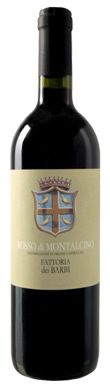
Barbi lies southeast of Montalcino at high altitude and is one of the oldest and well known estates. Its Rosso is extremely fresh, with peony,...
2020
Fattoria dei BarbiRosso di Montalcino
