
Rotundone: the science behind ‘pepper’ in wine


With some wines, you could be forgiven for thinking someone had sneakily ground some pepper into your glass. But there’s very good reason for it, says Matt Walls...
What’s your favourite smell? For some it’s newly mown grass; for others, sizzling bacon. For me, it’s freshly ground black pepper. I still remember the first time someone drew my attention to its aroma in a glass of Rhône Syrah; since then I’ve been insatiable. But it’s not just that Syrah occasionally smells like black pepper – Syrah grapes contain the exact same flavour compound that you find in peppercorns, and it survives the fermentation process to end up in your glass. It’s a chemical called rotundone and its fascinating properties have only recently come to light.
Scroll down for Matt’s pick of six wines for a taste of pepper
In the late 1990s, the trend in Australian Shiraz started to move from a bold, powerful style to a more elegant, spicy one. Winemakers began asking the Australian Wine Research Institute (AWRI) how they might accentuate the spicy element in their wines. In 1999 AWRI decided to investigate, but it took them until 2005 to identify the source of this peppery aroma. ‘It was quite a significant moment in terms of flavour chemistry,’ says Con Simos at AWRI. ‘We let our researchers have a bit of Champagne,’ he adds with a wry smile.David Jeffery at AWRI observes that the discovery was down to ‘a combination of staff dedication, advanced instrumental techniques, serendipity, synthetic capability and collaboration’. His report refers to ‘gas chromatography-mass spectrometry-olfactometry’ – ‘a technical way of saying that compounds in grape and wine samples were separated on an instrument and sniffed.’Named rotundone as it was first identified in a plant called nut grass weed (Cyperus rotundus), this naturally occurring chemical compound is now believed to be the cause of ‘pepperiness’ in all plants that display this characteristic, in varying concentrations. White pepper contains around 2,025,000 nanograms per kilogram (ng/kg); black pepper 1,205,000ng/kg; marjoram 208,000ng/kg; rosemary 86,000ng/kg; oregano 1,000ng/kg; ‘peppery’ grapes just 190ng/kg. The sensory threshold for humans is 8ng/l in water or 16ng/l in wine. A nanogram is one billionth (1/1,000,000,000) of a gram by the way – the human nose is sensitive. But not everyone can detect it: 20% of panellists at AWRI couldn’t smell it, even at high concentrations.
Mystery ingredient
Rotundone has been found in other grapes since, including Pinot Noir, Pineau d’Aunis, Gamay, Prunelard, Mondeuse, Fer Servadou, Négrette, Duras, Durif, Graciano, Vespolina and Schioppettino – even Grüner Veltliner and Riesling. But it is especially common in Syrah. Below: Craggy Range’s Gimblett Gravels Vineyard Syrah 2016 from New Zealand has a ‘whiff of black pepper’ ‘Tasting a Shiraz grape that has a zing of black pepper is one of life’s great joys!’ Damien Sheehan, Mount Langi Ghiran (below).

It doesn’t appear in all Syrah wines, however; most don’t contain any at all. There are big regional differences among those that do, and it seems to be most prevalent in cooler climates and higher elevations. In Australia, AWRI found high concentrations in wines from the cooler Grampians, Macedon Ranges and Clarendon Hills. Anecdotally, I’ve found a similar thing in the Rhône: it’s more widespread in the cooler northern Rhône than the warmer south.
It is also highly variable across vintages. Wines with high rotundone one year might show no pepperiness the following year. And it’s not always predicated on the heat of the vintage, so there must be other influences. It’s generally a desirable attribute, if it doesn’t dominate a wine, so it tends to be something winemakers are keen to accentuate.
Levels can vary greatly even within a single vineyard. AWRI has worked closely with Mount Langi Ghiran, situated in the Grampians, as its Langi Shiraz is known for its peppery streak. General manager and viticulturist Damien Sheehan explains that ‘to a large extent it remains a mystery why this particular block at Mount Langi Ghiran can produce such high levels of rotundone’, but he suspects that it’s down to a number of factors.
‘The length of time between veraison and harvest is long here compared to many other Australian regions. The rotundone “hotspots” on our “pepper map” suggest that part of the vineyard with a more southerly aspect, and therefore a cooler season, accumulates greater levels of rotundone.’ He suggests that a longer ‘hang time’ before picking contributes to high levels of rotundone. Including the stems and leaves in ferments has a similar effect, since the compound is found there, as well as in grape skins – but not in the pulp or pips.
Matt Stafford, chief winemaker at Craggy Range in Hawke’s Bay, New Zealand, has carried out his own research on the compound. He would add site selection, clonal selection, fruit exposure to sunlight and vine age as contributing factors. Due to its capricious nature, however, it’s difficult to control with any precision.
In good measure
Can a wine contain too much? Sheehan thinks so. ‘Too much rotundone can make the wine too much of a “freak” or a novelty wine,’ he says. ‘It is critical that the rotundone is only there as part of a complex array of primary fruit characters and other spices and flavours.’ Maxime Graillot at Domaine des Lises in the northern Rhône agrees. For him, wines with an overly dominant aroma tend to result from difficult vintages such as 2008 and 2014 where the grapes were ripe, but were otherwise harvested in a relatively poor state.
But in small, balanced doses, a whiff of black pepper can add a lift and complexity to wines that I find compelling. In the words of Sheehan: ‘The experience of tasting a Shiraz grape that has a zing of black pepper is one of life’s great joys!’
Next time you open a bottle of Syrah, see if you can sniff it out.
Matt Walls is a Decanter contributing editor and DWWA Regional Chair for the Rhône
See Matt’s pick of six wines for a taste of pepper
You may also like
Australian Shiraz: Panel tasting resultsWhat is the difference between black and white pepper? Ask DecanterTasting notes decoded: Wood smoke in your wine?What does it mean when a wine ‘tastes green’? – ask DecanterDecanter launches wine learning app
Abadía de Poblet, La Font Voltada, Conca de Barberà, Spain, 2015
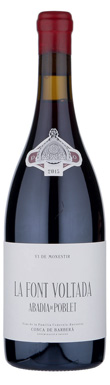

A 3ha vineyard at 500m, planted with Trepat vines of 100 years old or more. Distinct cracked black and white peppercorns on the nose and...
2015
Abadía de PobletConca de Barberà

Craggy Range, Syrah, Gimblett Gravels, Hawke's Bay, New Zealand, 2016
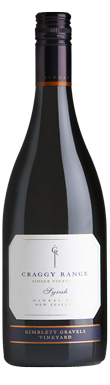
A lovely floral note threads right through this Syrah, lifting it to a plain where any heavyweight varietal characters drop off. Perhaps fermentation in...
2016
Craggy RangeGimblett Gravels
Du Monteillet, St-Joseph, Rhône, France, 2016
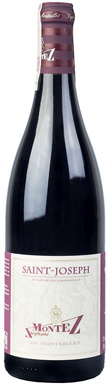
Granite slopes at the northern limit of St-Joseph. Light and brisk style, not overly extracted or tannic, full of zest and vibrancy. Violets and black...
2016
Du MonteilletSt-Joseph
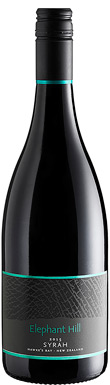
Elephant Hill, Syrah, Hawke's Bay, New Zealand, 2015
93
Distinct black pepper notes and some blackberry pâte de fruits, lifted and fresh. Concentrated fruits between sweet and savoury. Lingering, gently smoky, peppery finish. Supremely well made and well balanced, with beautiful varietal and terroir expression. Fine, gentle tannin and gentle but balanced acidity. Consistently one of the best Syrahs outside the Rhône.
2015
Elephant Hill
Trinity Hill, Syrah, Gimblett Gravels, Hawke's Bay, New Zealand, 2015
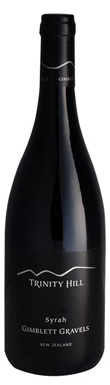
A savoury, brooding, dense style. Cracked black pepper, vanilla pod and violet – you’d be forgiven for thinking this was a St-Joseph. Ripe tannin, real...
2015
Trinity HillGimblett Gravels
Domaine des Lises, Crozes-Hermitage, Rhône, France, 2016
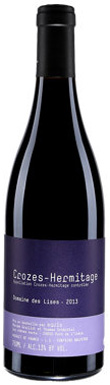
Lifted, fresh violets and woodland scents, berries and herbs, subtle black pepper aromas. Juicy berry acidity and a briskly hewn structure, ending stone-sucking dry with...
2016
Domaine des LisesCrozes-Hermitage
