
South American ageworthy wines: 12 recommendations for your cellar
Contrary to popular opinion, there are plenty of South American wines that blossom with time in the cellar, and Amanda Barnes has sought out some gems which may have passed you by.


There is an abundance of well-known South American wines that are capable of long ageing.
These include icons such as Almaviva and Nicolás Catena. However, I want to shine a light on some less well-known bottles I’ve found that you may not have heard of, but are certainly wines for the long haul that can still evolve beautifully over time.
Scroll down to see tasting notes and scores for 12 ageworthy South American wines
It’s a game I play every time I go to a wine shop while I’m in South America. Looking beyond the polished bottles on the front row, I rummage in the back aiming for those covered in dust or with tired labels.
In a small mini-market in Argentina’s remote wetlands I found a Terrazas de los Andes Chardonnay 2010 for less than £2… I nabbed that, and later delighted in its oily texture with a plate of cured jabali (wild boar).
In a restaurant near Chile’s Torres del Paine park I once found a Carmen Reserve 1999 and, much to the waiter’s surprise, enjoyed the whole bottle to myself over a dinner of guanaco (a larger version of a llama). It was so old that the label read Grande Vidure, years before it was renamed Carmenère, but the wine was far from old: spicy, energetic and delicious.
In a wine shop in Mendoza two blocks from my house, I found a Mendel Semillon 2013 for a third of its usual price. After popping home to have a quick sample, I came back with a trolley and took all of the 11 bottles left. I still kick myself for drinking those so fast, but the heady notes of lemon peel and honey with piercing acidity were irresistible.

I probably shouldn’t share this information because I’ll be deeply upset when I can’t play relic hunter anymore. But for the meantime, South America’s wines are being sold and served scandalously young – with older vintages wrongly being sent to the back of the shelf.
Without an en primeur system, or fine wine collectors either, there’s little incentive for wineries to hold back their wines and delay often much-needed income. There’s also still a misconception that many of South America’s wines can’t age.
Although the sunny climates in most of Argentina and Chile do make wines approachable in their youth, that does not mean that these wines aren’t ageworthy; in fact, they most certainly can be. And today more than ever, South America’s winemakers are producing wines that are worthy of holding back to taste in their prime of maturity.
Semillon makes a stand
On a visit to Lagarde winery in Luján de Cuyo you won’t leave the cellar without hearing the story of the 1942 Semillon.
By accident, an entire 1,800-litre oak cask was left filled with a 1942 vintage of dry Semillon wine and forgotten about for half a century. On its rediscovery in 1991, it was bottled as a special release and has served as one of the greatest testimonies to the ageability of South American white wines ever since.
The modern-day champion of Semillon in Argentina, though, is undoubtedly Roberto de la Mota. He started out in his winemaking career producing Semillon along with Chenin Blanc and Chardonnay with his father Raúl de la Mota at Bodega Weinert in the late 1980s.
But although the variety had lost favour in Argentina since, dwindling from over 5,500ha to just 600ha today, in 2009 de la Mota took up the mantle again. He has been making Semillon for his Mendel label ever since, waving the flag for this under-appreciated variety.

‘We have many old vines of Semillon in Mendoza, and really excellent-quality Semillon in cooler parts of the Uco Valley,’ explains de la Mota, who makes his wine from 70-year-old vines in Altamira. ‘The cool climate with the limestone soils give us very fresh acidity and strong personality, capable of long ageing.’
Several others have joined the Semillon mission. These include the Michelini family, Nieto Senetiner and Altocedro in Mendoza; Matías Riccitelli, Humberto Canale and Marcelo Miras in Río Negro. In Chile: Carmen and Santa Rita in Apalta; Bouchon and Longaví in Maule; and Roberto Henríquez and Leo Erazo in Itata.
Not only does the high acidity make these wines ageworthy but the concentration found in the old vines adds to the complexity and length of these outstanding wines.
Chardonnay for the long haul
However, it isn’t only old-vine Semillon that is proving its great potential to age.
Chardonnay is also a worthy contender. It was on a mission to make great Chardonnay that US winemaker Paul Hobbs was first brought to Argentina in 1989 by the Catena family, at the eve of Argentina’s quality revolution.
‘Even then I could see there was potential in the Chardonnay fruit – even if the winemaking needed a radical change,’ says Hobbs.
Today he makes several single-vineyard Chardonnay wines at Viña Cobos. ‘There are some extraordinary old vines, such as our 80-year-old Zingaretti estate in the Uco Valley, and great sites to plant new Chardonnay vines as well,’ he adds.

New vines of Chardonnay have, in particular, redefined the calibre of South American white wines in recent years. The combination of identifying great terroir with a modern, sensitive approach in the cellar has led to some of South America’s greatest and most ageworthy wines today.
They include Errazuriz’s Las Pizzaras from Aconcagua, Catena Zapata’s White Bones from Gualtallary and Bodega Chacra’s Chardonnay from Río Negro. While from Limarí the wines of Tabalí, Reta and Amelia will all no doubt still fend for themselves after decades in the cellar.
Following in the footsteps of Chardonnay, there is a great impulse happening across Argentina, Chile and Uruguay to make ageworthy white wines and blends from other key varieties including Chenin Blanc, Albariño, Marsanne, Roussanne, Viognier and Sauvignon Blanc. The fruits of which I’m sure we’ll enjoy in the years to come.
Reds built to last
Before the 225-litre French barrique became popular in South America in the 1990s, most of the red wines were made in large vats or foudres and aged significantly before release.
Some producers, including Bodegas Weinert, Carmelo Patti and Bodegas López in Mendoza, never stopped making wine this way.
Weinert’s current Cask Selection release is vintage 2012. Carmelo’s current UK release of Cabernet Sauvignon is 2007 and López has re-released its 1983 vintage of Montchenot.
While these are prime examples of a traditional approach still holding great promise for the future, the wines of the ‘modern school’ in South American winemaking are also coming of age now.
Complex and classy Bordeaux blends from top crus in Chile, Argentina and Uruguay – such as Viñedo Chadwick, Almaviva, Don Melchor, Nicolás Catena, Lindaflor, Cheval des Andes, Balasto and Monte Vide Eu – may still be released far too early, but they age gracefully in the cellar for those patient enough to wait.
Tasting these older vintages leaves no doubt of the potential for ageing – both in cask and bottle – that South American red Bordeaux blends have.

Beyond Bordeaux varieties and French barriques, there’s another movement underway seeking to optimise the continent’s Mediterranean varieties and returning to large-format ageing vessels. Marcelo Retamal is one of these returnees.
‘Before French barriques, we used these large old vats made from rauli (a native Chilean tree), so it’s nothing new,’ explains Retamal, who was head winemaker at De Martino from 1996 until 2021. ‘I now prefer larger format foudres and cement because we have less of an oak impact, but great conditions for long ageing of red wines.’
His Mediterranean red blends, including Syrah, Garnacha and Mourvèdre, from Viñedos de Alcohuaz in high-altitude Elqui, spend up to five years in cask or concrete. Bottles such as his Pingo Pingo Carignan, with 2015 as the current release, show the great vivacity that these wines retain and only hint at the long life yet to come.
Old-vine reds
Old vines of Carignan further south, in Maule, are also at the heart of some of the most exciting ageworthy red wines coming from Chile.
The association and quasi-appellation of VIGNO, Vignerons of Carignan, was set up to celebrate these dry-farmed old vines but also with a minimum two-year ageing requirement — one which is often far surpassed.
On a recent tasting of the VIGNO collective’s 2010 vintage, I can assure you these wines are still relative infants, with dense, compact aromas and a tense tannin and acid structure built to last. They are also often a bargain, giving anyone an ample opportunity to build a long-lasting wine collection.
Whether Carignan or Cabernet Sauvignon, there are a host of South American reds that will stand the test of time. As with the white wines, we just need to have the patience as a market to give them time to shine.
Until then, you’ll find me lurking at the back of dusty wine shelves hunting down some of these priceless gems.
See tasting notes and scores for 12 ageworthy South American wines
Related content:
South American Pinot Noir: 20 to try
Value Argentinian Malbec: panel tasting results
Marcelo Retamal: Profiling Chile’s legendary winemaker
Errazuriz, Las Pizarras Chardonnay, Costa, Aconcagua Valley, Chile, 2019
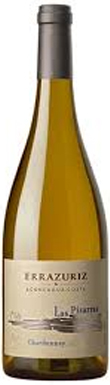

Viña Errazuriz was founded in 1870 by Don Maximiano Errázuriz. The estate majored on European varieties from the early days – an influence still seen...
2019
ErrazurizCosta

Riccitelli, Old Vines Semillon, Río Negro, Patagonia, Argentina, 2021
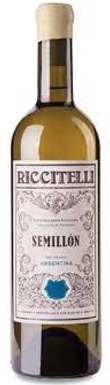
It’s almost criminal that this 2021 vintage is already for sale. Although it boasts great texture, tension and concentration, it is only going to improve...
2021
RiccitelliRío Negro
Bodega Chacra, Chardonnay, Río Negro, Patagonia, Argentina, 2020
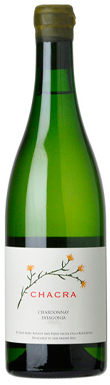
Chacra's venture with Burgundy’s Jean Marc Roulot costs a fraction of what Roulet’s cuvees in Beaune would, but undoubtedly will cellar as well as many...
2020
Bodega ChacraRío Negro
Michelini i Mufatto, Propósitos Chenin Blanc, Uco Valley, Tunuyán, Mendoza, Argentina, 2019
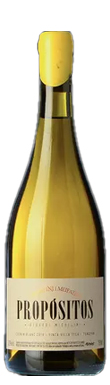
Coming from 50-year-old bush vines in Villa Seca, this is a setting a new benchmark for Argentinian Chenin Blanc and is a wine that will...
2019
Michelini i MufattoUco Valley
Ver Sacrum, Geisha Dragon del Desierto, Uco Valley, Los Chacayes, Mendoza, Argentina, 2021
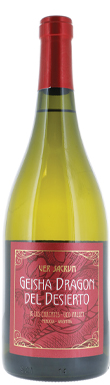
Having recently retasted the very first vintage of Ver Sacrum’s Geisha Jade Marsanne-Roussanne blend, I can attest that Eduardo Soler’s white blends are destined to...
2021
Ver SacrumUco Valley
Garzon, Single Vineyard Albariño, Maldonado, Uruguay, 2019
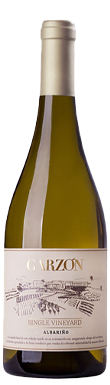
Albariño is Uruguay’s rising star and some of the finest examples most certainly promise great longevity in the bottle. Garzon’s Single Vineyard has richness and...
2019
Garzon
Mendel, Semillon, Uco Valley, Paraje Altamira, Mendoza, Argentina, 2019
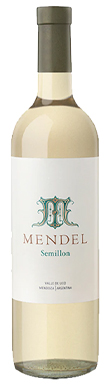
92
The wine that helped put South American Semillon back on the map – and still an absolute steal. Roberto de la Mota’s waxy, lemony old-vine Semillon from Altamira has nuances of white blossom and guava that evolve beautifully over time.
2019
MendelUco Valley
Viñedos de Alcohuaz, Rhu, Elqui Valley, Chile, 2018
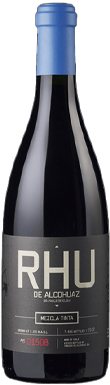
Coming from the highest-elevation vineyard in Chile, this is by all means an extreme Syrah. Deliciously ripe black-fruit notes reflect the intensity of the sun...
2018
Viñedos de Alcohuaz
Matetic, Syrah, San Antonio, Chile, 2015
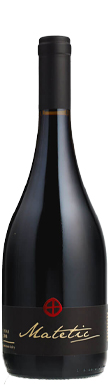
Matetic makes some excellent value coastal Syrah from its biodynamic estate which straddles Casablanca and San Antonio, but its top wine is the equivalent of...
2015
Matetic
De Martino, La Cancha Cabernet Sauvignon, Isla de Maipó, Maipo Valley, Chile, 2018
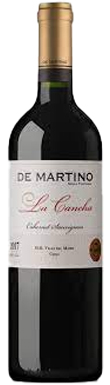
There are many ageworthy Cabernet Sauvignons from Maipo Andes, but this is a real gem from Isla de Maipo. Coming from deep gravel soils, this...
2018
De MartinoIsla de Maipó
Carmelo Patti, Cabernet Sauvignon, Mendoza, Argentina, 2007
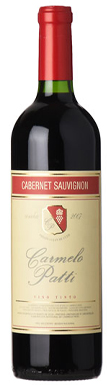
One of the few winemakers to hold back their wines for long bottle maturation, enjoying a bottle of Carmelo Patti is a treat. This 2007...
2007
Carmelo Patti
Emiliana, VIGNO Carignan, Maule Valley, Chile, 2016
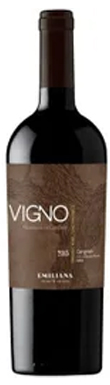
Biodynamic trailblazer Emiliana is one of the newest members in the VIGNO group, and this mouthwatering wine is a great example of affordable, mature Carignan...
2016
Emiliana
