
St-Emilion: Worthy candidates for classification promotion
The wine world is waiting to discover which St-Emilion estates will be promoted (or not) in the classification’s potentially controversial September revision. Here are some worthy candidates.


To describe the revisable St-Emilion classification as turbulent – and in recent months it has seen three out of the four highest-ranked, premier grand cru classé A estates withdraw – would be an understatement.
Scroll down to see tasting notes and scores for 16 wines from St-Emilion estates worthy of promotion
Unlike the static 1855 classification of Médoc (excepting the 1973 promotion of Château Mouton Rothschild to first growth status), that of St-Emilion is updated every decade or so. The previous revision in 2012 – the sixth since the original in 1955 – counts 64 grand cru classé and 18 premier grand cru classé estates; although that will now be 15, since Châteaux Angélus, Ausone and Cheval Blanc withdrew, leaving only Château Pavie with the coveted ‘A’ grade.
How it works
The St-Emilion appellation consists of two categories: St-Emilion and St-Emilion grand cru.
The classification, however, bestows prestige on estates ranked grand cru classé (GCC), and even more on those ranked premier grand cru classé (1GCC), with the ‘A’ specification at the very top (the former ‘B’ status no longer officially exists).
While the French national appellation authority INAO wrote in an email that it ‘does not give out such information’, sources in the appellation say that 114 applications have been submitted this time, with results to be made public in September this year.
Estates cannot sit on their laurels, as dossiers must be submitted to maintain prior rankings: The €14,000 application fee applies to maintain (or be promoted to) a GCC rank. An additional €7,000 is then needed in order to be considered for premier status. So, for example, a first growth from the 2012 classification must pay €21,000 at least to be able to maintain its ranking. It is unclear how many non-GCC have applied for promotion this year, but all ranked estates have likely sent applications.

Upping the taste factor
In a major change from 2012, the 2022 edition stipulates that performance in blind tastings by an independent panel counts for 50% of the overall grade for those vying for 1GCC, compared to just 30% previously. Forty independent tasters assess 10 vintages, 2010 to 2019, for all applications to be considered GCC, and five more for 1GCC (2005 to 2019), according to Conseil des Vins de St-Emilion wine council general director Franck Binard. The tastings are held blind in horizontals comparing applicant estates for each vintage.
Reputation, such as media coverage, counts for 35% of the tally, with 10% for terroir quality and 5% for winemaking techniques, as assessed by a commission of seven independent members from outside Bordeaux. A minimum score of 14 out of 20 is required to be GCC, and 16 out of 20 to achieve 1GCC. Obtaining the top ‘A’ level is ‘based on exceptional wine ageing ability and reputation, as determined by the commission’, Binard says.
With the absence of three of the leading estates, the ranking risks sharing the fate of the Médoc’s cru bourgeois classification, which lacks such top non-classified wines as Château Haut Marbuzet (St-Estèphe) and Château Poujeaux (Moulis), among others. But one could compare the classification to Wimbledon tennis: top players may for some reason not participate, but the games go on because they have value. As Blandine de Brier Manoncourt, co-owner of Château Figeac 1GCC, has stressed: the classification ‘remains very useful, acting as a booster for the entire appellation’.
But what about fashion? St-Emilion until around 2017 was dominated by what many critics call a ‘modern style’ of over-extracted new oak tannins and ultra-ripe Merlots harvested late, with high potential alcohol. In more recent years, talk of less new oak, the use of clay amphorae for freshness, and stressing elegance is all the rage. But when the ‘modern style’ peaked, between 2009 and 2015, exceptions such as Châteaux Canon, Corbin, Figeac and Fonroque among some others seemed few and far between.
So how will the 2022 tasting jury account for the change in style when, for example, assessing a rather tired and drying Château Fonplégade 2005 alongside the brilliant and elegant Fonplégade 2019: should that estate be considered for elevation to premier grand cru classé?
For this article, I was tasked with picking two estates to recommend within each category – grand cru classé, premier GCC and premier GCC A – which, in my opinion, are most deserving of an upgrade in the forthcoming classification.
My promotion preferences include estates with worthy terroirs that have stuck to a consistent style in pursuit of excellence.
Many estates have improved in recent years, but for reasons of space, we could only have six in total for the magazine article. However, I have listed two additional properties and the reasons for their selection below for Decanter Premium.
The Kakaviatos selection: St-Emilion estates fit to ascend the ranks
T0 1er Grand Cru Classé A
- Château Figeac
- Château Canon
T0 1er Grand Cru Classé
- Château Rochebelle
- Château Fonroque
- Château Fonplégade
- Château Fleur Cardinale
T0 Grand Cru Classé
- Famille Vauthier, Château Moulin Saint-Georges
- Vignobles K, Château Tour Saint Christophe
Premier ‘A’: Who deserves it?
Château Figeac
From a pure terroir perspective, Château Figeac should already have been promoted to ‘A’ status. A vertical tasting I attended in 2021 at the château, reaching back to 1947, reflects the estate’s unique gravel soils bordering Pomerol as consistently yielding wines of exceptional finesse and refinement. Insiders suggest that Figeac’s traditional blend of two parts Cabernet (Franc and Sauvignon) and one part Merlot can make the wine seem more difficult to understand in early years, when compared in blind tastings to more sumptuous, Merlot-dominated blends from other estates.
For managing director Frédéric Faye, the château – one of the original premiers from 1955 – ‘always produced great wines’, but recent fine-tuning has improved tannin finesse and aromatic expression, while preserving the ‘great ageing potential and Figeac identity’, he says. Since 2012, for example, Figeac has a more flexible blending policy that varies according to the vintage, rather than sticking to a set formula.
New cellar installations ensure cool and humid year-round temperatures for oak ageing. A semi-underground area holds eight oak fermentation vats to complement 40 new stainless steel vats designed to ferment corresponding harvest selections. This should make even more precise wines – as tasted in one of the most impressive 2021 barrel samples this year from the challenging vintage. I would suggest buying Château Figeac before prices go up once it is (likely) promoted to ‘A’.
Château Canon
The case for Château Canon – another estate that counts among the original premiers from 1955 – is evident at least since the early 2000s. The Wertheimer family of Chanel purchased a sleeping beauty in 1996, as the estate needed revamping and repair, including cleaning up a winery TCA contamination [the compound responsible for ‘cork taint’ in wines] among other problems. But that is a distant memory. Following huge investment and renovations some 10 years ago, Château Canon – with 90% of its vineyard on the famous limestone plateau – crafts pure and delicate wines dominated by Merlot, with impressive length.
‘Year in, year out, the terroir has a kind of metronomic precision and elegance, with density and homogeneity from the vineyard,’ remarks director Nicolas Audebert, who in 2014 replaced John Kolasa, responsible for having taken the initial steps to revamp the estate when the Wertheimers arrived. Canon is not the most ‘powerful’ wine of St-Emilion, Audebert adds, but rather one of ‘airy elegance, with tension and freshness’.
When I ask him about former A-grade Château Cheval Blanc, Audebert says that it has ‘an orchestral style, with more types of soil, whereas we are more like a solo violinist’. Whatever the tune, Canon makes A-grade music.

GCC premier potential
It was very hard to pick among the scores of existing GCCs vying for the ‘premier league’.
Many do excellent work, and I could have added more than just two, but these two estates have been quietly pursuing refined excellence without having tried to attract high scores from critics when the ‘modern style’ was fashionable: Château Rochebelle and Château Fonroque.
Château Rochebelle
The small, 3ha Château Rochebelle, with vines growing on the limestone plateau, was under the radar until it became GCC in 2012. Private wine buyers scored it highly in a blind horizontal that I organised in Washington DC of 2000 vintage St-Emilion wines, which included premiers. Owned by the Faniest family since 1925, and currently under the direction of Philippe and daughter Emilie, Château Rochebelle never got high scores from fans of ‘big’ styled wines, but rather focused on making wines of iodine freshness, underscored by bright blackberry and plum with touches of dark chocolate. Since 2016, it has gained both precision and density, with an eco-friendlier approach.
The estate recently carried out a massal selection (replanting new vineyards with cuttings from exceptional old vines from the estate) of old Merlot and Cabernet Franc vines to better preserve its genetic vineyard heritage.
Château Fonroque
Also somewhat under the radar, and yet GCC since 1955, Château Fonroque crafts wines with pure limestone ‘minerality’ that appeal to lovers of freshness and refinement. A pioneer in St-Emilion for eco-winemaking, it was certified organic in 2006 and biodynamic in 2008. Owned since 2017 by the Guillard family with Alain Moueix as consultant, Fonroque’s 18ha vineyard benefits from having vines along the limestone plateau, on the slope and the foot of the slope, permitting flexibility for each vintage. A stunning new tasting room opened this year, leading to revamped cellar space.
Because of Covid-19, the new winery became fully functional just in time for the 2021 vintage, with 22 concrete vats of different sizes that correspond to 22 vineyard parcels. Ageing is carried out in 30% new oak, yielding wine of fruit purity, subtle and refined, leading to long, salty and fresh finishes.
Honourable mentions must also go to two GCC estates that, in recent years, have been crafting wines of premier level quality, and to which the jury surely would give consideration: Château Fleur Cardinale has been consistent in a ‘modern style’, but never ‘over the top’, earning plaudits from critics; while Château Fonplégade, certified organic (in 2013) and biodynamic (2020), has carried out an amazing turnaround to produce wines that also make it worthy of promotion.
Two additional contenders
Château Fleur Cardinale
Having obtained the Grand Cru Classé moniker in 2012, the 23.5-hectare Château Fleur Cardinale again deserves promotion. It enjoys cooler clay over limestone soils some 10-minutes-drive southeast from the St-Emilion centre, in St-Etienne-de-Lisse. While it may seem more oak driven than the three other estates, it has enjoyed market success for at least the last 15 years, with polished, fine wines that the tasting jury will especially appreciate.
Assessing a vertical in the estate’s new tasting room this past April, I could not help but admire the energy and commitment to quality of co-owners Ludovic Decoster and wife Caroline, who explained their more precise harvesting since 2017, better temperature control for fermentation tanks in a new vat room since 2019 – and gradual dialling down of new oak, to 90% starting in 2020, with the emphasis of more careful barrel selections from different coopers.
Château Fonplégade
When co-owner Diane Adams drove me up the impressive St-Emilion slope of Château Fonplégade in April this year, leading to part of the limestone plateau, the terroir potential is obvious near Premier neighbours like Canon and Bélair-Monange. Meticulous attention to organic (certified in 2013) and biodynamic (certified in 2019) winemaking at this 18.5-hectare vineyard has been matched by careful pickings and thoughtful replanting and many tools to better reflect the terroir in the vat room.
The harvest is gravity fed to various fermentation vessels, including truncated cement vats, amphorae and wooden vats. Adams stresses greater elegance in recent years: ‘When we first came here, it was 100% new oak, but now we have worked our way down to 40%’, she stresses.
Could be classed
Château Tour Saint Christophe
Part of Peter Kwok’s Vignobles K group since 2012, Château Tour Saint Christophe has been consistently excellent as evidenced by a 2010-2019 vertical I assessed at the estate this past April. In the commune of St-Christophe-des- Bardes on the edge of St-Emilion, 20ha of vines grow on red clay and astéries (‘starfish’) limestone, yielding wines of freshness and depth at the agreeable price point of about £24 a bottle in bond. Planted along narrow terraces, with vines tended in tight rows facing south-southwest, the scenery includes a small forest.
Wines have especially shone since 2015, when cellars were renovated and redesigned to reflect parcel-by-parcel harvesting, and 6ha of primarily limestone terroir acquired that same year have increased finesse, as reflected since the superb 2016 vintage. The wine obtains deservedly high marks from most critics.
Château Moulin Saint-Georges

Owned by the Vauthier family (of Château Ausone) since 1921, the 7ha of vines of Château Moulin Saint-Georges grow on clay and limestone soils, facing south, located between Ausone and Château La Gaffelière. Crafted with the same care as at Ausone, the wine ought to be classé, but the owners have decided to opt out of the classification.
While Château Ausone itself is dominated by Cabernet Franc, Château Moulin Saint-Georges is more ‘typically’ St-Emilion, with mostly Merlot. Co-owner Pauline Vauthier supervises winemaking, with fermentation in stainless steel vats followed by ageing for 15-18 months in 80% new barrels, resulting in excellent oak integration.
Pauline says: ‘We have not changed methods recently.’ Why should she? The wine is delicious – and very popular in the UK market, priced at about £30-£35 retail.
More on the St-Emilion promotion contenders
In addition to the six wines featured in the magazine article, an extra tasting note for each estate is listed below, as well as two each for Château Fleur Cardinale and Château Fonplégade.
See tasting notes and scores for 16 wines from St-Emilion estates worthy of promotion
The wines are listed in pairs in descending vintage order
Related articles
- St-Emilion council defends classification after Angélus withdrawal
- St-Emilion & Pomerol: Six big name side projects worth knowing
- Style shift in St-Emilion plus 10 wines to seek out
Château Figeac, St-Émilion, 1er Grand Cru Classé B, Bordeaux, France, 2016
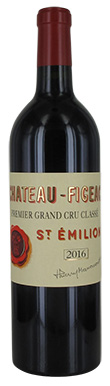

Refined and classy, like a Hermes suit all in place, balancing ripe black and cool blue fruit aromas with cedar, echoed on the palate, which...
2016
Château FigeacSt-Émilion

Château Figeac, St-Émilion, 1er Grand Cru Classé B, Bordeaux, France, 2020
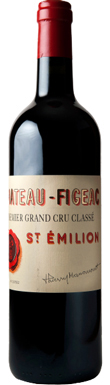
A ripe, herbal-edged nose full of Cabernet Franc perfumed florality; violets, plums, black cherries and figs. Compelling weight on the palate, this has density and...
2020
Château FigeacSt-Émilion
Château Canon, St-Émilion, 1er Grand Cru Classé B, Bordeaux, France, 2016
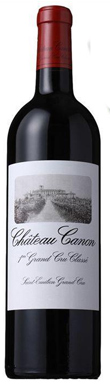
Be sure to carafe or wait for the second day upon opening this wine, as it seems in a somewhat closed phase, but there is...
2016
Château CanonSt-Émilion
Château Canon, St-Émilion, 1er Grand Cru Classé B, Bordeaux, France, 2010
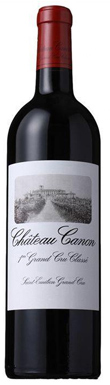
Vivid, crystal-clear fruit aromas, juicy black cherry, ripe plum and succulent blackberry, combining with artisanal dark chocolate, violet and fresh tobacco leaf, making this wine...
2010
Château CanonSt-Émilion
Château Rochebelle, St-Émilion, Grand Cru Classé, Bordeaux, France, 2019
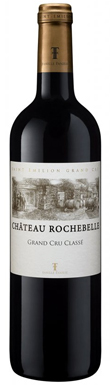
With aromas of crushed mint, black cherry and ripe plum, this wine comes across effortlessly, with much grace and juiciness, minerality and wet stone. ‘Like...
2019
Château RochebelleSt-Émilion
Château Rochebelle, St-Émilion, Grand Cru Classé, Bordeaux, France, 2015
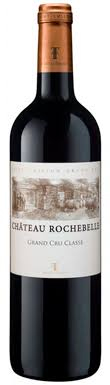
Black cherries, plum stones and olives. Plush, mouthfilling and generous, with good intensity and a silky texture. Deep, structured, elevated and concentrated, with firm tannins....
2015
Château RochebelleSt-Émilion
Château Fonroque, St-Émilion, Grand Cru Classé, Bordeaux, France, 2018
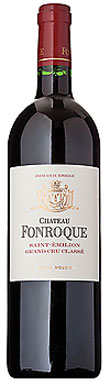
A slightly warmer aspect compared to the 2016, which has more finesse, but this vintage was the first to benefit from larger oak ageing casks...
2018
Château FonroqueSt-Émilion
Château Fonroque, St-Émilion, Grand Cru Classé, Bordeaux, France, 2016
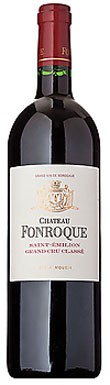
Smoky and sweet with dark chocolate, red cherry and mocha. Tomato and blackcurrant leaf show development and finesse. The palate is elegant with crisp acidity,...
2016
Château FonroqueSt-Émilion
Château Fleur Cardinale, St-Émilion, Grand Cru Classé, Bordeaux, France, 2020
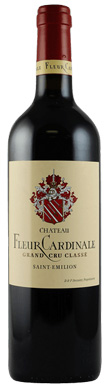
Smooth tannins with elegance, albeit a "modern sheen" of vanilla bean and chocolate as well as red and blackberry fruit purity, plum jelly and spice....
2020
Château Fleur CardinaleSt-Émilion
Château Fleur Cardinale, St-Émilion, Grand Cru Classé, Bordeaux, France, 2014
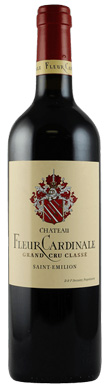
Great success in an 'underrated' vintage, with the 100% new oak well integrated, this illustrates the capacity of Fleur Cardinale to excel in less heralded...
2014
Château Fleur CardinaleSt-Émilion
Château Fonplégade, St-Émilion, Grand Cru Classé, Bordeaux, France, 2019
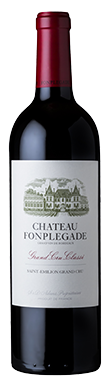
Gorgeous aromatics include cherry, aniseed and menthol freshness, in a medium-bodied palate evoking Burgundian refinement. There is a whiff of oak in the initial, powerful...
2019
Château FonplégadeSt-Émilion
Château Fonplégade, St-Émilion, Grand Cru Classé, Bordeaux, France, 2014
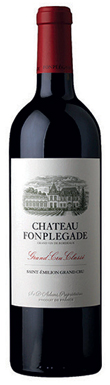
Smooth and inviting with juiciness and elegance delivered in both cool blueberry and ripe blackberry fruit. If not among the most succulently scintillating, a far...
2014
Château FonplégadeSt-Émilion
Château Moulin St-Georges, St-Émilion, Grand Cru, Bordeaux, France, 2018
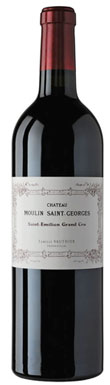
Damson and blackberry fruit aromas precede a palate more wet stone and 'mineral', delivered with gorgeous finesse and smooth tannins. Proposed it blind to a...
2018
Château Moulin St-GeorgesSt-Émilion
Château Moulin St-Georges, St-Émilion, Grand Cru, Bordeaux, France, 2015
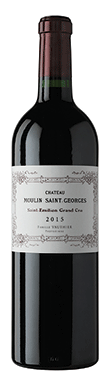
A revelation: at once sumptuous and pristinely balanced and focused – it puts some grands crus classés in the back seat. Bright and juicy blackberry...
2015
Château Moulin St-GeorgesSt-Émilion
Château Tour St Christophe, St-Émilion, Grand Cru, Bordeaux, France, 2019
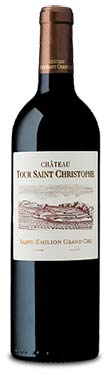
Still available in the UK for an absurdly low price for the quality, this gorgeous wine combines the cooler blue fruit appeal of the 2016...
2019
Château Tour St ChristopheSt-Émilion
Château Tour St Christophe, St-Émilion, Grand Cru, Bordeaux, France, 2015
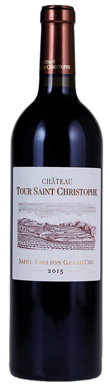
Excellent density, power and freshness – and a step up from previous vintages tasted in a vertical in St-Emilion. The first vintage to include 6ha...
2015
Château Tour St ChristopheSt-Émilion
