
Top Portuguese white wines for summer
There's much more to Portugal than just Vinho Verde, says André Ribeirinho...


With summer wine recommendations below by Tina Gellie...
You could be forgiven for thinking that Vinho Verde is Portugal’s only white wine. It’s the most popular and widely available Portuguese white wine around the world, and rightly so: it’s refreshing, food friendly and takes us back to summer in a single sip.
But the new Portuguese white wine scene is anything but monotonous. The country has been working hard to preserve its plentiful and unique white varieties – most of which you won’t find anywhere else. Exciting as it is, navigating Portugal’s diversity of white grape varieties can be as daunting as trying to pronounce them.
Wide appeal
Diversity and exoticism are exciting but, in an effort to reach foreign markets, local varieties are sometimes blended with their international counterparts. Chardonnay and Sauvignon Blanc can be found – thankfully in small quantities – throughout the country. By blending, Portuguese winemakers get the recognition of an international variety and, at the same time, can introduce the local one.
But Portugal doesn’t need that any more. Following the rise of the local market, and the boom of international tourism in the country, interest in what makes Portugal unique is growing. There’s a burgeoning modern gastronomic scene that’s proud to serve Portuguese white wines, often by the glass. It’s not uncommon these days for restaurants to have as many whites as reds listed.
The market is more dynamic than ever. Winemakers are presenting new wines almost every week. Professional and consumer wine tastings are frequent in the main cities of Lisbon and Porto. To make sure their wine lists are up to date, shop owners and sommeliers have to follow the day-to-day of the market closely.
The Azores
Consider, for example, the Azores islands and their volcanic soils. In recent years, mainland winemakers have been flying to the archipelago to grow grapes on UNESCO Heritage land. Indigenous Arinto dos Açores, Verdelho and the rare Terrantez do Pico may be hard to pronounce, but are producing fresh, salty wines which are helping put the Azores on the map.
Alentejo
In the Alentejo, winemakers are going back in time. Using century-old clay amphorae, locally called talhas, and blends of indigenous varieties such as Perrum, Manteudo and Rabo de Ovelha (‘sheep’s tail’), they are bringing back flavours of a 1,000-year-old tradition. And wine buyers are paying attention.
Vinho Verde
Even Vinho Verde – always known for its quaffable, refreshing, pétillant wines – is changing. People are discovering a more serious, dry, elegant side of the region. A new wave of winemakers, who frequently travel the world, are challenging years of monotony.
The most dynamic are making exciting wines from Loureiro, Avesso and Alvarinho (the star of the up-and-coming Monção e Melgaço sub-region).
The Encruzado variety is Portugal’s ageworthy answer to white Burgundy. Winemakers are launching delicious, easygoing, Chablis-like companions to mouthwatering petiscos (small plates of food made for sharing), but also oak-aged, high-end options with class and finesse. Unlike top Chardonnays though, it’s hard to beat Encruzado on value for money.
Like the diversity of Portuguese white wines, the national language is not easy to get acquainted with, often requiring perseverance and a little spark. For the latter, try the goosebump-inducing experience of a racy Malvasia from pre-phylloxera vines planted in sandy soils in the historic region of Colares. If this doesn’t make you want to learn a bit more about Portugal, I’m sure nothing will.
Fortunately for Portugal, consumers are becoming more adventurous with their choices. They want to avoid drinking anything their parents did, so they are looking beyond international varieties and into alternative origins.
If anything, the growing global demand for natural wine shows us that consumers are, more than ever, looking to try new and exciting wines and, most importantly, are willing to pay for them.
André Ribeirinho is a food and wine entrepreneur and a certified Port educator, who founded adegga.com
Top Portuguese white wines to try this summer:
You may also like:
Top buys from the German VDP wine tasting: 2018 whites & 2017 reds
Expert’s Choice: Sicily’s native whites
Which summer wines to buy?
Dual identity: Rebula vs Ribolla plus 9 of the best to try
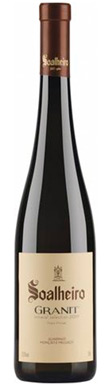
Quinta de Soalheiro, Granit, Monção e Melgaço, Vinho Verde, Portugal, 2017
93
As the name suggests, grapes for this wine come from a specific parcel of vines on granite soils above 200m in altitude, giving real purity, mineral drive and focus. The nose and palate are layered with ripe nectarine, melon and candied peel notes along with a definite slatey tang. Long, elegant and complex, it has brisk grapefruit acidity and lovely creaminess from lees stirring. The Primeiras Vinhas is also a stunner.
2017
Quinta de SoalheiroMonção e Melgaço
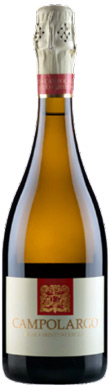
Campolargo, Borga Branco Brut, Bairrada, Portugal, 2013
92
The third-generation of the Campolargo family run this estate, known for its traditional-method sparkling wines made from both indigenous and international varieties. This bone-dry blend of Pinot Noir and Chardonnay is delicious, boasting a broad palate of juicy red apples, zesty grapefruit acidity and chalky mineral tones, with gentle creamy toastiness from 48 months on lees – and now several years in bottle.
2013
Campolargo
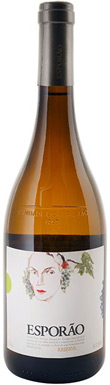
Esporão, Reserve White, Reguengos, Alentejo, Portugal, 2017
92
Really great value for such a rich, classy white: the first wine made by Esporão back in 1985. This vintage is a blend of Arinto, Antão Vaz and Roupeiro from 18-year-old estate vines, partially aged on lees for six months in a mix of French and US oak and tank. Forward aromas of ripe apricot and orange blossom lead on to a weighty, generous palate, balanced by oak spice, refreshing acidity and a long, tangy marmalade finish.
2017
EsporãoReguengos
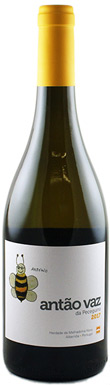
Herdade da Malhadinha Nova, Antão Vaz da Peceguina, Alentejo, Portugal, 2017
92
Based in Albernoa in the heart of Baixo Alentejo, Malhadinha Nova's wines are always a delight, not least for the cute labels designed by the Soares family's children. This gives intense aromas of honeyed apricots and white flowers and a creamy palate of tropical fruit, citrus peel and a yeasty richness. It's full bodied and complex with a long, slatey wet stone note.
2017
Herdade da Malhadinha Nova
Quinta dos Roques, Encruzado, Dão, Portugal, 2017
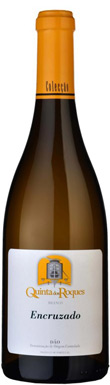
92
Luis Lourenço runs this family winery, a leader in the Dão region, which is credited with reviving the reputation of the indigenous Encruzado grape. Part barrel-fermented and aged for seven months on its lees with some batonnage, this is a textured, full-bodied, nutty white with creamy richness along with notes of grapefruit pith, meadow flowers and orchard fruit, plus some sweet oak spicing. It has good ageing potential thanks to its fine structure and fresh acidity.
2017
Quinta dos Roques
Anselmo Mendes, Contacto Alvarinho, Monção e Melgaço, Vinho Verde, Portugal, 2018
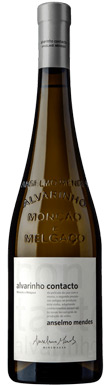
91
Anselmo Mendes is one of Portugal's great winemakers, who consults across the country but also makes his own wine from his home in Minho. This wine was created following experimentations with skin-contact for white wines. Here it contributes to a lovely mouthfeel, along with a chalky, mineral complexity. Fresh ripe peach and pear flavours are joined by floral lift and very firm acidity, and it should age well in the medium term.
2018
Anselmo MendesMonção e Melgaço
Quinta do Pinto, Vinhas do Lasso Colheita Seleccionada, Lisboa, Portugal, 2017
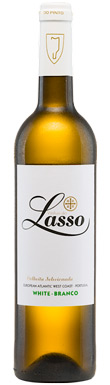
91
This family-owned winery in Alenquer sustainably farms 63ha of vines surround a 17th century manor house. From the good-value Vinhas do Lasso line, this is an equal blend of Arinto and Fernão Pires, fermented in cement tanks. It's a stylish, structured white with vibrant tropical and citrus fruits on a creamy, nutty palate. The pricier Quinta do Pinto Arinto is also very good.
2017
Quinta do Pinto
Quinta das Maias, Branco, Dão, Portugal, 2017
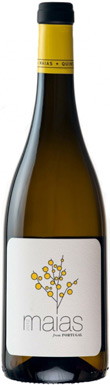
91
Quinta das Maias is an organic estate owned by Quinta dos Roques, which farms 35ha of vines at more than 1,500m in the Serra da Estrella foothills. This pretty, unoaked white is a blend of old-vine Malvasia Fina with Cerceal, Gouveio and Encruzado. Packed with juicy peach and mandarin flavours on a mid-weight palate, it's a well-priced, food-friendly bottle to have on standby in the fridge.
2017
Quinta das Maias
Quinta do Convento do Paradiso, Euphoria Branco, Algarve, Portugal, 2017
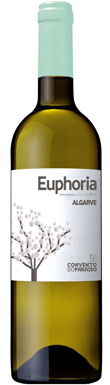
90
Alvarinho and Arinto are normally grapes you see in Vinho Verde, but here in the Algarve they have blended them to produce quite a savoury wine with notes of blossom, peach and crisp apple, along with more complex nutty tones on a firm, refreshing palate. This project is a partnership between Quinta da Mata Moura, whose 12ha were planted in 2000, and the winemaking team at Herdade de Malhadinha Nova in Alentejo.
2017
Quinta do Convento do Paradiso
Niepoort, Nat'Cool Branco, Vinho Verde, Portugal, 2017
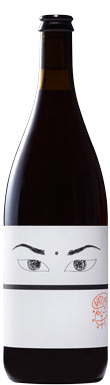
90
Billed as 'naturally cool and funky', this is Niepoort's nod to the past, when Vinho Verdes were bottled with some residual sugar and fine lees so they refermented, leaving the wine slightly spritzy and cloudy. With vibrant acidity and a prickle of CO2, this blend of Azal, Arinto, Avesso, Trajadura and Loureiro has fresh lemon and saline notes on the light, grippy palate, making it ideal to enjoy with food. Always sold in one-litre bottles.
2017
Niepoort
Casa de Vila Nova, Avesso, Vinho Verde, Portugal, 2015
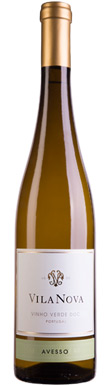
90
An easy-drinking, well-priced Avesso that is enjoyable now but will develop over the short term. It's fermented and aged for a year in French oak then another year in bottle at the Lencastre family’s historic 12th century estate. It boasts flavours of spiced apple, ripe pear and juicy yellow plums on a creamy palate, enlivened by bright citrussy acidity. A stylish and versatile food wine.
2015
Casa de Vila Nova
