
Top-tier Prosecco: Wines pushing the boundaries


Producers have the option to label their top Prosecco with a village of origin, but are these ‘rive’ wines always a guarantee of quality? Richard Baudains finds out.
Richard Baudains’ top ‘rive’ Prosecco
Since 2009, producers of Prosecco di Conegliano-Valdobbiadene Superiore – the top-drawer DOCG Prosecco from the hills – have had the option of declaring the village of origin of their wines with the phrase ‘Rive di’. Every village which conforms to the basic wine-growing standards of the DOCG zone (there are 43) can claim its sub-denomination.
In the highly democratic division of the area devised by the producers’ consorzio, all rive appear equal, but some might be more equal than others. Are the rive always a guarantee of top quality? And do they really reflect a special sense of place?
The answer to the first question is ‘yes and no’. Producers who use the rive denomination tend to reserve it for their top label, which means that you should be getting a Prosecco made with special care and attention from their best grapes. Some of these rive wines can be spectacularly, eye-openingly good.
The overall quality, however, is not particularly homogeneous: alongside wines with very distinctive personality there are others which are perfectly well made, but little more. As for terroir character, the diversity of growing conditions within the DOCG zone is evident, but it is difficult to pin down corresponding differences between wines at village level.
Article continues below wine reviews.
See the top Prosecco tasting notes and ratings
In search of style
A tentative shot at characterising the most widely exploited and most interesting rive could pick out San Pietro di Barbozza for freshness and refined elegance; Ogliano for its ripe, yellow fruit; Guia for a certain tangy, mineral quality; and Santo Stefano for its firm, fresh zip.
The problem is that there is not a lot of evidence to go on. In a tasting of 58 rive wines I did in October 2017 there were 28 different sub-denominations, most of which were represented by only one or two examples. In some respects the rive are at the cutting edge. The newly recognised extra brut (less than 6g/l of sugar) and brut nature (less than 3g/l) categories are being enthusiastically taken up by producers, and rive wines in particular showcase the trend. In my recent tasting, two-thirds of the wines were in varying shades of brut, while only a small minority were in the traditional extra-dry style.
The drinking window of quality Prosecco is widening and rive wines, which are obliged to declare their vintage, again highlight the trend. I tasted excellent rive from 2015 and even 2014. Rive selections represent a drop in the ocean of the 83 million bottles of Prosecco Superiore produced in 2016 – but it is a still a significant one, with 1.9m bottles. In terms of quality, they are not the only guide to the crème de la crème.
Many top producers, from small independent growers such as Silvano Follador or Cà dei Zago, to leading houses such as Bisol and Ruggeri, do not use village names for their prestige selections. But the good news is that quality producers who do are currently making some of Prosecco’s most interesting wines.
Richard Baudains is the DWWA Regional Chair for Veneto and has written about Italian wine for Decanter since 1989.
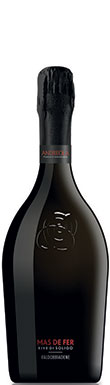
Andreola, Mas de Fer, Rive de Soligo Extra Dry, Prosecco, Conegliano-Valdobbiadene Superiore, Veneto, Italy, 2016
95
Herby, floral nose; light, progressive palate with a lovely delicate airy texture and intense flavours on the finish of grapefruit peel, apple and almonds. Very refined, from high-altitude vineyards.
2016
AndreolaProsecco
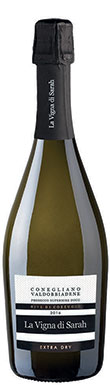
La Vigna di Sarah, Rive di Cozzuolo Extra Dry, Prosecco, Conegliano-Valdobbiadene Superiore, Veneto, Italy, 2016
95
Biscuity tones on the nose, followed by ripe fig and sultana, and a touch of sweet spiciness. Great volume on the palate with a long, complex finish of dried fruit and cardamom. Complex.
2016
La Vigna di SarahProsecco
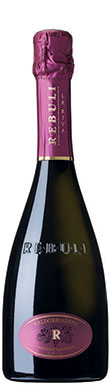
Angelo Rebuli, La Riva, Rive di San Pietro di Barbozza Brut, Prosecco, Conegliano-Valdobbiadene Superiore, Veneto, Italy, 2016
95
Ripe pear and almonds on the nose. Lovely creamy texture on the palate with a tangy vein of salted lemons and a long, dry, floral finish. Classy.
2016
Angelo RebuliProsecco
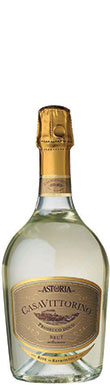
Astoria, Casa Vittorino, Rive di Refrantolo Brut, Prosecco, Conegliano-Valdobbiadene Superiore, Veneto, Italy, 2016
95
Almond milk on the nose. Light and elegant with super-fine bubbles on the palate. Lovely balance and a long finish of marzipan and apricot, with a hint of mineral savouriness. Very stylish.
2016
AstoriaProsecco
Roccat, Rive di San Pietro di Barbozza Extra Dry, Prosecco, Conegliano-Valdobbiadene Superiore, Veneto, Italy, 2016
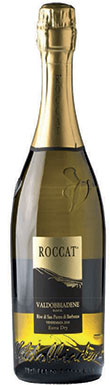
95
Lots of ripe fruit on the nose from a warm, dry vintage, with bitter-sweet floral aromas at the back. Peach and marzipan notes on the palate and a long, concentrated fruit finish. Delicious.
2016
RoccatProsecco
La Farra, Rive di Farra di Soligo Extra Dry, Prosecco, Conegliano-Valdobbiadene Superiore, Veneto, Italy, 2016
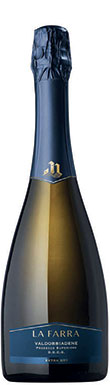
95
Subtle floral, hedgerow nose, with classic notes of wisteria and sugared almonds. Light and fruity on the palate, with finely judged balance and a fresh finish of tangerine and sweet spice. Stylish.
2016
La FarraProsecco
Bortolomiol, Cuvée del Fondatore Motus Vitae, Rive di San Pietro di Barbozza Brut, Prosecco, Conegliano-Valdobbiadene Superiore, Veneto, Italy, 2015
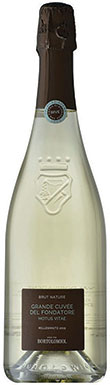

Pie crust on the nose, with fennel, citrus and tropical hints. Light texture but concentrated flavours. Great example of the maturer style of Prosecco.
2015
BortolomiolProsecco

Spagnol, Col de Sas, Rive di Solighetto Brut, Prosecco, Conegliano-Valdobbiadene Superiore, Veneto, Italy, 2016
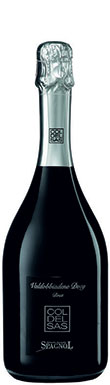
94
Fresh citrus and apricot nose with a touch of Parma violets. Very fine bubbles, great progression on the palate and a long, crisp finish of lemon peel and salted almonds. Classic.
2016
SpagnolProsecco
La Tordera, Tittoni, Rive di Vidor Dry, Prosecco, Conegliano-Valdobbiadene Superiore, Veneto, Italy, 2016
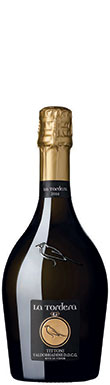
94
Almond and violet aromas on the nose. Concentrated, ripe fruit palate with fresh acidity to balance the sugars and spicy complexity on the finish. Bags of personality.
2016
La TorderaProsecco
Le Colture, Gerardo, Rive di Santo Stefano Brut, Prosecco, Conegliano-Valdobbiadene Superiore, Veneto, Italy, 2015
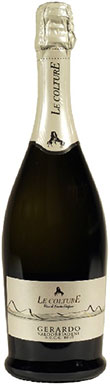
94
Delicate floral and green apple aromas on the nose, followed by a fresh, crisp, tasty palate with firm structure, very attractive grapey character and a bone-dry finish. A great food wine.
2015
Le ColtureProsecco
Val d'Oca, Rive di San Pietro di Barbozza Brut, Prosecco, Conegliano-Valdobbiadene Superiore, Veneto, Italy, 2016
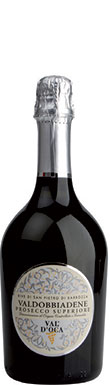
94
Delicately aromatic floral, herby nose with hints of lilac and mint. Fine bubbles, with apricot, white melon and amaretti biscuit on the palate. Light dry finish. Another classic.
2016
Val d'OcaProsecco
Adami, Col Credas, Rive di Farra di Soligo Brut, Prosecco, Conegliano-Valdobbiadene Superiore, Veneto, Italy, 2016
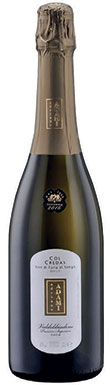
94
A nose of wisteria and green pears. Big expansion on the palate and a bone-dry, slightly austere follow-through to a salty finish. Serious.
2016
AdamiProsecco
Sommariva, Rive di San Michele Extra Dry, Prosecco, Conegliano-Valdobbiadene Superiore, Veneto, Italy, 2016
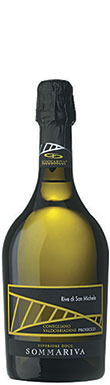
94
Bitter almonds and acacia notes on the nose. Crisp fruit on the palate with fresh underlying acidity and a grapey finish that shows a touch of grassiness. Relatively dry for the category.
2016
SommarivaProsecco
Bortolin Angelo, Sommaval, Rive di Guia Brut, Prosecco, Conegliano-Valdobbiadene Superiore, Veneto, Italy, 2016
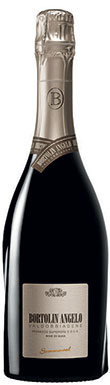
93
Starts yeasty on the nose, then aromas of stewed apple, pears and violets emerge. There’s lots of volume on the palate, then it’s light and zingy on the finish with a distinctly salty note.
2016
Bortolin AngeloProsecco
Masottina, Rive di Ogliano Extra Dry, Prosecco, Conegliano-Valdobbiadene Superiore, Veneto, Italy, 2016
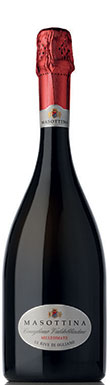
90
Yellow fruit and herbs on the nose with a touch of almonds. Soft and round on the palate with tropical fruit and candied peel in the middle and a pleasant lemony note on the finish.
2016
MasottinaProsecco
Tanorè, Rive di Guia Brut, Prosecco, Conegliano-Valdobbiadene Superiore, Veneto, Italy, 2014
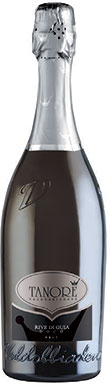
90
Shortcrust pastry and baked pear aromas on the nose. Great freshness, with a lovely creamy texture on the palate; long and unwaveringly dry on the finish. Still full of energy.
2014
TanorèProsecco
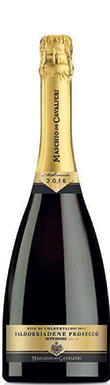
Cantine Maschio, Maschio dei Cavalieri, Rive di Colbertaldo Brut, Prosecco, Conegliano-Valdobbiadene Superiore, Veneto, Italy, 2016
90
Bread crust nose. Round and soft with low pressure from the bubbles on the palate, but lots of concentration and a long fruity, herbal finish. Original.
2016
Cantine MaschioProsecco
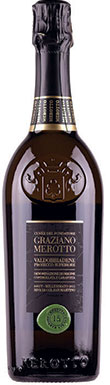
Merotto, Cuvée del Fondatore Graziano Merotto, Rive di Col San Martino Brut, Prosecco, Conegliano-Valdobbiadene Superiore, Veneto, Italy, 2016
90
Rich, complex nose with ripe pear and herbs. Breadth and grapey concentration on the palate, with texture from long lees ageing. No hurry to drink.
2016
MerottoProsecco
