

The elegance, longevity and poise of the world’s finest wines, and certainly of those from Spain, is as much a result of the time they spend maturing in the cellar as of the quality of the grapes and the nature of the terroir that bred them. Ageing can play a key role in revealing a wine’s full potential, through the added layers of complexity and the structural refinement the process allows.
The style of Spain’s greatest wines was shaped by the masterful use of American oak barrels, with its characterful aromas imparting complex flavours and affirmative, ageworthy tannins. Ramón Bilbao Reserva is a flagship example of this traditional choice of ageing vessel and a synonym of what Rioja stands for.

Rioja is, however, a region where innovation is building upon tradition. Decades of knowledge and experience have given Spanish winemakers the confidence to experiment with vessels of different materials, thus being able to express multiple facets of the grape varieties and terroirs.
French and Hungarian oak have been introduced as complementing alternatives to their American counterpart. Both European species have finer grain – meaning that the wine has less, and slower, exposure to oxygen – and impart a different range of aromas: while American oak has distinct vanilla and coconut notes, the French tends to lend a nuttier touch and the Hungarian can be distinctively more floral.
The experimentation goes beyond different kinds of wood. Clay amphorae and concrete vats, both porous and glazed, are now part of the winemaker’s palette. Clay amphorae, in an updated version of the ancestral vessels wine was first fermented and stored in, allow for a unique softness of texture and a refined mineral touch. Concrete, on the other hand, is a vehicle of purity, allowing for the grape’s fruitiness to really come through.


Rámon Bilbao uses a combination of French oak, clay and concrete to achieve the perfectly balanced and terroir-led Límite Norte and Límite Sur. The filigreed structure of Lalomba’s Finca Ladero, on the other hand, is achieved by using both concrete and Hungarian oak.

What all these wines have in common is the potential to develop further in bottle. The time spent in the cellar has given them the complexity and structure to age beautifully.
More from the Spanish Wine Academy

-
 Understanding the science of wine tasting will allow us to disrupt the status quo
Throw away the conventions of wine tasting...
-
 Baijiu basics: Get to know the world’s most valuable spirit
Never heard of baijiu? You’re not alone. Adele Irimiea meets Ben Salguero, who is on a mission to bring China’s national spirit into the Western mainstream.

-
 Ramón Bilbao’s three pillars of sustainability
Leading the fight against climate change...
-
 Ramón Bilbao aims higher
Seeking elegance and character in high altitude vineyards...
-
 How much do you know about Spanish Wine?
Join the Spanish Wine Master programme...
-
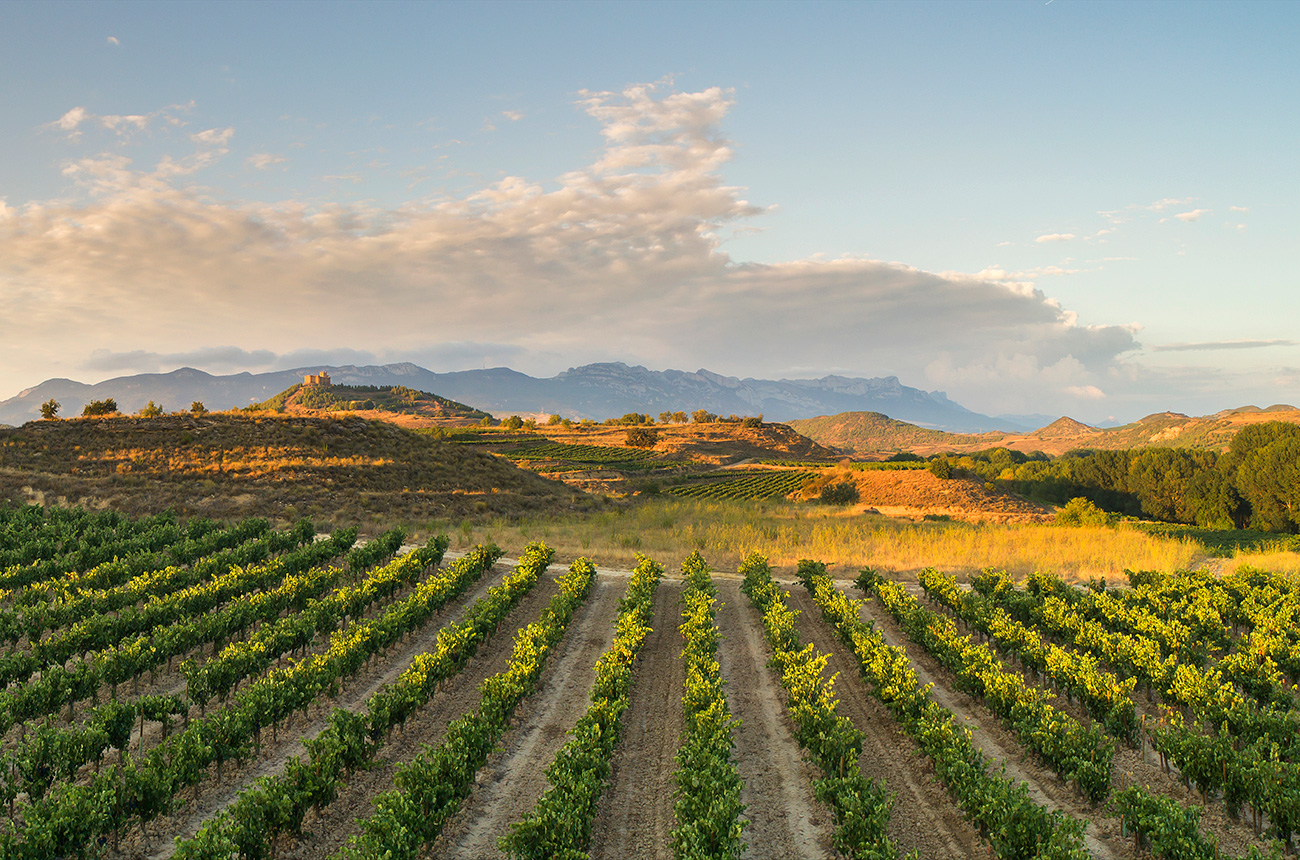 Rioja – 10 Facts to know
Discover Rioja, Spain’s most iconic wine region, with the Spanish Wine Academy
-
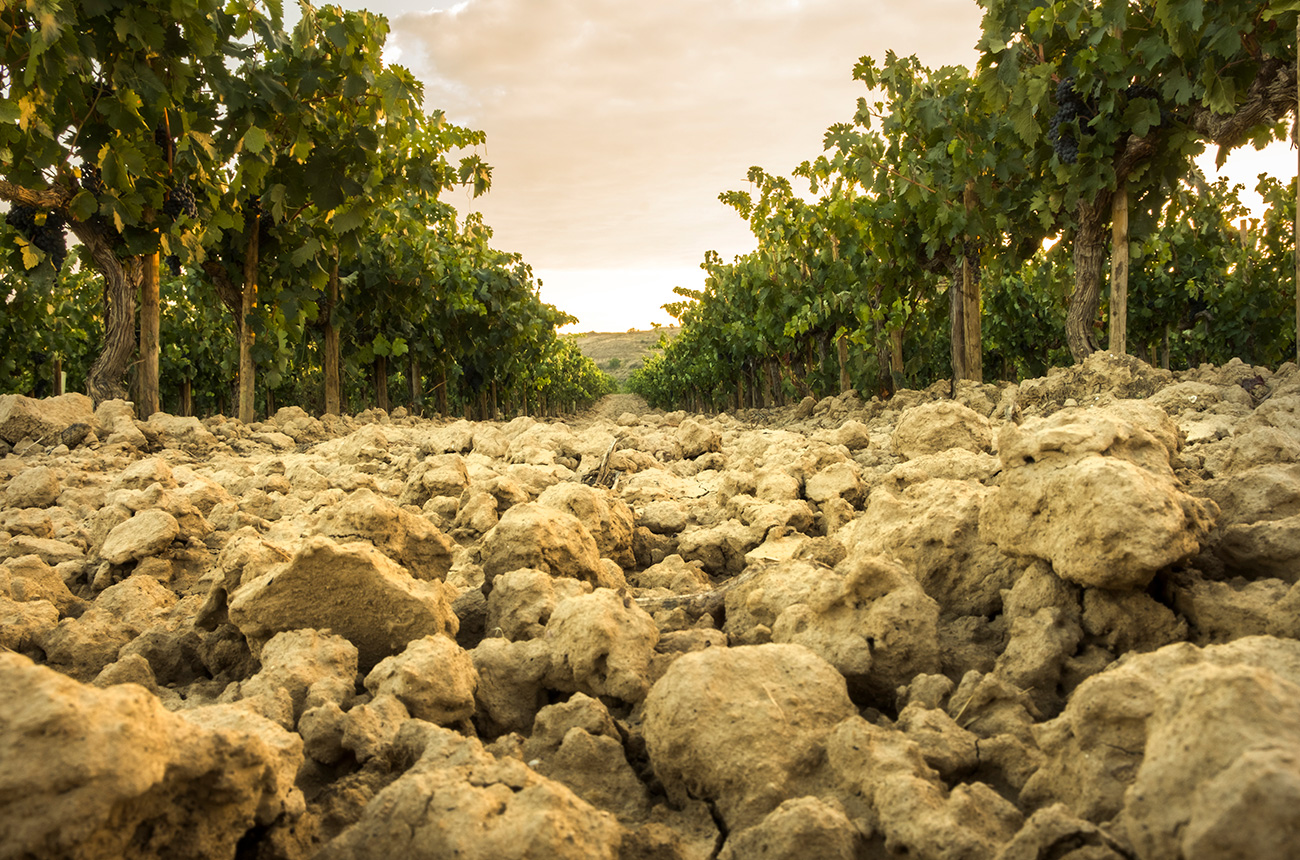 Record temperatures – Extraordinary occurrences or signs of the new normal?
Rosana Lisa discusses the periods of extreme heat that have raged through Spanish vineyards in recent years, and possible strategies to mitigate their consequences
-
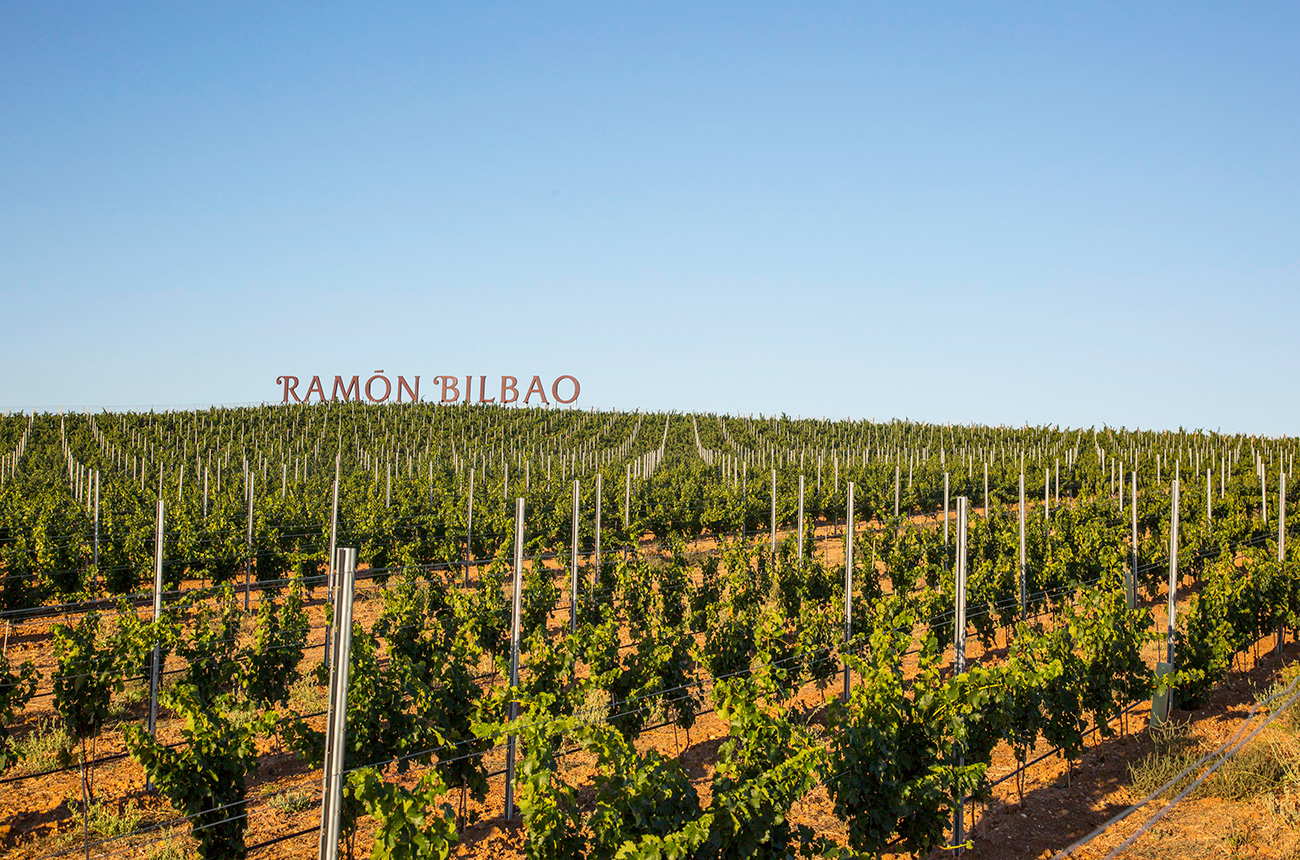 Rueda – 10 Facts to know
Castilla y León’s flagship white wine appellation
-
 Rías Baixas – 10 Facts to Know
Discover the iconic Galician appellation
-
 Spanish Wine Academy quiz: round four – Wine History


