

The legend of the ‘Niner’ lives on!
The lucky number for the world of Austrian wine seems to be the 9, since when the year ends with this numeral – like 1999 and 2009 (‘the Niners’) – the vintage often turns out to be particularly fine. This legendary series continues in 2019: despite heat and drought, the white wines are vivaciously fresh and the reds show excellent depth. And at 2.3 million hectolitres production, 2019 is in line with the long-term average in terms of volume.
Invigorating freshness coupled with a radiantly clear expression of fruit are characteristic for all of the white wine varieties, accompanied as well by structural acidity that is rather striking for such a warm year. The Austrian reds are thus far consistently deep in colour, extremely concentrated and rich in extract, although acidity and tannins also appear to check out at an impressive level. In the current very challenging situation for Austria’s winegrowers and their partners all over the world, the excellent 2019 vintage thus offers reason to hope for a rapid recovery after the crisis.

A new wave of tastings
Austrian Wine adapted rapidly its international projects to the current situation and launched the very first Virtual Austrian Wine Round Table around the globe with local and international key opinion leaders. The first session aired on Thursday, 16th April 2020. Five experts of the British wine scene tasted and discussed six Austrian wines in an exciting online session. You can find it here in case you missed it.

General information about Austrian Wine
Export graphic 1985-2019 (PDF)
List of most important export countries 2000-2019 (PDF)
Austria’s vintages
Press information: Vintage 2019: the legend of the “niner” lives on
Press information: Vintage 2018: Taking the Heat
Press information: Vintage 2017: Convincing Across the Board
Press information: Austria’s 2016 Vintage: Ugly Weather, Lovely Wines


-
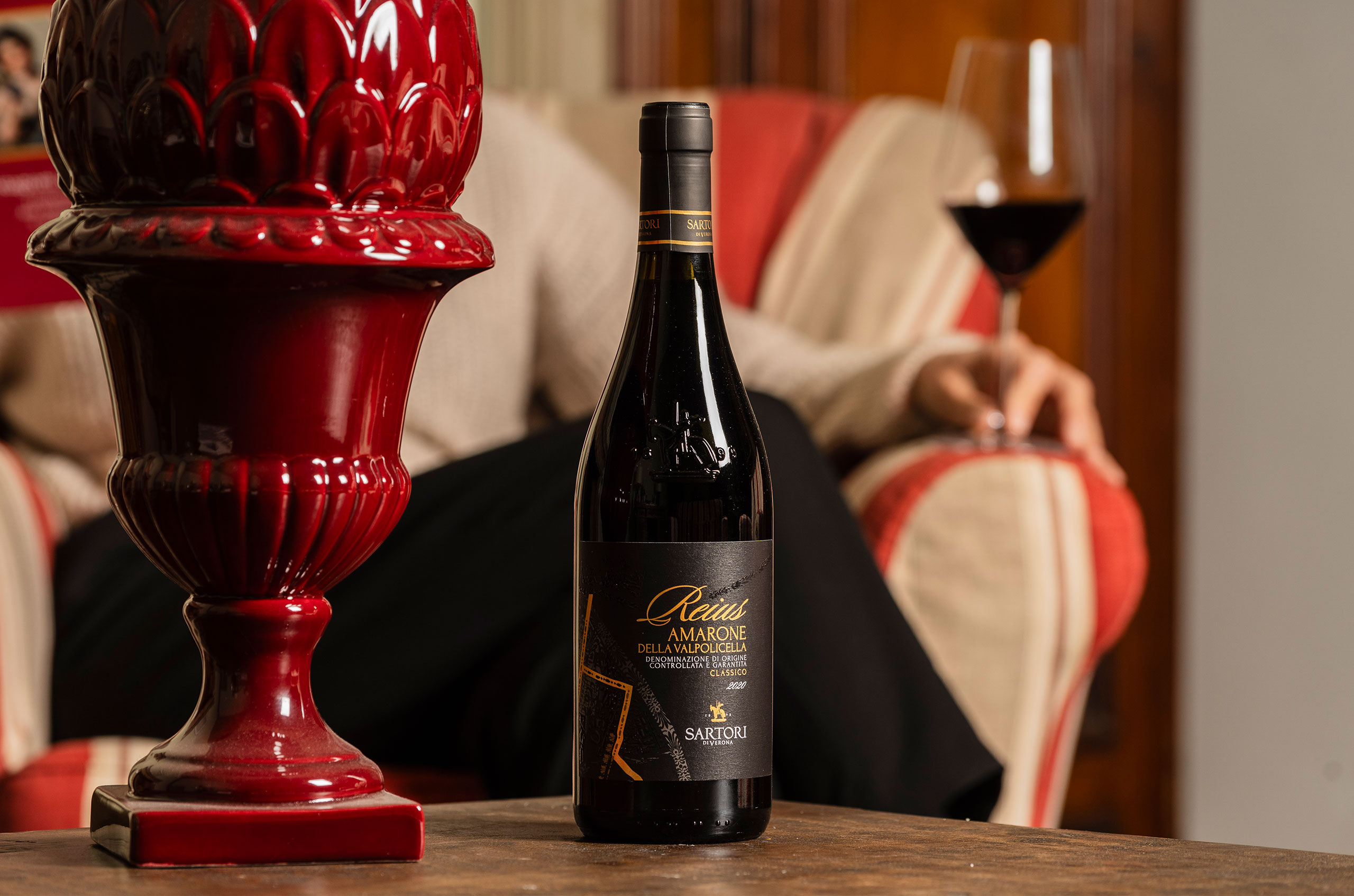 A standout voice in Valpolicella
Sponsored A key name for Valpolicella and Amarone...
-
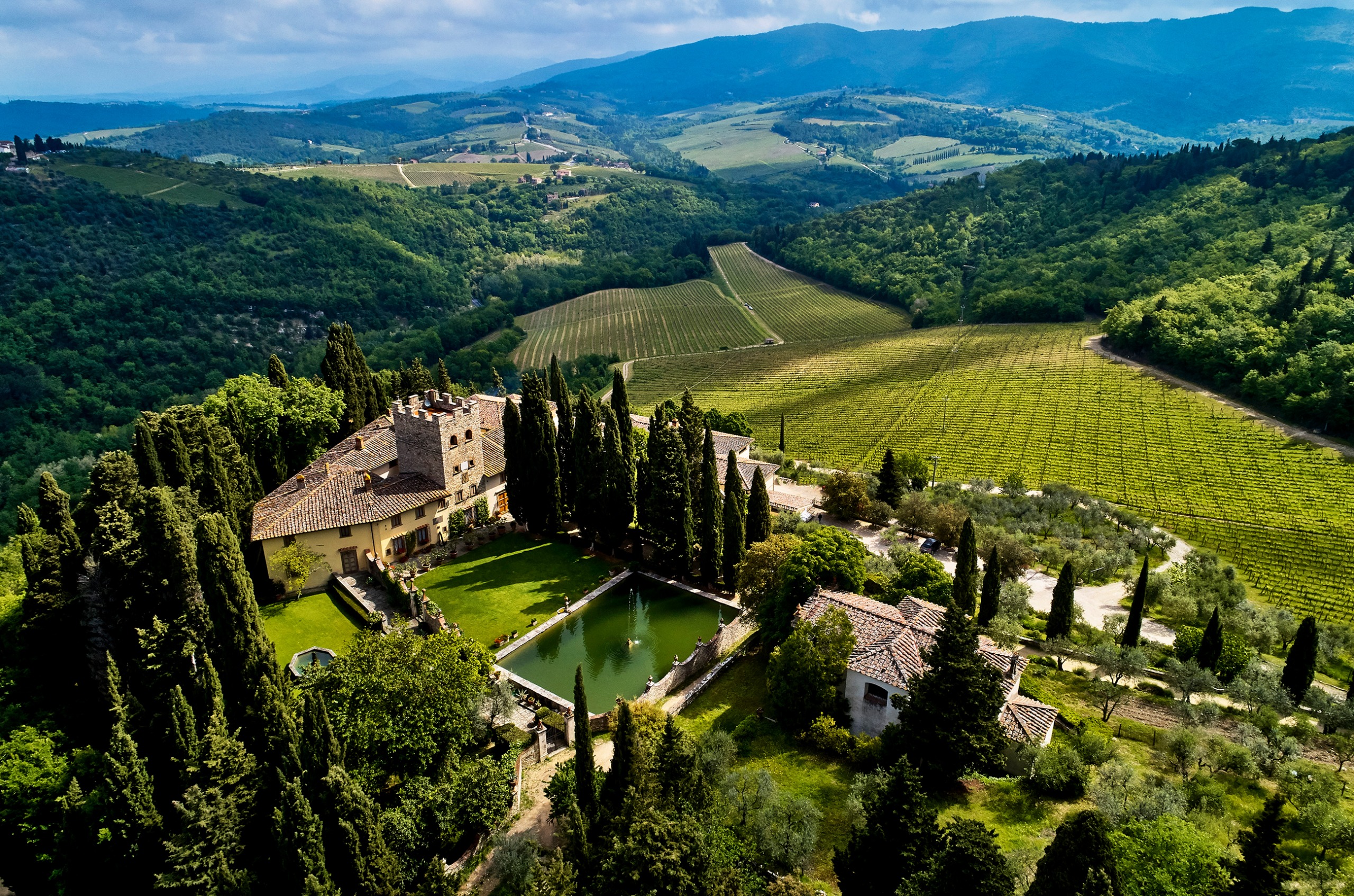 Discover the world of Castello di Verrazzano
Sponsored An ancient castle set amid sprawling vineyards...
-
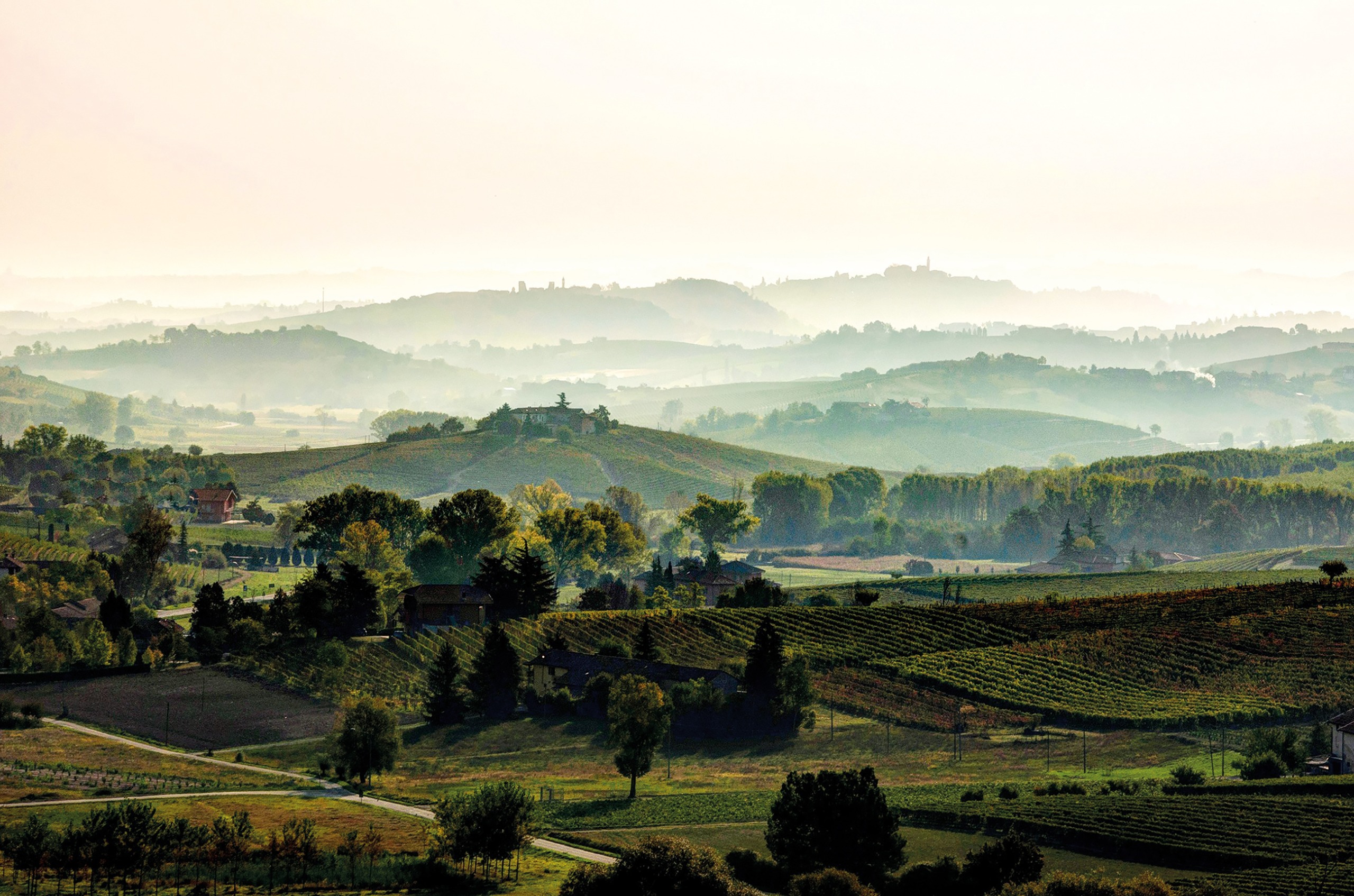 Barbera d'Asti DOCG: Tradition and modernity in Piedmont
Sponsored Many expressions of one variety...
-
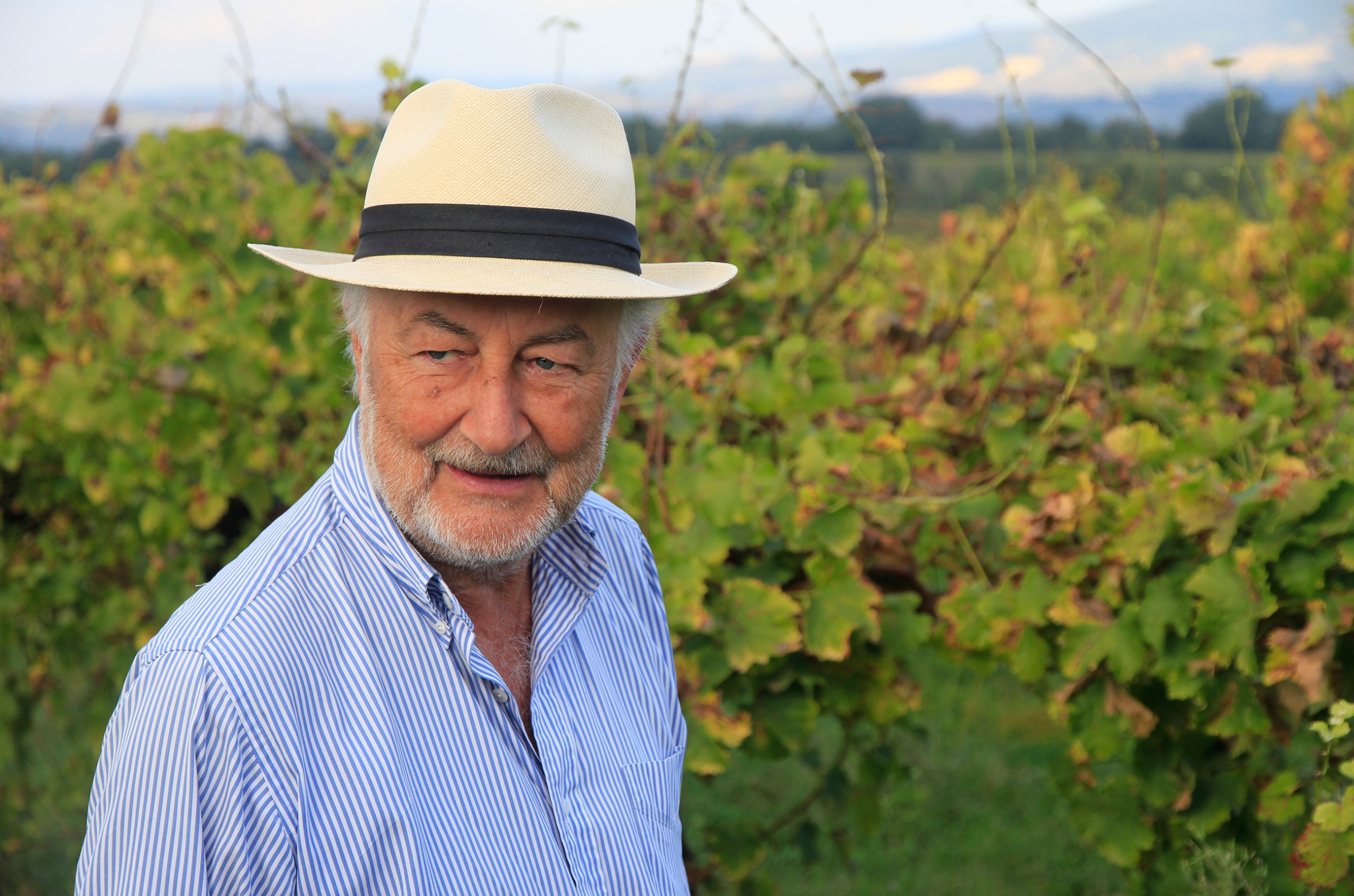 Sergio Mottura: Excellence in Tuscia
Sponsored A renowned figure in Lazio...
-
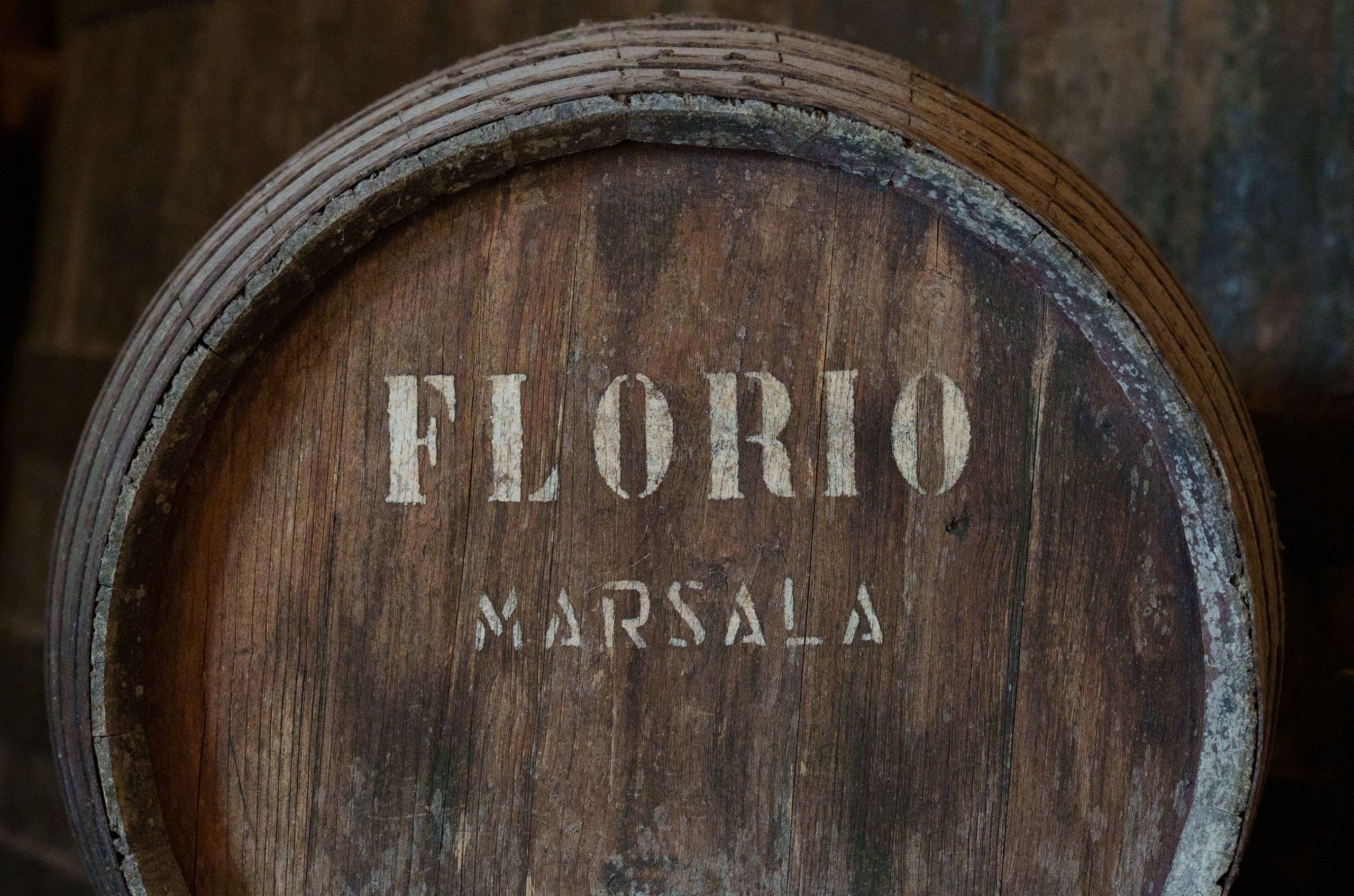 Florio: Winning new fans while respecting Marsala’s history
Sponsored An important milestone in Marsala...
-
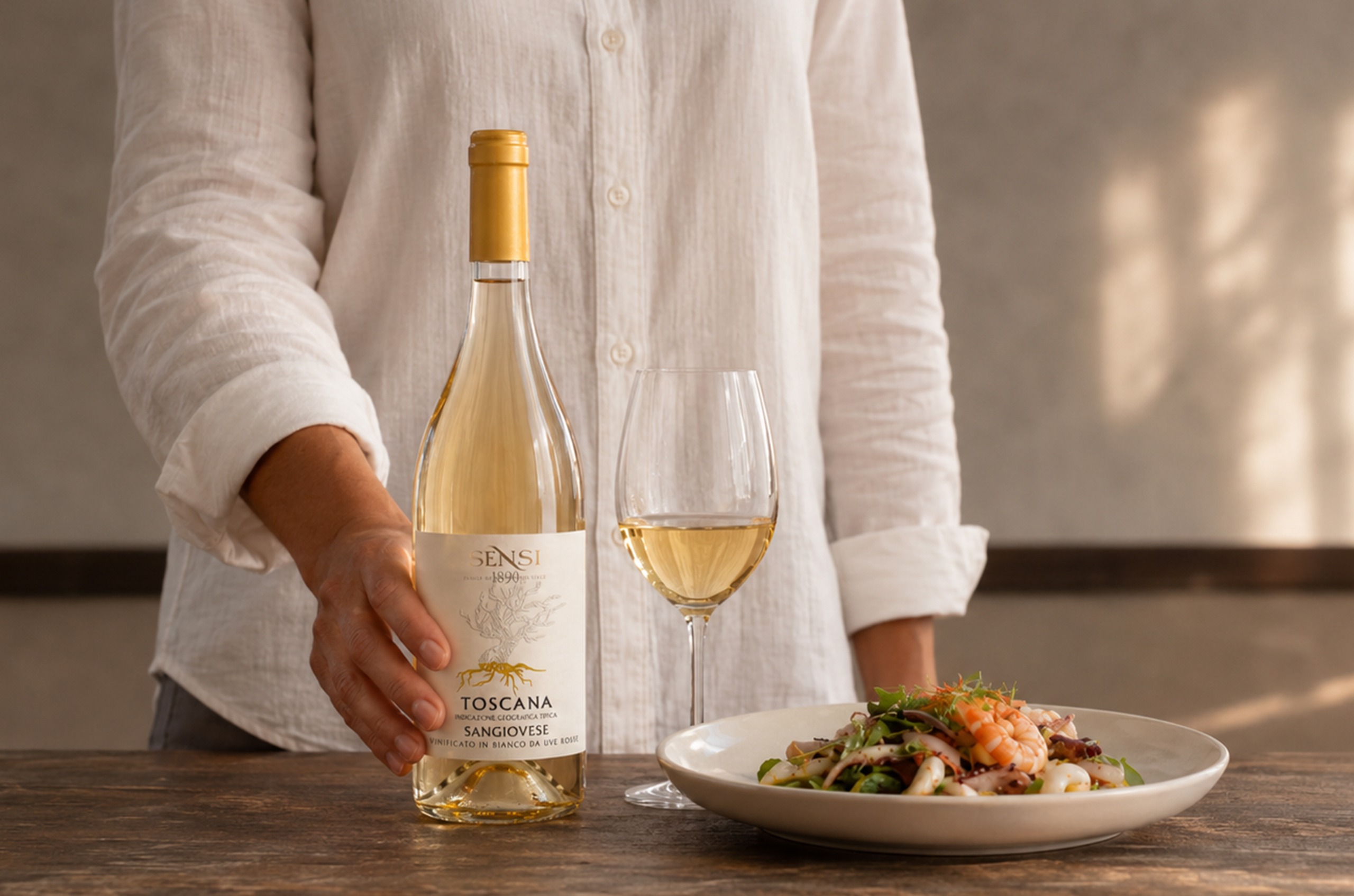 Sensi Vini: The gateway to your Italian wine exploration
Sponsored Chianti and beyond...
-
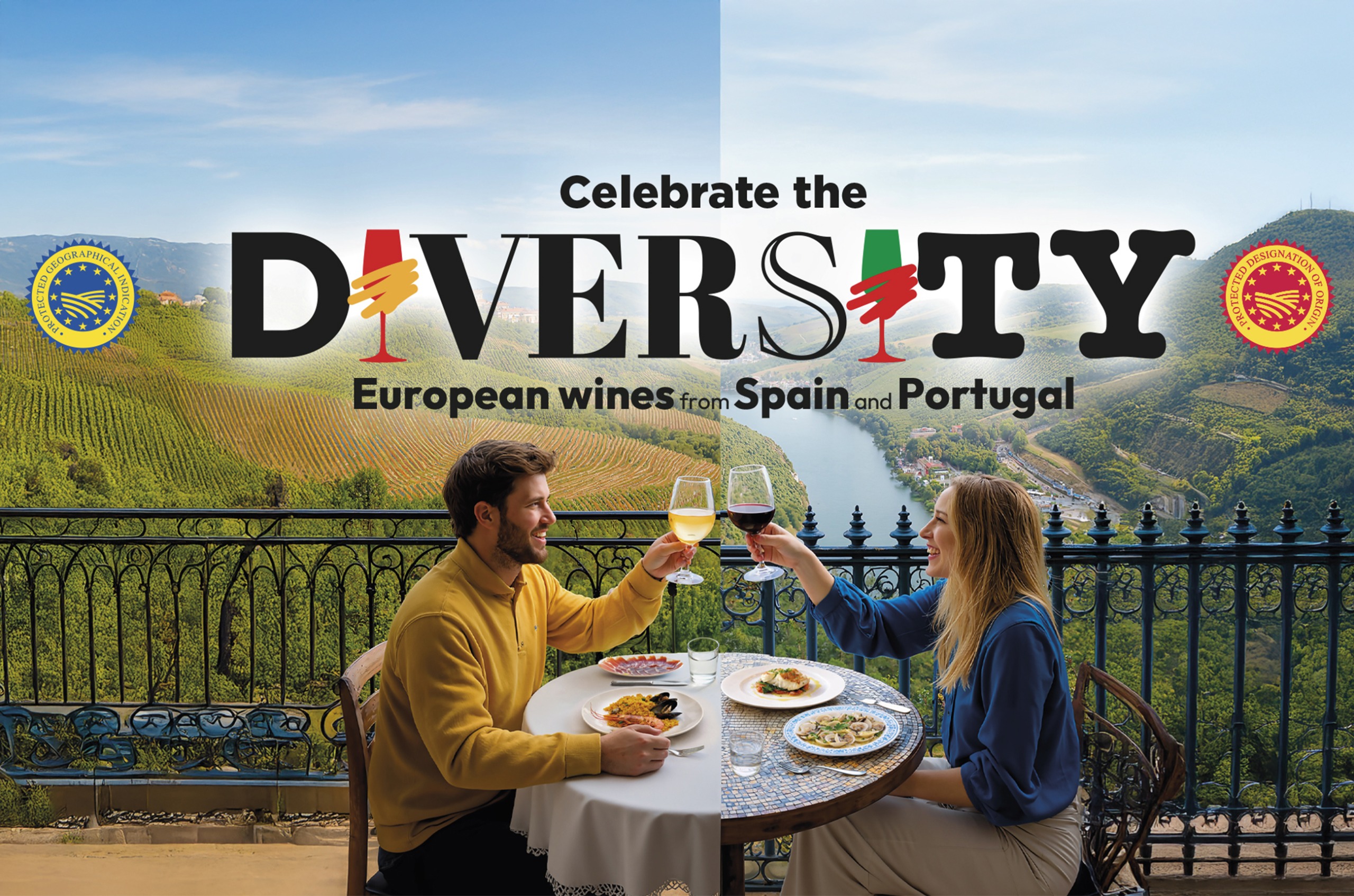 Celebrating European diversity
Sponsored Introducing the ‘Celebrate the Diversity’ project...
-
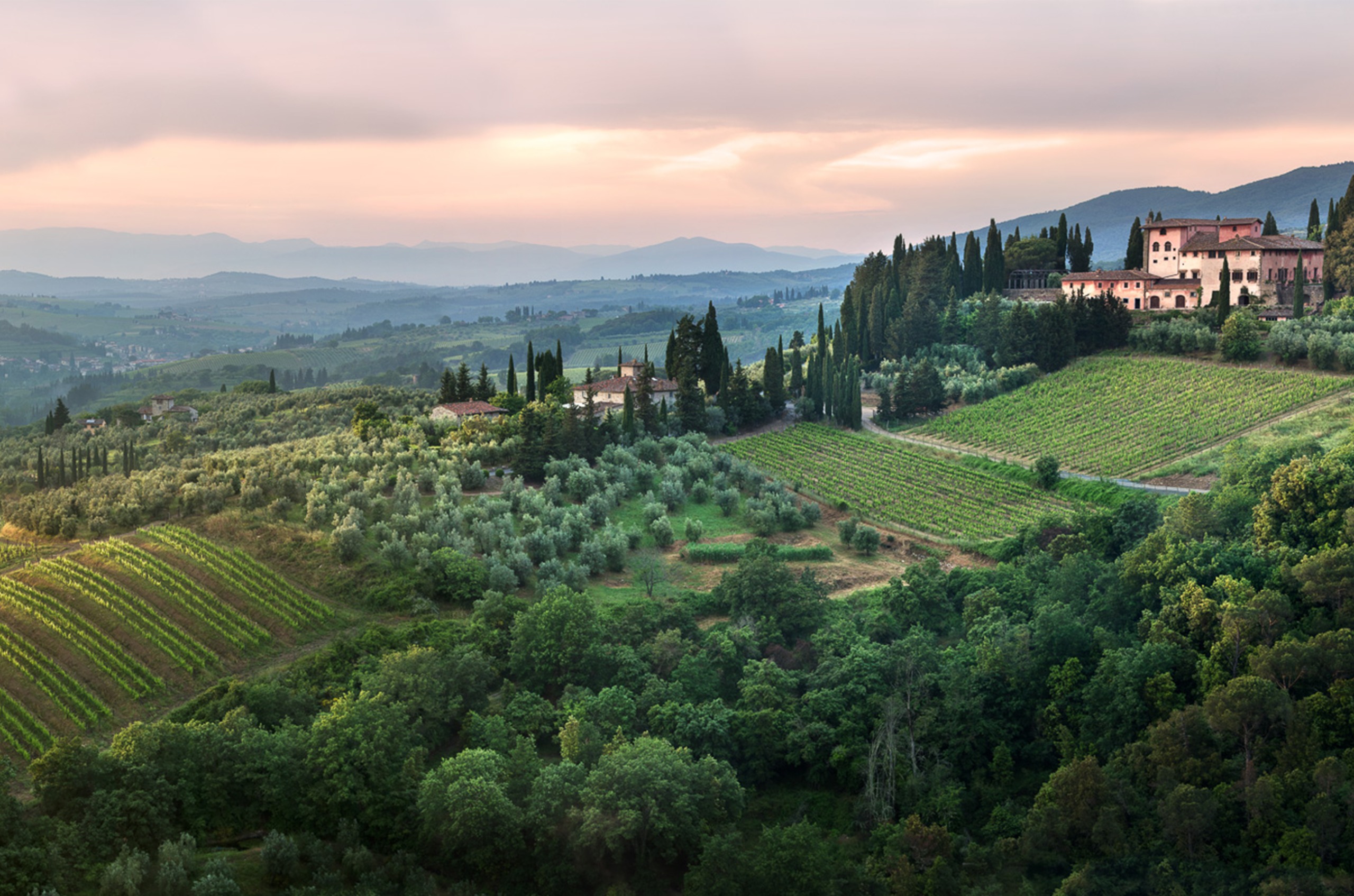 Reinterpreting Tuscan tradition with Vignamaggio
Sponsored An idyllic traditional farm...


