

Best known for its white wines made from Cortese, Gavi sits in the far south-east of Piedmont, just over an hour from Genoa and around 90 minutes from Milan. This is a landscape where Piedmont meets the influence of the sea, and where the culture, cuisine and wines all show the influence of that meeting point.
‘Gavi is off-the-beaten-path compared to the more well-known areas of Piedmont, so it preserves a rare balance between agricultural and natural landscapes, a human scale, and a genuine sense of hospitality,’ says Maurizio Montobbio, President of the Consorzio.
A wide range of styles
Gavi DOCG is the historic home of Cortese, and the wines have long been valued for their freshness, finesse and affinity with food. They are often associated with youthful, easy-drinking styles, but that is only part of the picture. Across the 11 municipalities of the appellation, differences in soil and altitude give Cortese a surprisingly broad range of expression.

Vines on red clay.
On red clay, the wines tend to be broader and more structured. White clay and limestone-rich soils produce tauter, more precise styles. Further south, as the vineyards rise towards the foothills of the Apennines, older metamorphic soils and higher elevations can give wines with more concentration and definition. The result is a denomination with stylistic variation that proves Gavi is not just an aperitif.
For all occasions and cuisines
The range of styles explain why Gavi works so well at the table. ‘Gavi is made to be enjoyed as a thread running through the entire meal,’ says Montobbio. ‘Its most distinctive pairing is with the Ligurian-Piedmontese cuisine of this border area: ravioli, vegetables, anchovies. It works beautifully with trofie al pesto, as well as with classic Piedmontese dishes, from vitello tonnato to tajarin with truffle.’
Yet Gavi’s true strength lies in its versatility. Beyond traditional Italian cuisine it pairs effortlessly with a wide range of global flavors. From the precision and umami-driven profiles of Japanese cuisine to the aromatic spices of Middle Eastern dishes, and from the bold contrasts of American fusion to the vibrant, fermented notes of Korean cooking, Gavi adapts with ease.

In the hills of Piedmont.
The best examples also reward time in bottle. ‘With age, Gavi sheds its immediacy and gains depth. Notes of honey, dried fruit and more pronounced mineral nuances begin to emerge, while the structure broadens and the wine evolves to a new level,’ Montobbio says.
A region steeped in history
As a destination, the town of Gavi itself is compact and easy to explore, with the medieval Forte di Gavi rising above a historic centre of narrow streets, arcaded buildings and small wine bars. From there, the vineyards are close at hand. Tastings, cellar visits and hospitality are increasingly part of the region’s offer, yet without the concentration of tourism found elsewhere. As Montobbio notes, ‘The wineries, often family-run, offer a direct relationship for visitors. Today, around two-thirds of wineries are equipped to welcome visitors, offering tastings, vineyard and cellar tours, events and, in some cases, hospitality.’

The medieval Forte di Gavi.
For lovers of arts and culture, the Forte di Gavi and the archaeological site of Libarna are essential stops. In particular, Libarna stands out as one of the most significant Roman sites in Northern Italy: an ancient city where traces of theaters, roads, and residential areas still tell the story of a vibrant commercial hub deeply connected to agriculture and wine production.
Gavi’s distinctive mix of local wine, regional cuisine and a unique sense of place is what makes it stand out. It remains one of Piedmont’s quieter discoveries, but for drinkers willing to look beyond the obvious, it is a true hidden gem.
Discover more about Gavi: consorziogavi.com



-
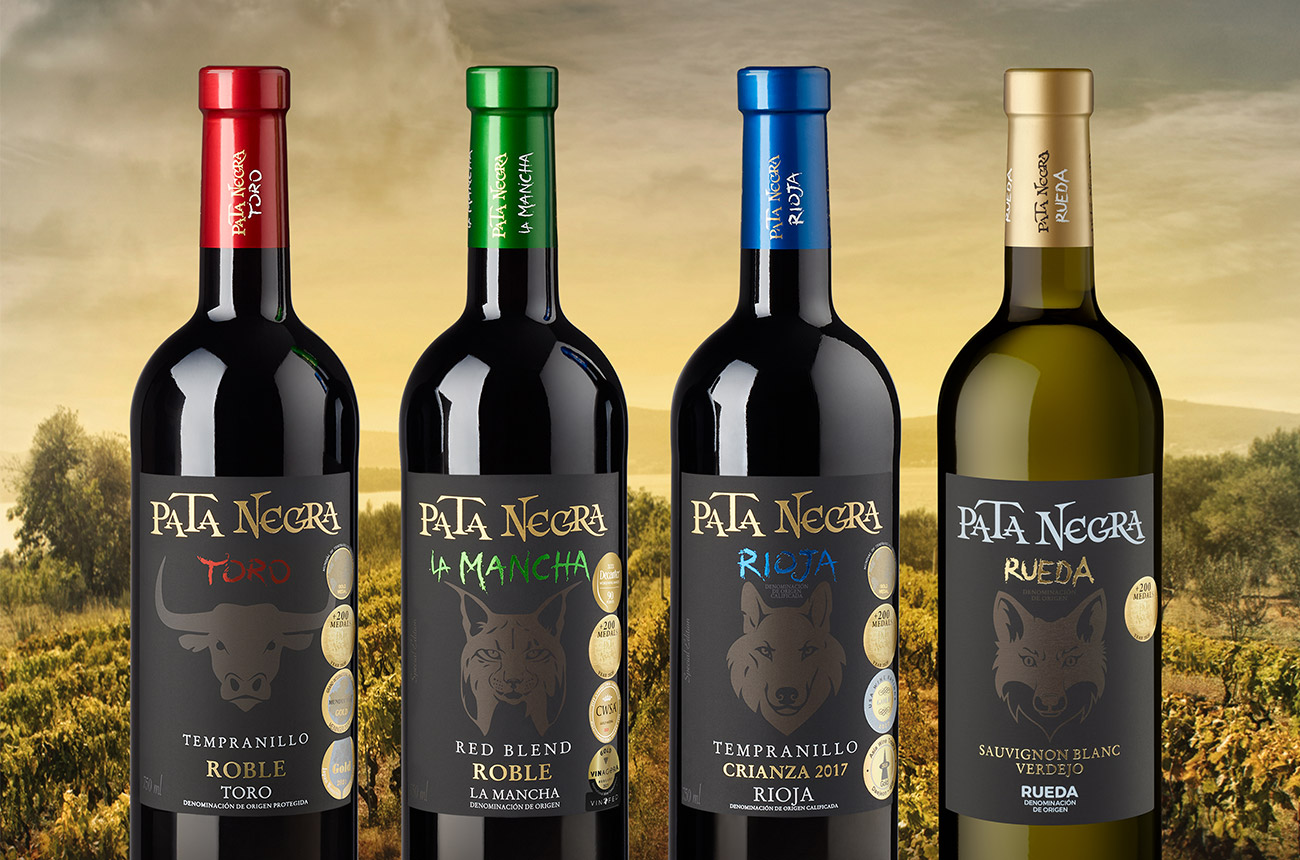 Setting the standard for Spanish wine: Pata Negra Fauna
Sponsored A journey through Spain's wine regions...
-
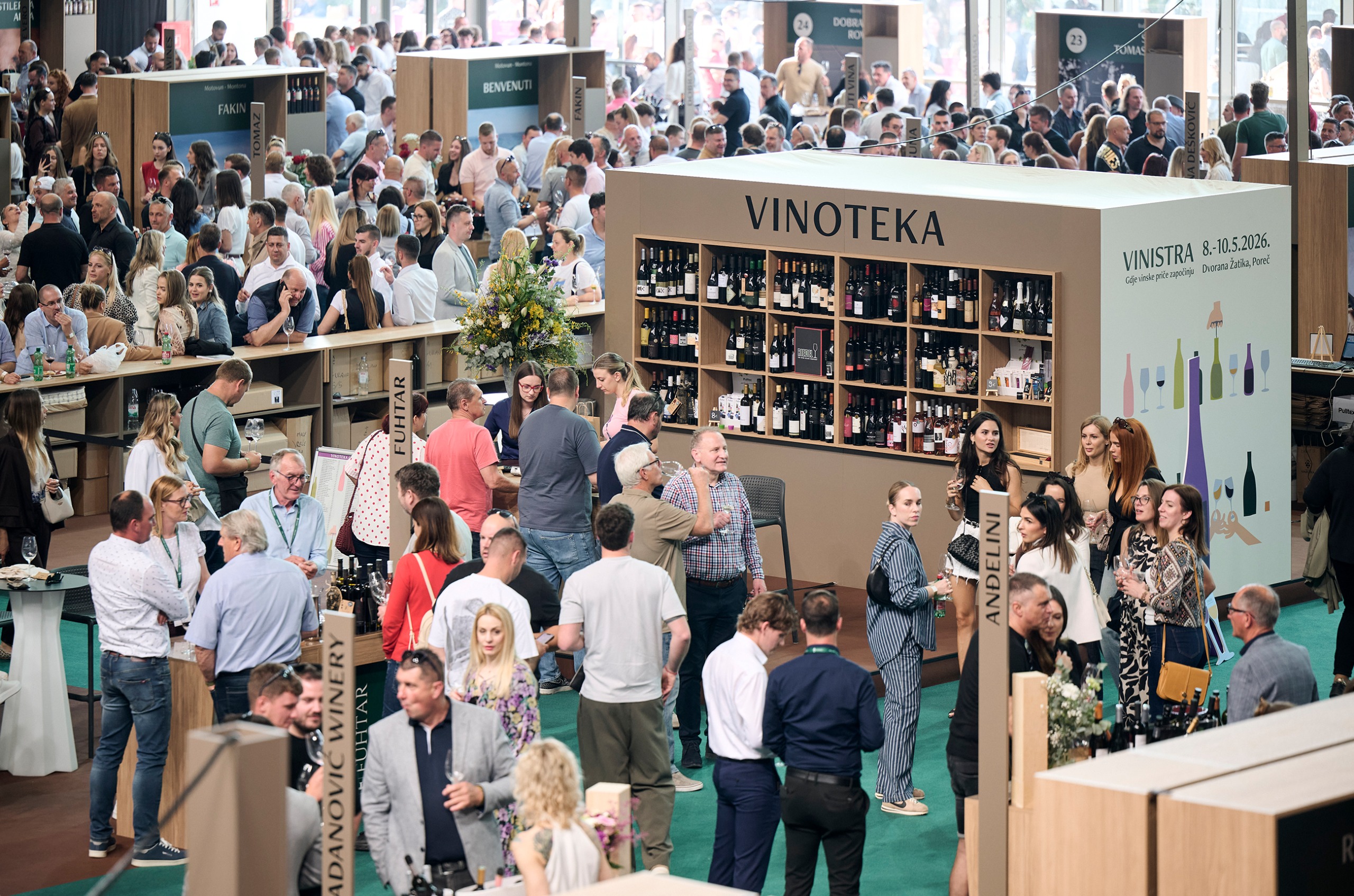 Istria: A bright future for Vinistra
Sponsored Showing Istria's diversity and quality...
-
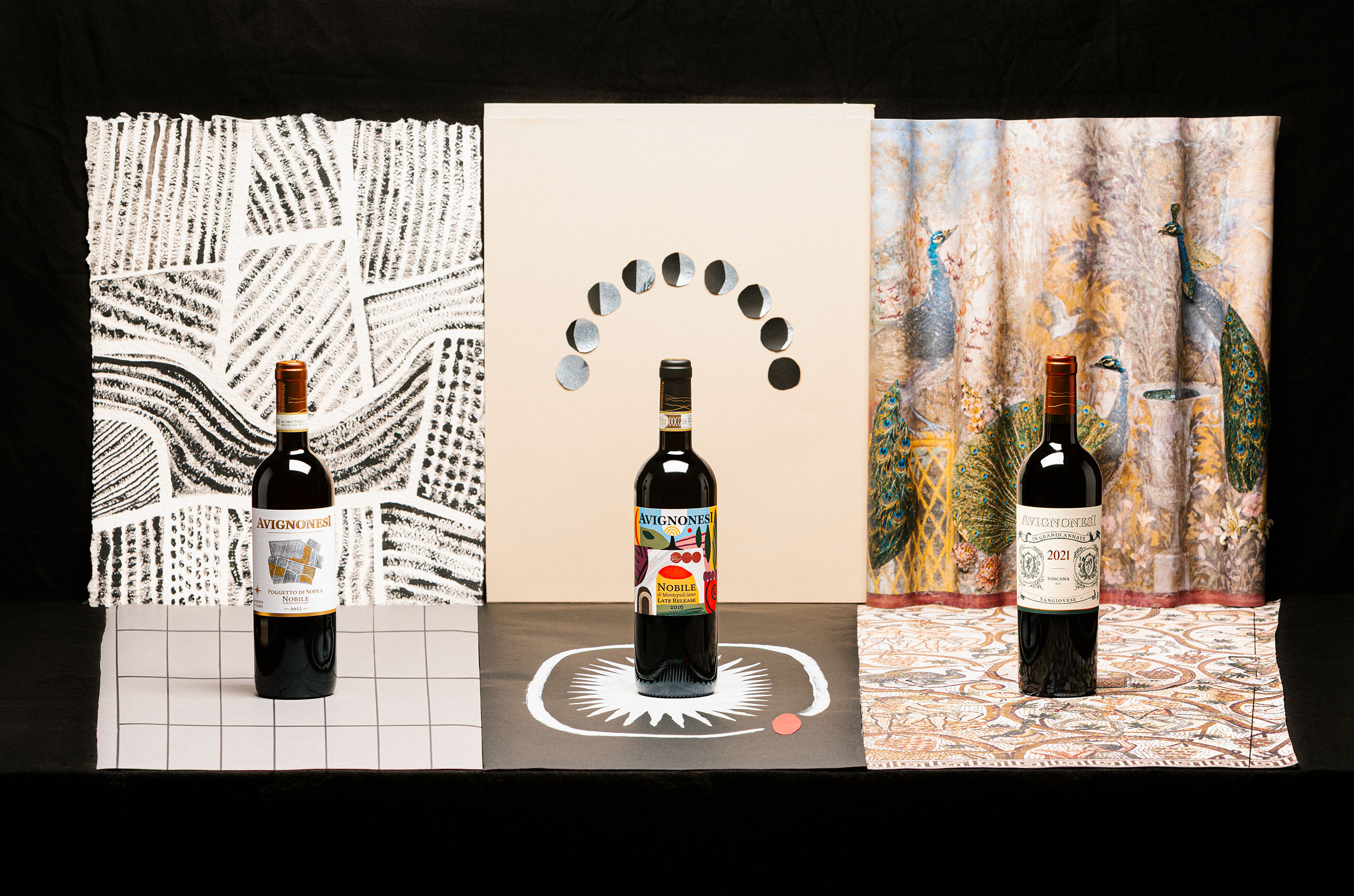 Avignonesi: The soul of Sangiovese
Sponsored Storied expressions of Tuscany’s most famous grape...
-
 Alto Adige: Where diversity meets quality
Sponsored A hidden gem...
-
 Gualtallary Wines: A Mendoza winery with an international vision
Sponsored Excellence at high altitude...
-
 Casa Real 2023: A South American icon
Sponsored A renowned Cabernet Sauvignon...
-
 Critical acclaim for Condado de Haza
Sponsored A coveted medal...
-
 The life and soul of Istrian winemaking
Sponsored The region's flagship grapes...


