

Although the second smallest country in South America, Uruguay makes up for its size with remarkable diversity. There are 99 distinct soil types identified in Uruguay, and in combination with the influences of the River Plate, Atlantic Ocean and rolling sierras, Uruguay has an unusually varied patchwork of wine terroirs for such a small country.

Montevideo and Canelones
At the heart of Uruguayan wine country lie Montevideo and Canelones. Together they have more than 4,500ha of vines, accounting for more than three quarters of the country’s total vineyard area and home to the large majority of its wineries.
As Montevideo grew through the 19th and 20th centuries, vineyards developed around the capital and increasingly into neighbouring Canelones – catering to the ever more thirsty local market. The gentle slopes and fertile clay-calcareous soils that are typical of Canelones and Montevideo were also ideal growing conditions for viticulture.
Tannat became the champion of the region, but also Sauvignon Blanc and Merlot, together with Marselan, Albariño and Cabernet Franc, which have become increasingly important in recent years.
This region is home to many of Uruguay’s historic wine families, including Pizzorno, Pisano, Giménez Méndez, Traversa, Montes Toscanini and Varela Zarranz. While many producers work with the classic varieties, others have carved out particular niches.
De Lucca and Pablo Fallabrino have championed Italian varieties from Nero d’Avola and Aglianico to Arneis and Nebbiolo. Bodegas Carrau and Cavani work with Petit Manseng, the Pyrenean variety best known in Jurançon, while a younger generation, including Nakkal, is reinterpreting less-celebrated grapes such as Muscat Ottonel and Trebbiano.
From the light-bodied coastal whites and richer aromatic varieties, to the more structured, ageworthy Tannat so typical of the region, there is a thrilling combination of tradition and innovation in Montevideo and Canelones today.

Harvest in Montevideo.
Maldonado and the eastern coast
Ever more present on the wine map is Maldonado – the coastal region to the east of Canelones. Only in 2001 did modern pioneers Alto de la Ballena first plant vines here, but since then the region has shot into the limelight as Uruguay’s fastest-growing wine region and one of its most important in terms of quality.
One reason Maldonado had not been widely planted before is that the poor, rocky soils, often with significant amounts of granite, were challenging to cultivate and produced much lower yields. But as the focus in Uruguay shifted from quantity to quality in the 1990s and 2000s, more and more winemakers set their sights towards the east.
Here, the stronger coastal influence and free-draining granite and rocky soils give Tannat wines with more freshness and brightness, exemplified by the unoaked styles of Viña Edén.
‘There is a thrilling combination of tradition and innovation in Montevideo and Canelones today.’
Meanwhile, this is also the land of some of the country’s top whites. Bodega Bouza pioneered Albariño in Uruguay, and the Galician variety has increasingly found a home in Maldonado, with wineries including Bodega Garzón, Bodega Oceánica José Ignacio, Familia Deicas and Cerro del Toro making superb examples.
Not only are white wines thriving in Maldonado, but lighter styles of red are too, with Pinot Noir becoming a speciality of the region.
The map continues to expand east, with a handful of producers now emerging in Rocha – the coastal region neighbouring Brazil. Exploration continues along Uruguay’s east coast, and with it comes an ever greater range of wine styles.

Vines in Maldonado.
Colonia and the west coast
To the west of Montevideo are the pastoral hills of San José and then the region of Colonia, both key grazing areas for Uruguay’s famous cattle, as well as important wine regions.
Colonia has a significant place not only in the history of the nation but also in its wine heritage. Here you find the country’s oldest commercial winery, Los Cerros de San Juan, founded in 1854, and a host of traditional wine families including the Zubizarreta family. With a hub of production around Carmelo, there are also a handful of newer, more boutique wine producers, part of the charm of its wine route.
Tannat is one of the key varieties here, but with the warmer influence of the River Plate and a range of riverine soils, the wines are typically more voluminous and rich.
‘While most of Uruguay’s wine regions are concentrated along the southern half of the country... the inland regions are increasingly putting themselves on the map for quality and style.’
Inland and beyond
While most of Uruguay’s wine regions are concentrated along the southern half of the country – from Colonia in the far west all the way to Rocha in the far east – the inland regions are increasingly putting themselves on the map for quality and style.
Rivera in the far north, notably through the work of Cerro Chapeu and Cerros de Oro, is renowned for its red, sandy soils and fragrant, juicy wines, often with distinctly silky tannins.
Right in the centre of the country, Durazno is known for more supple styles, and – particularly thanks to El Capricho winery – has become a hub of experimentation, including some of the country’s early plantings of Verdejo and Mencia.
Uruguay’s wine map may be small, but it is far from uniform. And as producers continue to explore new regions, varieties and styles, its diversity is only becoming more apparent.
Learn more about the wines of Uruguay
Connect on Instagram | Facebook | Youtube | LinkedIn


-
 Ruggeri: Valdobbiadene Prosecco Superiore DOCG that’s made to last
Sponsored From the Cartizze hills...
-
 Uruguay: A country guided by possibility
Sponsored Embracing self-discovery...
-
 Vallepicciola: Tourism and winemaking in the Chianti hills
Sponsored Winemaking and luxury hospitality...
-
 A standout voice in Valpolicella
Sponsored A key name for Valpolicella and Amarone...
-
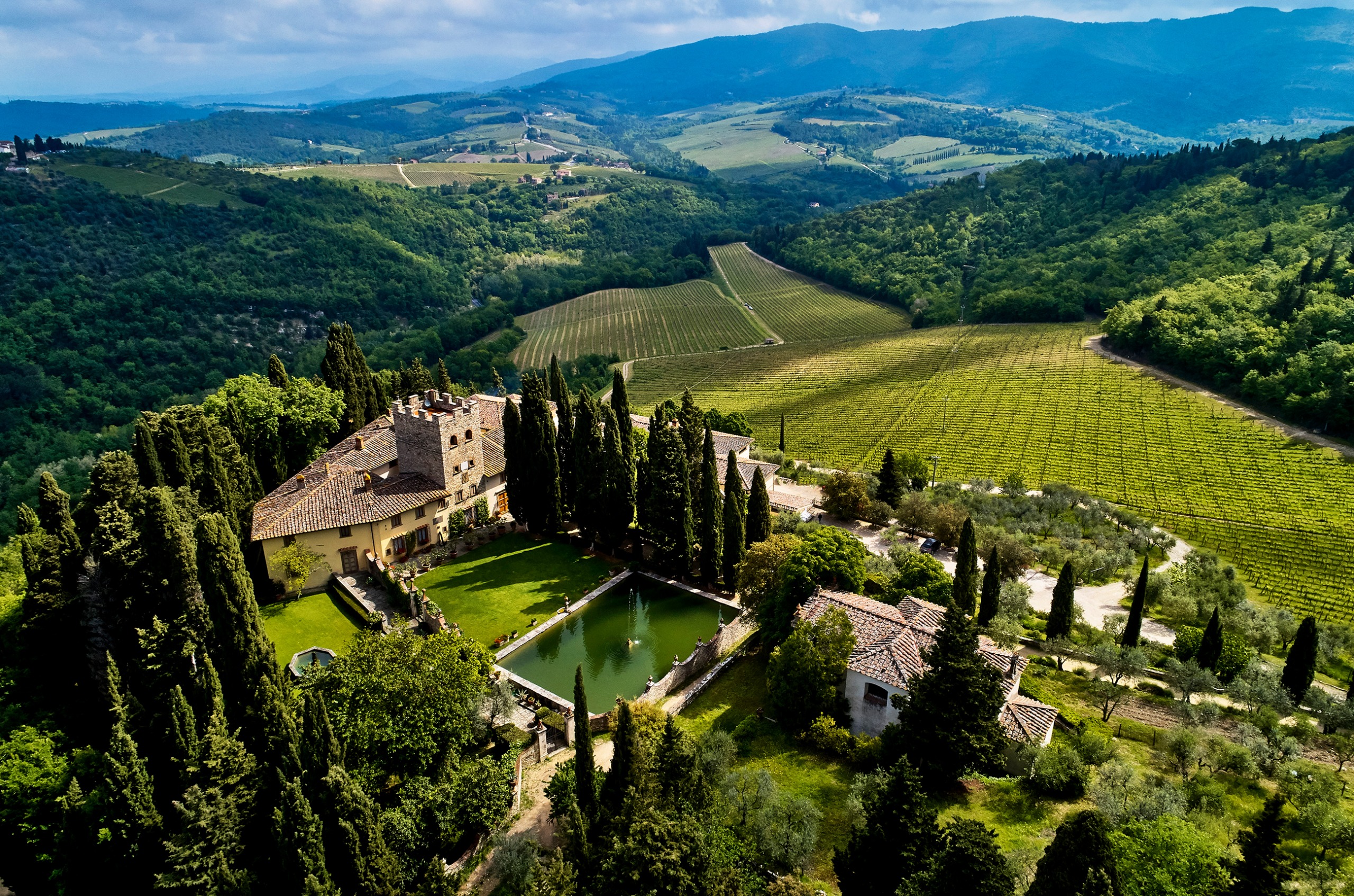 Discover the world of Castello di Verrazzano
Sponsored An ancient castle set amid sprawling vineyards...
-
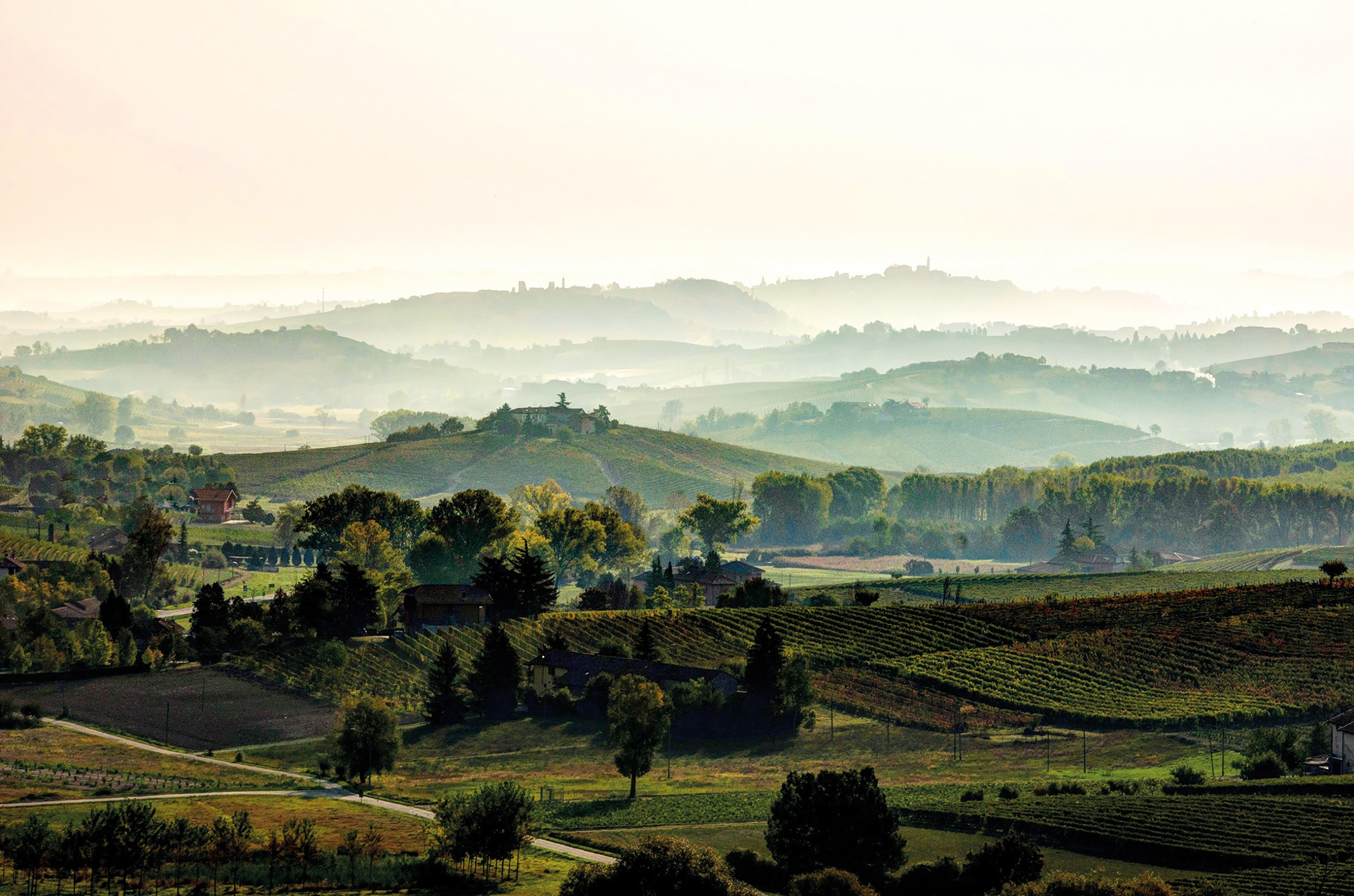 Barbera d'Asti DOCG: Tradition and modernity in Piedmont
Sponsored Many expressions of one variety...
-
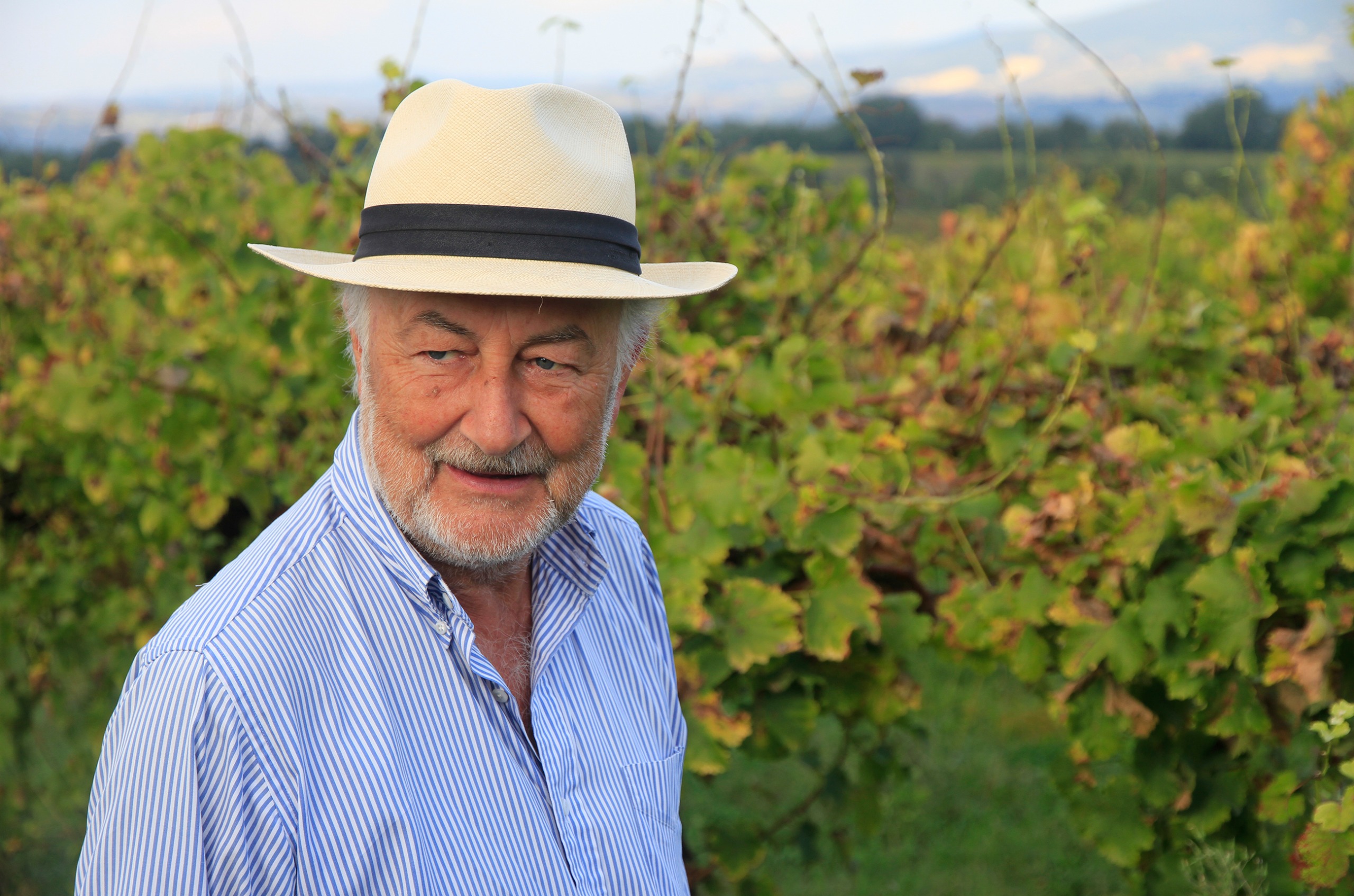 Sergio Mottura: Excellence in Tuscia
Sponsored A renowned figure in Lazio...
-
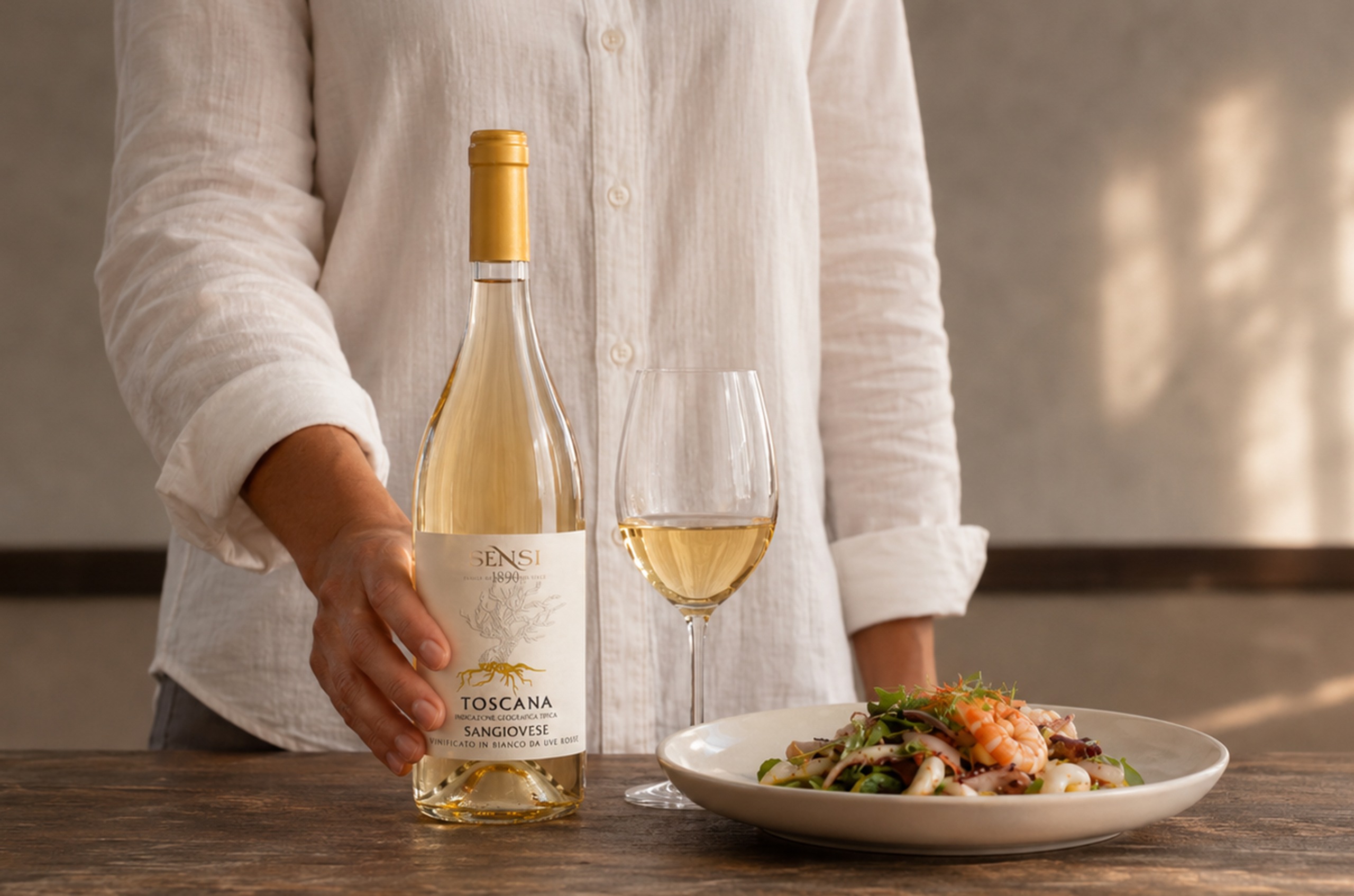 Sensi Vini: The gateway to your Italian wine exploration
Sponsored Chianti and beyond...


