

There are hundreds of wineries in Valpolicella, but only one carries the Cangrande della Scala, the famous symbol of Verona, on its label: Sartori di Verona. Using the image of the medieval Veronese lord on horseback – tells you a lot about the winery itself.
Local pride
For starters, Sartori is immensely proud of its origins. The Valpolicella vineyards stretch around the hills north of Verona and to the east of mighty Lake Garda, in the shadow of the Alps. It is a stunningly beautiful part of the wine world, and the Sartori winery is located in the prestigious heart of the Valpolicella Classico vineyards.
Secondly, as the medieval image suggests, the winery is deeply embedded in local history. Pietro Sartori bought his first barrel of wine back in 1898 – before the Valpolicella denomination even formally existed – going on to acquire the Villa Maria estate in 1924.
The family-run business has been based in the same grand building ever since; it is as much a part of the Valpolicella landscape as the vineyards that have stretched over these south-facing slopes since Roman times.

Villa Maria Sartori di Verona.
Modern moves
Having deep roots, of course, is not the same as standing still. Regolo Sartori drove his father’s business forward throughout the middle of the 20th century, taking the family’s wines to the world.
More recently, Sartori di Verona has established strong connections across the city’s artistic and cultural scene while developing distinctive wines that are deeply rooted in the territory. The Valpolicella wines are classic examples of their style, but deftly balanced for modern palates.
Named after the second Sartori to run the company, the Regolo Valpolicella Ripasso DOC Classico Superiore is passed through Amarone grape skins, making a structured and concentrated, yet approachable, wine.
The estate’s two Amarones are made with grapes that have been air-dried for up to 90 days in a fruttaio (drying loft) to increase their intensity.
Reius Amarone della Valpolicella DOCG Classico undergoes a slow fermentation and spends three years in large oak casks to give a velvety wine of concentration and finesse.
Sartori’s Corte Brà Amarone della Valpolicella DOCG Classico Riserva is made from grapes grown in the vineyard nestled within the family’s estate, and is refined and elegant. Matured in smaller barrels, it will evolve beautifully over many years.

Corte Brà Amarone della Valpolicella DOCG Classico Riserva.
Discover more about the wines of Sartori di Verona
Connect on Facebook | Instagram


-
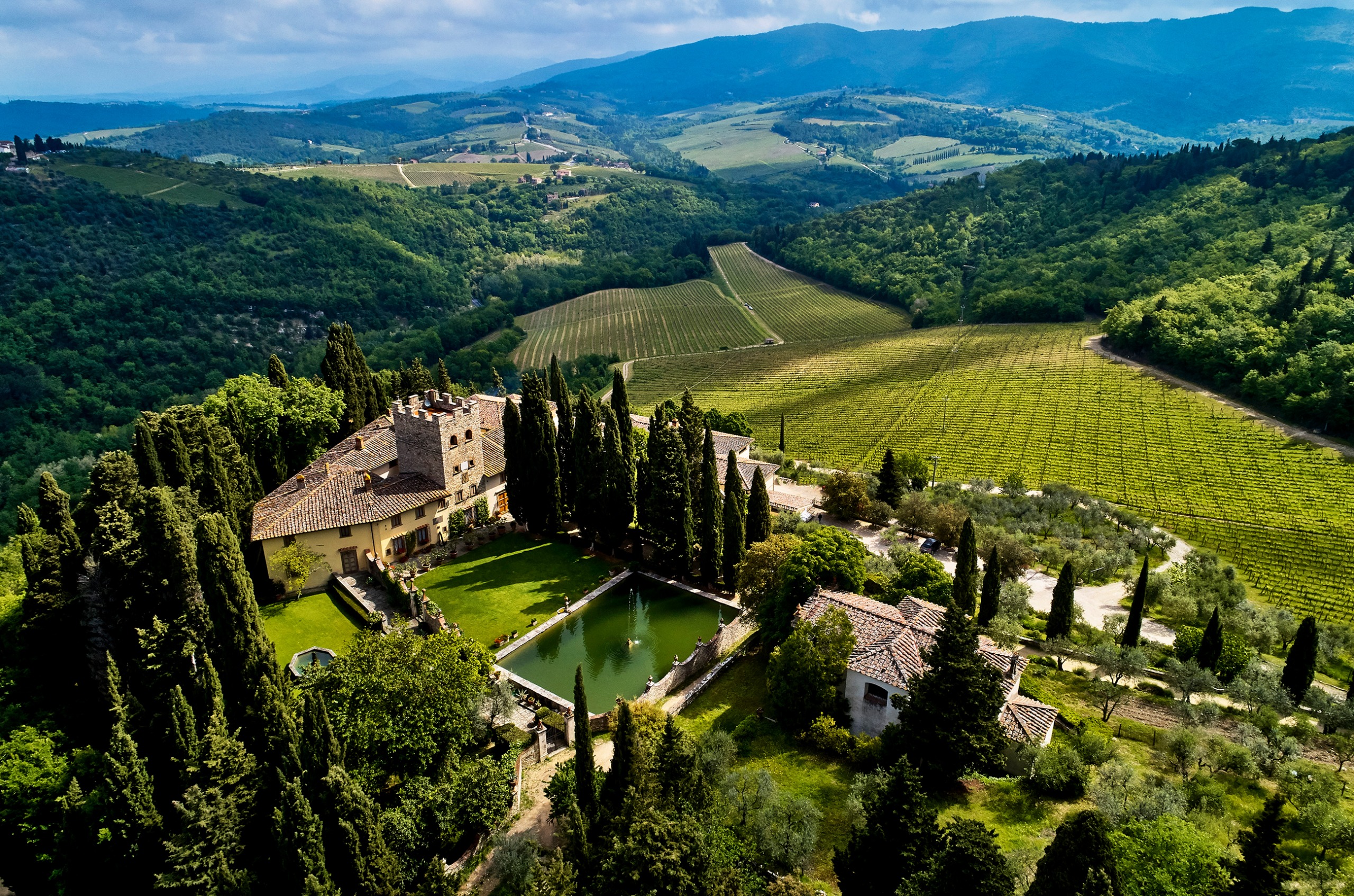 Discover the world of Castello di Verrazzano
Sponsored An ancient castle set amid sprawling vineyards...
-
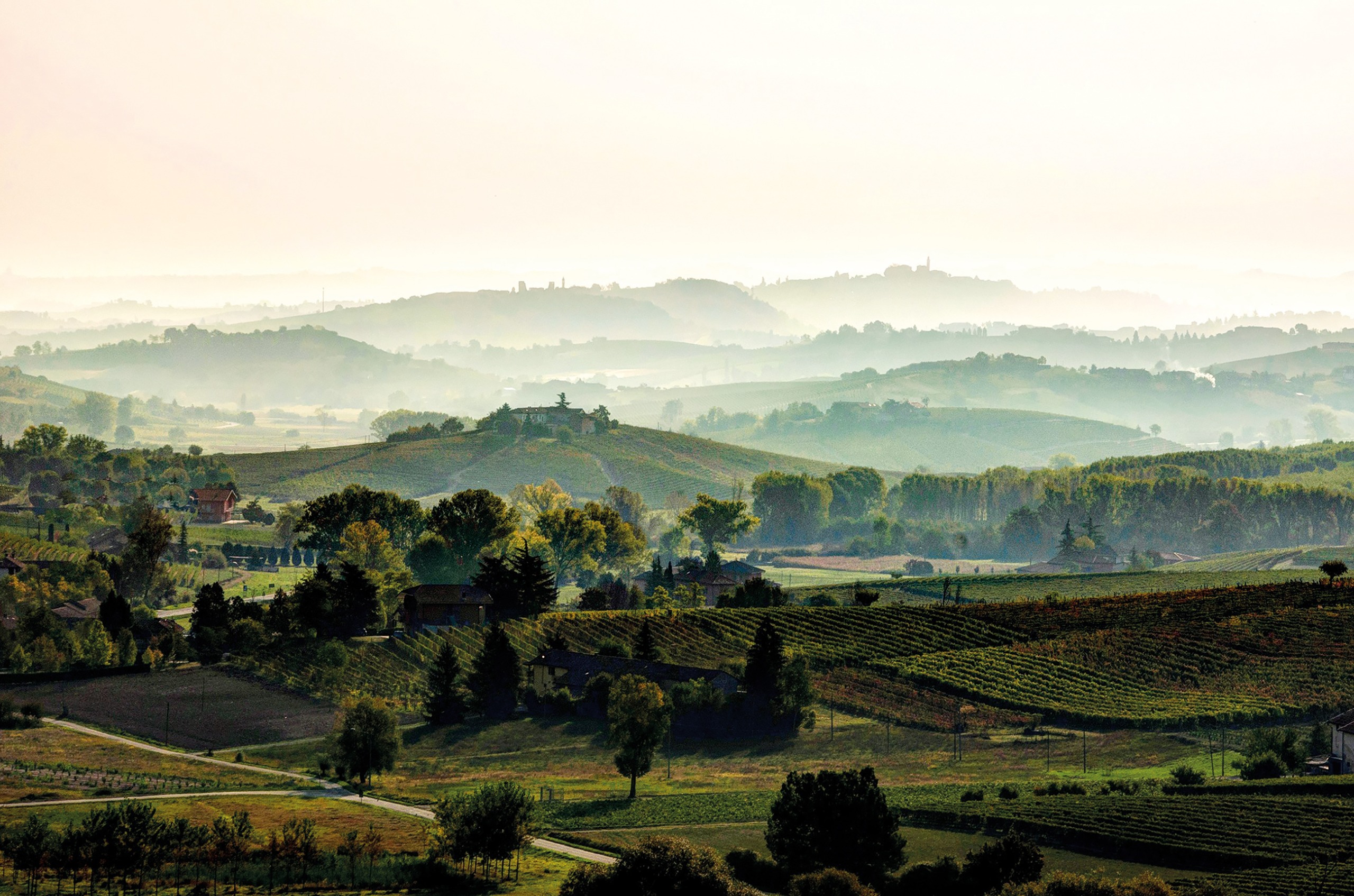 Barbera d'Asti DOCG: Tradition and modernity in Piedmont
Sponsored Many expressions of one variety...
-
 Sergio Mottura: Excellence in Tuscia
Sponsored A renowned figure in Lazio...
-
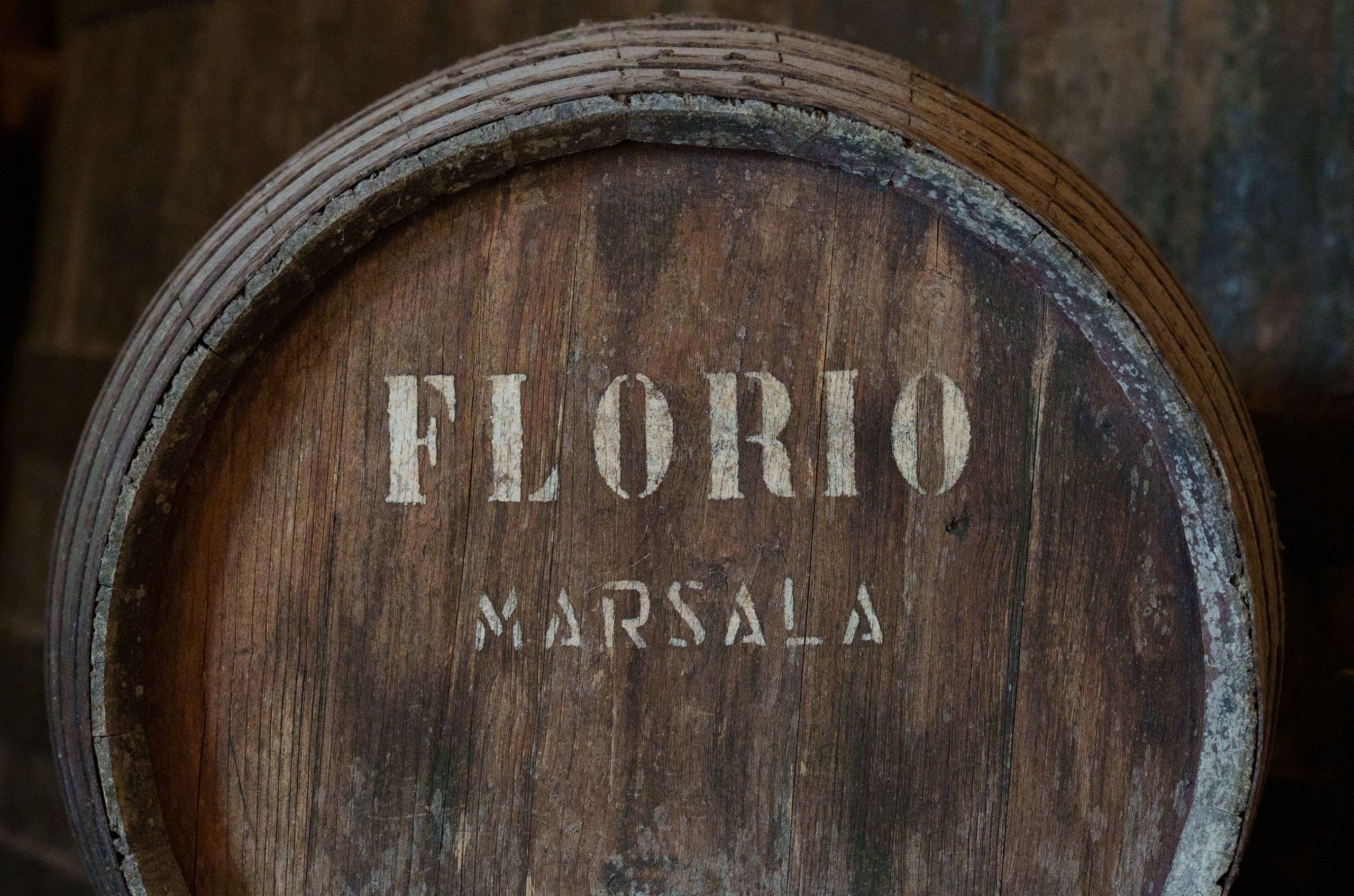 Florio: Winning new fans while respecting Marsala’s history
Sponsored An important milestone in Marsala...
-
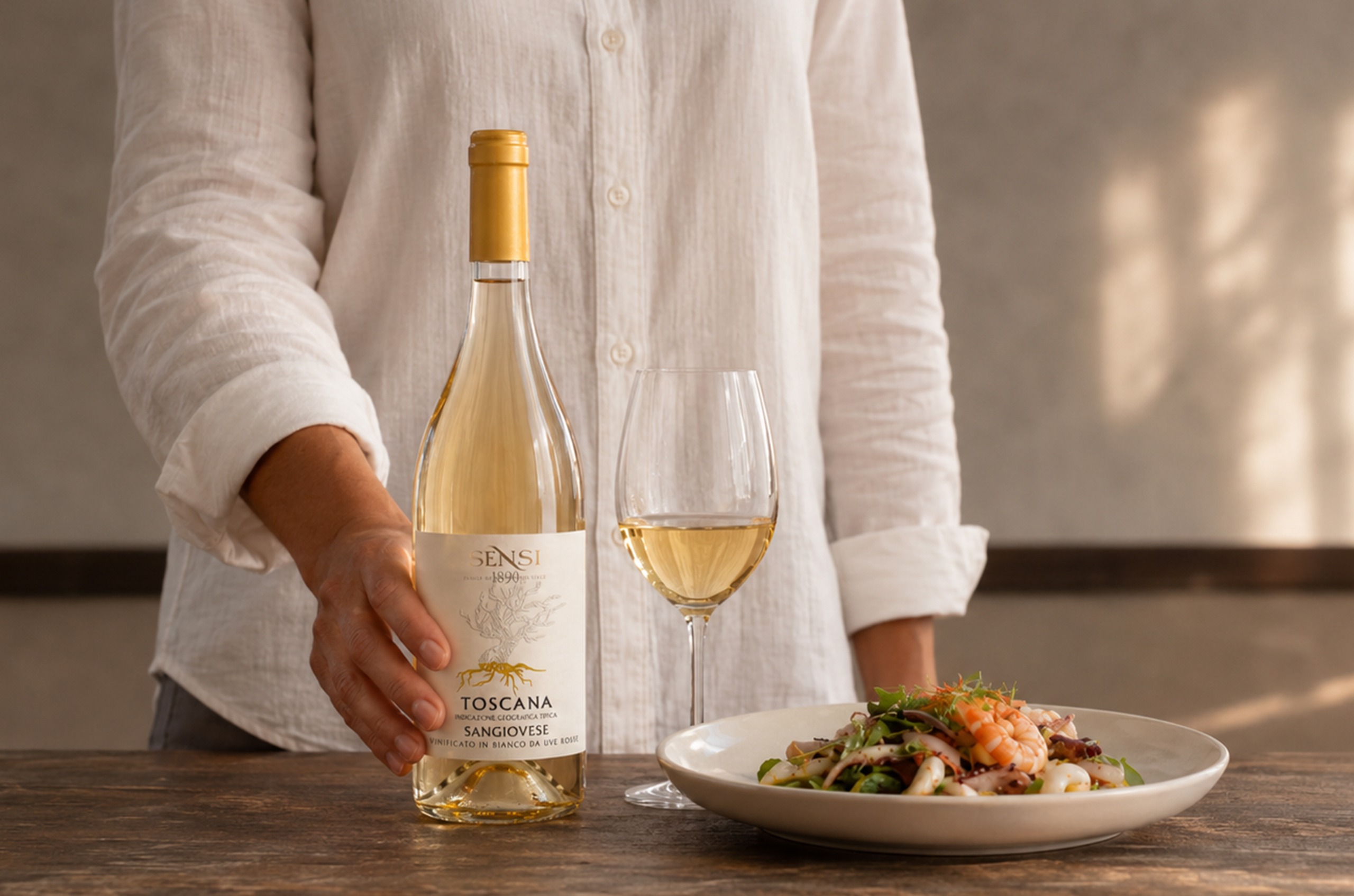 Sensi Vini: The gateway to your Italian wine exploration
Sponsored Chianti and beyond...
-
 Celebrating European diversity
Sponsored Introducing the ‘Celebrate the Diversity’ project...
-
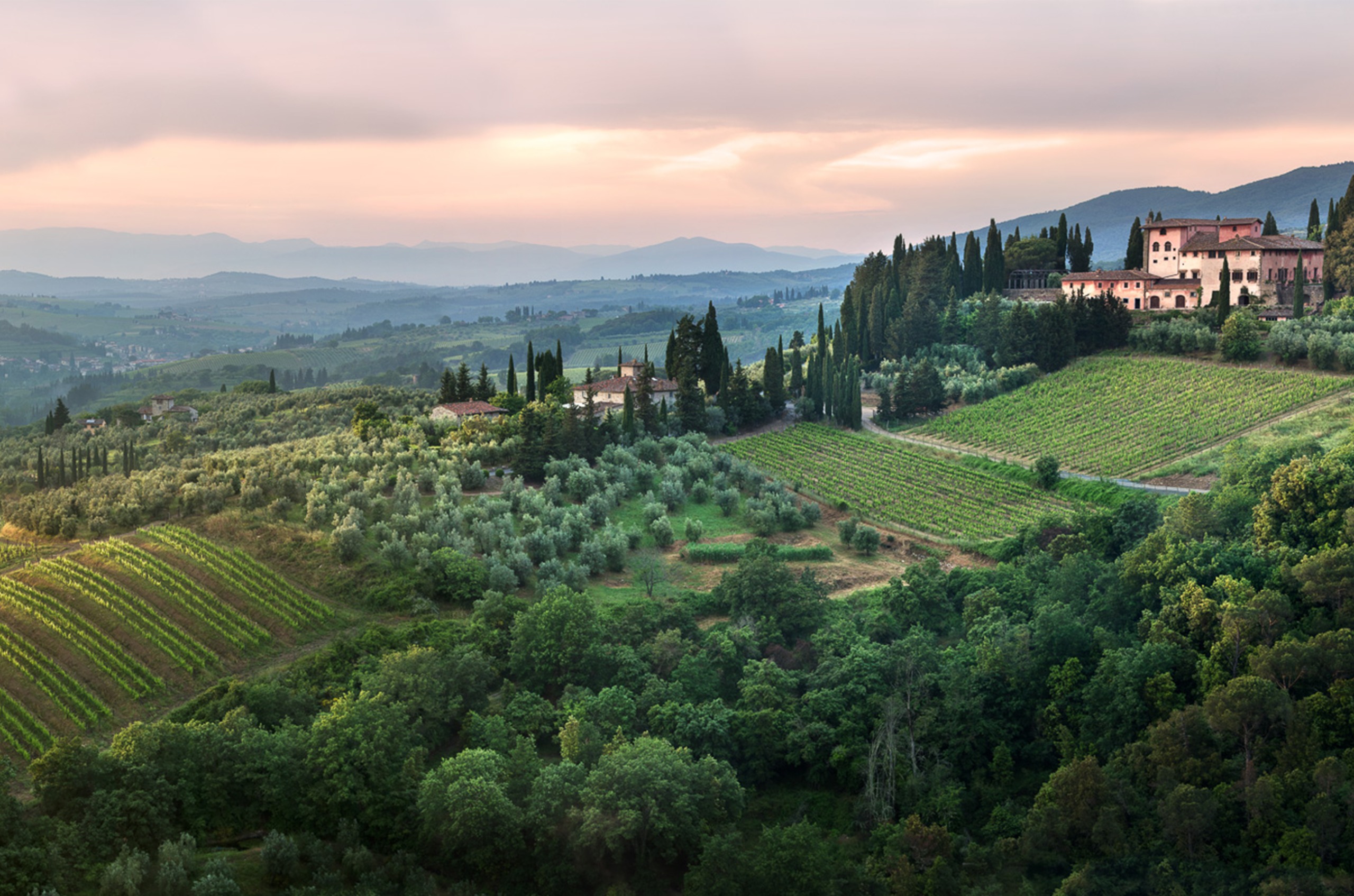 Reinterpreting Tuscan tradition with Vignamaggio
Sponsored An idyllic traditional farm...
-
 Vinitaly.USA: Where Italian wine meets the US market
Sponsored Bringing opportunities and encounters to New York...


