

The story of the Florio family is woven into the wider tale of Marsala, the fortified wine made around the north-western Sicilian port. Vincenzo Florio arrived in the city from Calabria in 1833, following in the footsteps of British merchant John Woodhouse, who fortified the first local wines with brandy in 1773 to create the world-famous style.
Vincenzo built his winery between those of Woodhouse and fellow British firm Ingham-Whitaker. It took time to compete against its international rivals but, by the middle of the 19th century, Florio was breaking the British stranglehold on the Marsala market, eventually surpassing and subsuming its older peers.
Production begins by pressing Grillo grapes forcefully before fermenting the juice robustly in concrete tanks. Alcohol is then added to the wine to give birth to the Marsala, a process the winemaker calls ‘falling in love’.
Marsala Vergine is produced by fortifying the wine with alcohol. Meanwhile, Marsala Superiore and Superiore Riserva also include ‘mistelle’ – made by adding alcohol earlier to stop the fermentation and retain sweetness from the grape sugars – and ‘cooked must’, when the grape skins or ‘must’ are cooked for several hours, adding amber colours and enhances the complex flavours.

Florio makes a wide range of Marsalas.
Blending tradition with innovation
While Florio’s roots are set deep within Marsala’s heritage, the winery continues to innovate in order to introduce its fortified wines to fresh audiences around the world. No more so is that true than in its ‘New Geography’ project through which it creates limited-edition wines.
Each New Geography bottle is wrapped in a distinctive label that contains information about the date of fortification, oak ageing, and even the location of the barrels within Florio’s cellar.
Each bottle’s character is affected by the distance of the barrel from the salty sea-breezes and the ‘angels’ share’, the amount of wine that evaporates in the island heat, concentrating the sugars and flavours left behind.
The bottles are already attracting plaudits, with the Florio VR2206 Marsala Vergine Riserva 2006 picking up 96 points and a gold medal at the 2026 Decanter World Wine Awards. ‘A stunning complexity of crème brûlée, peanut brittle and smoked nuts persists over the richly-textured palate, with golden honey and saffron providing a warming glow,’ raved the judges.

Visitors can tour Florio's extensive cellars.
Inviting visitors to see the cellars
Guests visiting Florio’s winery can learn more about the history of Marsala and how the distinctive fortified wine is made during tours of its cellars. There, surrounded by six million litres of Marsala slumbering in more than 3,000 oak casks, visitors can enjoy the spectacle of its four tuff-stone aisles, separated by pointed arches.
Some 50,000 tourists visit the winery each year to taste Marsala and enjoy creative food-and-wine pairings, such as dry Marsala with fresh oysters and sweet Marsala with chocolate or creamy desserts.
Discover more about Cantine Florio
Connect on Facebook | Instagram


-
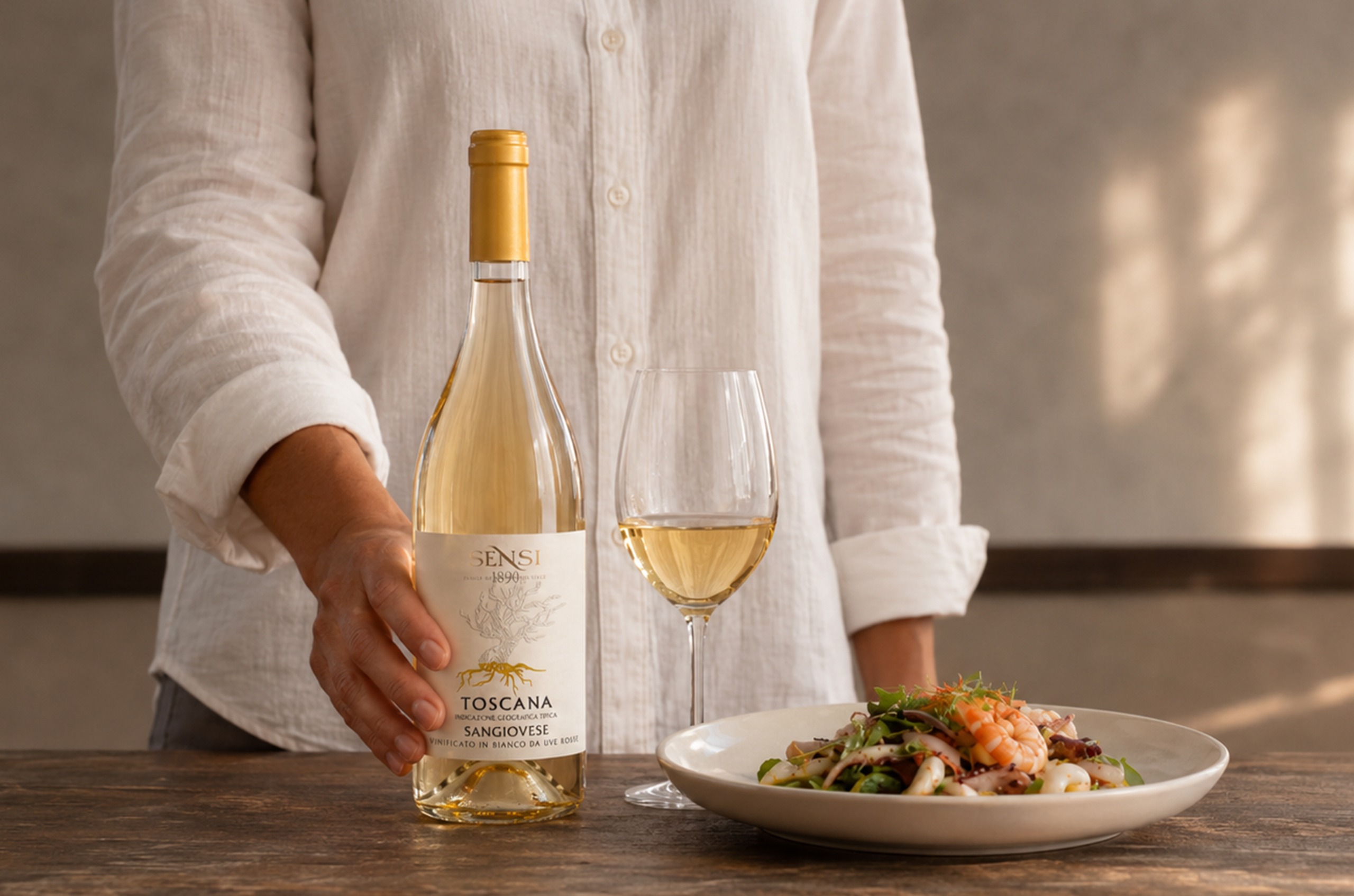 Sensi Vini: The gateway to your Italian wine exploration
Sponsored Chianti and beyond...
-
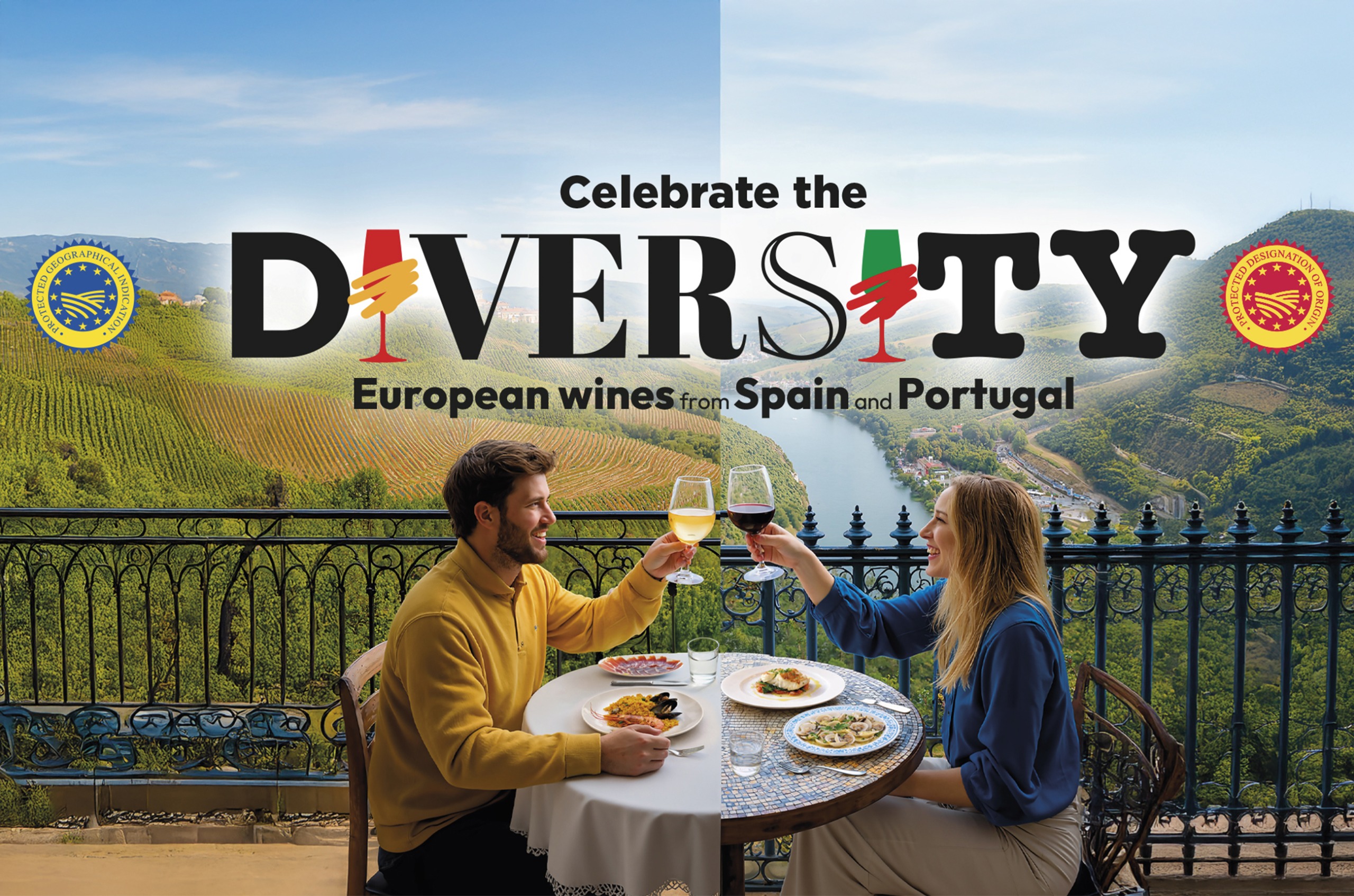 Celebrating European diversity
Sponsored Introducing the ‘Celebrate the Diversity’ project...
-
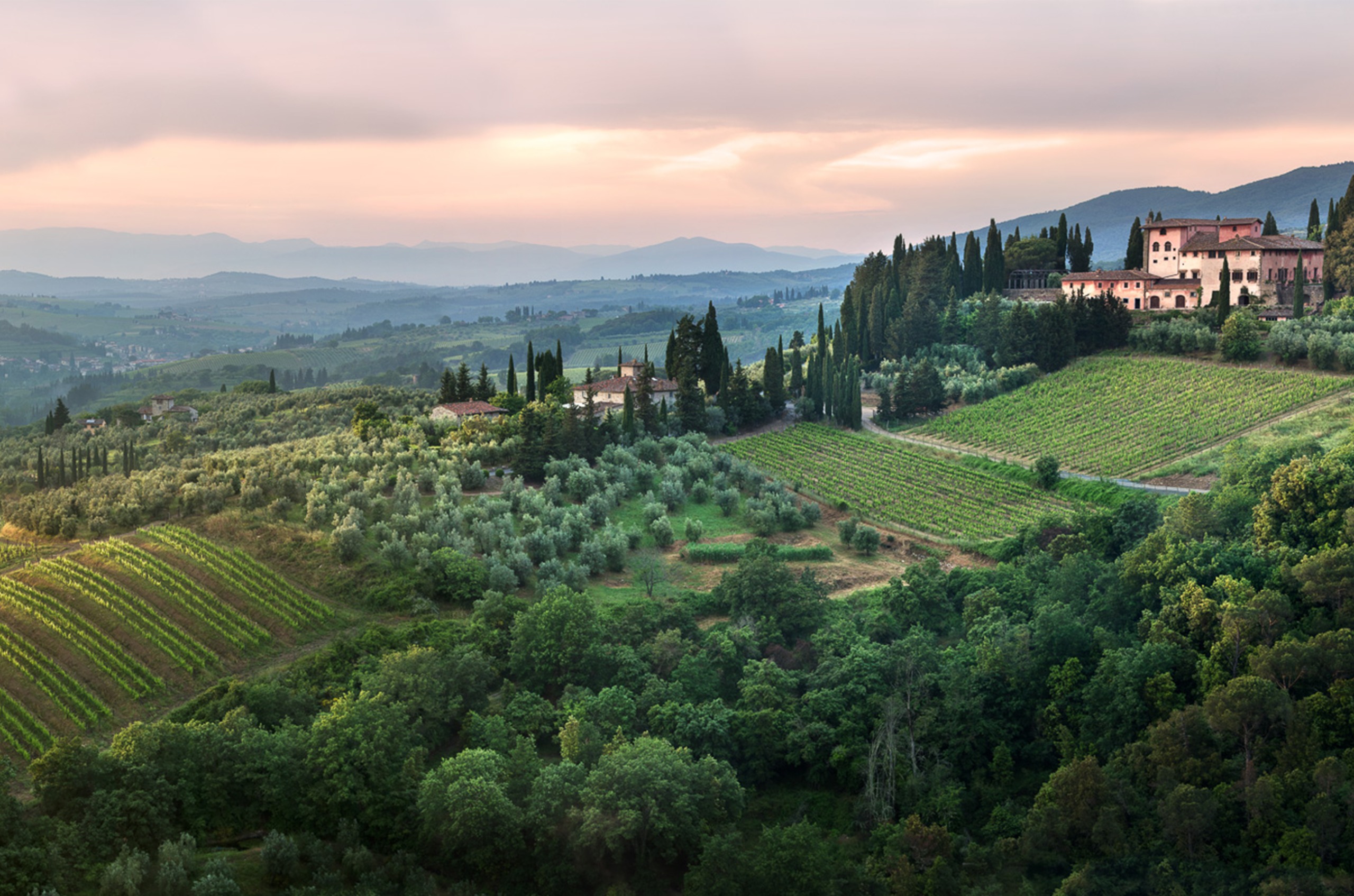 Reinterpreting Tuscan tradition with Vignamaggio
Sponsored An idyllic traditional farm...
-
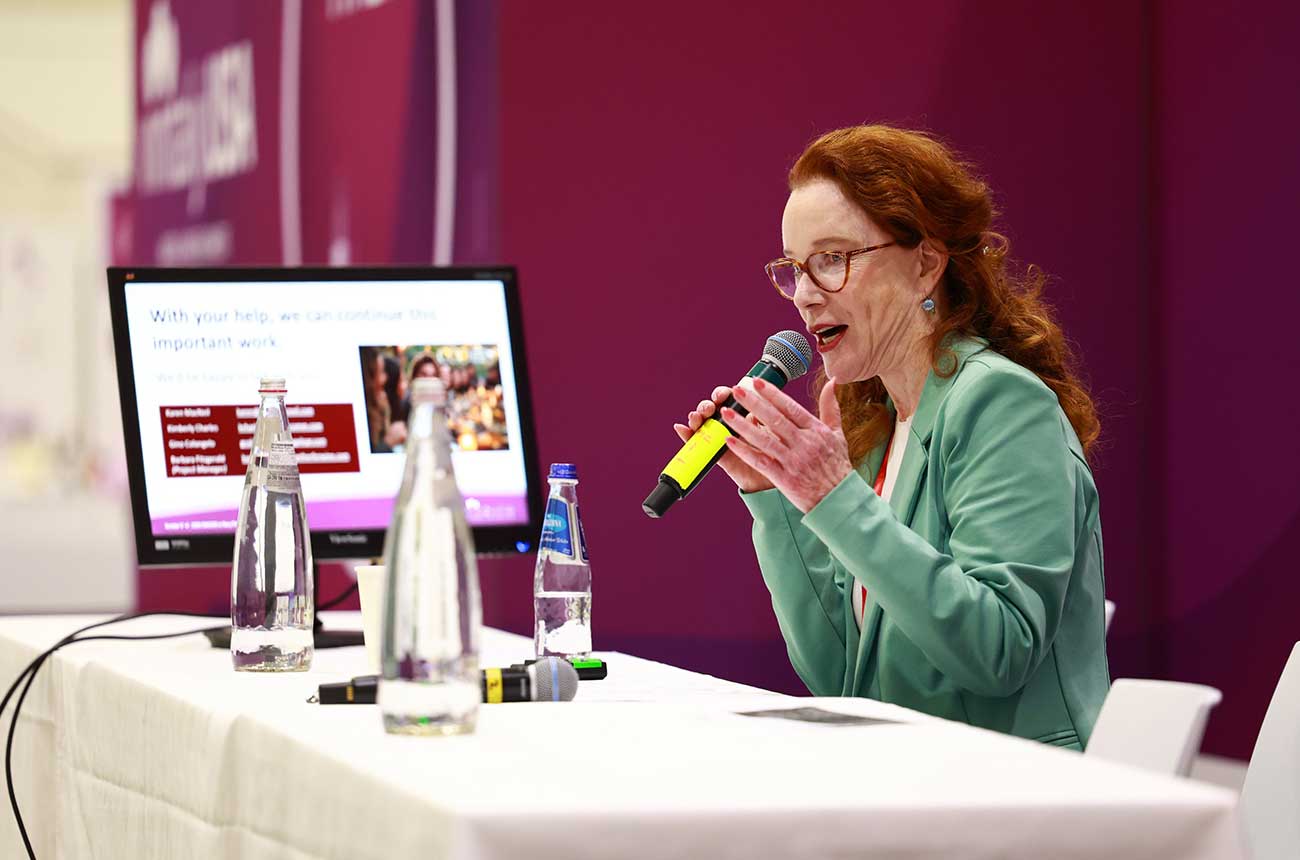 Vinitaly.USA: Where Italian wine meets the US market
Sponsored Bringing opportunities and encounters to New York...
-
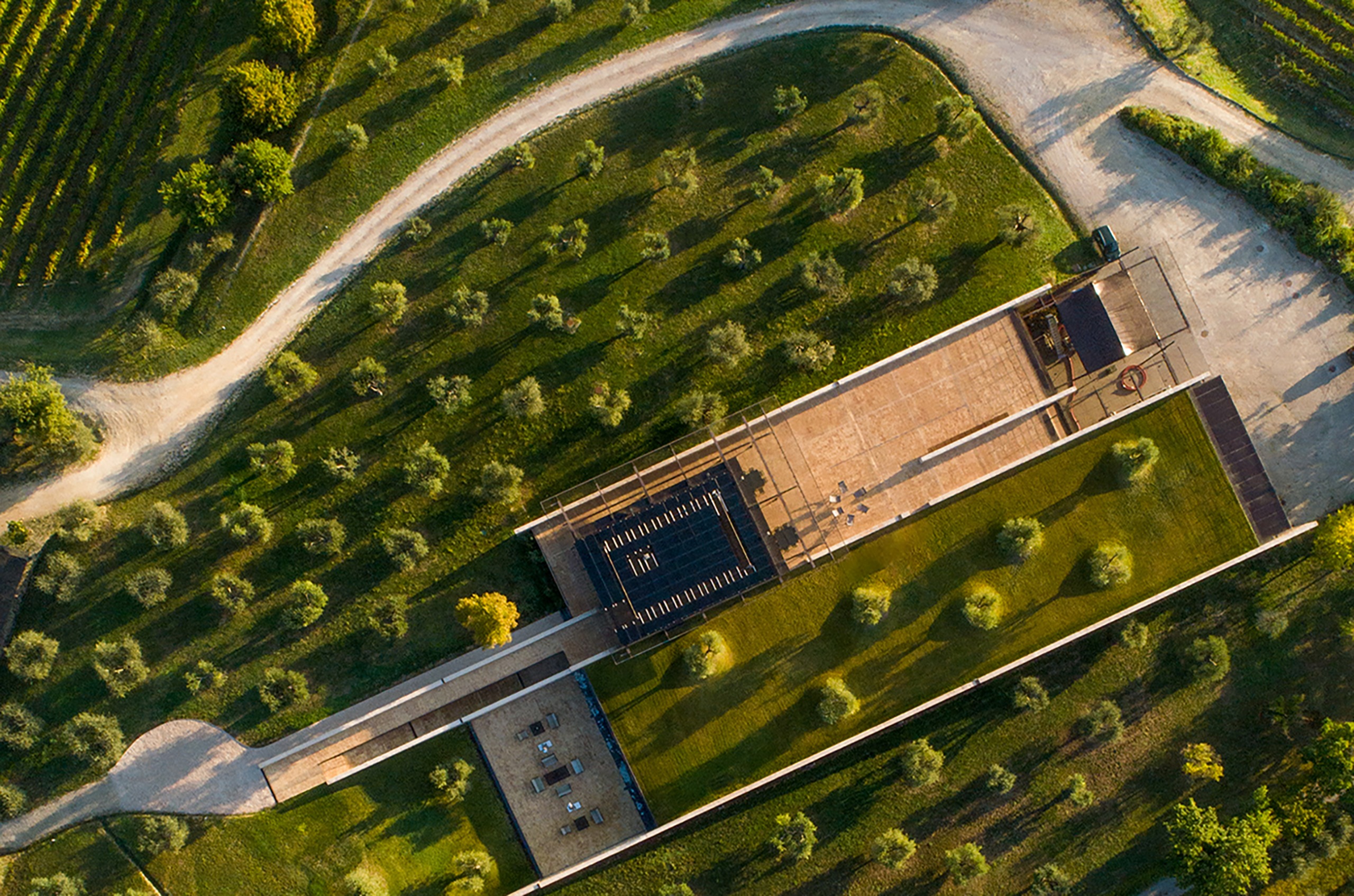 PoderNuovo a Palazzone: Where Cabernet Franc finds its Tuscan voice
Sponsored Distinguished Tuscany...
-
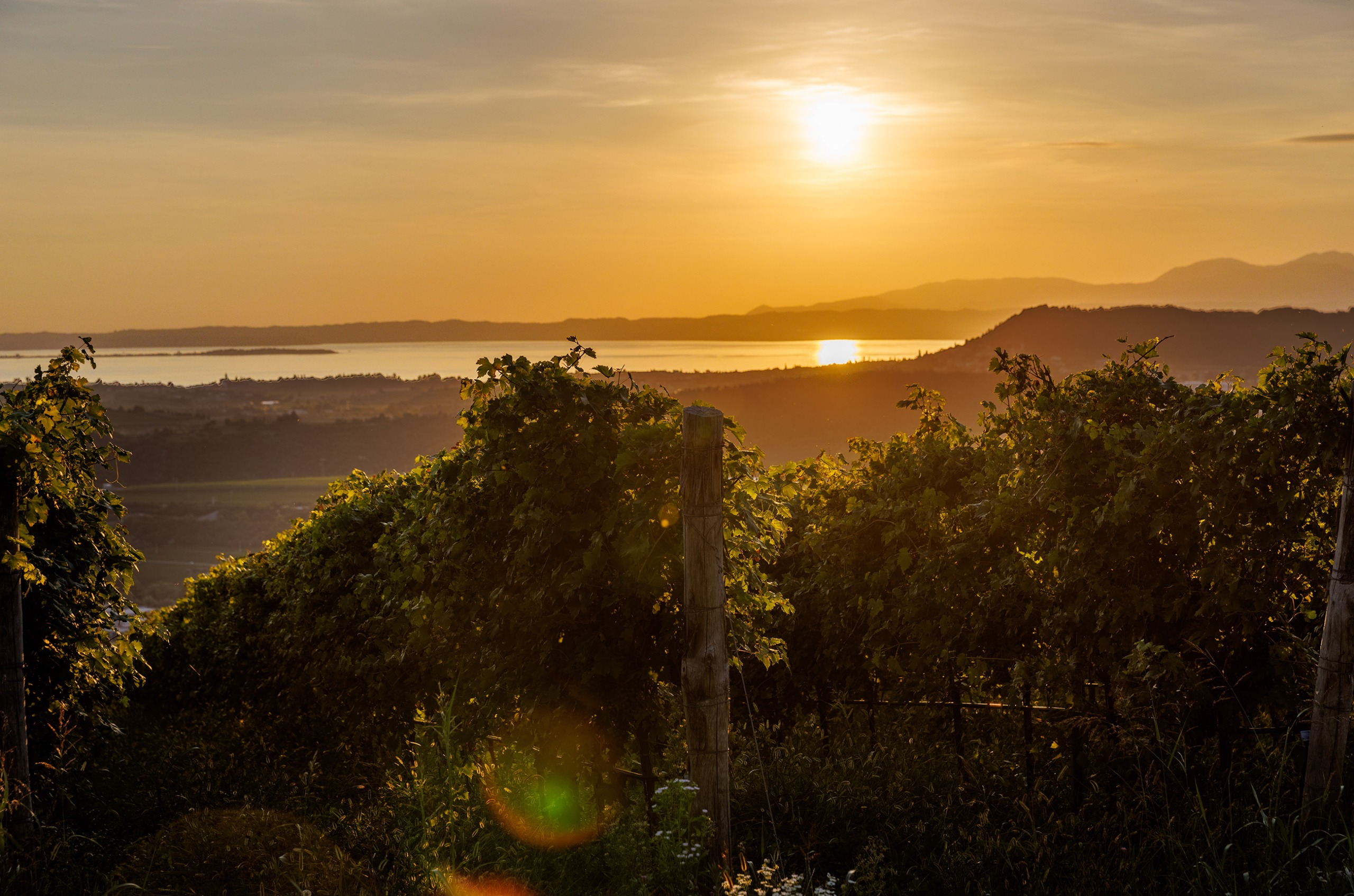 From Garda with love
Sponsored The spirit of the lake...
-
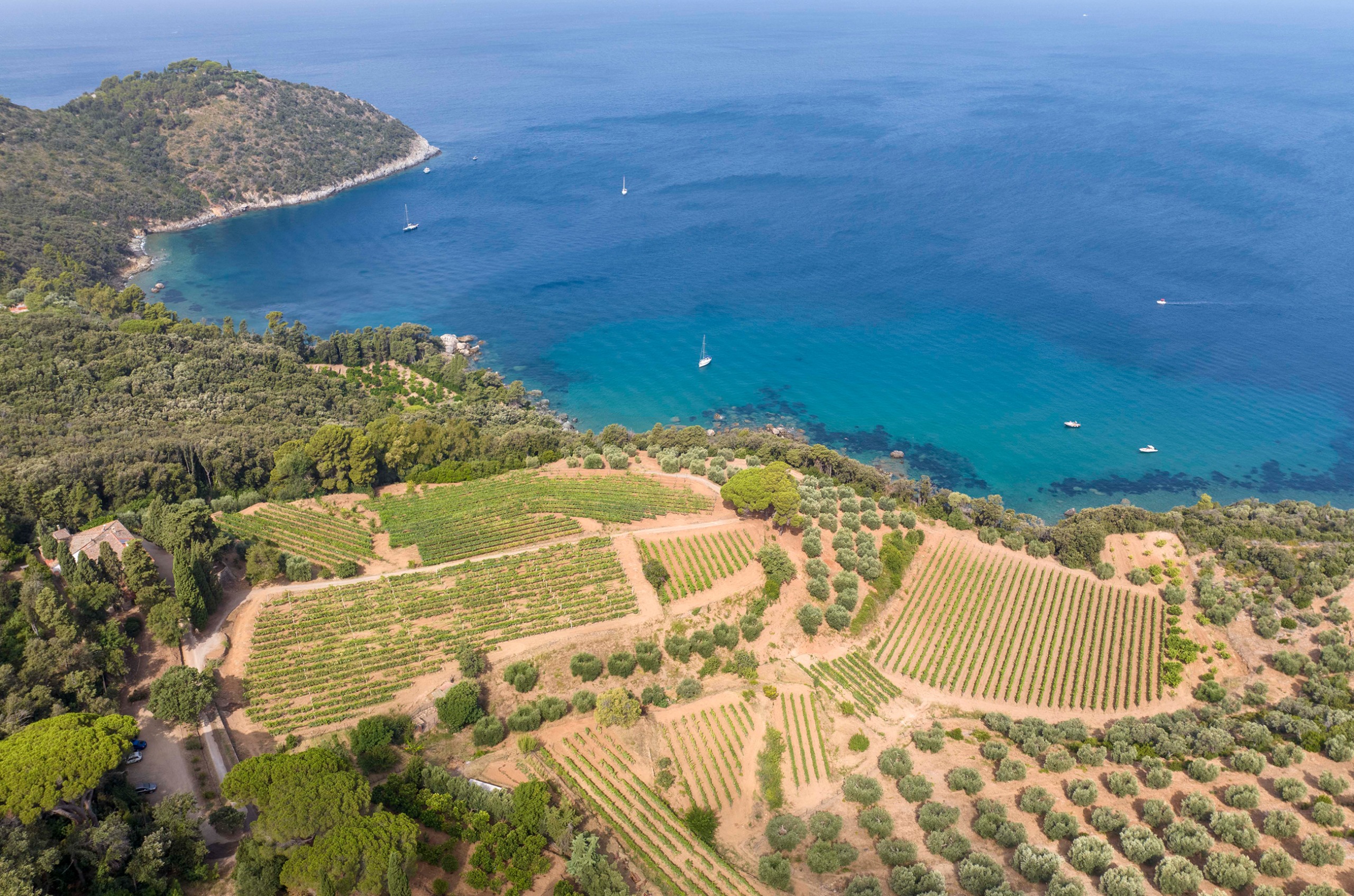 The Maremma: Southern Tuscany’s untamed wine country
Sponsored Fresh Vermentino and characterful reds...
-
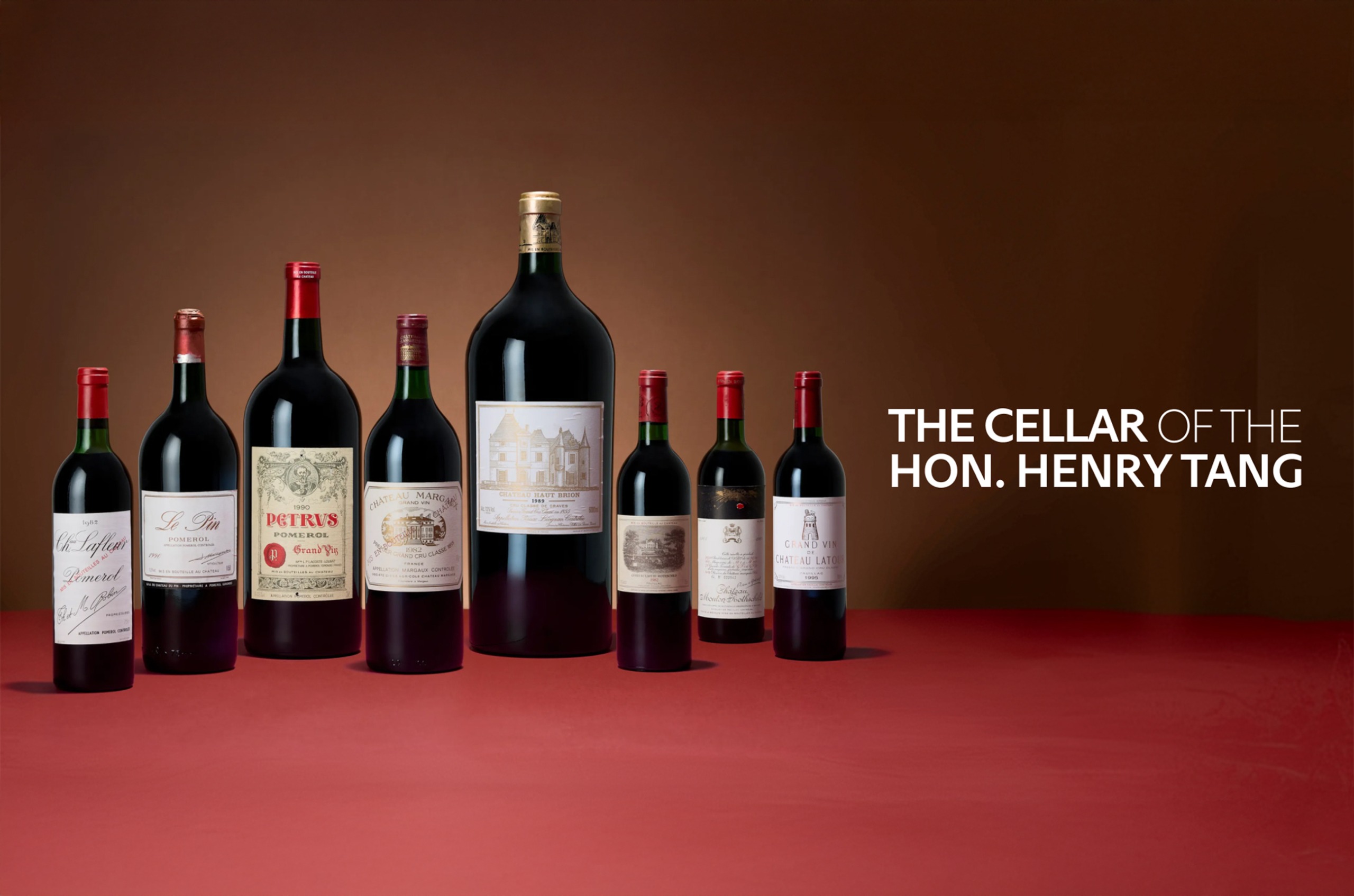 Christie’s to auction the cellar of the Hon. Henry Tang
Sponsored Featuring legendary wines...


