

Standing in front of a shop’s wall of wine can be intimidating: so many bottles, so many countries – where to begin? Wine lovers in the know often scan labels for three little letters: in France, they’re AOC, or Appellation d’Origine Contrôlée; in Italy, they’re DOC, or Denominazione di Origine Controllata; and in Austria, they’re DAC, or Districtus Austriae Controllatus.
These classification systems confirm that the wine was produced using the traditional grapes and winemaking methods of the area. The three little letters not only give consumers confidence but also help protect the traditional winemaker’s craft.
Austria’s DAC regulations are a great example of the time and effort that goes into creating a robust classification system. For each of Austria’s wine-producing regions, to establish a DAC, a Regional Wine Committee – consisting of farmers, winemakers and traders – produces draft regulations after consulting with experts, before the National Wine Committee gives its approval and submits the plans to the Federal Ministry of Agriculture.

Cover crops in full bloom in the vineyard.
Protecting traditions in the vineyard and winery
Creating a DAC begins in the vineyard, with winemakers identifying their region’s flagship grapes by considering soils, climate and traditions; for example, Schilcher tends not to be grown along the Danube, nor Grüner Veltliner in Steiermark. Some regions, such as Eisenberg and Traisental, focus on one or two varieties, while others – including Steiermark and Wachau – allow a wider selection, to reflect their regions’ diversity.
Cultivation and harvest can also be key. Harvesting by hand is compulsory in Rust, Styria and Wachau, while Wien protects its distinctive Gemischter Satz field blend, with a mix of various varieties grown in the same vineyard and then processed together.
Shaping regulations continues in the winery, with limits set for alcohol and residual sugar, guiding whether wines are light or robust, dry or sweet, along with rules on length of ageing. Ultimately, each wine’s colour, aroma and taste are assessed by a commission to ensure that the wine typifies the region’s style.

Grüner Veltliner grapes.
Putting the consumer at the heart of the process
DACs also control additional terms used on labels, such as ‘Reserve’ for ageing. Many DACs use a three-tier system: ‘Gebietswein’ for regional wines, ‘Ortswein’ for village wines and ‘Riedenwein’ for single-vineyard wines.
Some regions also create logos to help consumers spot their wines. Other Qualitätswein or quality wines that don’t meet their DAC’s regulations are instead labelled simply with the name of the state in which they were produced.
Together, all this work means that the DAC regulations give consumers confidence that, when they open a bottle of Austrian wine, it will deliver the aromas and flavours that its region is famous for.
Discover more about Austrian Wines
Connect onFacebook | Instagram | YouTube


-
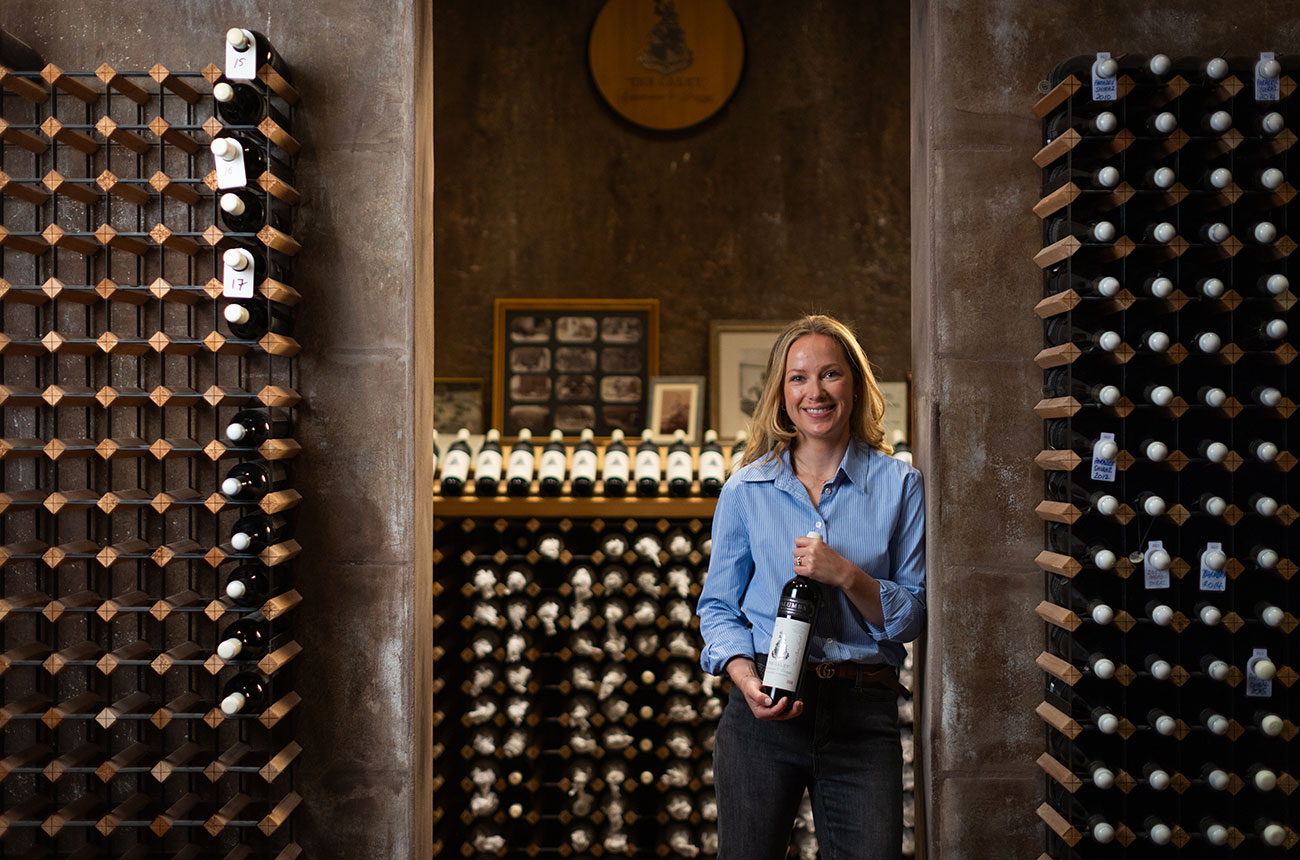 At the table with Yalumba's Lucy Hill-Smith: Top Barossa wine 'can age almost indefinitely'
Ahead of hosting a lunch at Decanter's Fine Wine Encounter London, Lucy Hill-Smith, sixth-generation family member at leading Australian winery Yalumba, offers insider tips to Barossa's wine scene, names her top dinner pairings and recalls the sophisticated palates of her grandma's kangaroos...
-
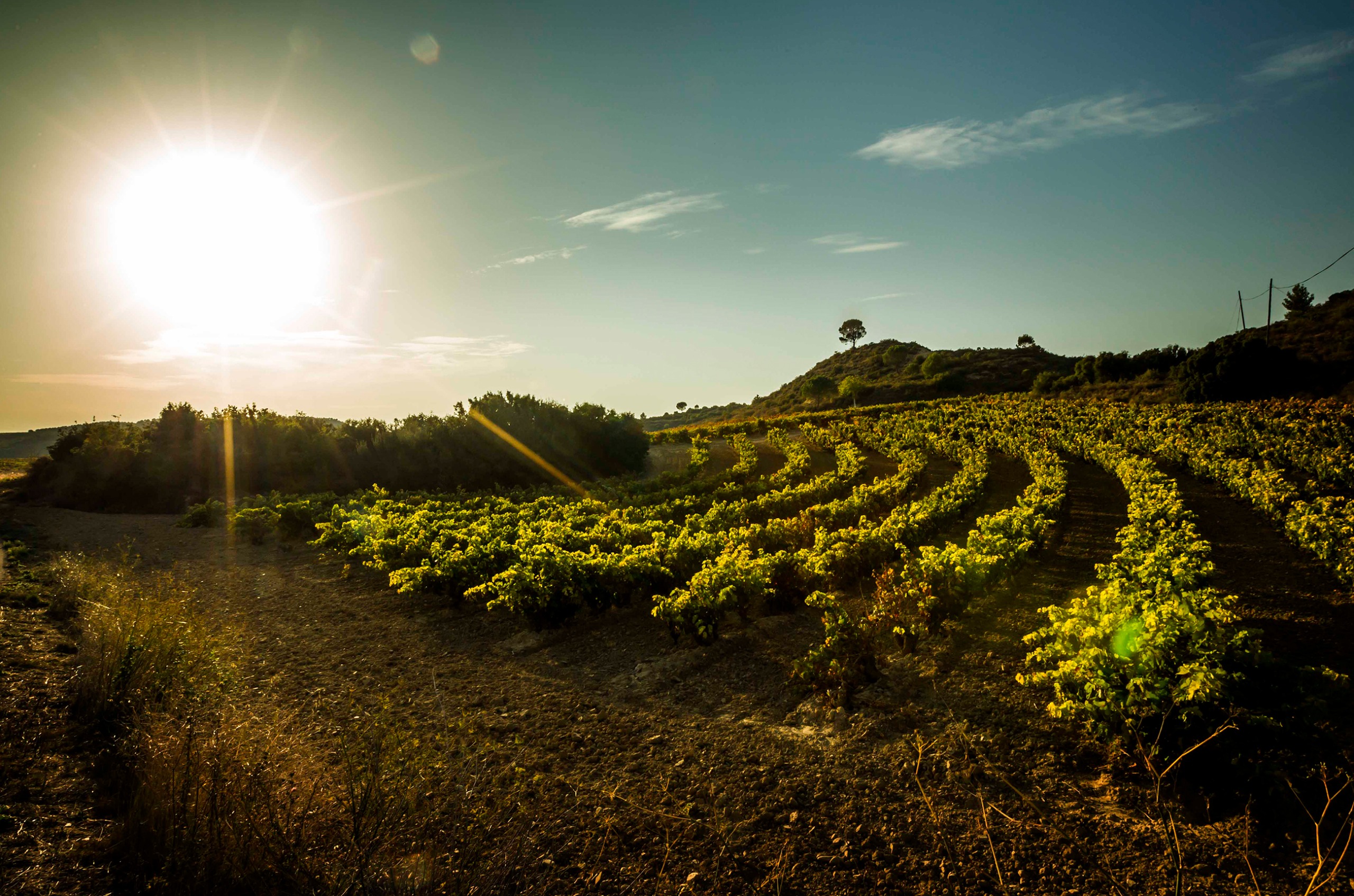 Bringing the spirit of Rioja to the UK
Sponsored Spain's leading wine region...


-
Bringing the spirit of Rioja to the UK
Sponsored Spain's leading wine region...
-
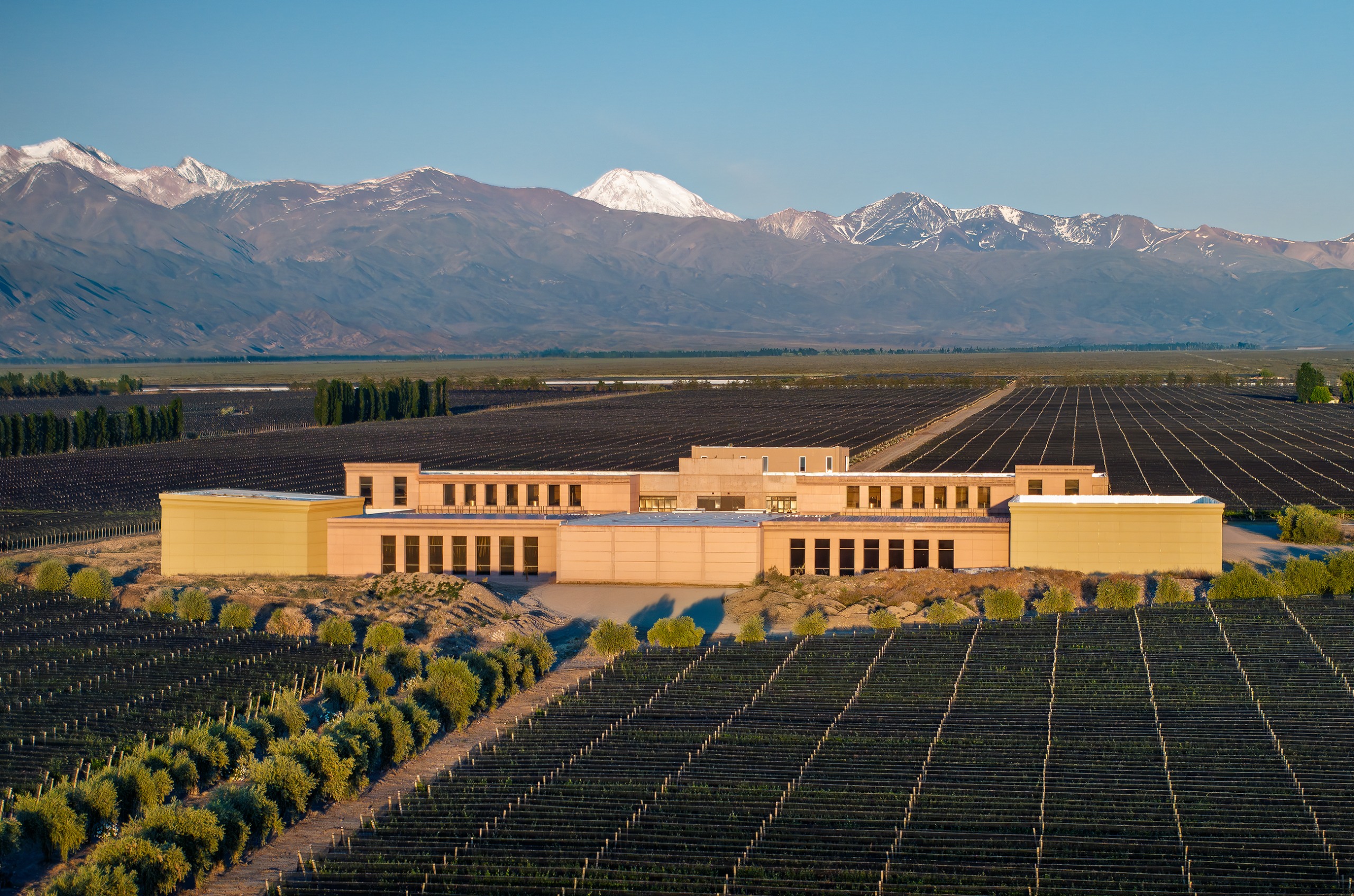 Apartado: Elegant interpretations of the Uco Valley from Rutini Wines
Sponsored The essence of the Uco Valley...
-
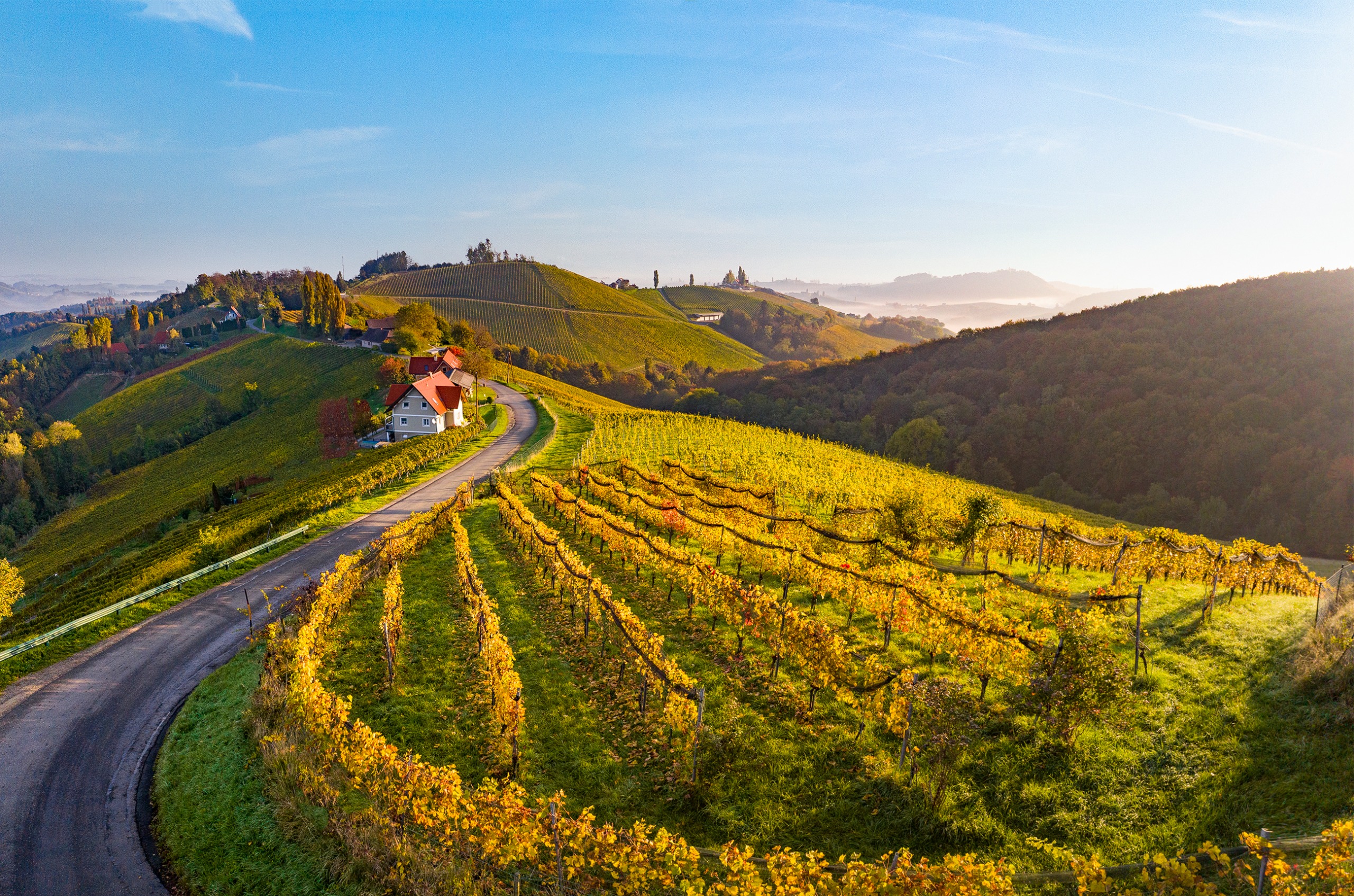 Award-winning wines from Austria
Sponsored Quality and diversity...
-
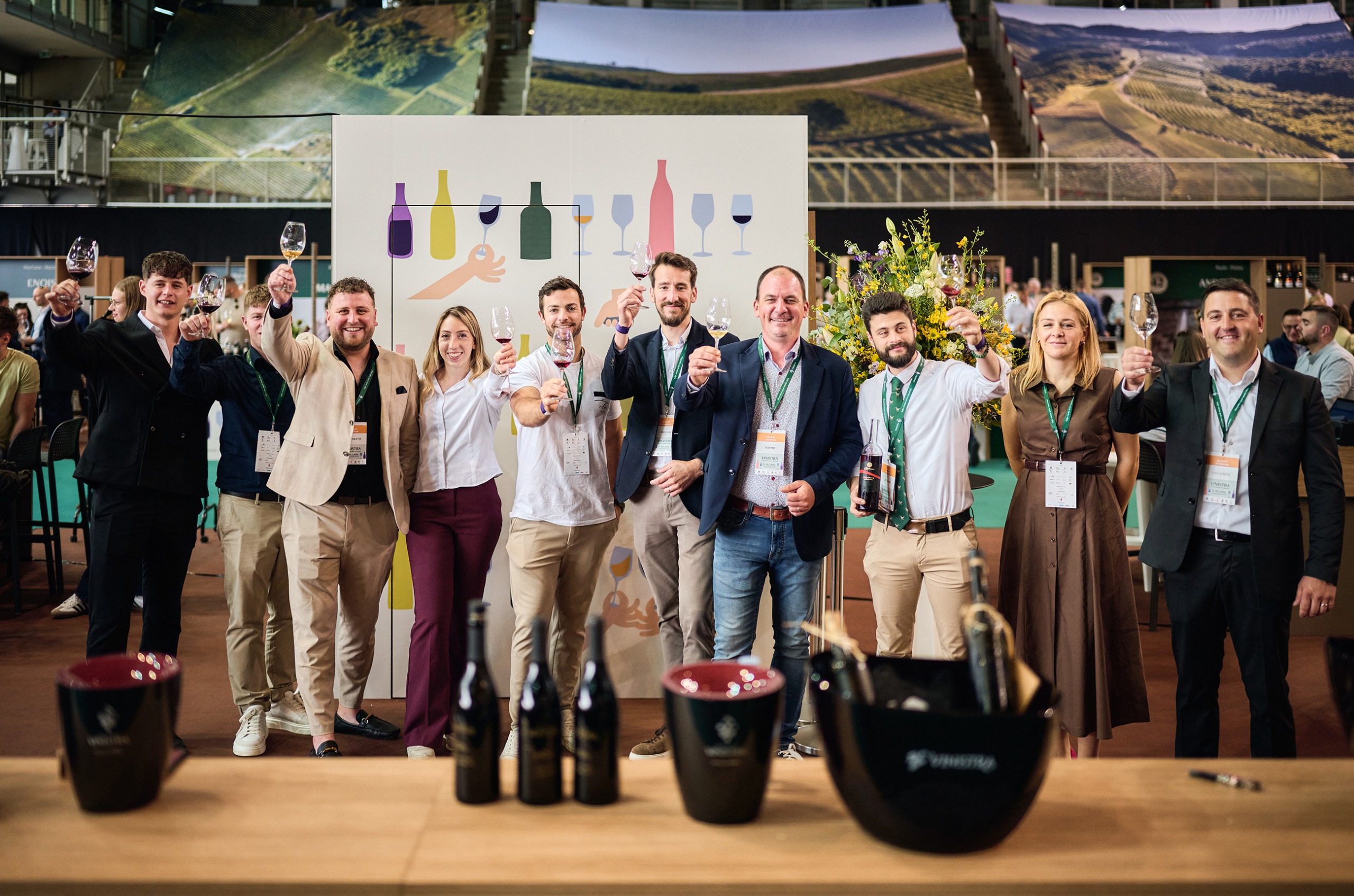 Gen V: The new face of Istria
Sponsored Taking Istria into the future...
-
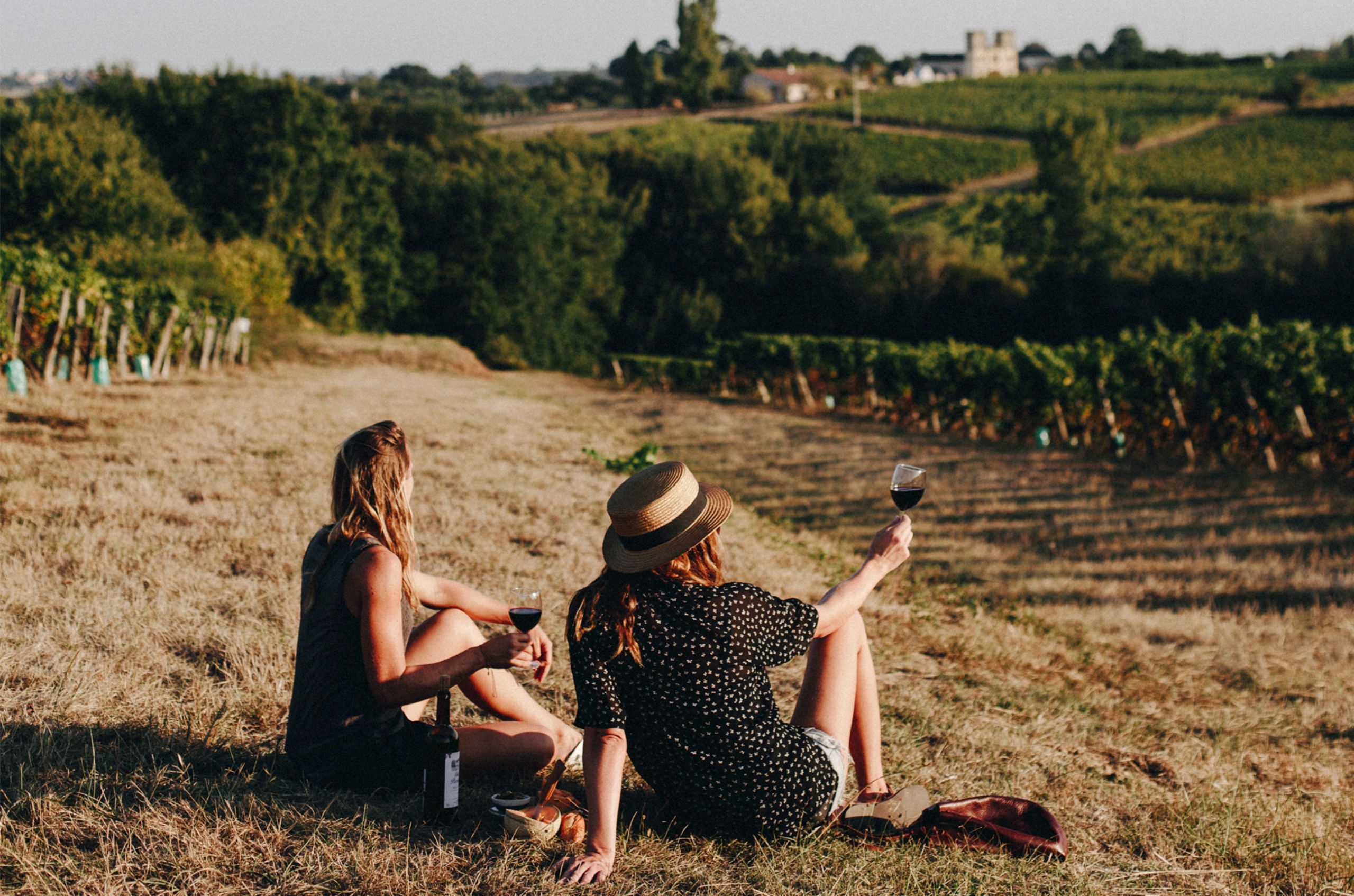 Bordeaux: One region, many voices
Sponsored Bordeaux reds in all shades...
-
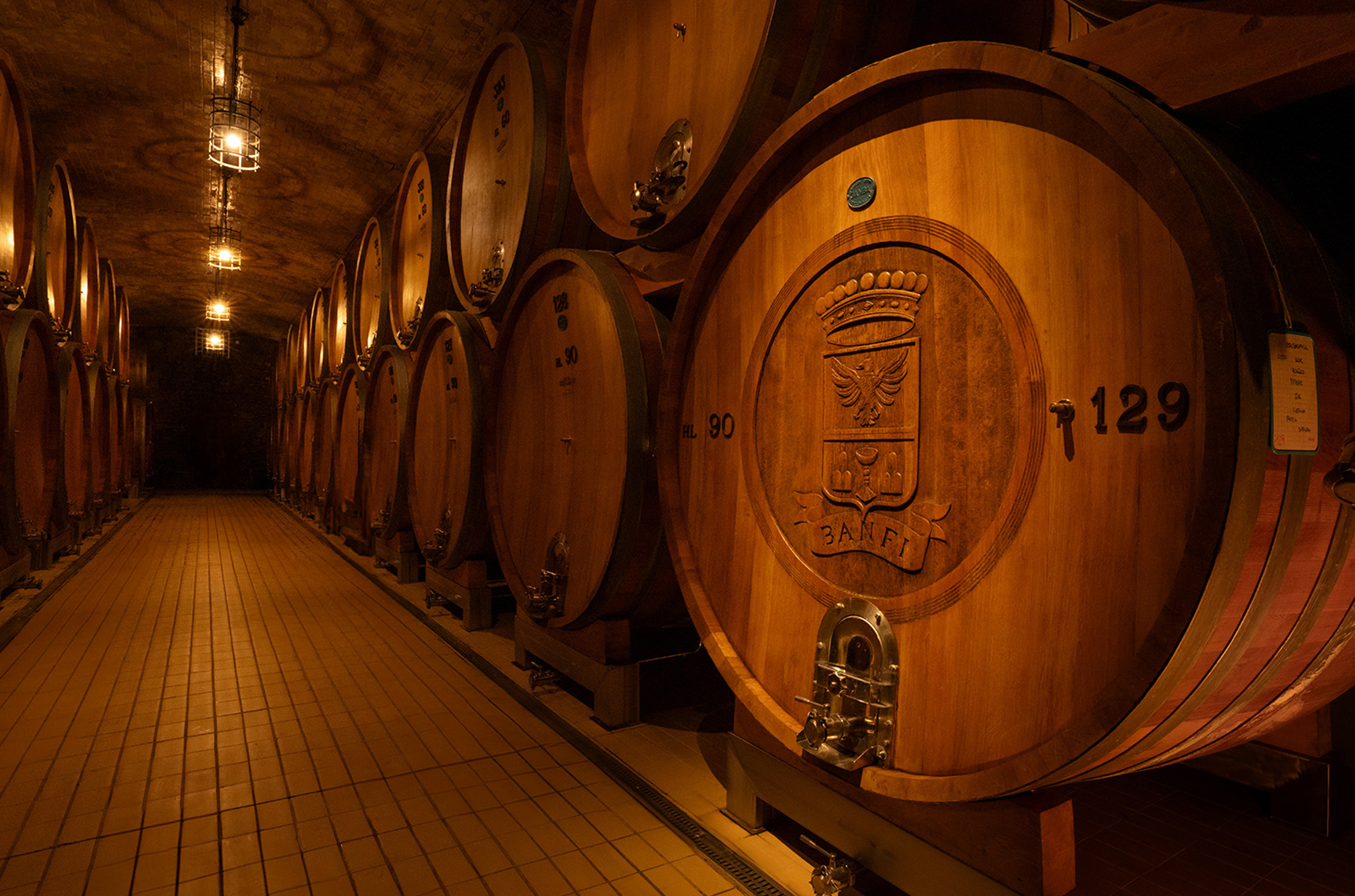 Poggio alle Mura: The Brunello that defines Banfi
Sponsored More than Brunello...
-
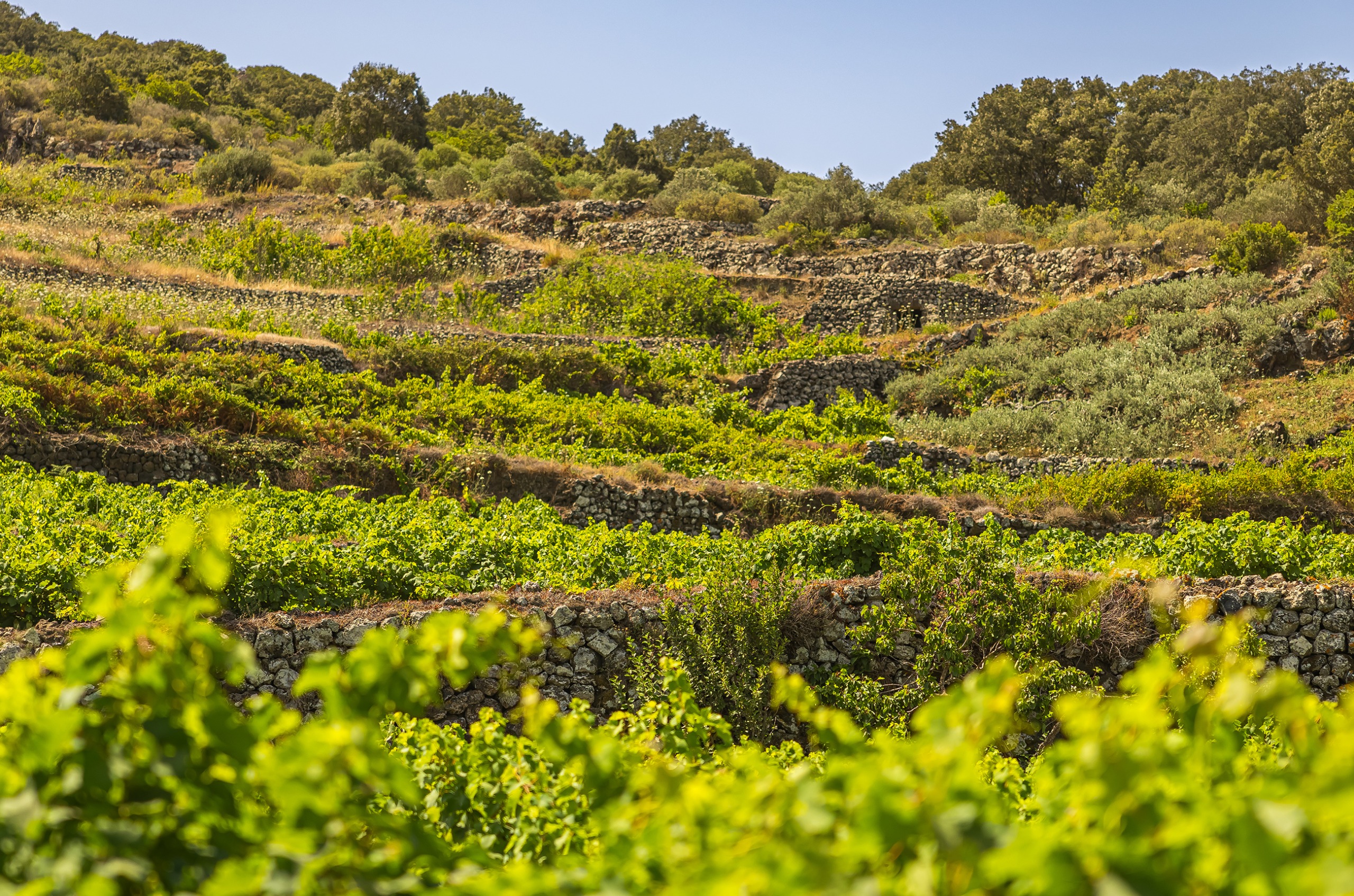 Committed to its craft: Pellegrino’s Sicilian legacy
Sponsored A legacy of quality...
-
 Bouvet Ladubay: 175 years of sparkling know-how
Sponsored One of the Loire's oldest producers...


