Sponsor Content Created With

Dalmatia: The crimson coast
Sun-kissed by the shores of the Adriatic, Dalmatia’s vineyards are home to bold and inviting red wines with plenty of potential.


The breathtaking Adriatic coastline may be the main attraction for millions of tourists each year but its long history of wine production and its unique red wines should not be overlooked.
Dalmatia’s signature red wine
Plavac Mali, Dalmatia’s most dominant red grape, is grown throughout the region, from the foothills of Velebit mountain near Zadar, across the islands and down to Konavle near Dubrovnik. This variety lends itself to many different terroir-driven expressions: from bold, full-bodied reds to affordable, fruit-driven wines.

Plavac Mali grapes.
Some of the most highly sought-after wines are found on the islands of Brač and Hvar, as well as Korčula and Vis, and the steep slopes of the warm, sunny Pelješac peninsula, such as Dingač and Postup. The appellation of Dingač (around 75ha), has long been one of Croatia’s most revered terroirs for reds, becoming the country’s first PDO in 1964.
A true example of heroic viticulture, bush vine Plavac Mali thrives in the appellation’s stony, challenging soils. Today, a new generation of winemakers is bringing these historic terroirs back into the spotlight, crafting Plavac Mali with fresh techniques to preserve its distinctive Adriatic character. With plenty of tannin, the best wines age beautifully.

The stunning Pelješac peninsula.
Medal-winning Dalmatian red wines to try, from the last five editions of the Decanter World Wine Awards:

Korta Katarina, Reuben’s Private Reserve, Pelješac 2013
96 pts
100% Plavac Mali. Americans Lee and Penny Anderson fell in love with Croatian wine and created this stunning family winery and boutique hotel. Reuben’s Reserve is their flagship, oak-matured expression. Has held very well for its age, thanks to an unpushed ripeness and high acidity. Tannins have now softened and refined, leaving an enticing, Old-World red typical of Plavac Mali, with a nicely salty touch of terroir. Alc 14.5%

Crvik, Vilin Ples Cabernet Sauvignon-Merlot-Plavac, Konavle 2017
95 pts
33% Cabernet Sauvignon, 34% Merlot, 33% Plavac Mali. Wine began here in 1897, now run by the fourth generation. ‘Vilin Ples’ means fairy dance, combining international grapes with Plavac Mali for real local identity. Lovely, developed nose with notes of pencil lead, cedar, leather and dark berries with gamey nuances. Assertive tannins well-balanced by juicy fruit concentration. Quite lifted. Alc 13.5%

Hvar Hills Winery, Syrah, Hvar 2022
95 pts
85% Syrah, 15% Cabernet Sauvignon. Hvar Hills is the owner of one of the largest island vineyards in the Mediterranean, on the stunning, sunny island of Hvar. Capacious damson, blueberry and blackcurrant fruit enveloped in a plush velvet structure, pencil shaving tannins and vibrant lift of pepper. Ambitious and immersive with a long finish. Alc 14.5%

Prović, Pagan Reserva, Opuzen 2018
95 pts
50% Merlot, 30% Plavac Mali, 20% Cabernet Sauvignon. The only winery in the Neretva basin, where marine sediments and alluvial soils suit Bordeaux varieties. Here passito Merlot meets Cabernet Sauvignon and Plavac Mali from Postup, Pelješac, for a rich, distinctive style. Aromas of violets, jasmine and black and pink peppercorns. The palate is multilayered and structured; racy acidity makes this great with grilled meats. Beautiful drinking! Alc 15%

Testament, Plavac Mali, Šibenik 2018
95 pts
100% Plavac Mali. Organically grown Plavac Mali, from a single vineyard in North Dalmatia, polished by 14 months in new French and US oak. Ripe plum, dried fig and soft herbal aromas chime over the gently evolving palate with lush vanilla tannins, smooth structure and long, cherry-baked finish. Alc 14.5%

Markus, Fetivi, Kaštela 2020
92 pts
87% Zinfandel, 13% Babić. Crljenak Kaštelanski (aka Tribidrag) with 13% Babić from Kaštela close to where the almost-lost variety was rediscovered. Markus wines are based on old vine, indigenous grapes, made by two of Croatia’s top winemakers. Rich and opulent, with spice and a touch of beef, leading to a palate of plush fruit and focused, firm tannins. Alc 14%

Galić, Ego Tribidrag, Šibenik 2021
91pts
100% Tribidrag. Ego wines are produced from indigenous Dalmatian grapes on a 50ha plot near Šibenik, a mild but breezy site on limestone and slate, facing the sea. Jammy, plush bramble aromatics lead on to an opulent palate of smoke, oak and dried fruit. Alc 14%

Jurica Milatić, Gospodin Biskup Plavac, Hvar 2022
90pts
100% Plavac Mali. Well-known Hvar restaurateur Jurica Milatić began making wines with minimal intervention 15 years ago, on the southern slopes of the island where vines have been grown for at least 2,500 years. Spicy aromatics of chocolate and caramel, then a palate of smoky black olive and red cherry. Alc 15.5%

Miroslav Stanojević, Tajna Bleuš, Korčula NV
91 pts
100% Plavac Mali. A rare but traditional sweet red from Smokvica in the heart of Korčula, made from over-ripe and gently-dried Plavac Mali grapes, typically enjoyed with dried fruit and nuts. Very intense aromas of dried fruits with notes of leaves and earthy undertones. Dense and ripe, with soft tannins. Alc 15.5%
Discover more about the Wines of Dalmatia
Connect on Facebook | Instagram | YouTube


-
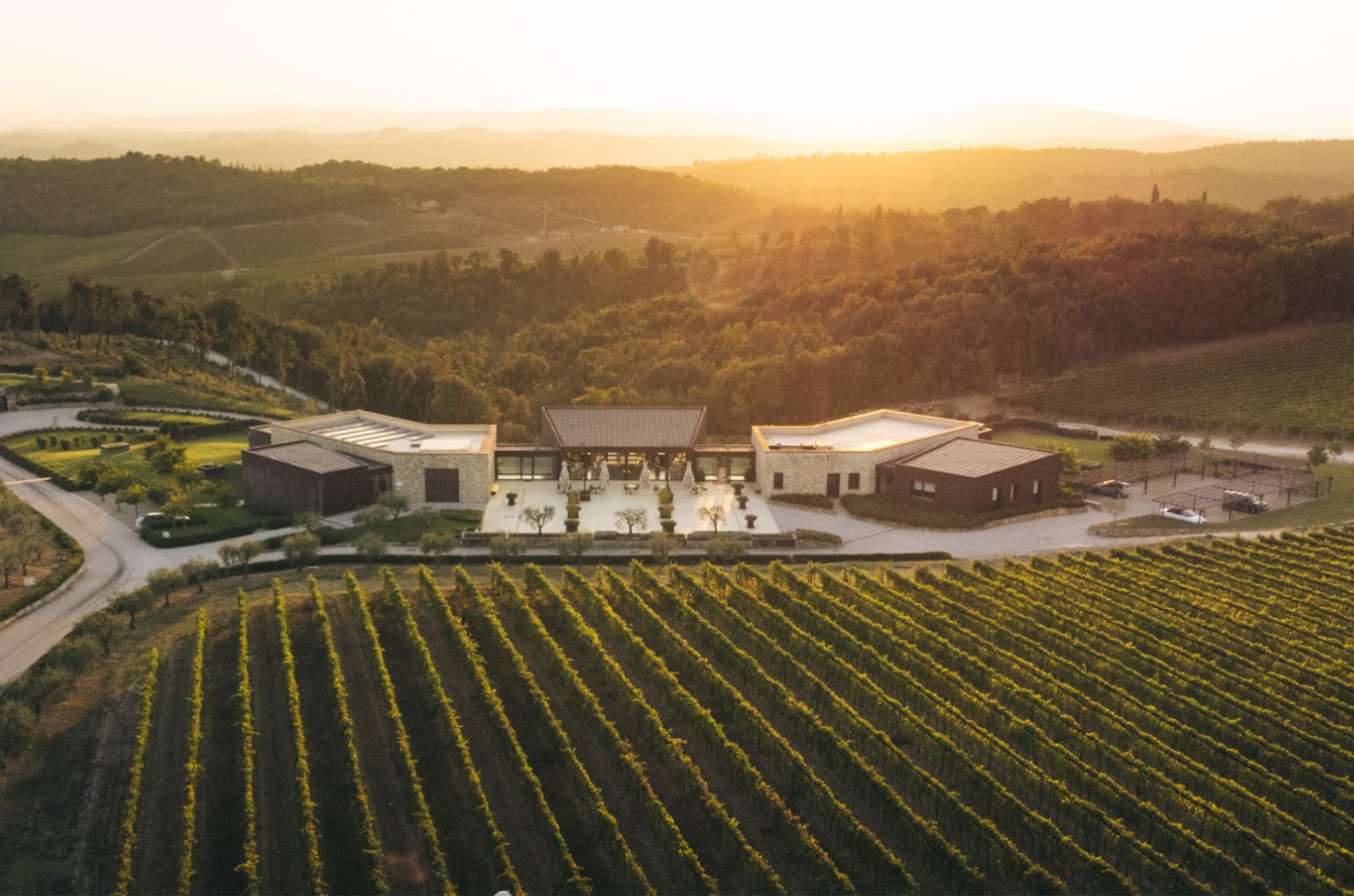 Vallepicciola: Tourism and winemaking in the Chianti hills
Sponsored Winemaking and luxury hospitality...
-
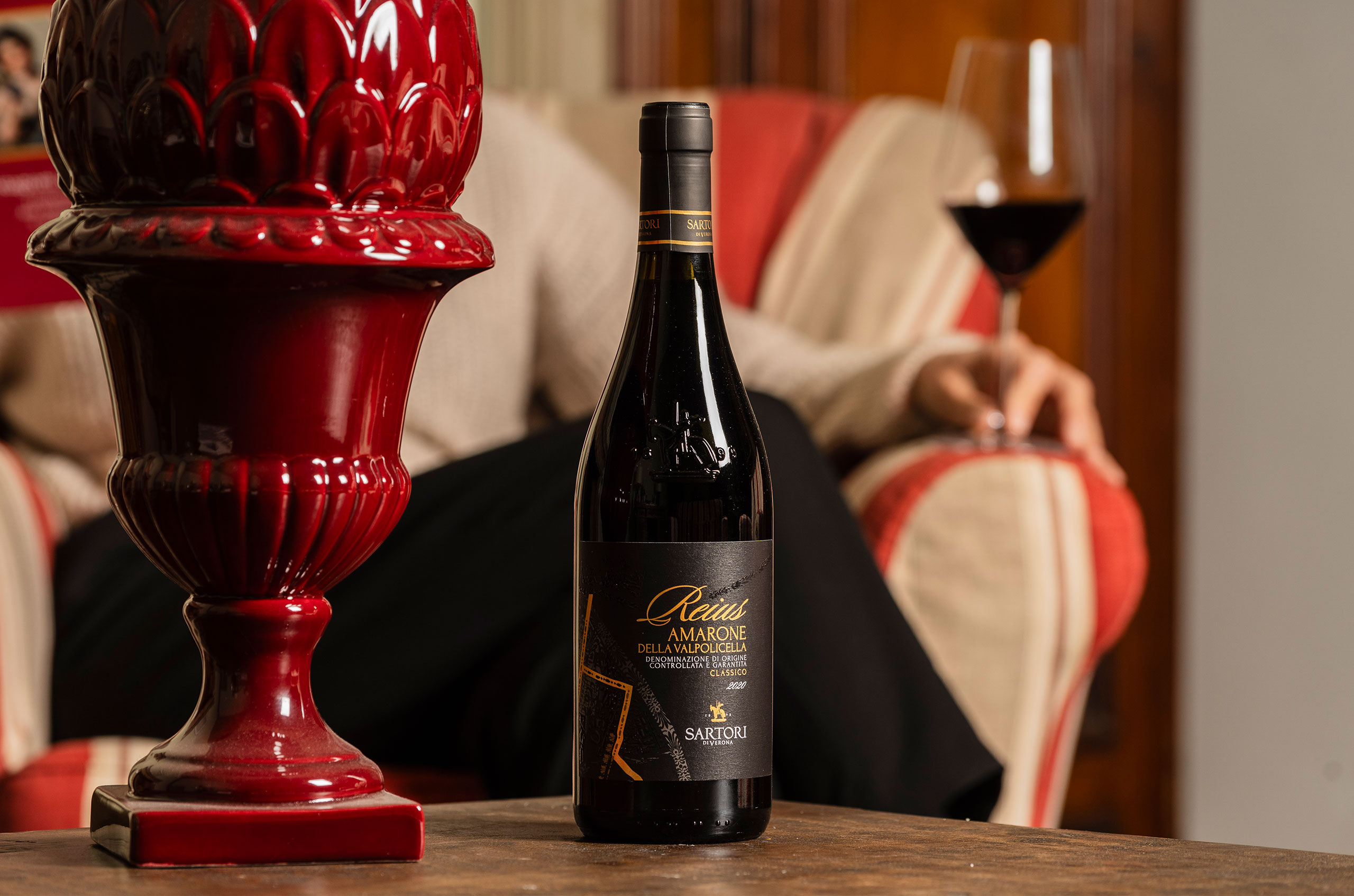 A standout voice in Valpolicella
Sponsored A key name for Valpolicella and Amarone...
-
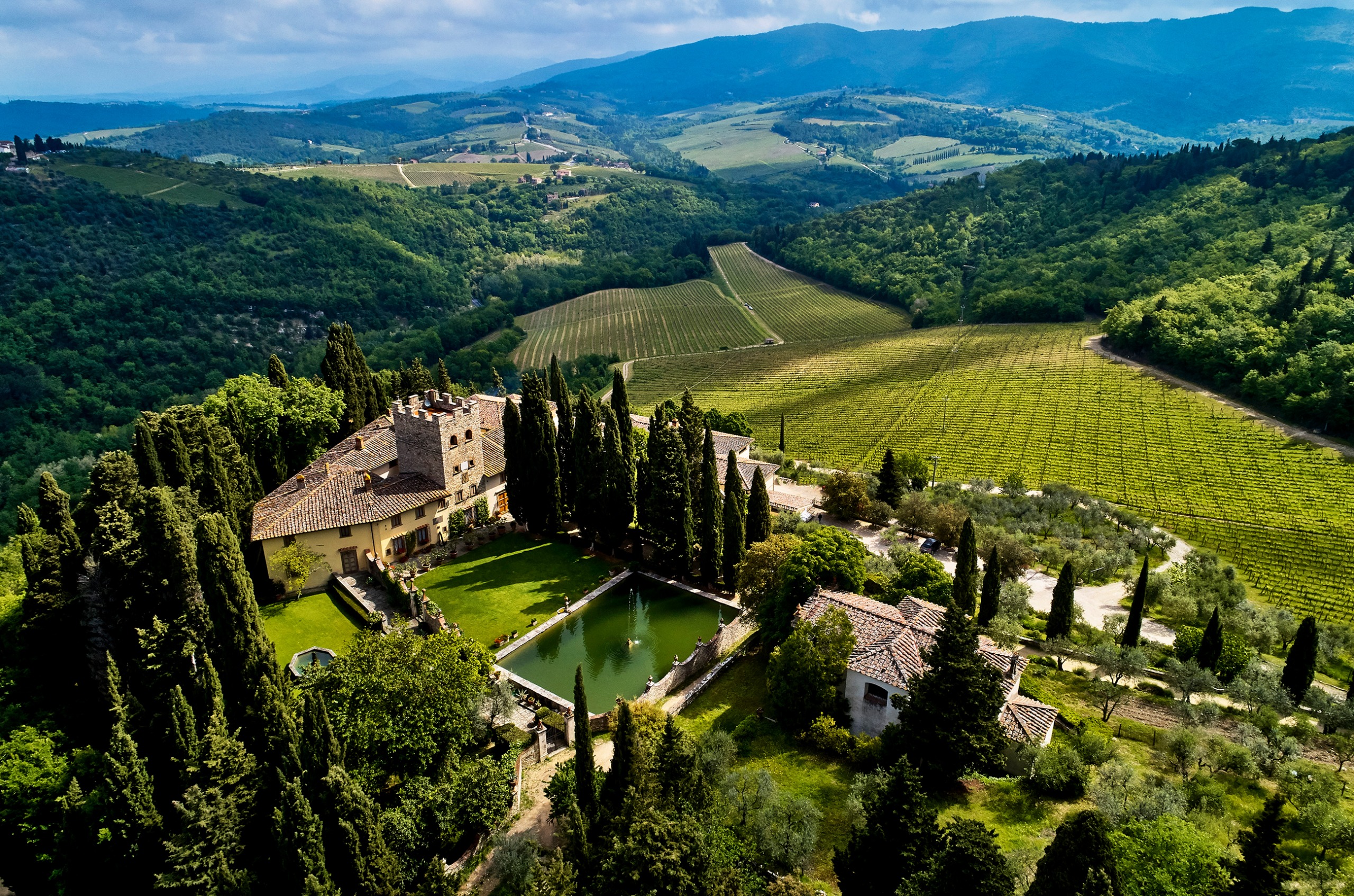 Discover the world of Castello di Verrazzano
Sponsored An ancient castle set amid sprawling vineyards...
-
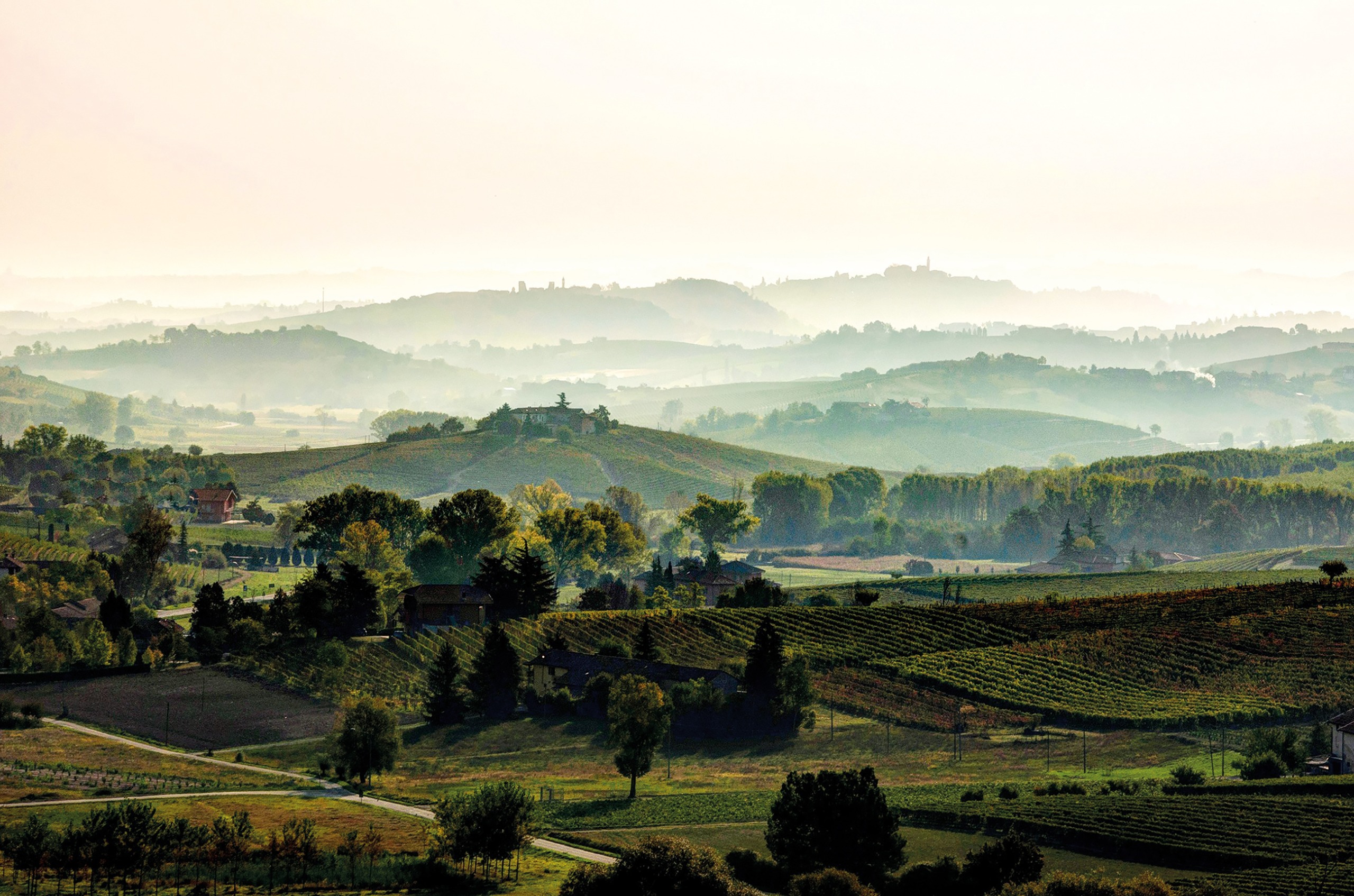 Barbera d'Asti DOCG: Tradition and modernity in Piedmont
Sponsored Many expressions of one variety...
-
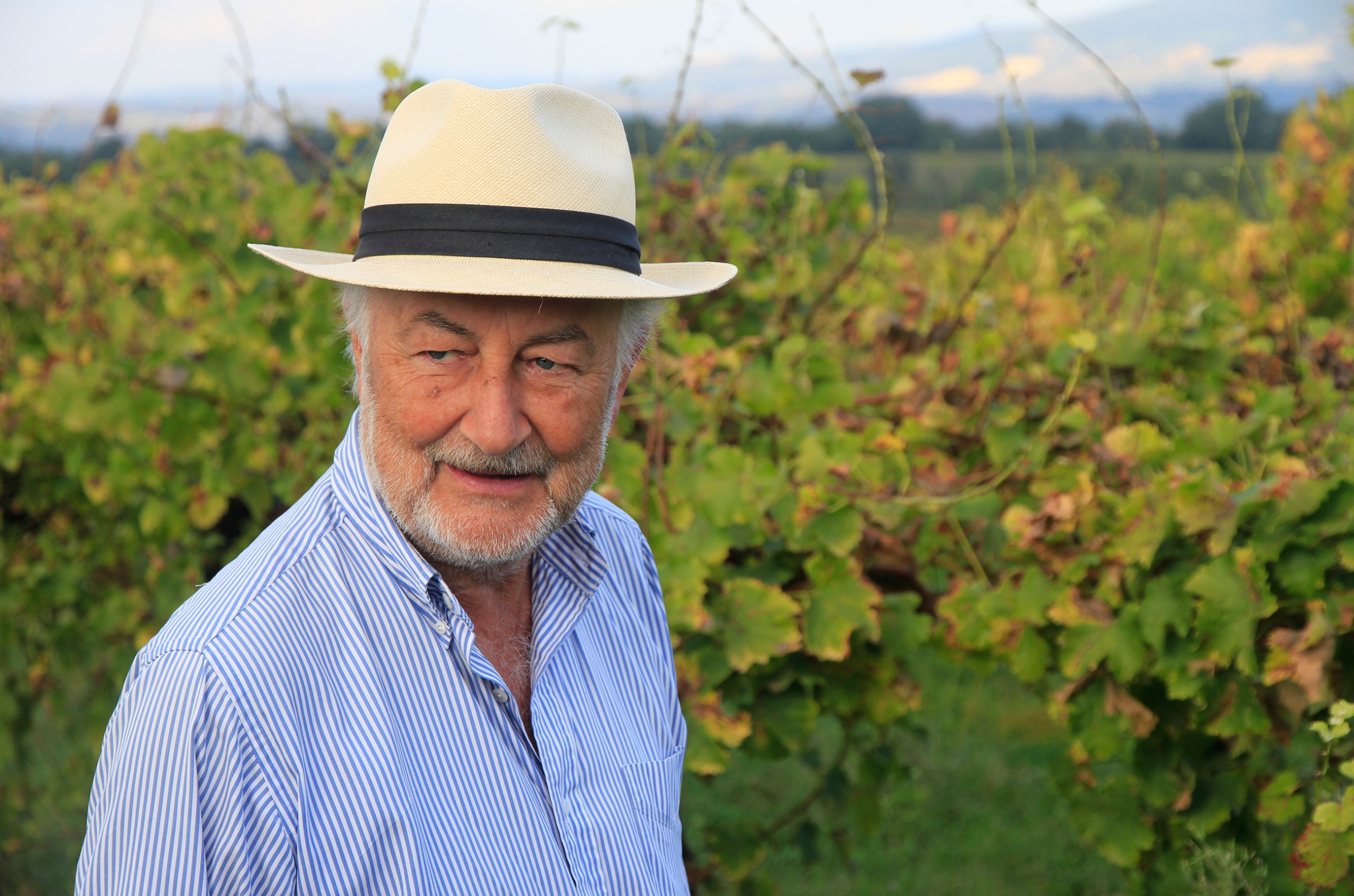 Sergio Mottura: Excellence in Tuscia
Sponsored A renowned figure in Lazio...
-
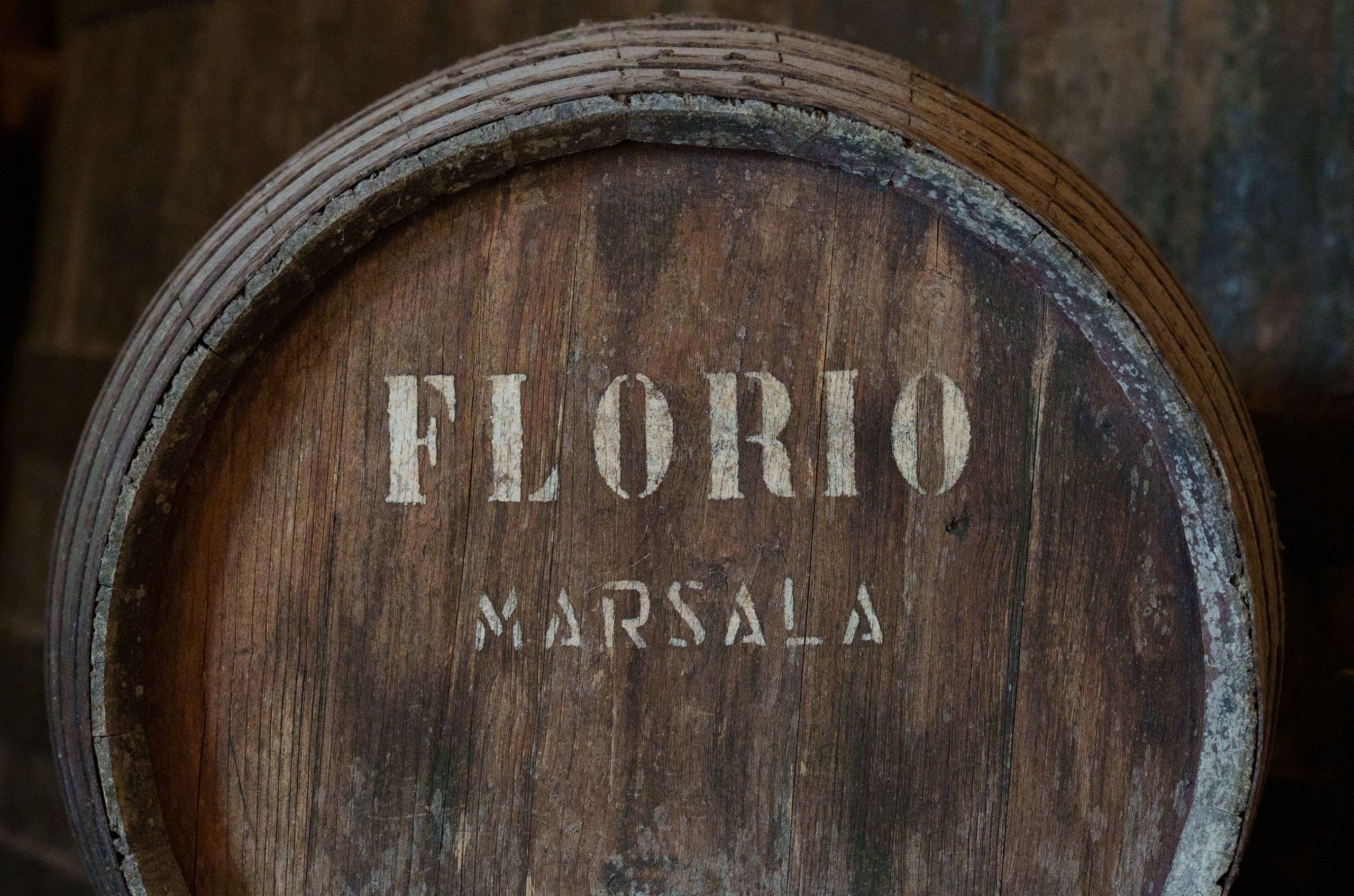 Florio: Winning new fans while respecting Marsala’s history
Sponsored An important milestone in Marsala...
-
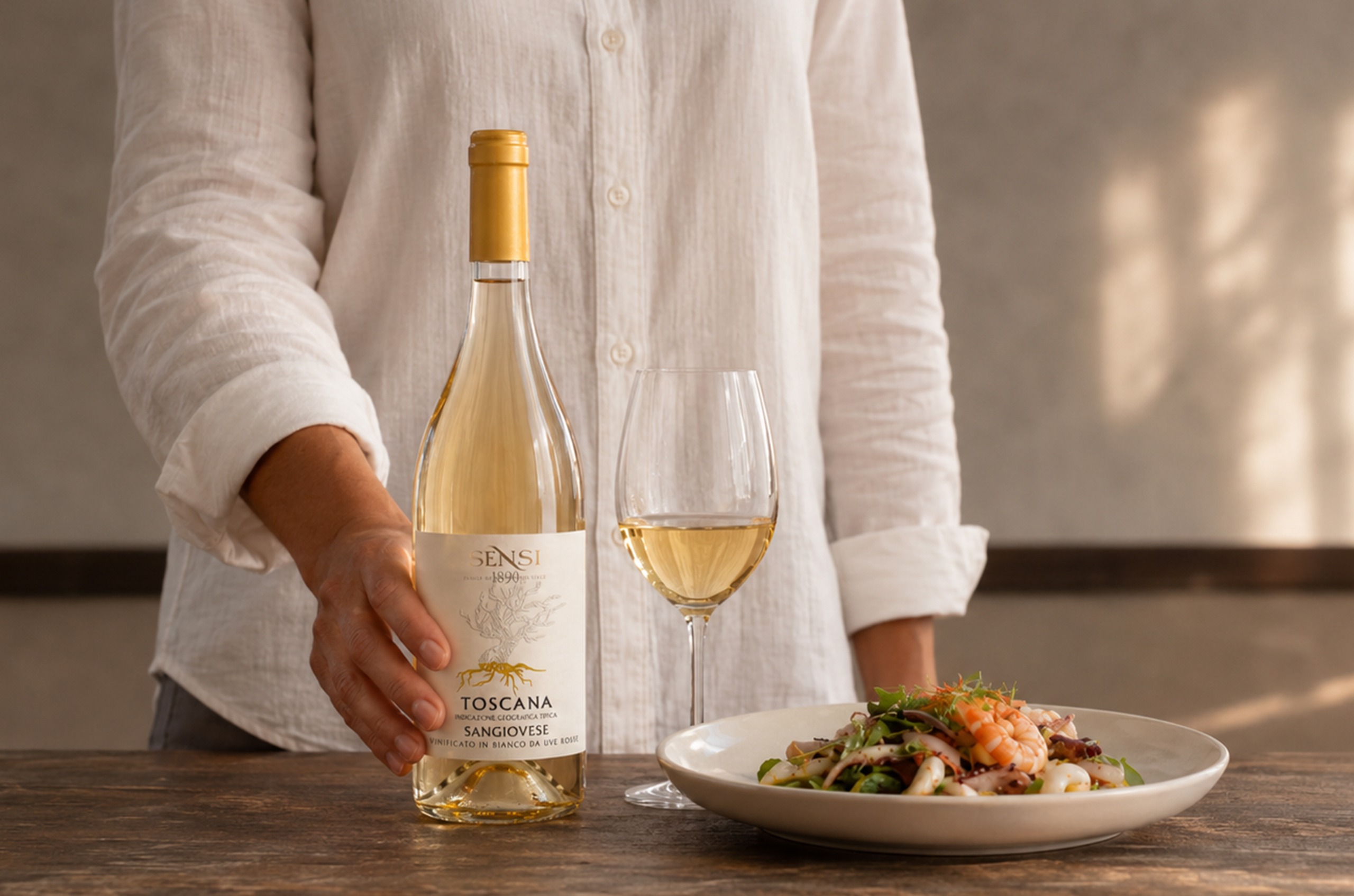 Sensi Vini: The gateway to your Italian wine exploration
Sponsored Chianti and beyond...
-
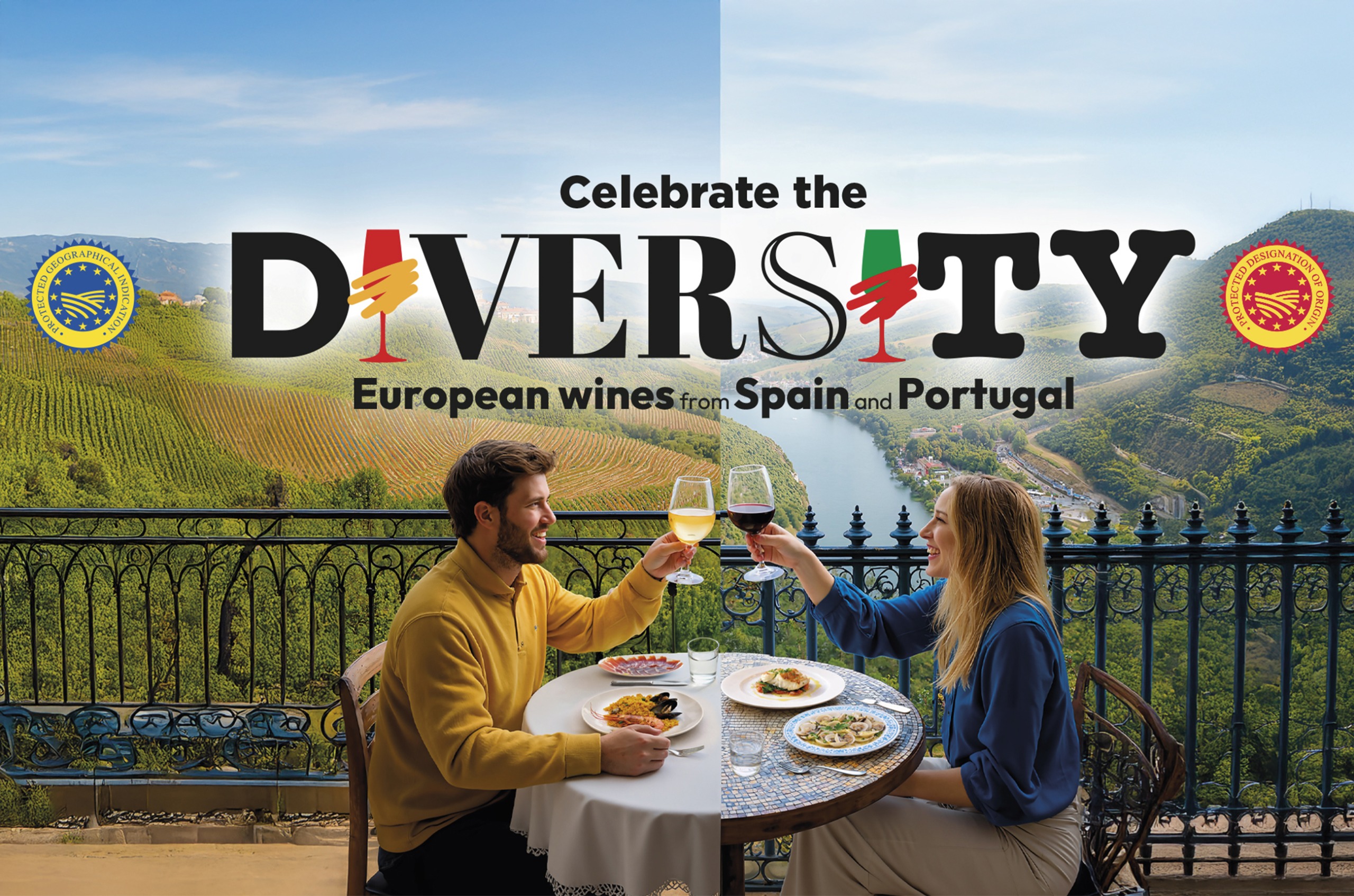 Celebrating European diversity
Sponsored Introducing the ‘Celebrate the Diversity’ project...


