Sponsor Content Created With

Pomalo: Dalmatia's answer to hustle culture
A state of mind in Dalmatia, pomalo, which roughly translates as ‘take it easy’, sets the pace of life in this scenic region of Croatia.


Wine flourishes in difficult landscapes: steep slopes, hidden valleys, remote islands. Those physical barriers help preserve the difference and uniqueness that wine lovers seek. Dalmatia – the Adriatic’s most intricate archipelago, together with its peninsulas and ever-undulating mainland – brims with both.
It lies between Istria and Montenegro, opposite Rimini, Ancona and Pescara across the Mare Adriaticum of the classical world. Much of Dalmatia was an independent republic (Ragusa) for almost five centuries, rivalling its near-neighbour Venice; today the cities of Zadar, Šibenik, Split and Dubrovnik offer an immaculately preserved stepping stone to this wine culture in renaissance.

Ivan Miloš, president of the Vino Dalmacije association.
Agreed, there are challenges. Dalmatia’s indigenous varieties initially seem difficult to pronounce; thirsty tourists sometimes get the first sip of the best wines; and this is a region where taking the wine road involves a fistful of ferry tickets. No stress, though. It’s not allowed. Pomalo, your hosts will say: take it easy. Find some shade; order some fish and sip a glass of chilled Pošip or Grk while you watch the boats swing lazily round the headland.

Enjoying a glass on the steps of Diocletian’s Palace, Split.
Vino Dalmacije (vinodalmacije.com) will help you discover the 5,500ha which green this white land of dolomitic limestones and help the renaissance on its way. It’s an association of wine-growers keen to promote their 2,400-year-old legacy – and learn from each other as they do so. ‘If you want to make anything high class,’ says Ivan Miloš, whose father Frano pioneered the renaissance with his Plavac-Mali-based red Stagnum, ‘it doesn’t start from the top. It starts from the bottom.’ The Miloš example of fastidious, non-interventionist viticulture and limpid, restrained winemaking is now widely followed.
It’s been a long journey: phylloxera came late here; almost fifty years of socialism checked progress; while the “homeland war”(1991-1992) left much of Dubrovnik and its region in ruins. Recent progress, though, will surprise. Whatever your preferred wine style – fragrant, crisp whites; pretty, ultra-drinkable rosé wines; reds, some rich and powerful enough to warm any winter night – you’ll find it here, amidst the physical challenges and emotional rewards of Dalmatia.
Discover more about the Wines of Dalmatia
Connect on Facebook | Instagram | YouTube


-
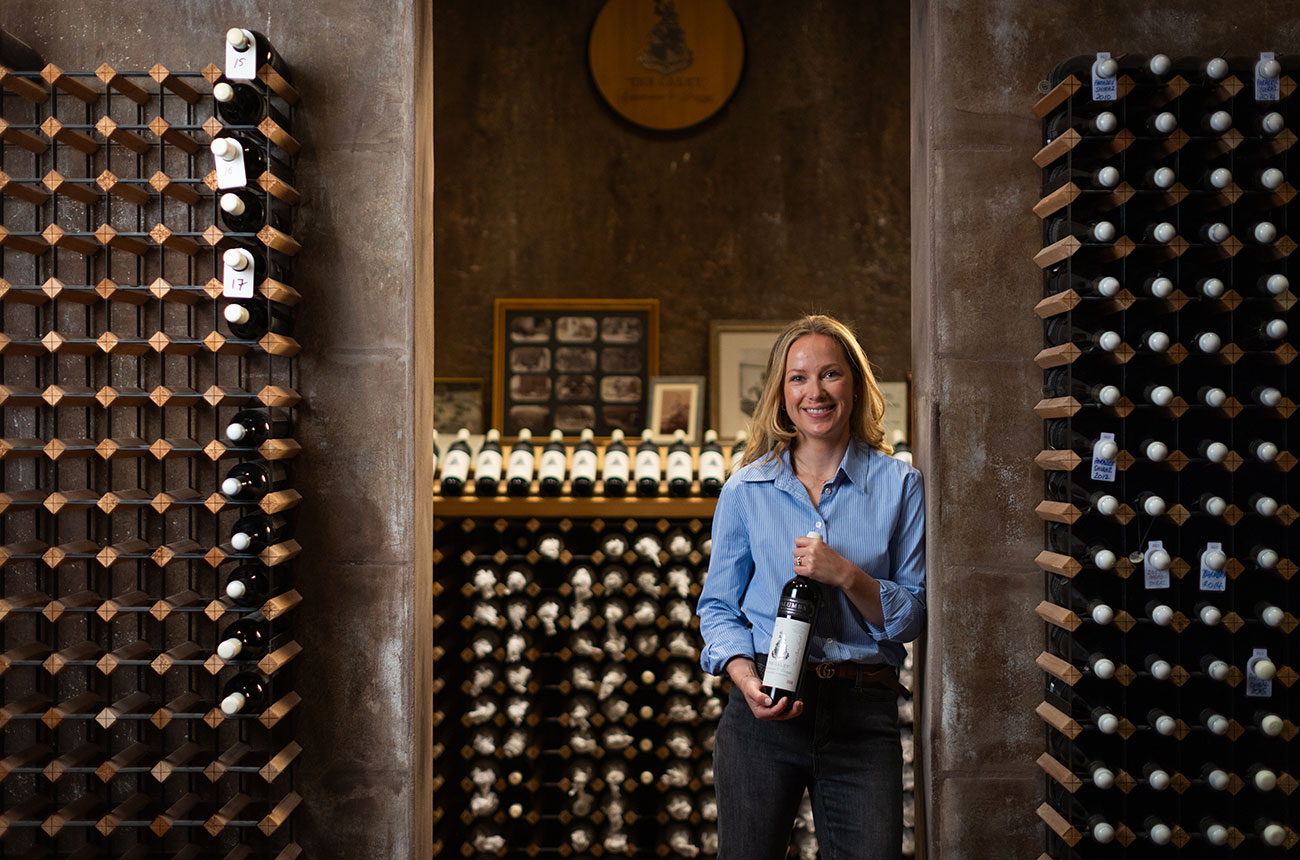 At the table with Yalumba's Lucy Hill-Smith: Top Barossa wine 'can age almost indefinitely'
Ahead of hosting a lunch at Decanter's Fine Wine Encounter London, Lucy Hill-Smith, sixth-generation family member at leading Australian winery Yalumba, offers insider tips to Barossa's wine scene, names her top dinner pairings and recalls the sophisticated palates of her grandma's kangaroos...
-
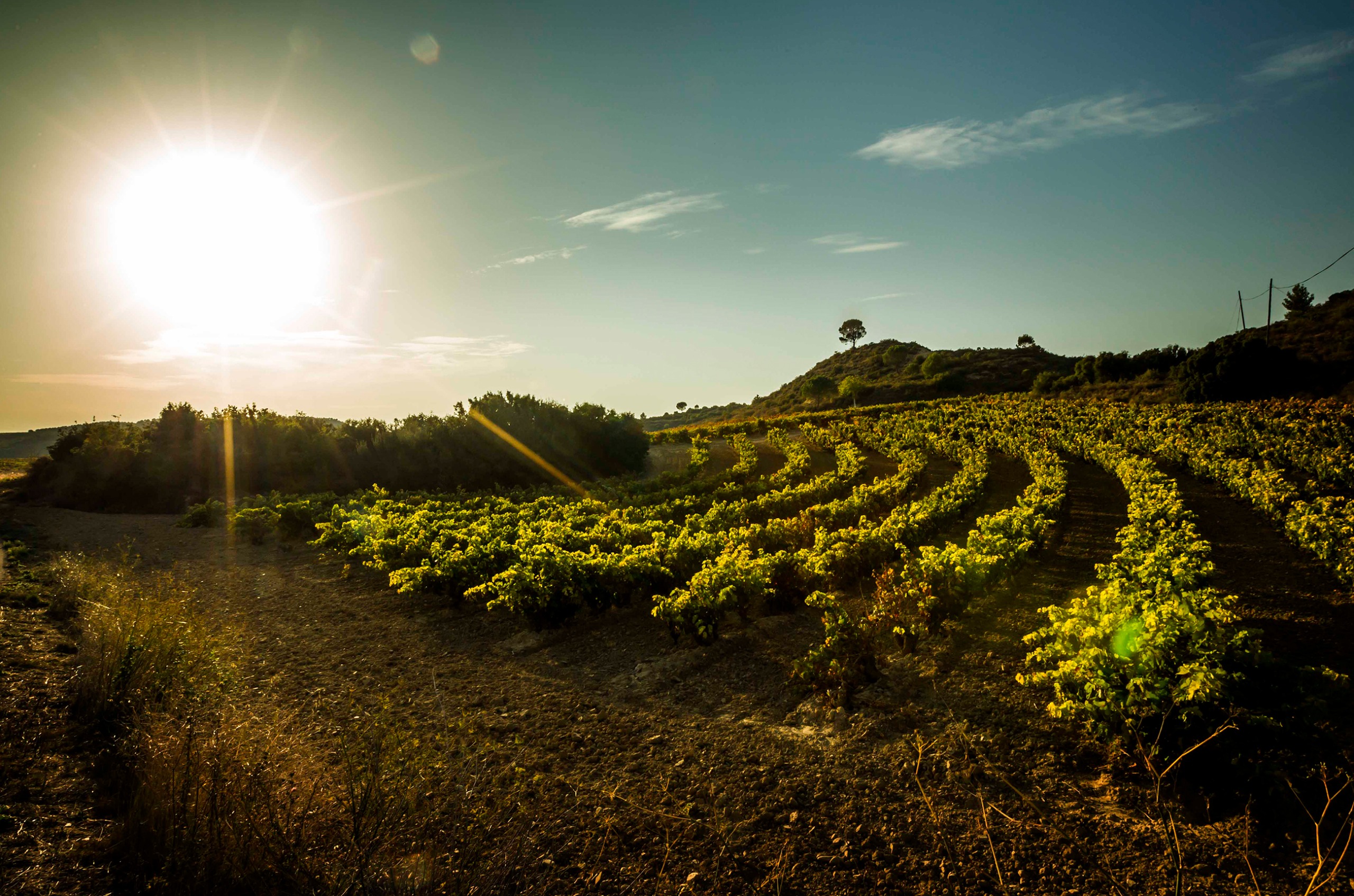 Bringing the spirit of Rioja to the UK
Sponsored Spain's leading wine region...


-
Bringing the spirit of Rioja to the UK
Sponsored Spain's leading wine region...
-
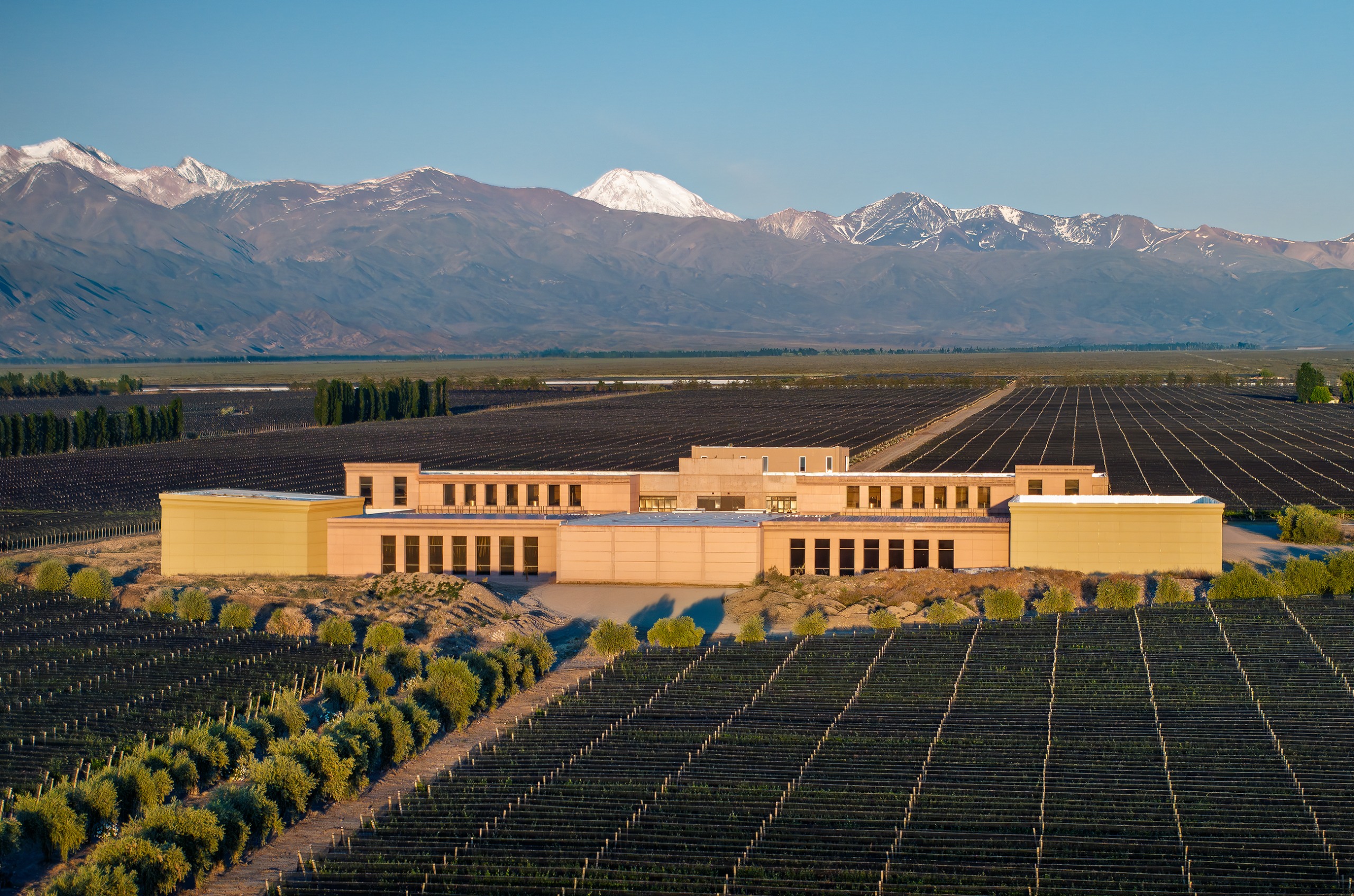 Apartado: Elegant interpretations of the Uco Valley from Rutini Wines
Sponsored The essence of the Uco Valley...
-
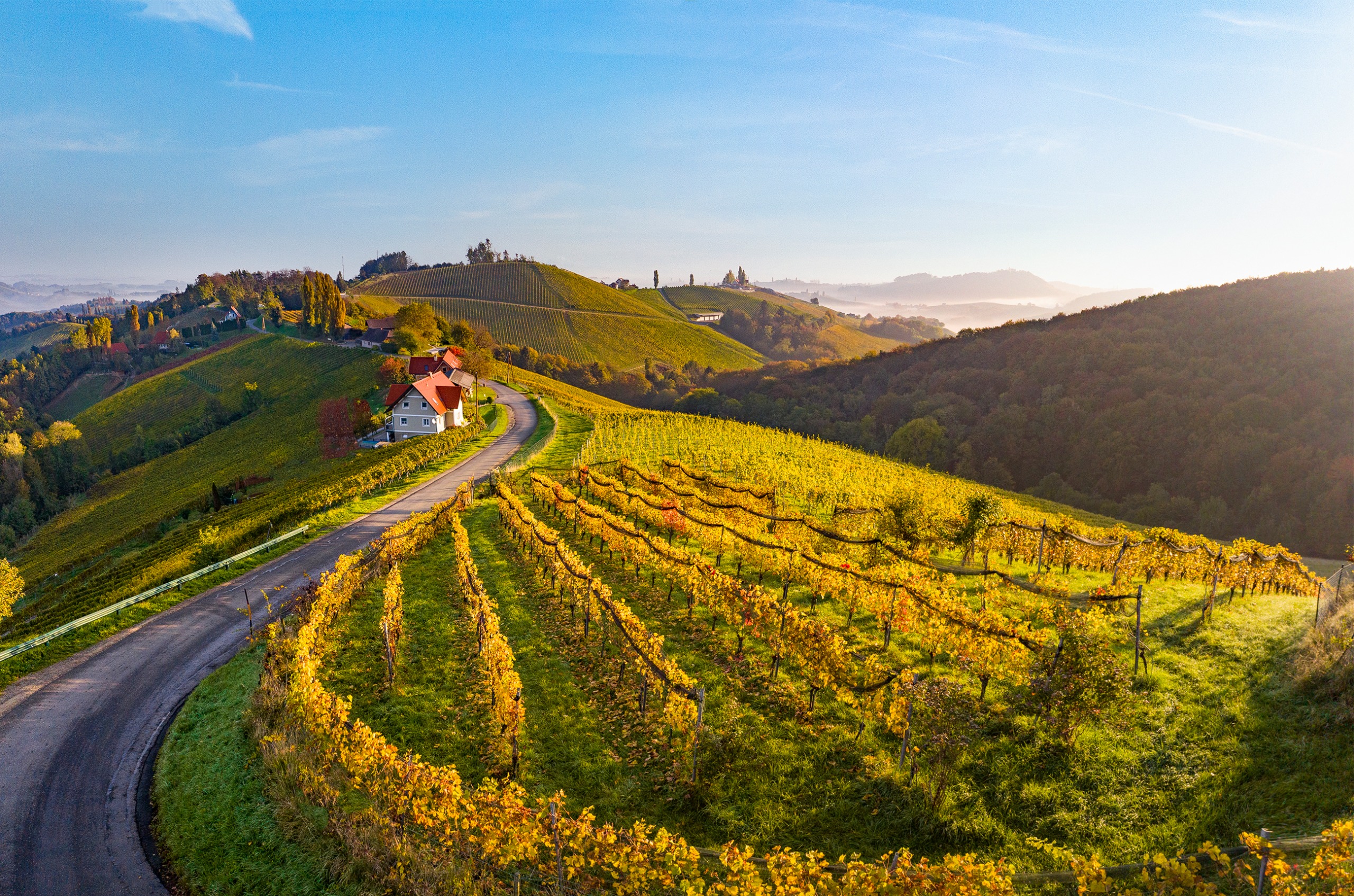 Award-winning wines from Austria
Sponsored Quality and diversity...
-
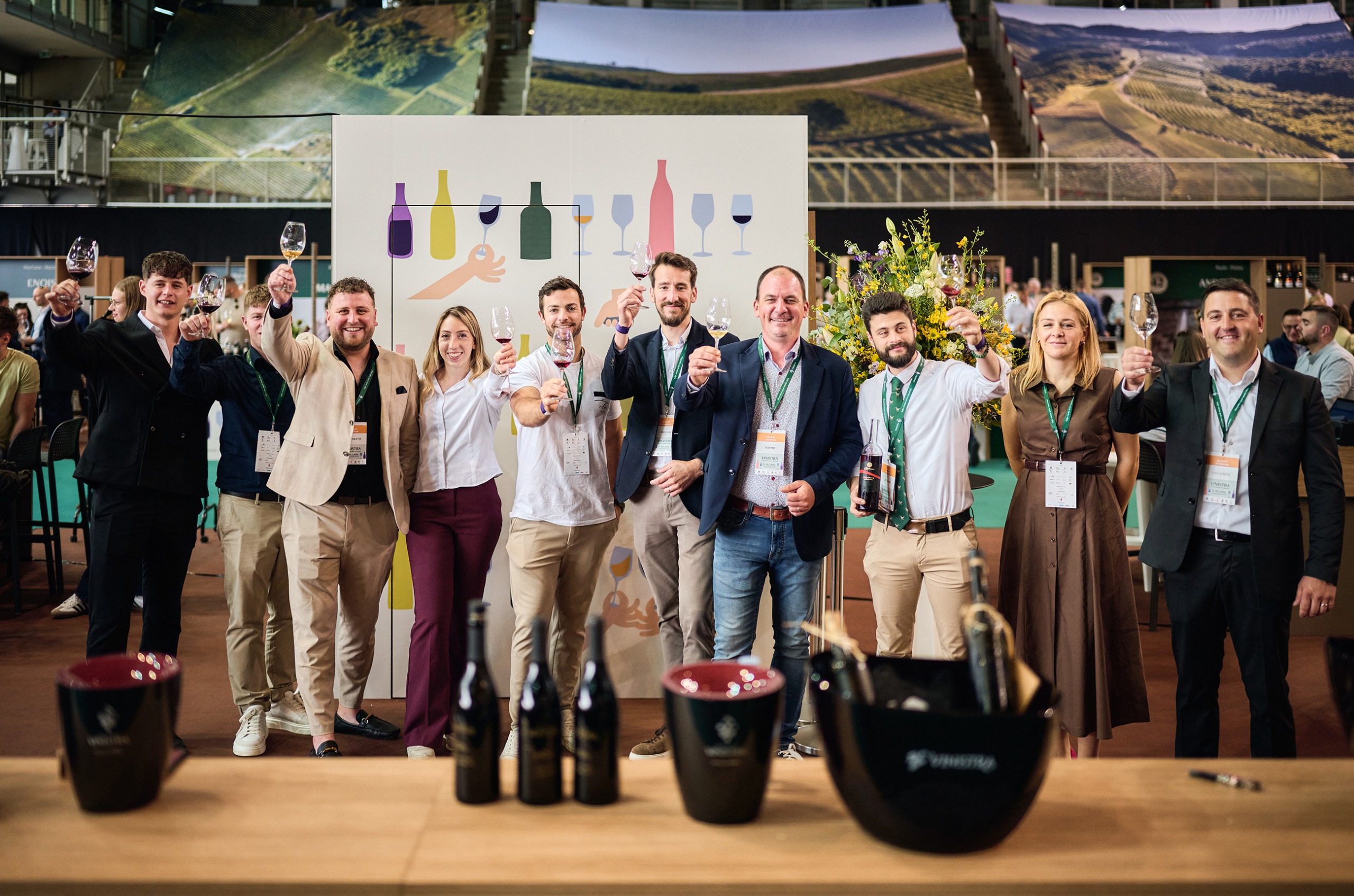 Gen V: The new face of Istria
Sponsored Taking Istria into the future...
-
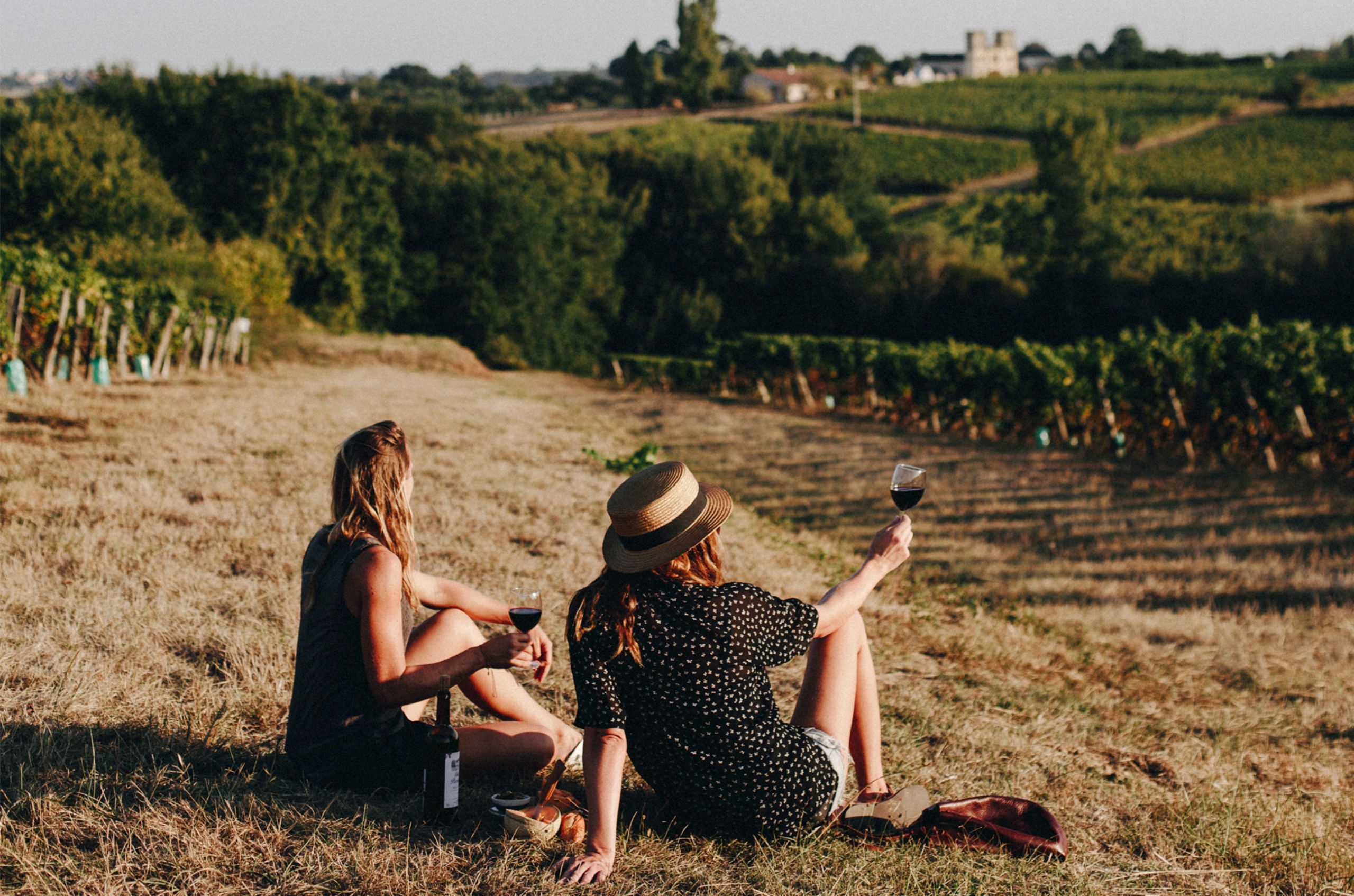 Bordeaux: One region, many voices
Sponsored Bordeaux reds in all shades...
-
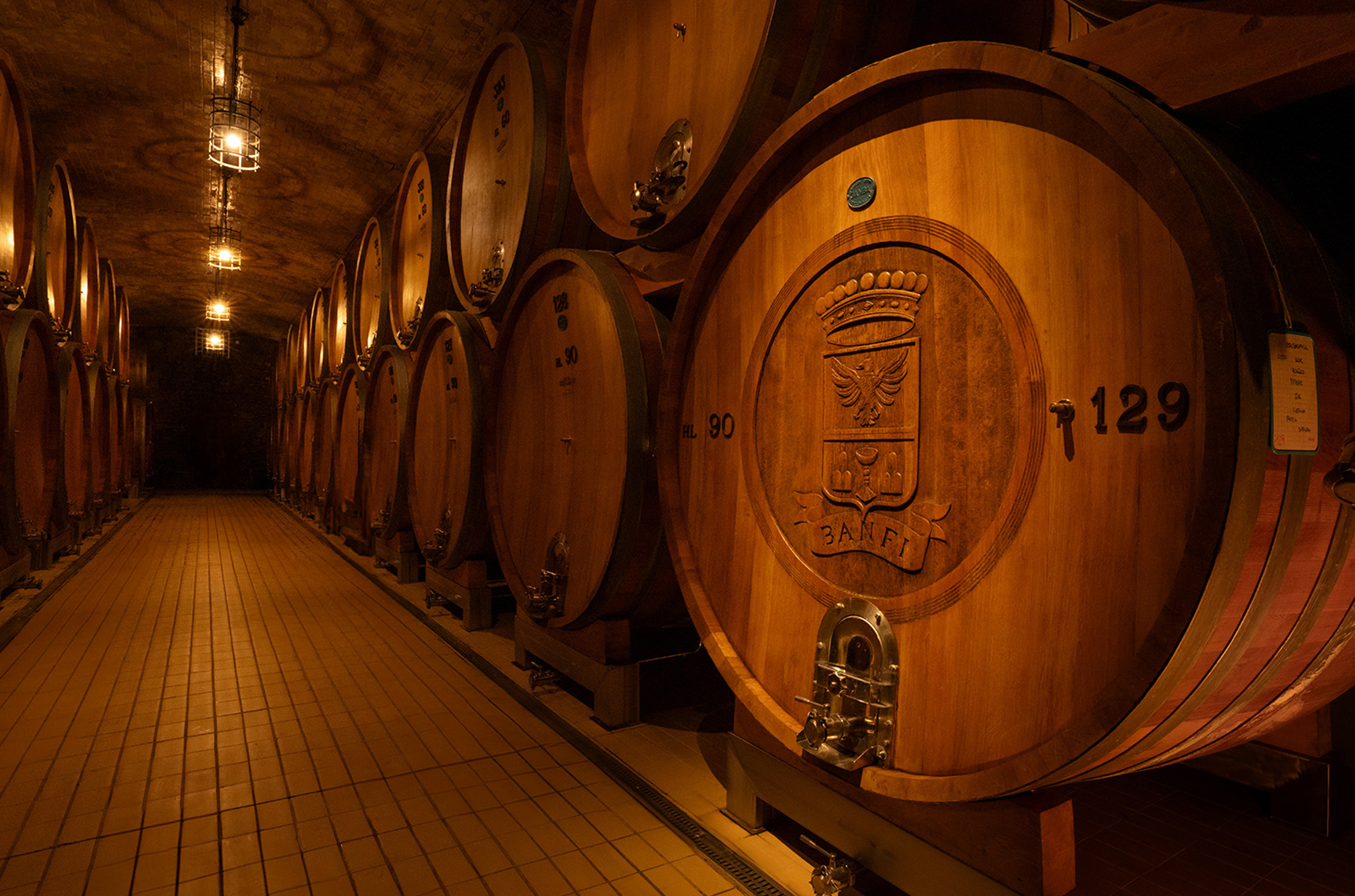 Poggio alle Mura: The Brunello that defines Banfi
Sponsored More than Brunello...
-
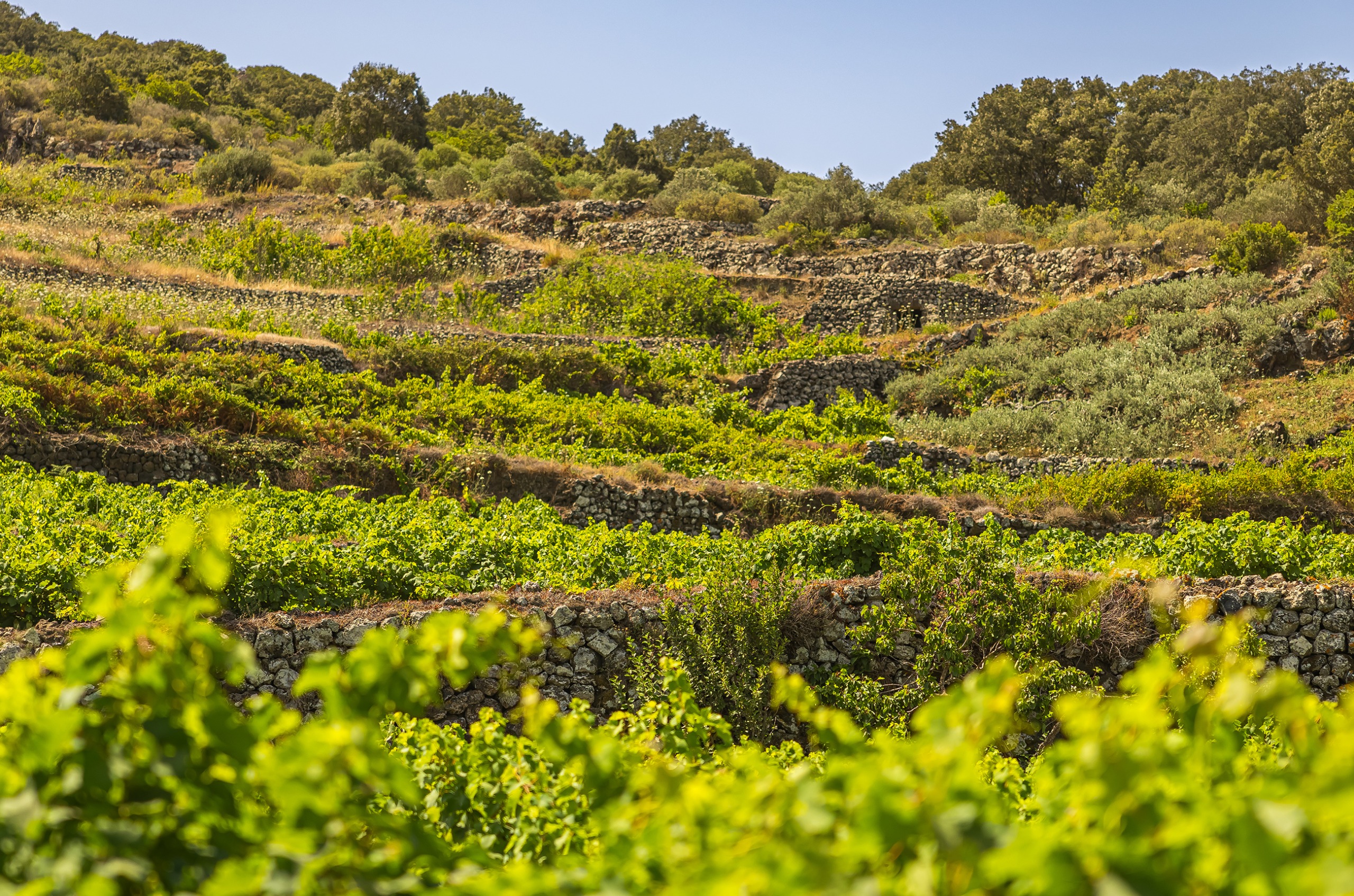 Committed to its craft: Pellegrino’s Sicilian legacy
Sponsored A legacy of quality...
-
 Bouvet Ladubay: 175 years of sparkling know-how
Sponsored One of the Loire's oldest producers...


