
Sponsored
Tinata: Rhône grapes meet Tuscan elegance
On the hills of the Tuscan coast, Julia and Georg Weber’s vision brings Syrah and Grenache to life in a uniquely Mediterranean way.


The story of Tinata – a Rhône-style blend from Monteverro, the Tuscan winery owned by Julia and Georg Weber – began long before the wine was ever bottled.
Monteverro’s slice of terroir in Capalbio, in the Maremma area of the Tuscan coast overlooking the Tyrrhenian Sea, spans 60ha, with 38ha under vine. Year-round onshore breezes temper the warm summer nights, creating the perfect, serene Mediterranean climate for Syrah and Grenache.
These were the favourite varieties of Georg’s mother, Cristine, who loved Rhône wines – so having planted them on one of the estate’s hillside blocks, near a centuries-old grove of cork oaks, Julia and Georg named the new wine ‘Tinata’ in her honour.
Today, those vines have taken well to their Tuscan home, developing the characteristic aromas of the Maremma’s local plant species. Georg explains that behind the winery there are ‘hundreds of square kilometres of macchia’, the untamed undergrowth found around the Mediterranean, home to ‘an innumerable variety of wild herbs and bushes.’

Georg describes Tinata, launched in 2008, as ‘characterised by its elegance but also spiciness, as these herbs, together with the saltiness that comes from the constant sea breeze, give the wine typical notes for our plot.’
‘There is no other blend of Syrah and Grenache in Tuscany,’ adds Georg, ‘It is a very elegant and smooth wine that nevertheless shows great complexity and spiciness – it seduces with its contrasts, is an elegant wine dedicated to a wonderful woman, my mother, and it ages very well.’
A vertical tasting of Tinata from 2008 to 2021 confirms that the wines age gracefully. More robust and fruit-forward in youth, after five to seven years these wines can elevate all kinds of Mediterranean-inspired dishes, especially lamb or porcini mushrooms.

Marrying Rhône varieties and Tuscan soils
Monteverro’s winemaker, Matthieu Taunay, is busy all year managing the vineyard and cellar, with one goal: to allow the vines to express themselves varietally while also embodying their terroir.
‘The journey to reach this goal is long and tortuous,’ he recalls, drawing on the memory of sixteen harvests. ‘We did an analysis of the biological activity of the soils, which informed our approach to growing cover crops and compost distribution,’ he explains, ‘We prune to respect the heterogeneity of terroir and to ensure the longevity of the plants, always trying to avoid necrosis [death of tissue], which could disrupt sap flow.’ The Syrah is Guyot-trained, while the Grenache is Cordon-trained to control its vigour.
The team was mindful of the risk of dépérissement (Syrah decline), Taunay explains: ‘We took this risk very seriously and decided to work with the natural genetic diversity of a massal selection to limit the danger,’ as well as grafting methods that ensure ‘the best union between the rootstock and the variety.’

From two hectares of Syrah and one of Grenache, Taunay vinifies between six and 10 different lots depending on vintage variation, all in stainless steel tanks with natural yeasts. After 12-24 days of maceration, the Syrah begins malolactic fermentation in barrel, with the Grenache following about a month later. Ageing takes place in a mix of new and used oak, as well as concrete. The final months of ageing take place in stainless steel tanks, putting the wine into a slight reductive phase before bottling after a total of 15-18 months.
Georg sums up the winemaking team’s philosophy: ‘Jean Hoefliger, our consultant winemaker, helps fine-tune this ageing, encouraging us to “listen to the wine and accompany it, instead of guiding it into a chosen direction without respecting its own character.”’
Discover Monteverro tasting notes and scores from Decanter
Read more about Monteverro:
Monteverro: The story of a modern legend
Terra di Monteverro: Every vintage of this mini SuperTuscan
Super Tuscan Monteverro plans rapid expansion
Discover more about Monteverro
Connect onFacebook | Instagram | Vimeo | Youtube


-
 Editors’ picks: A clutch of great wines to try – April 2026
See what our team has been trying recently...
-
 Barcelona Wine Week: Trends and perspectives
The latest edition of Spain’s largest wine fair set the stage for some exciting tastings and discussions, allowing our Spain Editor to take the pulse of the country’s scene and identify the hottest topics driving its evolution.


-
 Gavi: Piedmont’s hidden gem
Sponsored Content Set between the Apennines and the Ligurian coast, Gavi combines medieval charm, distinctive gastronomy and one of Italy’s finest wines.
-
 Cuatro Rayas: Past-proofing the future
Responsible for the largest area under vine in Rueda, this forward-thinking wine cooperative has embraced its role as the custodian of an invaluable natural and cultural heritage.
-
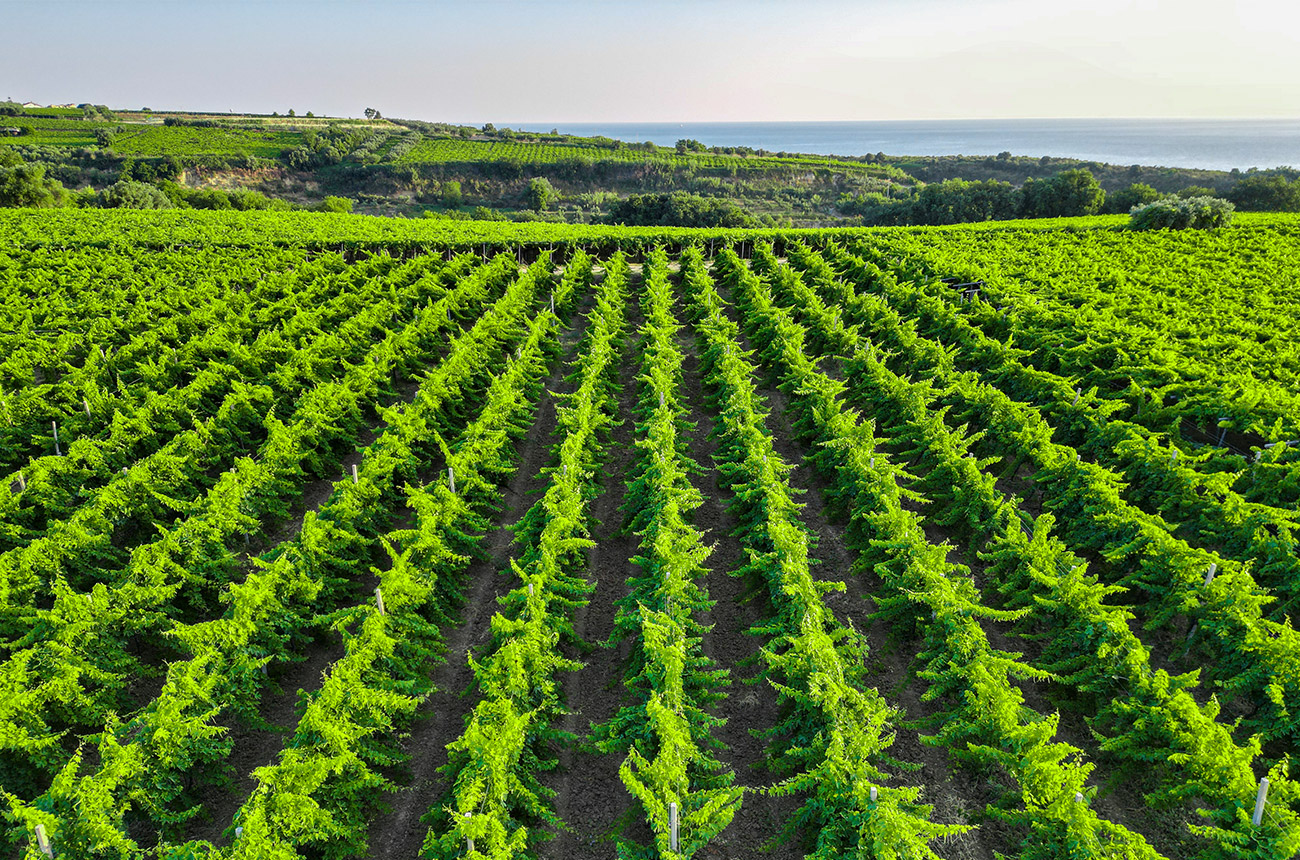 Cantina Tollo: Business not as usual
Sponsored Content In the heart of Abruzzo, Cantina Tollo is proving that cooperatives are becoming a key source of quality wine. The benchmark producer shows how a long-term vision can balance tradition and innovation to create a truly sustainable business – and some very serious wines.
-
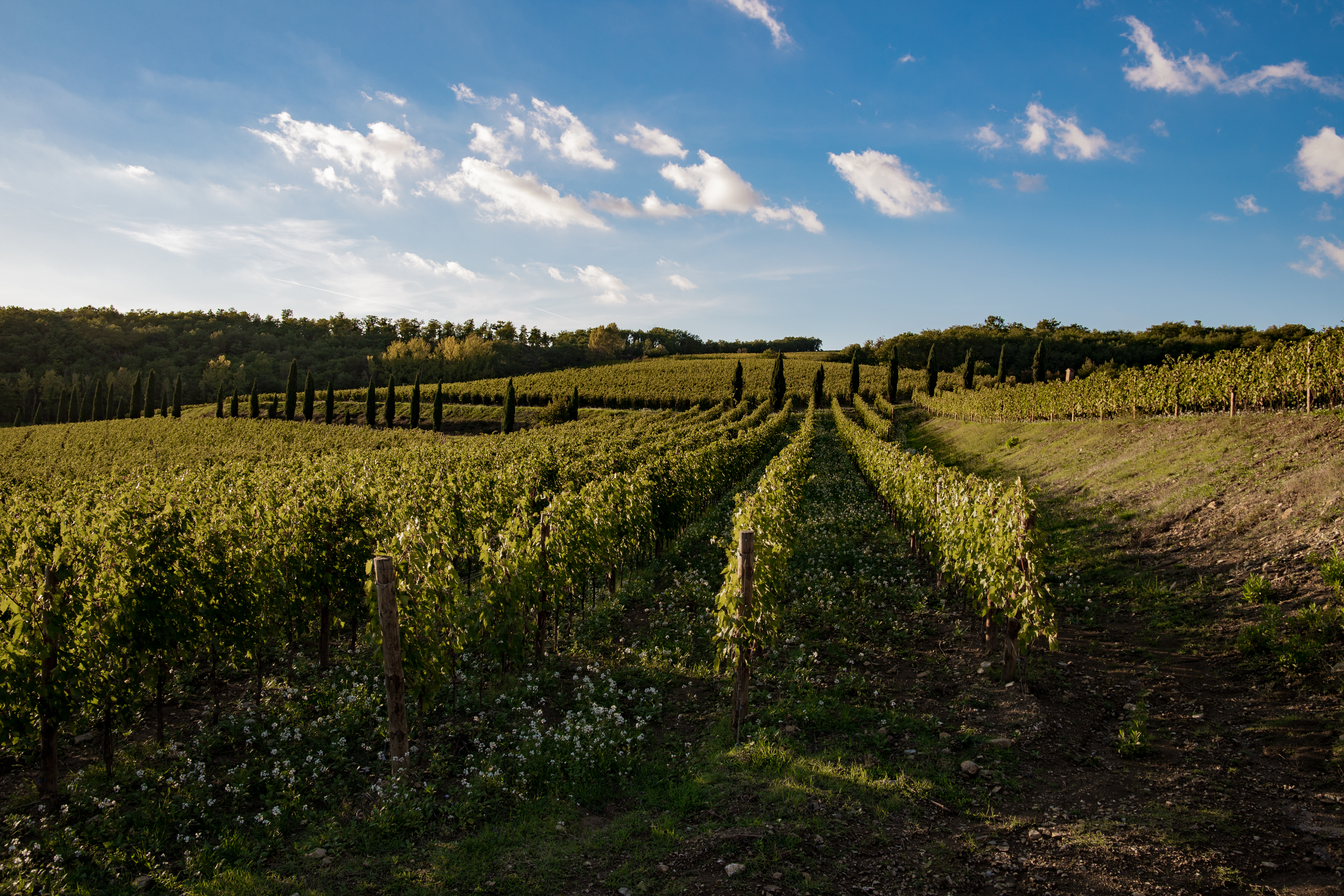 Two different faces of Tuscany: Castello di Radda and Cantina Fabio Motta
Sponsored Content For 50 years the Agricole Gussalli Beretta group has been dedicated to producing wines of the highest quality in Italy’s most prestigious wine-growing regions.
-
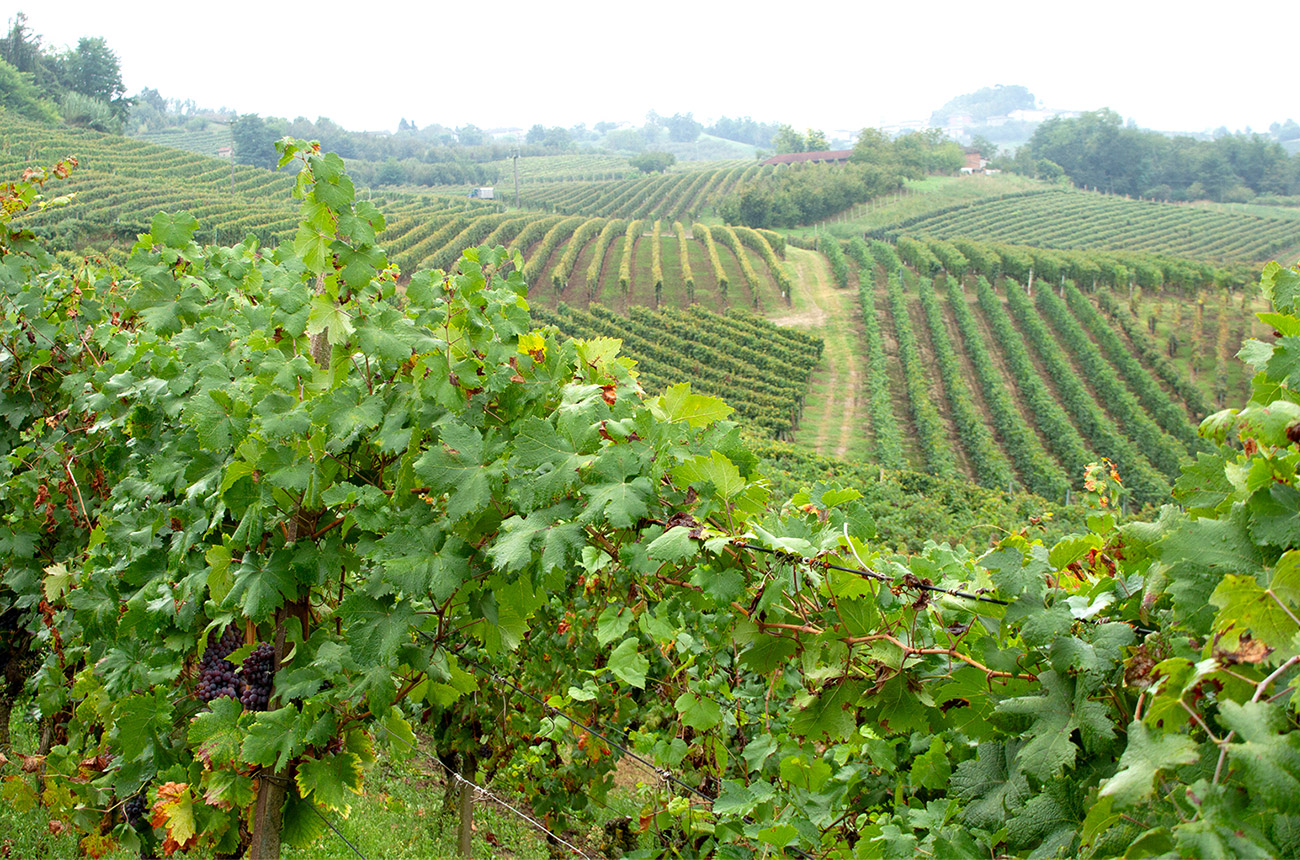 Tenuta Il Finale – Shining a spotlight on Piedmont’s land and grapes
Sponsored Content A friendship forged through the world of business led three wine lovers to the steep hills of Piedmont, where they are championing the region’s local varieties.
-
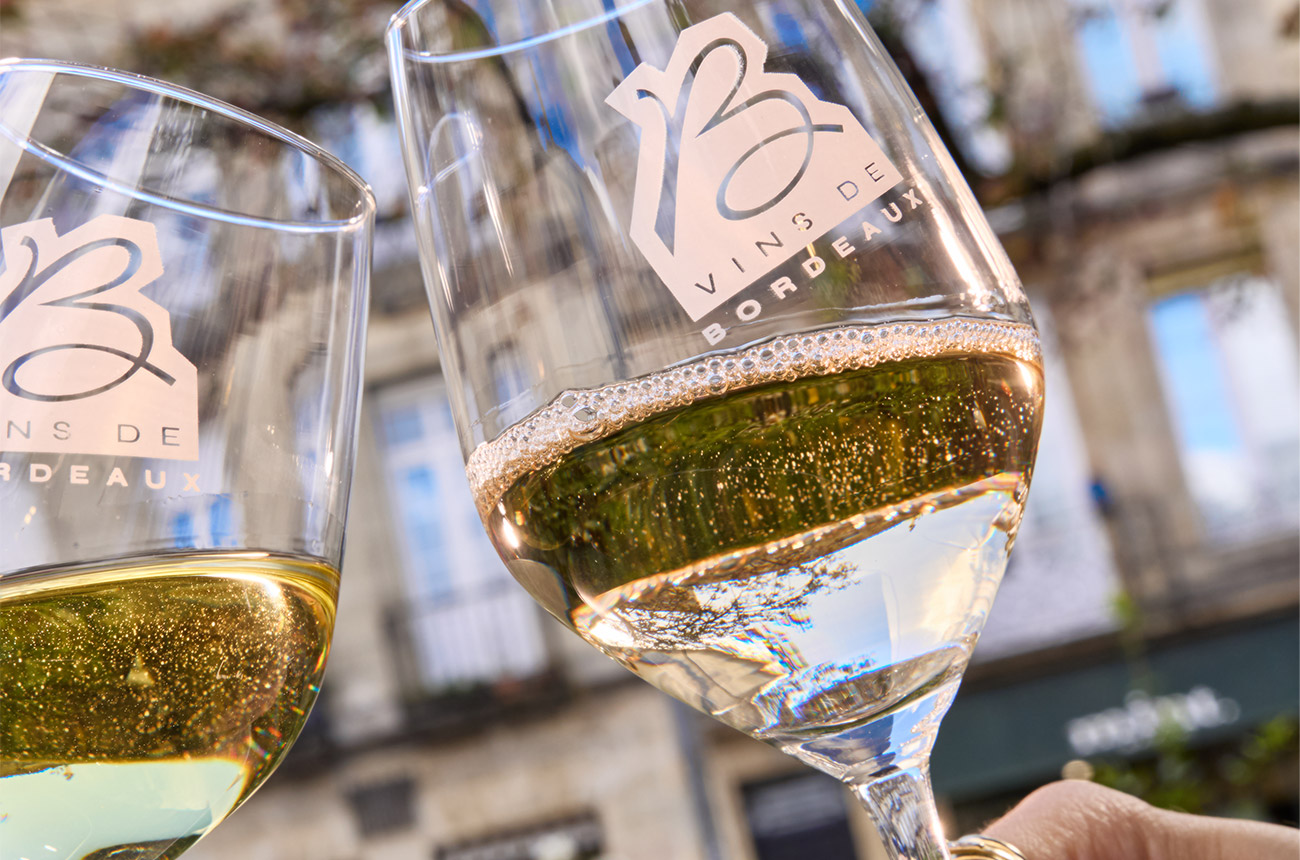 Bordeaux whites and crémants: Energy, freshness and renewal
Sponsored Content A deep dive into the new-wave dry white and sparkling wines from a region undergoing a vibrant renaissance creating crisp, lively expressions that blend Atlantic freshness, historical roots, and modern innovation for everyday enjoyment.
-
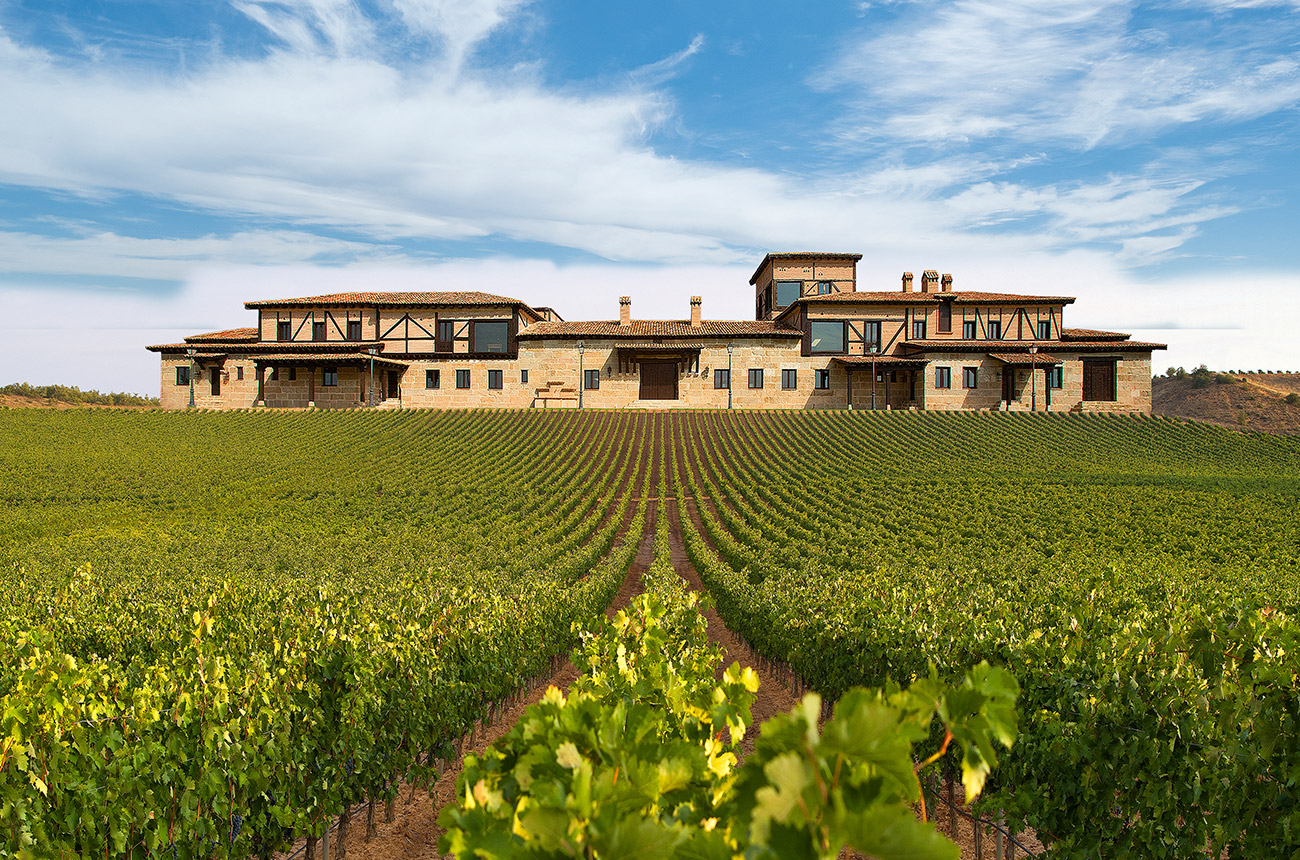 Explore Spain with Pata Negra
Sponsored Content Celebrate the exciting diversity of the Spanish wine scene with the pioneering umbrella brand that brings together a selection of top denominations under just one label. The Pata Negra range allows you to explore regions from Rioja to Rueda – and beyond.
-
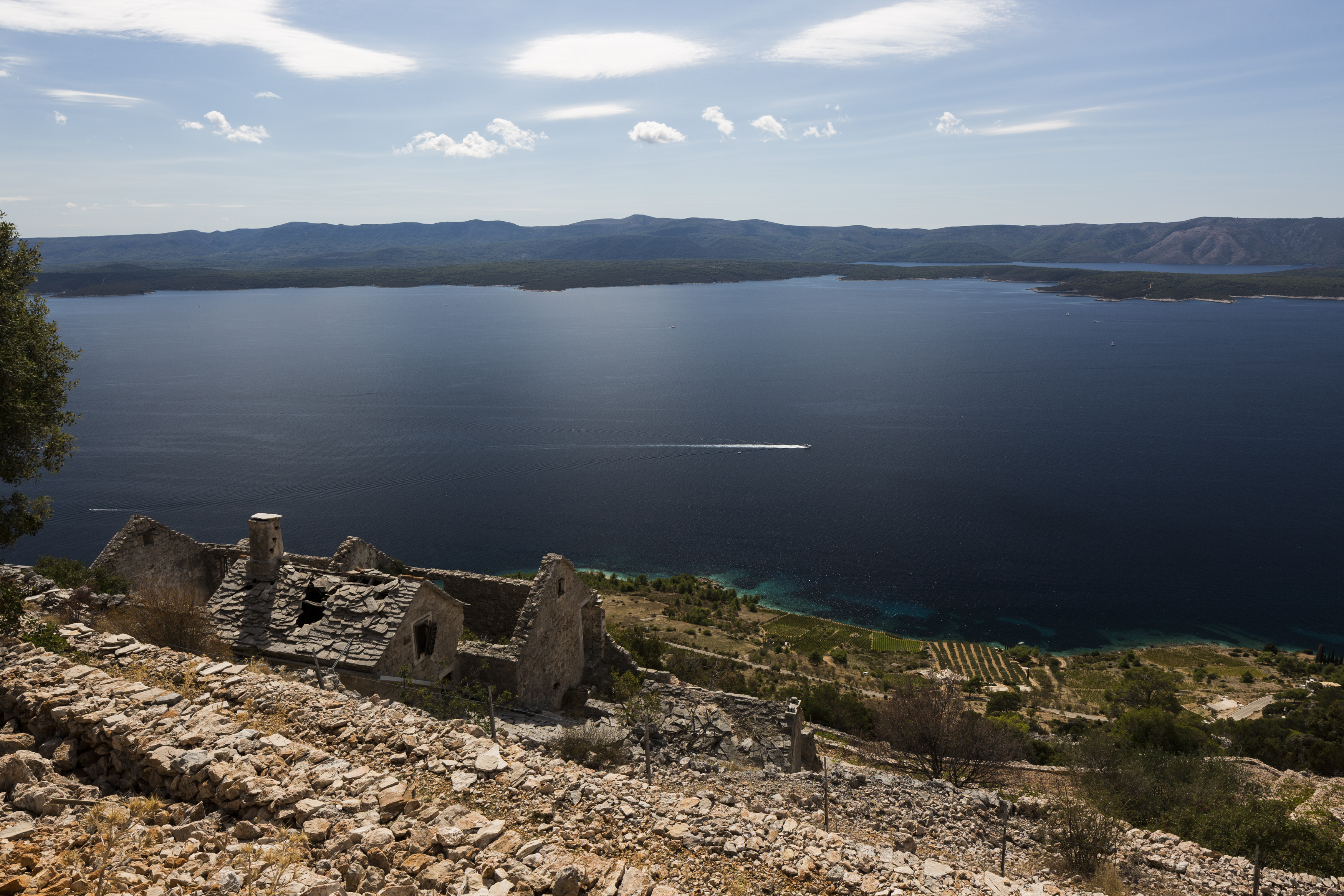 Dalmatia: Where to enjoy the stillness of fjaka
Sponsored Content When Dalmatia slows down in the early afternoon, here are some perfect places to enjoy a little dreaminess.


