Dry Alsace Riesling: Expert’s Choice
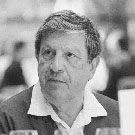

Decanter expert Stephen Brook delves into the world of Alsace Riesling and picks out his favourite wines. See them here.
It’s an old lament that everyone admires Rieslings from Alsace, but few of us actually buy them. Quality is steady, and can be superb, yet there is often more interest in Riesling from Australia (sensibly priced and consistent in quality) or from fashionable Austria. Yet a recent London tasting of more than 70 Rieslings confirmed that Alsace can produce vibrant, refreshing Rieslings in a range of styles. Nor are prices excessive for the quality. So where does the problem lie? Some say the slender Germanic bottles trigger the wrong associations with consumers, but Australian and Austrian Rieslings use similar styling and packaging without complaint.
Then there is a profusion of qualities. Most estates produce a basic Riesling, often blended from different sites. Sometimes they are labelled ‘Tradition’ or ‘Réserve’ – there is no control over such designations – which can mislead consumers into believing they are buying a higher quality level than is actually the case. At the top end there are the 51 grands crus, ranging in size from three hectares to 80ha. Consumers may recognise some of the most prestigious, such as Hengst or Brand, but most are hard to remember, and confusing: there are three all called Altenberg, located in different parts of Alsace. Moreover, too many areas within certain large grands crus just don’t deserve their status. In between are the ‘lieu-dits’, single vineyards that are too numerous to memorise.
It’s arguable that the main problem is that consumers have not known what to expect when they buy a bottle. Residual sugar levels can fluctuate widely. Certain producers such as Trimbach invariably release wines that are bone-dry, even if that means resorting to relatively early harvesting and selected yeasts to ensure a complete fermentation. Other producers take a more laissez-faire approach. In a hot year in a top site, the grapes can reach very high sugar levels. That can result in either excessive alcohol (and most growers would want to avoid a wine with 15%), or in a wine with ‘normal’ alcohol (12.5% to 13.5%) but significant levels of residual sugar.
Many admirable wines in this tasting with residual sugar levels of about 10 grams per litre didn’t taste sweet because they were balanced by fine acidity. But if the grapes are picked overripe, when acidity levels have fallen, the result can be a wine that tastes distinctly sweet. Many is the restaurant customer who has been dismayed to find that the Riesling he ordered, assuming it would be dry, is nothing of the kind. That is the sort of experience that can put consumers off for years. Alsace has its own category, Vendange Tardive, for this style of wine, but some growers ignore it. In my view, Alsace Riesling should taste dry; sweet Rieslings, invariably Vendange Tardive because of their high sugars at harvest, should be labelled as such.
Brook’s top Alsace Riesling wines
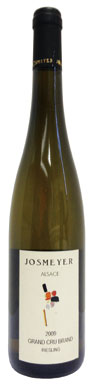
Josmeyer, Riesling, Grand Cru Brand, Alsace, France, 2009
95
Rich, light, petrol, apple and mineral nose. Very concentrated – this has volume and power. It’s harmonious and complete, with sensational length.
2009
JosmeyerGrand Cru Brand
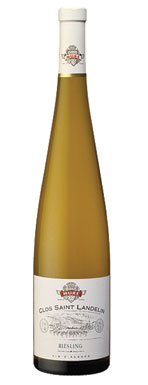
Muré - Domaine du Clos St Landelin, Clos St-Landelin, Riesling, Grand Cru Vorbourg, Alsace, France, 2010
93
Rich, full-bodied and weighty, its residual sugar balanced by lively acidity. Very concentrated, structured and long.
2010
Muré - Domaine du Clos St LandelinGrand Cru Vorbourg
Trimbach, Riesling Cuvée Frédéric Emile, Alsace, France, 2007
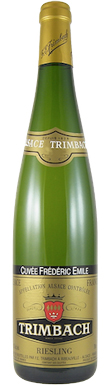

Austere, mineral nose. Fresh, vivid palate is dry and tight, yet doesn’t lack fruit. Excellent grip and long, stony finish.
2007
Trimbach

Domaine Weinbach, Riesling, Grand Cru Schlossberg, Alsace, France, 2010
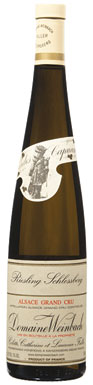
93
<p>Assertive, taut and mineral, with some citrus tones. Spicy and very long – a classic Riesling.</p>
2010
Domaine WeinbachGrand Cru Schlossberg
Albert Mann, Riesling, Grand Cru Schlossberg, Alsace, France, 2011
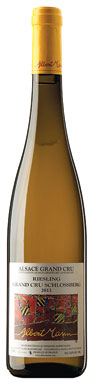
91
Another winner from this great site: bold, appley aromas and a plump, concentrated palate that is slightly soft yet with a firm, dry finish.
2011
Albert MannGrand Cru Schlossberg
Bott-Geyl, Riesling, Grand Cru Schlossberg, Alsace, France, 2010
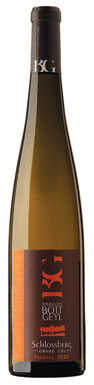
91
Discreet appley nose. Perfectly ripe yet bracing and mineral, with grip, energy and fine potential. Assertive finish.
2010
Bott-GeylGrand Cru Schlossberg
Dirler-Cadé, Riesling, Grand Cru Saering, Alsace, France, 2008
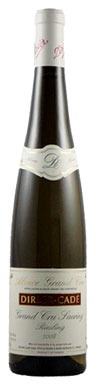
91
A plump, suave style that also shows tension, bite and an assertive finish. Still youthful.
2008
Dirler-CadéGrand Cru Saering
Schlumberger, Riesling, Grand Cru Saering, Alsace, France, 2008
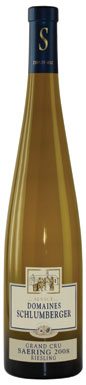
91
<p>Vibrant, stony nose. Full-bodied, concentrated and dry, this is a classic dry Riesling that balances fruit and minerality. Structured and long.</p>
2008
SchlumbergerGrand Cru Saering
Domaine Zind-Humbrecht, Riesling Heimbourg, Alsace, France, 2010
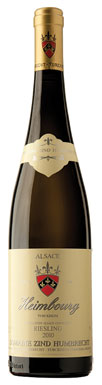
<p>Pungent apple and apricot nose. Rich and explosive, concentrated and creamy palate that is mineral and assertive, with a long dry finish.</p>
2010
Domaine Zind-Humbrecht
Gresser, Duttenberg, Riesling, Alsace, France, 2011
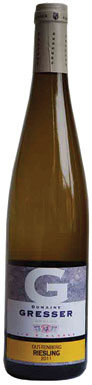
90
<p>Lush and broad on nose and palate, with apricot fruit that’s weighty without being clumsy. The fruit is forward but there’s underlying minerality too.</p>
2011
Gresser
Domaine Marc Kreydenweiss, Clos Rebberg, Riesling, Alsace, France, 2009
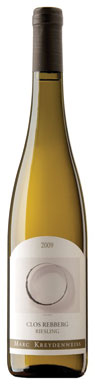
90
<p>Remarkable stewed apricot nose, from the schist soils. Rounded, full-bodied and spicy, this is highly individual, with great tension and length.</p>
2009
Domaine Marc Kreydenweiss
Kuentz-Bas, Riesling, Grand Cru Pfersigberg, Alsace, France, 2010
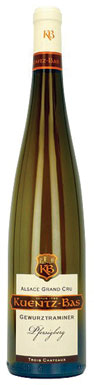
90
Opulent and full-bodied, with a youthful, spicy character and ample persistence on the finish.
2010
Kuentz-BasGrand Cru Pfersigberg
Léon Beyer, Ecaillers, Riesling, Alsace, France, 2007
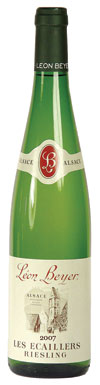
90
<p>Classic nose that is taut and mineral. Suave and textured palate but still quite backward and austere now, with a long life ahead.</p>
2007
Léon Beyer
Domaine Weinbach, Ste-Catherine, Riesling, Grand Cru Schlossberg, Alsace, France, 2009
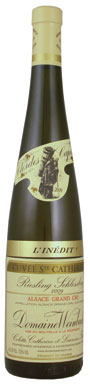
90
Although very ripe and concentrated, this has good underlying minerality and persistence. A bit closed at present but give it time.
2009
Domaine WeinbachGrand Cru Schlossberg
Zinck, Riesling, Grand Cru Pfersigberg, Alsace, France, 2010
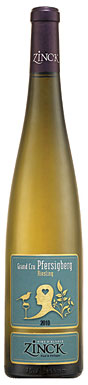
90
Zesty pear aromas. The palate is juicy and concentrated with great tension and a long, bracing finish.
2010
ZinckGrand Cru Pfersigberg
Josmeyer, Le Kottabe Riesling, Alsace, France, 2010
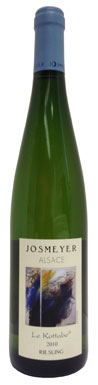
88
Zesty and lively, citric and piquant, this is sleek and delicate rather than powerful. Has great charm and finesse.
2010
Josmeyer
Léon Boesch, Grandes Lignes, Riesling, Alsace, France, 2011
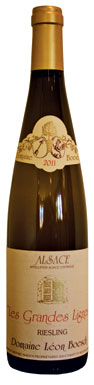
88
<p>Rich, plump and concentrated but with a great backbone of acidity. Tangy, complex and long.</p>
2011
Léon Boesch
Trimbach, Riesling, Alsace, France, 2010
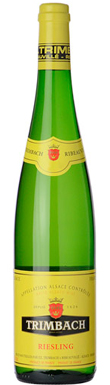
88
<p>Tangy, grassy nose. Medium-bodied but taut, with fine acidity. Not complex but a classic, dry style.</p>
2010
Trimbach
