Introducing appassimento wines from Veneto
Your Decanter guide to the much-loved Veneto wines that share a common basic process, appassimento. Understand what makes Amarone different (and similar) to Ripasso and why Reciotos have such luscious intensity. Plus 15 wines to try and learn your styles.


Some of the Veneto’s most renowned red and sweet wines have one basic process in common – appassimento. Decanter looks at what the technique entails and how it shapes the structure and flavour of the wines it produces.
What is appassimento?
Appassimento is the Italian term used for the process of drying grapes off the vine – i.e. it does not apply to vine-dried grapes (grapes dried while hanging on the vine). The process is almost as old as winemaking itself, with records going back as far as ancient Greece.
Grapes that undergo appassimento are harvested fresh and then allowed to dry before being vinified. The grapes are usually picked by hand so that only the best, healthiest fruit can be selected, and then carefully placed in small crates to avoid any damage or crushing.
There are places, such as the Sicilian island of Pantelleria or Santorini, in Greece, where grapes are dried under the sun. This allows the process to happen quickly, developing distinct and intense caramelised aromas.
In the Veneto, on the other hand, the grapes are dried in big, naturally ventilated warehouses, called fruttai. The bunches are laid out horizontally on wooden or plastic boxes and allowed to rest during the winter months and, because the process happens slower, the grapes have a chance to develop a more complex array of aromas and flavours.
Drying the grapes causes them to lose water and, consequently, sugar and flavour compounds are concentrated. Acidity is also concentrated but not at the same rate as other compounds (the total acidity in grapes undergoing a 40% dehydration rises not by 40% but by around 25%) significantly changing the structural balance of the resulting wines. Resveratrol and glycerin levels increase, lending balance, richness and a unique ‘glossy’ texture to the wines.
Noble rot (Botrytis Cinerea) may develop on the grapes during dehydration, further concentrating sugar and developing a specific set of aromas and flavours. While this is not desired by most producers, many use the effects of botrytis to add further complexity to their wines.
The duration of the drying process is a function of the grape variety, the intended wine style and the specific microclimatic conditions under which the process happened. In the Veneto, the drying of Garganega for white Recioto or Corvina, Corvinone or Rondinella for a red Recioto or Amarone will need three to four months, (even up to six months for Recioto). Ideal conditions include good aeration and mild temperatures, allowing for a gradual and clean dehydration.
Scroll down to see our suggestion for 15 appassimento wines from Veneto to try
Amarone
Appellation: Amarone della Valpolicella DOCG
Grape varieties: 45–95% Corvina, 5–50% Rondinella, and up to 50% Corvinone in the place of Corvina. It may also contain up to 15% of any red variety authorised in the province of Verona.
Characteristics: maximum 12gr/L residual sugar; minimum 14% abv.
Amarone is a result of the fermentation of the grapes which have undergone appassimento. As their sugar content was significantly concentrated, the potential alcohol is also greater often reaching 15-17%. At this point though the alcohol level kills off the yeast and therefore the wine is not fermented to complete dryness, with some sugars (up to 12 gr/L) left in both the wine and the pomace (the residue from the grapes, including skins and pips).
Due to the alcohol level and the long period of fermentation there is an intense extraction of both flavours and tannins, giving Amarone its distinct, powerful character. The luscious, bitter (amaro) aftertaste explains its name.
Recioto
Appellations: Recioto della Valpolicella DOCG, Recioto di Soave DOC, Recioto di Gambellara DOC
Grape varieties: Valpolicella DOC – same as Amarone above. Soave DOC – at least 70% Garganega and a maximum of 30% Trebbiano di Soave. Gambellara DOC must be 100% Garganega.
Characteristics: minimum 46 gr/L residual sugar; minimum 12% abv.
As Amarone, Recioto is made by fermenting raisined grapes, dried in fruttai over the autumn and winter months. However, fermentation stops well before the sugars have been converted to alcohol, resulting in an intensely sweet, less alcoholic wine. Fermentation can stop naturally, but the arrest is normally induced by the winemakers, usually by cooling the must, thus suppressing the yeast’s action, and then filtering it.
Ripasso
Appellations: Valpolicella Ripasso DOC Ripasso DOC (including a Superiore version)
Grape varieties: same as Amarone above.
Characteristics: dry; alcohol levels usual between 13.5% and 14.5% abv.
Once dismissed as the ‘poor man’s Amarone’, Valpolicella Ripasso has seen an amazing comeback and is now extremely popular among consumers and sommeliers alike. The reason for its new-found popularity is its versatility and an alluring combination of the Valpolicella Classico’s vibrancy and Amarone’s intensity.
Ripasso is made through an induced second fermentation (a ‘second pass’) of a dry, basic Valpolicella Classico wine. The pomace of an Amarone is added to this base wine and the second fermentation kicks off, adding alcohol, flavour and tannins. A Ripasso therefore has some of the deep Amarone-like characteristics – hence being sometimes called a ‘baby Amarone’ – while retaining the nerve of a Valpolicella.
Some producers also produce Ripasso using the refermented must of Recioto, which creates a very soft, velvety and intense wine.
Five Veneto appassimento wines to try:
Related content
What is Valpolicella wine? – Ask Decanter
How to match Amarone with food plus the best wines to try
Giuseppe Quintarelli, Amarone della Valpolicella, Classico, Veneto, Italy, 2012
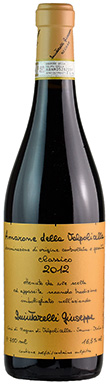

In Bepi Quintarelli’s winery, the old bottles are stored traditionally, wrapped in newspaper. From this collection, the estate is now releasing the 2012 vintage. Lively and pale ruby in colour, this is focused on bright, fresh black cherry embellished with raspberry and bay leaf, then coffee granules and a hint of curry powder. Dry and full, the palate expresses great balance due to the brilliant acidity, with ample velvety tannins. An extremely opulent wine of great tension, which will age for decades.
2012
Giuseppe QuintarelliAmarone della Valpolicella

Monte del Frà, Scarnocchio Riserva, Amarone della Valpolicella, Classico, Veneto, Italy, 2015
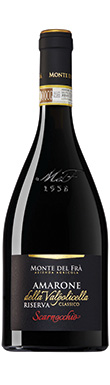
Monte del Frà has a history dating back to 1492, and produces this wine in the Classico area next to Fumane and Marano. Vineyards are located at between 300m-400m on clay and tufa soils, and trained on the traditional pergola system. Grapes are dried naturally for four months, giving the wine plum, spice and intense summer-fruit pudding scents. Flavours of Morello cherries are followed by hints of mocha and balsam. Great texture and round, tannic structure.
2015
Monte del FràAmarone della Valpolicella
Zenato, Sergio Zenato Riserva, Amarone della Valpolicella, Classico, Veneto, Italy, 2015
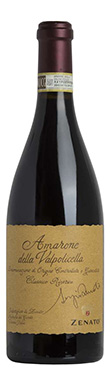
Hand-graded grapes (80% Corvina, 10% Rondinella, 10% Oseleta and Croatina) were left to dry for around four months, then fermented 15-20 days on the skins, the wine maturing for at least four years in large oak vessels before another year of ageing in bottle. Dense ruby in colour, this shows an impressively defined sense of terroir with its bright red-cherry fruit and black pepper – typical of Sant’Ambrogio Valpolicella – then the depth of dark chocolate, dried prunes and figs. Creaminess prevails on the off-dry (6g/L) palate, with elegant velvety tannins, refreshing high acidity and the final grip possibly from the Oseleta. A top example from the Classico area, this is a great example to pair with boiled meats and Italian mustard.
2015
ZenatoAmarone della Valpolicella
Tedeschi, La Fabriseria Riserva, Amarone della Valpolicella, Classico, Veneto, Italy, 2015
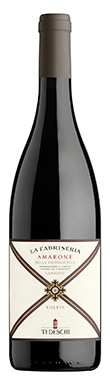
La Fabriseria is from an outstanding vineyard located at 400m on limestone soil between Sant’Ambrogio and Fumane. Based on 40% each of Corvina and Corvinone, with 15% Rondinella and 5% Oseleta, this concentrated wine features lush dark cherry fruit and chocolate in a Port-like style, with balsamic notes and a sweet tobacco finish. Full on the palate, it is velvety and refined, off-dry in style (6.5g/L), with an opulent 17% alcohol balanced by crisp acidity. Hedonistic.
2015
TedeschiAmarone della Valpolicella
Allegrini, Amarone della Valpolicella, Classico, Veneto, Italy, 2016
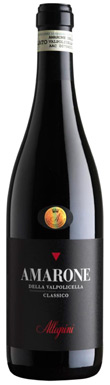
Despite a cool, rainy spring, the 2016 vintage is one of the best in recent years due to a warm summer that never exceeded 35°C. Full of dark-fruit intensity – plum and cassis – the wine is layered with dark chocolate, black liquorice and a toasty finish with cherry notes. Velvety and extracted, it’s thick on the palate due to its youthful character. Great potential to age, with a superb natural acidity from the higher vineyard of the estate above Villa della Torre, balancing its richness of fruit and full body.
2016
AllegriniAmarone della Valpolicella
Marion, Amarone della Valpolicella, Veneto, Italy, 2015
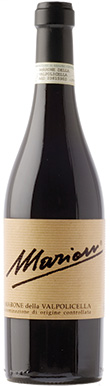
The Campedelli family owns Marion, a fairly small producer with a clear vision. Its rich limestone vineyards planted to Corvina and Corvinone are situated in the valley of Marcellise, just outside the Classico zone. This is a meaty and savoury style showcasing intense fruits and spicy notes, along with plenty of dried cherries and plums on the palate, accompanied by a smoky note with hints of dry mint and wild herbs. Stunning vibrant fruits and round tannins.
2015
MarionAmarone della Valpolicella
Tesco, Finest, Valpolicella, Ripasso, Veneto, Italy, 2018
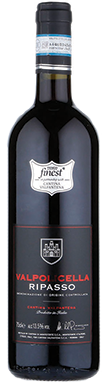
The Valpantena co-op is one of the region’s leading producers of great-value DOC Valpolicella Ripasso. The combination of freshness with a hint of sweetness to the ripe red-fruit and black-cherry flavours makes this an ideal match for grilled steak and game dishes. The lift of spice and subtle oak also make it a fine accompaniment for aged hard cheeses such as Pecorino and Parmigiano.
2018
TescoValpolicella
Cantina di Negrar, Domìni Veneti, La Casetta, Valpolicella, Ripasso Classico Superiore, Veneto, Italy, 2017
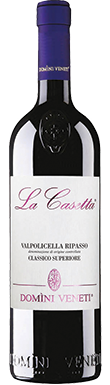
Ripasso doesn’t get much better than this highly polished example. Here, Valpolicella Classico is re-fermented on the lees of recioto (rather than Amarone) and the extra sweetness and softness which that brings to the finished wine really suits the ripasso style. It has sweet and sumptuous fruit with a velvety texture and ripe, round tannins. Extremely persuasive and already drinking well.
2017
Cantina di NegrarValpolicella
Massimago, Marchesa MariaBella, Valpolicella, Ripasso, Veneto, Italy, 2017
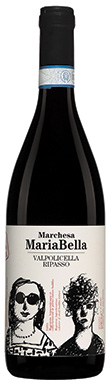
Based in Mezzane with 28ha of vineyards, Massimago (derived from the Latin for ‘extreme well-being’) dates back to 1883. It is now led by a new generation, namely Camilla Rossi Chauvenet. With vineyards up to 350m, the producer makes wines with a fresh, vibrant core. This example is complex and savoury, with a nose of cherry jam, raspberry and plum coulis intertwined with wild summer fruit. Velvety and soft on the palate, long and moreish.
2017
MassimagoValpolicella
Cesari, Bosan, Valpolicella, Ripasso Superiore, Veneto, Italy, 2016
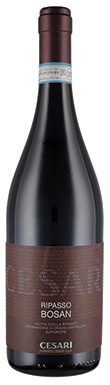
Cesari has been a well-known name in Valpolicella since since the early 1990s. The Bosan vineyard is situated in Corrubbio di Negarine, where the soil is rich in clay and silt, producing the best, most charming amarone. And it’s here that the best dried grapes are used to make this stunning ripasso. In the glass, the wine exhibits all the aromatic charm of the 2016 vintage. On the palate, it opens up to sweet tobacco, dry raisins and sweet vanilla, hinting at Christmas pudding. Velvety and long.
2016
CesariValpolicella
Monte Zovo, Valpolicella, Ripasso Superiore, Veneto, Italy, 2015
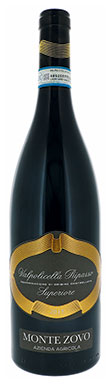
Herby cherry scents lead to a textural, ripe, almost sweet palate full of vanilla-infused wood, earthy black cherry, fragrant wild strawberry, fleshy mulberry and some menthol. It’s a touch warming, but a great example of the ripasso style. Liquorice and chocolate notes accompanied by a fine line of acidity and salinity on the long finish.
2015
Monte ZovoValpolicella
Pieropan, Le Colombare, Recioto di Soave, Veneto, Italy, 2012
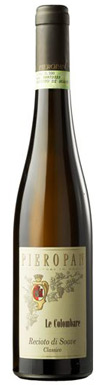
More noble rot than usual during the drying phase of the 2012 vintage has added extra depth and lustre to the rich, dried and candied fruit aromas so typical of white Recioto. This is substantial yet almost delicately sweet on the palate, with rounded acidity and plenty of luscious, honeyed notes leading to a bittersweet finish with notes of brazil nut and orange marmalade. Such a typical example of this under-rated Veronese classic.
2012
PieropanRecioto di Soave
Cantina di Negrar, Recioto della Valpolicella, Classico, Veneto, Italy, 2014
Recioto is the sweet wine of Valpolicella. Hand picked grapes are dried for 120 days to concentrate the flavours and sugars, and fermentation is stopped early to leave 130 grams per litre of residual sugar. The result is a wine with a beautifully fragrant nose of smashed strawberry, with abundant prune and violet notes. It has a sweet palate of macerated red fruit and subtle spice, with a long finish of black pepper and strawberry jam. There is enough acidity to freshen the palate after every sip, counteracting the sugar content and making it a perfect match for chocolate and cherry based desserts.
2014
Cantina di NegrarRecioto della Valpolicella
Masi, Recioto della Valpolicella, Classico, Veneto, Italy, 2007
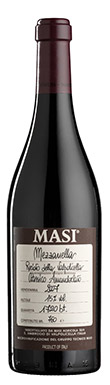
From a high-elevation vineyard, the grapes are dried on bamboo mats to loose 40% of their weight pre-fermentation. Dense fruit, spice, almonds and liquorice; rich but not sweet. Terrific rigour.
2007
MasiRecioto della Valpolicella
Romano Dal Forno, Vigne Serè Passito, Veneto, Italy, 2004
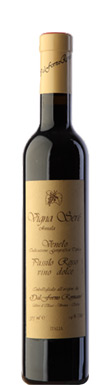
The family withdrew their Recioto from the DOC after the 2003 was rejected by the Consorzio tasting panel for insufficient typicity (“it was like a slap in the face to us”); after that, the wine became an IGT named after its leading vineyard. It goes to market in the best years only; 2004 is only the sixth vintage produced. Is it wine or perfume? The aromas of this dark passito (dried for four months) leave you wondering: there’s rose, lily and jasmine in here somewhere, as well as milled wheat grains and pounded dark plums. It’s almost jammy, but there’s nothing that resembles burnt sweetness so in the end you conclude that a purée is a better allusion. On the palate, there’s sweet enchantment to begin with; the black fruits just tiptoe towards fig, raisin and prune without ever quite losing freshness. Then you notice the dark tannins, waiting like masked dancers in the wings, and the warm resolving acidity, the length, and the dreamy seamless sumptuousness … and then you forget to think at all, and just surrender to its embrace.
2004
Romano Dal Forno
