
Our expert recommends 18 brilliant light-bodied South American reds
South America is known for its broad-shouldered reds, but as barbecue season draws closer, it’s time to make space in the fridge for these light, vibrant reds


For many, ‘light South American reds’ will sound like an oxymoron. The continent is mostly associated with – and celebrated for – assertive reds with muscular tannins, plush fruit and considerable ageing potential.
And yet, the evolution and diversity of wines produced from red-skinned grapes across South America makes the case for looking beyond the lauded expressions of Malbec, Carmenère, Tannat and Cabernet Sauvignon.
Spoiled for choice
Refreshing complexity

Fridge door-ready
18 judiciously crafted South American reds:
Related articles


Ventisquero, Tara Pinot Noir, Atacama, Chile 2021
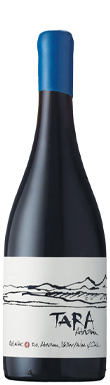

Winemaking dream-team Felipe Tosso, Sergio Hormazábal and Alejandro Galaz make this Pinot Noir of incredible detail from grapes grown in Chile's inhospitable desert region. Filigree...
2021
Ventisquero

Masintín, País, Maule Valley, Chile 2022
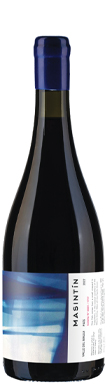
Striking nuance and detail, reflecting the low-intervention yet technically exact hand of winemaker Diego Urra Gosselin, in this light but deeply complex País (with a...
2022
Masintín
Viña San Pedro, Tayu 1865 Pinot Noir, Malleco Valley, Chile 2024
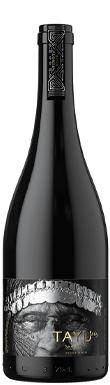
Meaning 'ours' in the Mapudungun language, Tayu is a partnership between the Buchahueico community (indigenous to the Malleco valley) and Viña San Pedro. Showing outstanding...
2024
Viña San Pedro
De Martino, Las Olvidadas, Guarilihue, Itata Valley, Chile 2022
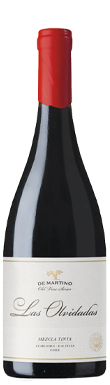
From vines more than a century-old, present at the foundation of the De Martino estate, and a field blend of 80% País and 20% San...
2022
De MartinoGuarilihue
Fuerza Natural, Cinsault, Itata Valley, Chile 2021
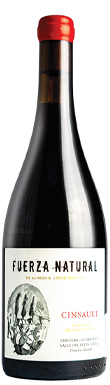
This project, a collaboration between Fernando Almeda and Elías López Montero, produces this Cinsault from old, dry-farmed vineyards on the granitic slopes of Guarilihue. Vinified...
2021
Fuerza Natural
Marcelo Miras, Mira Joven Trousseau, Patagonia, Argentina 2021
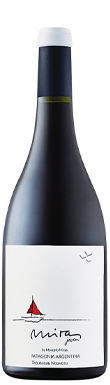
Unoaked Trousseau, led by crunchy pomegranate, sour cherry and plum, and framed by chiselled tannins drenched in sloe juice. Plum sorbet at the core and...
2021
Marcelo Miras
Bodegas Verum, Parcela Tamarisco Pinot Noir, Río Negro, Patagonia, Argentina 2024
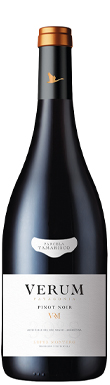
Soft yet assertive Pinot Noir, made using 30% whole bunches and aged for eight months, partly in oak, with an appetising sour edge and zesty...
2024
Bodegas VerumRío Negro
Matias Riccitelli, Old Vines from Patagonia Bastardo, Río Negro, Patagonia, Argentina 2024
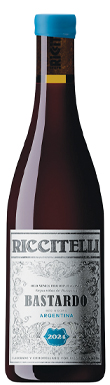
Always a pleasure to drink Ricciteli's Bastardo (Trousseau), produced from old, ungrafted vines in Patagonia. This vintage again shows its trademark purity and liveliness in...
2024
Matias RiccitelliRío Negro
Morandé, Vitis Unica Pinot Noir, Casablanca Valley, Chile 2023
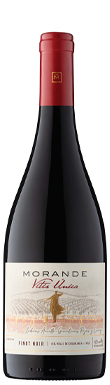
Produced under the technical direction of Ricardo Baettig with estate-grown fruit. Fragrant nose of rockrose, pomegranate, toast and wet stone. Exact, sinewy palate, lined with...
2023
Morandé
Mundo Revés, Le Petit Voyage Criolla, Los Chacayes, Uco Valley, Mendoza, Argentina 2022
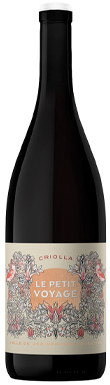
Enticing and playful Criolla Chica sourced from old, pergola-trained vines and aged on Pinot Gris lees. Deep cherry, strawberry and plum fruit at the core....
2022
Mundo RevésUco Valley
Onofri, Alma Gemela Garnacha, Desierto de Lavalle, Mendoza, Argentina 2022
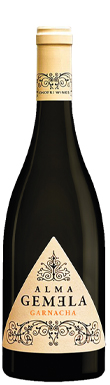
From an 80-year-old vineyard re-grafted with Garnacha in 2018. It relies exclusively on carbonic maceration and beams with bright cherry, raspberry and pomegranate fruit. Sage,...
2022
OnofriDesierto de Lavalle
Cara Sur, Moscatel Tinto, Calingasta Valley, San Juan, Argentina 2022
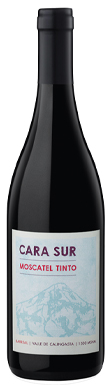
A crossing of Criolla Chica (País/Listán Prieto) and Muscat de Alexandria, Moscatel Tinto is a lesser-known Criolla variety that has outstanding potential. Vibrant, fun and...
2022
Cara SurCalingasta Valley
Casa Valduga, Terroir Pinot Noir, Vale dos Vinhedos, Serra Gaucha, Brazil 2023
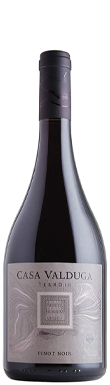
From this leading Brazilian producer, a fragrant, nuanced Pinot Noir aged for eight months in French oak. Silky tannins frame strawberry, pomegranate, quince and guava...
2023
Casa ValdugaVale dos Vinhedos
Estación Yumbel, Pipeño País, Yumbel, Bio Bio Valley, Chile 2023
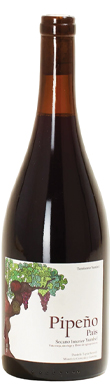
A tribute to Chile’s ‘farmers’ wine’, produced with País from ancient vines, fermented in lagares (open troughs) made from raulí wood and aged in barrels...
2023
Estación YumbelYumbel
La Despensa, Pool Blend, Colchagua Valley, Chile 2022
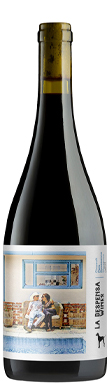
A supremely drinkable wine, perfect for barbecues or laidback poolside drinking, produced by husband-and-wife team Matt and Ana Ridgway. This vibrant blend of 76% Cinsault,...
2022
La Despensa
El Porvenir de Cafayate, Pequeñas Fermentaciones Garnacha, Cafayate Valley, Salta, Argentina 2023
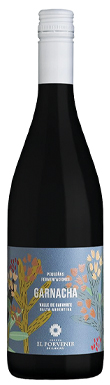
Spicy, fragrant Garnacha with surprising textural verve; so drinkable and fluid yet with lovely fleshy density on the mid-palate. Cherry pit and leaves, rhubarb, redcurrant,...
2023
El Porvenir de CafayateCafayate Valley
Marichal, Creatura Mencía, Etchevarría, Canelones, Uruguay 2023
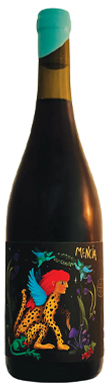
A juicy, bright Mencía that would sit comfortably, and mischievously, alongside its European counterparts. Crunchy red fruit, apple and a hint of cherry tomato fill...
2023
MarichalEtchevarría
Pablo Fallabrino, Alma Surfer Dolcetto, Atlántida, Canelones. Uruguay 2023
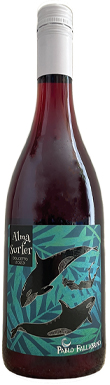
If you think you know Dolcetto, think again. This delicious, low-intervention iteration balances the variety’s sweet fruit with rustic edginess and vivid zest. The unexpected...
2023
Pablo FallabrinoAtlántida
