Top wines of 2018 from Decanter Panel Tastings


In 2018 we've had panel tastings covering Cabernet Franc from South America and the Loire, Riesling from Germany and Australia, as well as little known reds from Greece and whites from Galicia. Plus, California Cabernet 2014, Barolo 2008, Champagne under £40 and French rosé beyond Provence. See the best wines from our 2018 panel tastings below...
In 2018, our panel tastings have seen plenty of exciting results – some predictable and some not so.
We have sifted through thousands of panel tasting wine reviews over the last year to bring you Decanter’s top panel tasting wines of 2018. All wines below achieved scores of 95 and above, covering both the Outstanding and Exceptional award categories.
See Decanter’s top wines of 2018 from panel tastings below
Highly rated by our panel tasting experts, these wines are all well worth seeking out.
What is a panel tasting?
Three world-class wine experts in their field review flights of wines on a set theme. Each expert writes a tasting note and score for each wine, and every score is then averaged to provide a final score, given in the context of the selected tasting theme.
See all of Decanter’s panel tastings
Decanter’s top panel tasting wines of 2018:
You may also like:
34 top festive wines to buy nowTop 20 sweet & fortified wines for ChristmasTop Bordeaux wines for Christmas: Vintage by vintageMature Barolo from the cellar for Christmas
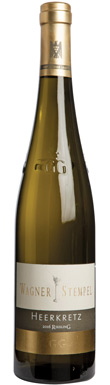
Wagner Stempel, Heerkretz Riesling, Grosses Gewächs, Rheinhessen, Germany, 2016
98
Established in 1845, Wagner Stempel is now well into its ninth generation of family stewardship. Current proprietor Daniel Wagner has converted the vineyards to organic production, and has lowered yields. Half of the Heerkretz vineyard, overlooking the village of Siefersheim, is planted to Riesling, ripening up to two weeks later than its neighbours. This wine is fermented in stainless steel before maturing in medium and large German oak barrels. Gearoid Devaney MS: Fresh and open, with plenty of concentrated lime zest and green apple on the palate, balanced by bright acid and leading to a mineral finish. Anne Krebiehl MW: This is a very subtle wine, only slowly revealing its depth of citrus fruit. Gentle, delicate and long, demonstrating seamless elegance. Sebastian Thomas: Very elegant and understated, this is gorgeously fine on the palate. The integrated, ripe acidity balances the subtle but juicy mineral character. Very long and fresh. Another sip please!
2016
Wagner StempelGrosses Gewächs
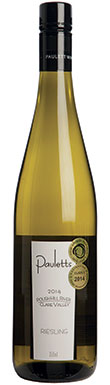
Paulett Vineyards, Polish Hill River, Clare Valley, Polish Hill River Valley, South Australia, Australia, 2014
98
Neil Paulett graduated from Adelaide’s Roseworthy oenology course in 1971 and began working as a winemaker for Penfolds. After 10 years he and wife Alison established their own family vineyard in the Clare Valley, growing Riesling, Shiraz and Chardonnay. Today, the estate encompasses 147ha with 25ha under vine in the Polish Hill River area. Vineyard manager duties have now been taken over by their son, Matt. Roger Jones: Honeyed and toasty aromas with a reductive quality but in a good way. Tropical nuances linger on the palate and then it finishes clean, ready for another taste. Sarah Knowles MW: Toasty lanolin and vanilla notes on the nose, flowing into lime and lemon curd flavours, with brioche, honey and wet slate. Intense, complex and developed. Terrific value. Anthony Rose: Seductive sweet toast and vanilla nose, while the palate is super juicy and evolved. With its glossy texture, it is approachable now and still remarkably fresh thanks to its cool-climate streak of acidity.
2014
Paulett VineyardsClare Valley
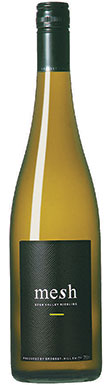
Grosset-Hill-Smith, Mesh Riesling, Eden Valley, South Australia, Australia, 2012
98
This joint project from Yalumba’s Robert Hill Smith and Grosset Wines’ Jeffrey Grosset was first released in 2002. Mesh signifies their ‘weaving together of ideas and combining skills and knowledge’. The grapes, from two blocks, are ‘pedantically divided’ into differently coloured buckets for each winemaker and sent to separate wineries. Grosset and Hill Smith each make a wine according to personal style, and the two halves are eventually meshed together to create the final blend. Roger Jones: Incredible purity of ripe stone fruit. The palate is seamless and the mouthfeel immense, all kept in check by perfect acidity. Sarah Knowles MW: Intense lime and struck match. A precise, linear wine, with toasty development underneath classic lemon and lime fruit. Anthony Rose: Evolving well with classic honey and butter notes behind the citrus fruits, lightly infused with complex toastiness. Fresh and dry
2012
Grosset-Hill-SmithEden Valley
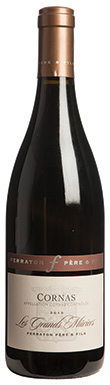
Ferraton Père & Fils, Les Grands Mûriers, Cornas, Rhône, France, 2015
98
Ferraton Père & Fils was established in 1946 by Jean Orëns Ferraton. His son, Michel, continued his work and added further to the range of wines. Today, Ferraton Père & Fils produces a huge range of Rhône wines from Hermitage to St-Péray, with added help from long-time friend Michel Chapoutier who, in 1998, introduced new appellations to the business, as well as creating a plot-selection approach and biodynamic practices. These changes have put Ferraton Père & Fils and winemaker Damien Brisset in the spotlight. Les Grands Mûriers is one of three Cornas wines produced. The vines are grown mainly on decomposed granite soils with the rest on clay and limestone. Gearoid Devaney MS: A classic Cornas that is brimming with ripe fruit and delicious spices. There is a beguiling blood-red meat and iron element here, and great energy and tension from the tannins. It needs time, but the finish is long. Simon Field MW: A traditional wine that is rigorous and magnificently unapproachable at present. It is tannic, firm and long; I am so pleased that this style still persists and flourishes – bravo! Matt Walls: Dense, herbal and oaky aromatics unfold elegantly onto a full-bodied, powerful and lush palate. It is full of plush fruit and muscular, thunderous power in an old-school style. There is a lot to enjoy here all the way to a long finish lengthened by fine tannins and piercing acidity.
2015
Ferraton Père & FilsCornas
Sidewood Estate, Mappinga Shiraz, Adelaide Hills, South Australia, Australia, 2015
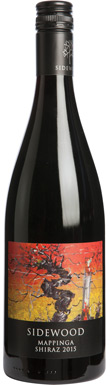
98
Sidewood was only founded in 2004, but is now the largest sustainable winery in the Adelaide Hills. Should you ever visit the estate in the autumn or winter, you may do a double-take at the sight of flocks of sheep nibbling their way between the rows of vines. These are not escapees from the nearby farm, but an integral part of Sidewood’s methodology, acting as roaming weed killers and fertilisers, where the environment is at the core of its practices. Winemaker Darryl Catlin covers the hard yards in the vineyards, selecting the best fruit from the best parcels for this Shiraz. It is fermented in barrel, with 25%-30% whole bunch, after which it spends 18 months in new and one-year-old French barriques. Tine Gellie: Lovely savoury aromas of spiced leather lead into a developing fruit palate of dark berries and sappy, whole-bunch fruit tannins. Refreshing acidity makes it very quaffable. A top-drawer Shiraz that will mature well. Roger Jones: A beautiful, savoury nose leads into a palate of gentle, evolving fruit with classy, restrained elegance. It has nice acidity, making this fresh, clean, vibrant and exciting - a real feminine style. Just stunning. Anthony Rose: Excellent vibrant, spicy aromatics are followed by an intense and concentrated palate with a rich, dark berry quality. It has a spine of incisive cool-climate acidity and firm, sinewy tannins for structure. Finessed and complete.
2015
Sidewood EstateAdelaide Hills
Vinteloper, SH/14, Adelaide Hills, South Australia, Australia, 2014
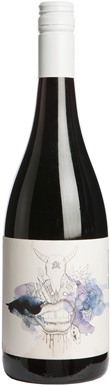
98
Vinteloper was founded by husband and wife team, David and Sharon. David cut his teeth in both France and Australia before his Vinteloper journey began in 2008. He sources fruit from a clutch of small-scale vineyards that span Adelaide Hills, as well as boosting their volume with farm-grown fruit from Clare Valley and Langhorne Creek. This Shiraz comes from the Glengrove vineyard, a single vineyard located in the Kangarilla Hills. It’s treated with kid gloves, following a minimal intervention principle. Fermentation is with wild yeasts, after which it is matured for 18 months in French oak, 25% new, then bottled with minimal sulphites. Tine Gellie: A vibrant wine boasting amazing purity and concentration of smoky, gamey, autumnal fruit on a velvety palate. It has delicious suppleness with bright acidity that balances the evolving savoury fruit. Roger Jones: Mature tasting, with a luxurious, textured quality. Soft, delicate oak lingers on the palate, sitting alongside savoury, meaty flavours with notes of berries, tobacco and cocoa. Anthony Rose: Spicy, peppery aromas lead into rich, concentrated flavours of blackberry and smoky bacon. The fruit has evolved into a seductively-textured, dark berry quality, with that cool-climate element that brings a northern Rhône level of class.
2014
VinteloperAdelaide Hills
Rhythm Stick Wines, Red Robin Riesling, Clare Valley, South Australia, Australia, 2015
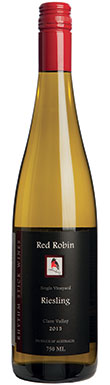
97
Having previously sold grapes to smaller wineries, Rhythm Stick Wines began making its Red Robin Riesling in 2009. The company only grows Riesling and makes 10,000 litres a year from its Clare Valley vineyards at 420m on limestone, shale and slate hillsides which capture rainwater in underground reefs. This creates a unique site to shelter the vines through the harshest conditions. Roger Jones: Clean and precise on the nose, evolving gently. Wet stone characters and a lovely feminine, gentle palate showing great purity. Sarah Knowles MW: Intense struck match and toast comes through on the nose, unfolding onto lime curd and grapefruit on the palate, with a long finish. Anthony Rose: Seductively fresh lemon and lime aromas with a juicy lime fruitiness that shouts Riesling in all directions. Mouthfilling and delightfully dry.
2015
Rhythm Stick WinesClare Valley
Ettore Germano, Cerretta, Barolo, Serralunga d’Alba, Piedmont, Italy, 2008
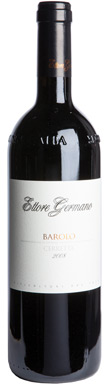
97
Under the ownership of the Germano family for five generations, this estate currently spans 18ha of vineyard. This Barolo is sourced from one of Serralunga d’Alba’s most important crus, Cerretta, an expansive hill facing south/southwest. While adopting modern techniques – stainless steel is much in evidence – the winemaking is rooted in tradition: fermentation is short, around 12-15 days, in open wooden fermenters and maturation is completed in a variety of barrel sizes. The Cerretta spends 24 months in 700-litre French oak barrels, 15-20% new, and then a further 15-18 months in bottle before release. Stephen Brook: Hefty nose of smoky bacon but with ample plummy fruit too. Very rich and forthright, highly concentrated, with firm acidity and tannins. Still youthful and almost raw, as the alcohol is a bit too apparent, but it’s still harmonious and voluptuous with admirable length; will go the distance. Michael Garner: Firmly structured, with a core of sweet fruit encircled by notes of liqueur cherry, almond and charred spice; some freshness still, with plentiful tannins to finish. Good. Susan Hulme MW: High-toned, smoky, iodine aromas. Darkly powerful, intensely concentrated palate with very firm tannins closing the fruit down right now, but this has huge concentration, energy and drive.
2008
Ettore GermanoBarolo
Domaine Grosbois, Gabare, Chinon, Loire, France, 2017
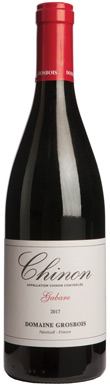
97
Domaine Grosbois, family owned since 1820, can trace its connection to the land as far back as the French Revolution. It is located in the appellation of Chinon in Touraine, nestled in the Loire valley on a 9ha estate. Today the estate is fronted by Nicolas Grosbois, who in 2008 crafted a range of seven differing types of Cabernet Franc, based on the unique soil characteristics of 13 plots. These comprise clay soils on a limestone bedrock, with the vines on average 40 years old. Jim Budd: A sooty, smoky nose, with good concentration and structure on the palate – a powerful, early-bottled 2017. It is best kept a year or two before you start to drink. Chris Kissack: A much more convincing nose in the context of this line-up: dark fruit, concentrated, black cherry compote and blackcurrant. Fresh, bright, pure, defined, ripe, grained, elegant and energetic. An excellent young Chinon, fresh, composed, complete, with so much potential. Perhaps up to 12 months in bottle to help it come together a little more, otherwise this is good to go. Brilliant. Ben Llewelyn: Concentrated black fruit, a touch of dried prune on the nose and palate. It finishes with a density that requires time to resolve, but it’s very long and quite grown-up.
2017
Domaine GrosboisChinon
Emilio Rojo, Ribeiro, Spain, 2015
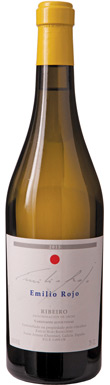
97
Emilio Rojo left his engineering job at Siemens to pursue winemaking back in his native Galicia in 1987. He farms 4,200 vines on just 1.5ha of steep, north-facing vineyards around the town of Ibedo and limits bunches to about six per vine to boost concentration. The wine is 75% Treixadura blended with small amounts of Loureiro, Albariño, Lado, Torrontés and Godello. Only 5,000 bottles are made each year. Pedro Ballesteros Torres MW: A wonder of discretion and personality – an impossible complexity and an unusual pleasure. This is a unique, distinctive wine that sings of its origin. Great! Sarah Jane Evans MW: Vivid and fresh, with ripples of pure, zesty passion fruit acidity. Lively, long and characterful. Quite unique. Beth Willard: Lively saline nose leading to a fleshy concentrated palate lifted by exuberant acidity. White pepper and sherbet finish. Elegant.
2015
Emilio Rojo
Xavier Gérard, Côte-Rôtie, Rhône, France, 2015
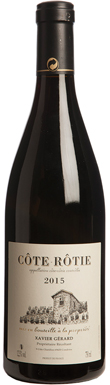
97
In 2013, Xavier Gerard’s father – who used to be a part-time winemaker, grower and Crédit-Agricole employee – passed his vines to his son. Xavier spent the decade before that learning the trade at home, as well as travelling extensively, getting experience by working at other wineries. Now in his 30s, he is producing some great wines from his excellent parcels of fruit: Terroir du Mollard giving a mineral character, and those north of Ampuis giving a peppery character to the blend. Gearoid Devaney MS: Immediate, ripe forest berry fruits spring from the glass and unfurl onto a rich palate with good concentration and smooth tannins. It is complex and glossy yet elegant with a fresh finish. Simon Field MW: Classicism in every sense: gently reticent at first then a linear palate emerges, garlanded by red fruit and finely powdered tannins. There is quite an assertive undertow presaging an illustrious evolution. Matt Walls: Just 4% Viognier, but it makes itself known on the nose with a touch of stone fruit among the berries. Soft, ripe, yielding palate, but also concentrated and long, with fine tannins and brisk acidity leading to a long finish. Intense yet easygoing style – very easy to love.
2015
Xavier GérardCôte-Rôtie
Kilikanoon, Attunga 1865 Shiraz, Clare Valley, South Australia, Australia, 2013
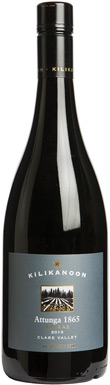
97
Kilikanoon was founded in 1997, producing just 25,000 bottles in its first vintage. As the name suggests, this wine comes from a miniscule, dry-grown vineyard planted on Terra Rossa soil over 150 years ago. Only around 800 of the original vines remain, but they produce tiny crops of small, powerful berries yielding 3kg per vine. The wine is fermented in open vats, then basket pressed before spending 22 months in French oak hogsheads. It is bottled unfined and unfiltered, but this does not signal the end of the cycle, as it is sat on for at least a further two years before being considered for release. Tine Gellie: Dense, full, inky and tannic. It's an 'old-style' Aussie Shiraz that's not shy on the oak, but it has plenty of brooding black fruit and peppery spice to balance. Power over grace here, but it has great grandeur and complexity, and will have lots of fans. Roger Jones: An elegant, perfumed nose leads into a seductive and charming palate. The purity of the fruit is immense, and there's a gentle Arabic spice note in the background. The savoury, meaty backbone is engulfed by some rather pristine, tiny clusters of perfect Clare fruit. A stunning wine. Anthony Rose: There's plenty of sweet vanilla on the nose, suggesting a traditional style of Shiraz, and indeed the dark berry fruit is rich, concentrated and powerful. Just as this threatens to overpower the palate, a new savoury dimension kicks in, salvaging balance and bringing complexity, power and a sinewy texture to the enterprise. Classic Clare Shiraz.
2013
KilikanoonClare Valley
Domaine du Mortier, Dionysos, St-Nicolas-de-Bourgueil, Loire, France, 2016
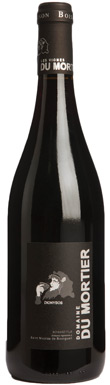
96
Domaine du Mortier is located in St-Nicolas de Bourgueil in the Loire Valley, a 13ha estate run by brothers Fabien and Cyril Boisard who initially had no formal winemaking experience! Dionysos is their ‘flagship’ wine, or top cuvée, using 30- to 50-year-old vines which are grown on gravel soils, producing a yield of 40hl/ha. Wines are produced through spontaneous fermentation with indigenous yeasts, aged in minimum third-use oak, and a little sulphur dioxide is added only prior to bottling. The Dionysos 2016 was aged for 15 months in barrel. Jim Budd: This is a densely coloured wine, with seductive texture, mouthfilling red and black fruits, lovely balance and oak adding complexity. Good potential to age – one for the cellar. Chris Kissack: A dark and restrained nose to this glossy, crimson-rimmed wine. The palate is textured, complete, correct, with primary and restrained fruit, countered by a ripe wrapping of finessed tannins and fresh acidity. Very youthful, but very composed and competent, with great potential. Lots of tannic substance here to keep this alive, and the oak which shows through a little here will be no problem in time. Top stuff. Ben Llewelyn: A dark, very brooding style. Fully formed fruit, lovely tannins and a los of guts to help it along in the finish. This is showy now, but will become refined with age.
2016
Domaine du MortierSt-Nicolas-de-Bourgueil
Kloster Eberbach, Marcobrunn Riesling, Grosses Gewächs, Rheingau, Germany, 2016
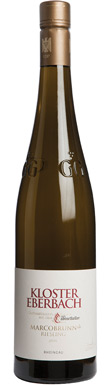
96
The monks of Kloster Eberbach have been producing wine here for almost nine centuries, and at one point in its history laid claim to being the largest wine estate in all of Germany. The Marcobrunn vineyard's existence can be traced back to the end of the 14th Century, making it one of the oldest monastic vineyards in the world. It's a south-facing site on deep calcareous clay-marl soils, farmed using organic methods. Gearoid Devaney MS: This has fresh, lively green apple, citrus and lime zest flavours. It's linear and focussed; a classic style with a long and pleasing finish. Anne Krebiehl MW: A plump fullness on the nose leads into a palate of concentrated freshness, with easy fruit and a textured mouthfeel. Sebastian Thomas: A muted nose, yet very elegant and refined in the mouth with smooth, vibrant acidity and powerful orchard fruits accompanied by notes of spice. A long, bright finish.
2016
Kloster EberbachGrosses Gewächs
Kühling-Gillot, Hipping Riesling, Grosses Gewächs, Rheinhessen, Germany, 2016
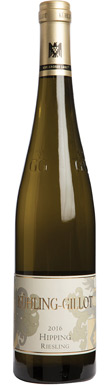
96
Although Kühling-Gillot can point to more than 200 years of winemaking heritage, it is very much at the vanguard of contemporary German winemaking. Its vineyards are located in the area of Nierstein, overlooking the Rhine, and are run using biodynamic practices. Their plot in the south-east facing Hipping vineyard is near the top of the slope, where the vines sit on bare rock composed of red slate. The hand-picked grapes are fermented using wild yeasts, then the wine is racked to 12 hectolitre barrels where it rests on its fine lees until bottling. Gearoid Devaney MS: This shows ripe, juicy fruits with great concentration. Pleasing and elegant. Anne Krebiehl MW: A touch of reduction, but underneath there's an honest purity. It's a wine that is light but expressive, slender but toned. Very lean, with a cleansing finish. Sebastian Thomas: Bright, perfumed floral and citrus flavours are accompanied by a fine dash of smoky minerality. It's fine and ripe, wearing the residual sugar well. Very understated and elegant on the long finish.
2016
Kühling-GillotGrosses Gewächs
St Antony, Hipping Riesling, Grosses Gewächs, Rheinhessen, Germany, 2016
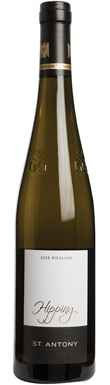
96
The limestone from the land around St Antony was once used to smelt iron, but as demand slumped following the end of the First World War, the ironworks’ owners moved into wine production instead. The Hipping vineyard plot, on the Roter Hang escarpment, is exposed to the north, bringing cooler conditions which ensure the grapes ripen slowly, helped by its proximity to the Rhine. The vines are tended following biodynamic practices, which extends to gentle, gravity-fed handling in the winery. This Riesling was fermented in a 100-year-old barrel. Gearoid Devaney MS: Bright and open, this has lots of ripe apple and pear on the nose. It' more citrussy on the palate, with well-balanced acidity and alcohol. Elegant and harmonious, with a long finish. Anne Krebiehl MW: Fragrant herbal notes with tangerine and lemon flavours. It's a gentle wine, not overdone. Bright and fresh. Sebastian Thomas: Very spicy, with some herbal notes. It shows lovely balance and ripeness, with very well integrated ripe acidity leading to a long, juicy finish. Fine and elegant.
2016
St AntonyGrosses Gewächs
Peter Lehmann, Wigan Riesling, Eden Valley, South Australia, Australia, 2012
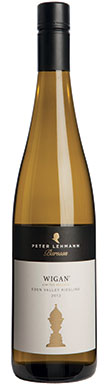
96
In 1978 Australian wine pioneer Peter Lehmann founded a wine company, securing finance for growers whose livelihoods were at risk after a fruit surplus a year earlier. In 1979, the winery was built and Lehmann named it Masterson Barossa Vignerons, after Sky Masterson, the gambler from the musical Guys and Dolls. The gamble paid off, and in 1980 he made his first wines; and in 1982 Lehmann was convinced to put his name to the now successful company. This Wigan Riesling is named after winemaker Andrew Wigan, who has had a hand in every Peter Lehmann wine since the very first vintage. Roger Jones: The savoury-spiced nose denotes pure class, with that seamless honey on toasted brioche character and a flash of lime zest. Awesome! Sarah Knowles MW: A waxy nose with lemon curd notes. Deep development of petrol and wet stone with a lemon and grapefruit seam running through it. Anthony Rose: Classic evolved Eden Riesling with toast and lime aromas and a light-bodied but juicy and fresh palate. Remarkable!
2012
Peter LehmannEden Valley
O'Leary Walker, Riesling, Clare Valley, South Australia, Australia, 2013
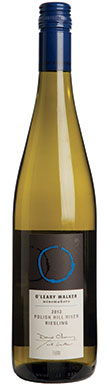
96
O’Leary Walker was created in in 2000 by winemakers David O’Leary and Nick Walker. After long stints with some well-known companies, they decided to create their own small-batch wines from varieties that excel in different viticultural climates, including Chardonnay from the Adelaide Hills and Shiraz from McLaren Vale. This Riesling is sourced from Martin and Joan Smith’s biodynamically farmed vineyard in Polish Hill River, where soils are grey loam over sandstone and slate. Roger Jones: Full-flavoured honey, toast and lime curd are complemented by a vibrant spritz that leaves a clean, fresh finish. A zippy and exciting wine. Sarah Knowles MW: Complex kerosene and lemon nose with lime and grapefruit on the palate. Savoury notes come through too, backed fresh acidity. Lacks just a little intensity on the mid-palate, but this is great value. Anthony Rose: Fine, evolved nose of citrus, petrol and toast and also suggesting sweetness, which translates onto the palate as ripe roasted apricots. It’s all underpinned by firm acidity and a fine, dry finish – fabulous!
2013
O'Leary WalkerClare Valley
Paulett Vineyards, Aged Release Riesling, Clare Valley, Polish Hill River Valley, South Australia, Australia, 2010
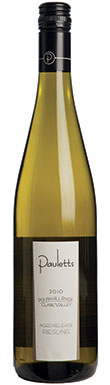
96
Neil Paulett’s wine philosophy has been to focus on making consistent, high-quality wines that have distinct varietal character and regionality. The fact that he has been making wine here for 30 years is a key to his success. This aged-release wine is made from holding back a small parcel of Riesling from the most successful vintages for an extended maturation in the winery’s cellar. Roger Jones: Honeyed, savoury nose of wild herbs beautifully balanced by fruit and gentle, cooling wet stone flavours. It is luscious yet controlled – the gentle toasty flavours enhanced by lime curd and buttered brioche. Sarah Knowles MW: Appealing reductive aroma with lemon, lime and grapefruit. Toast, kerosene and lanolin flavours with tart green apple on the long finish. Anthony Rose: Intensely aromatic evolved Riesling with gentle notes of toast and honey behind the lime. This still has finely textured fruit and enough vigour to carry it through to a lingering finish, underpinned by firm yet refreshing acidity.
2010
Paulett VineyardsClare Valley
Silvio Grasso, Ciabot Manzoni, Barolo, La Morra, Piedmont, Italy, 2008
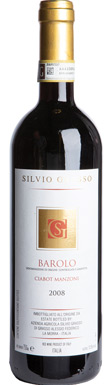
96
The Grasso family have been winemakers since 1927, but have only been bottling all their production themselves since the mid-1980s. Their vineyard holdings add up to 14ha, of which they own 6ha while leasing the rest. Federico Grasso is in charge of the winemaking here and has, in the words of Robert Parker, ‘produced a bevy of sensational efforts’. A bottling from a single vineyard in La Morra from vines dating back to 1968, this wine’s name was changed to Bricco Manzoni in 2010. Fermentation takes place in steel tanks for 15 days before maturation in French oak barriques for 24 months, with less than 30% new oak. Stephen Brook: Meaty, savoury nose, a bit charred, yet it’s aromatically vibrant. Nicely concentrated, ripe and silky with a seamless quality to the texture, while it shows sufficient but not dominating acidity and well-integrated tannins. Harmonious, long and lively. Michael Garner: Bright and fresh red fruit aromas with hints of liquorice and clove. Full, round and juicy with superb flesh and lavish, mineral-toned fruit. Really good. Susan Hulme MW: Cool, menthol top notes with creamy spice, dark cherry and sous-bois flavours; very harmonious, melded and velveteen, with a lingering, juicy finish.
2008
Silvio GrassoBarolo
Parparoussis, Taos, Achaia, Peloponnese, Greece, 2012
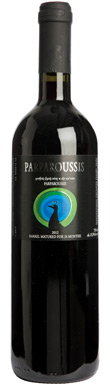
96
This small, family-run winery was founded in 1974 by Athanassios Parparoussis who is still head winemaker at the estate, working with his two daughters: Erifili, oenologist and viticulturist, and Dimitra who is in charge of the day-to-day running of the business. The estate is located at Bozaitika in Patras in the northern Peloponnese and proudly promotes indigenous Greek grape varieties. Its vineyards include Assyrtiko, Athiri, Sideritis and Mavrodaphne, planted in various PGIs around the Peloponnese. This particular wine is made from 100% Mavrodaphne and aged in French Allier oak barrels for 24 months. Terry Kandylis: Laurel leaves and sage complexity, with leathery notes and plummy fruit. A very attractive and unique wine, with wonderful acidity and rounded tannins, plus a herbal undertone that is evident on the palate. It’s long, poised and complex, displaying an almost Cabernet Franc character. Yiannis Karakasis MW: This has fine aromatic complexity, with a leafy character but also funky notes on the nose. Very elegant and precise on the palate. A wine of class and character. Nico Manessis: Laurel aromas on the nose, with a strong gamey and botanical imprint. Classy.
2012
ParparoussisAchaia
Castagna, Genesis Syrah, Beechworth, South Australia, Australia, 2013
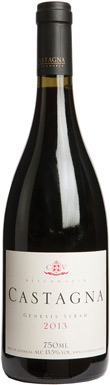
96
Julian Castagna's eponymous estate sits at 500m above sea level near Beechworth, in the foothills of the Victorian Alps. He is devoted to operating in accordance to biodynamics, although he’s not convinced by the spiritual side of the movement, merely seeing it as a farming practice which enables him to extract the very best from his land: ‘Our intention is to make a wine which is an expression of the place where it is grown, and this is the best way to achieve optimum fruit quality that best expresses its terroir,’ he says, as evidenced by the Genesis, whose fruit is lovingly cared for and aged in fine-grained French oak. Tina Gellie: A really vital, lifted wine with elegant, savoury fruit dancing on a silky palate. What a joy after so many over-oaked examples! It has a supple, velvety mouthfeel and beautiful purity of red fruits, supported by dusty, spicy oak. Delicious. Roger Jones: A savoury, whole-bunch style, the stalkiness carried well by the fruit. I love the perfumed, fruity element on the palate, which shows fine evolution. Anthony Rose: There's lots of energy and verve to the medium-bodied, charmingly textured raspberry red fruit, which is tinged with spice. It displays nicely evolving tannins and juicy acidity, and comes as something of a surprise in this line-up of big-hitters and traditionalists. But it's a spot-on, classy surprise.
2013
CastagnaBeechworth
Lou Miranda Estate, Old Vine Shiraz, Barossa Valley, South Australia, Australia, 2013
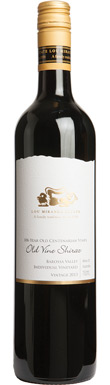
96
Southern Italian Francesco Miranda and his family arrived in Griffith, New South Wales in 1938, founding a wine estate the following year. His son, Lou, now runs the estate along with his wife and daughters The flagship Old Vine Shiraz is made from bush vines planted in 1907 in what is known as the Church Block. The vines are largely left to look after themselves, receiving no irrigation whatsoever, before being hand-picked, carefully pressed, then transferred to small, open-top fermenters. It's gracefully matured in fine, medium-toast American oak for over 18 months. Only 7,400 bottles were produced. Tina Gellie: This is showing some secondary characteristics of soused dark fruit, coconut and cigar box spice on the silky palate – it's very well made. There's plenty of oak, but it's sexy and polished, ably balancing the big, bold fruit. Roger Jones: Elegant chocolate and savoury nuances are balanced by perfect fruit, with notes of violets and silky smooth grapes. The flavour is polished and wonderful, yet maintains its restraint and poise. This is Barossa at its best. Anthony Rose: Attractively evolving, though still youthful scents of pepper, spice, coconut and dark berry fruit. The palate is wrought from sinewy black and red fruits tinged with peppery notes, all resolving brilliantly. It's starting to drink beautifully, but no doubt has enough fruit weight and power to develop complexity as it turns from adolescence to middle-age over the next decade. Classic Barossa.
2013
Lou Miranda EstateBarossa Valley
Savaterre, Shiraz, Beechworth, Victoria, Australia, 2014
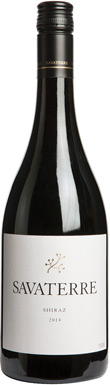
96
Having found an ideal vineyard site in the foothills of the Victorian Alps, at an elevation of 440m above sea level on ancient granitic soils, winemaker Keppel Smith founded Savaterre in 1996. Mild summer days and cool nights encourage the high-density plantings to produce small crops of high quality fruit. The estate is run organically, and winemaking is inspired by minimal intervention concepts. Wild yeasts are used for fermentation, and the wine is aged in French oak barriques, 50% new. Tina Gellie: Beautiful maturity here, full of exotic spices, toasty oak and lifted, ripe bramble fruits on a satin-textured palate. It's drinking beautifully, with great freshness, grip and balance. Roger Jones: A soft, delicate perfume on the nose, with restrained but pure fruit. The silky, textured palate is spiced, layered, vibrant and elegant. Anthony Rose: A distinctive, seductively spicy perfume is accompanied by a hint of mint. It's richly concentrated in the mouth, with a spice-imbued, savoury dark fruit quality that's evolving nicely, and silky tannins which coat the tongue. Almost plush and Cote Rôtie-like.
2014
SavaterreBeechworth
Kilikanoon, Mort's Reserve Riesling, Clare Valley, Watervale, South Australia, Australia, 2011
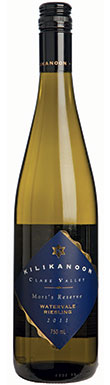
96
Kilikanoon, in the hamlet of Penwortham, was founded in 1997 by winemaker Kevin Mitchell. Mort’s Reserve – only made in the finest vintages – is mainly from the Mort’s Block vineyard, named after Mitchell’s father who tended the vines there for more than 40 years. It is also blended with fruit from the higher-altitude Khileyre vineyard. Roger Jones: Great aromatic purity of wild flowers, minerality and wet stones. A voluptuous texture in the mouth, where citrus and white stone fruit shine. Evolving beautifully; savoury and sweetness in tandem. A star! Sarah Knowles MW: Grapefruit and lime peel on nose and palate, then lanolin and gun smoke on the finish. Complete and complex, retaining youthful fruit. Anthony Rose: Attractive, smoky sweet pepper nose – a nicely evolved, classic style, with a charming texture, balance and a beautiful bone-dry finish.
2011
KilikanoonClare Valley
Il Palagio di Panzano, Le Bambole, Chianti Classico, Tuscany, Italy, 2013
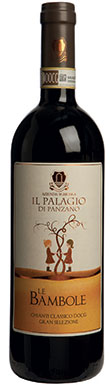
96
This certified organic estate is located in the Conca d’Oro (Golden Bowl) of Panzano, in the Chianti Classico appellation. Today it’s run by Monica Piccini, whose father and grandfather both grew grapes here. Vineyards are planted at an altitude of around 500m on galestro soil, and benefit from a unique microclimate. Almost all of the vines are Sangiovese, with 1ha of Merlot planted by Piccini’s father. Le Bambole takes its name from the Vigna delle Bambole vineyard, the source of the fruit used in this Gran Selezione. Andrea Briccarello: Clean yet rustic, with leather and cigar box aromas. On the palate the wine is very polished and super-sleek. Lots of red forest fruits flow into an intense body. Great personality here, and a long aftertaste. Susan Hulme MW: Dark fruit combines with tar, polish and black olive on the nose. A very richly compact and concentrated palate with refined, oak-coated tannins. A super-smart, sophisticated style that's slick, round, satisfying and deeply concentrated. Andrew Jefford: Understated yet very intricate and charming; sweet, perfumed and serene. The elements are brought together with magnificent subtlety and harmony. That grace is amply evident on the palate too, demonstrating seamless harmony and an accumulation of nuance with textural finesse. It has sap, freshness and richness, and an assured sense of being Tuscan.
2013
Il Palagio di PanzanoChianti Classico
Romano Dal Forno, Monte Lodoletta, Valpolicella, Superiore, Veneto, Italy, 2011
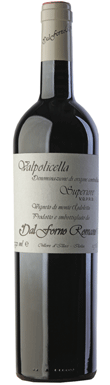
96
This wine is a blend of 70 per cent Corvina with 20 per cent Rondinella and just 5 per cent each of Croatina and Oseleta. It’s deep black-red in colour, and is dark and forceful, sombre yet voluptuous in aroma: a harmonious weave of black chocolate, sloe and elderberry, with the years in oak bringing a cedary refinement. On the palate, it’s a vault of a wine: deep, dark and roomy, packed with earthy refinements and black-fruited echoes, both severe yet soft and enticing too. The tannins are ample yet fine-grained, the acidity delicate and sustaining. I wrote about the ‘crocodilian’ character of grand Veneto dried-fruit reds wine back in April, but the teeth are polished ivory here. This is horizon-altering ‘Valpolicella’ which would perform outstandingly in any Amarone tasting.
2011
Romano Dal FornoValpolicella
Ernesto Ruffo, Campogadis, Valpolicella, Superiore, Veneto, Italy, 2013
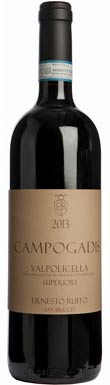
96
Campogadis is one of just four wines that are produced at Ernesto Ruffo’s winery, in the Superiore zone of Valpolicella. The others are an Amarone della Valpolicella and two Veronese Rosso wines; one sweet, one dry. Located on the hills of San Briccio, the unique microclimate and volcanic soils contribute greatly to the character of wine from this small family estate, which is run by Ruffo, who has been making wines here for decades. Campogadis is a blend of Corvina, Corvinone and Rondinella grapes and is aged in French oak barriques. Andrea Briccarello: Spicy first impression, with plenty of dark fruits at the back. Rich, oaky notes with plenty of vanilla and cinnamon, followed by cola notes on the back palate. Wonderful. Michael Garner: This is edgy, with strong, creamy vanillin notes over dark fruit aromas. Big, full and juicy in the mouth, with plump, luscious dark fruit flavours. It finishes finely balanced and aromatic. A keeper for a few more years yet. Andrew Jefford: Dense, rich, close-textured and suggestive. There is oak here but it's well integrated, rendered creamy by the mass of fruit. It has a sumptuously composed aromatic profile, though evidently in the richer style with appassimento fruit. On the palate this is a deep, profound, searching wine with magnificent tannic structure, powerfully sustained fruit flavours, and the innate exoticism which can come from passito grapes grown here. A masterclass in a glass.
2013
Ernesto RuffoValpolicella
La Rioja Alta, 890, Rioja, Northern Spain, Spain, 2005
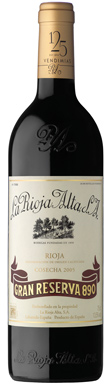

Founded in 1890 as a consortium of five families, La Rioja Alta is an integral part of Haro’s Barrio de la Estación district, with its...
2005
La Rioja AltaRioja

Ca’ di Rajo, Superiore Extra Dry Millesimato, Prosecco, Conegliano-Valdobbiadene Superiore, Veneto, Italy, 2017
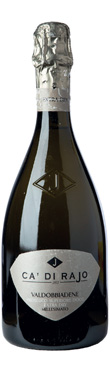
Established in 1931, Ca’ di Rajo is located in the Piave river valley. The estate stays true to a local system of vine-training now known...
2017
Ca’ di RajoProsecco
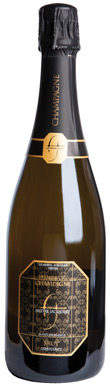
André Jacquart, Experience Blanc de Blancs Brut 1er Cru, Champagne, France
95
For four generations, the Jacquart family were just growers – selling all their grapes – until 1958 when André Jacquart began to bottle his own Champagne. Now headed by his granddaughter Marie Doyard, the business is based in the village of Vertus, in the Côte des Blancs; three-quarters of the family's 24ha of vineyard is here, while the remainder in the Vallée de la Marne and L’Aube provide their Pinots Noir and Meunier. With such a high proportion of Chardonnay, the family has long specialised in blanc de blancs and are unusual in their use of oak for fermenting the base wines. The family’s current annual production is 90,000 bottles of classically styled Champagne. Simon Field MW: Oaky style, with hints of linseed oil and mango. Rich and with a fairly high dosage, this is animated and shows impressive length. Andy Howard MW: Oak ageing is evident on the nose, with a character hinting at slightly browning apples. Warm, full and fleshy on the palate – there is admirable freshness here, as well as a satisfying degree of complexity, with zesty lemon sherbet and some brioche characters. An interesting, alternative style. David Vareille: Exotic fruit and lemon-peel aromas welcome passion fruit and lemon tart nuances on the palate, mobilised by persistent bubbles and zesty acidity, while a fine layer of wood adds richness without compromising the freshness.
André Jacquart
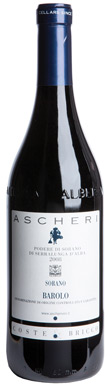
Ascheri, Sorano Coste & Bricco, Barolo, Serralunga d’Alba, Piedmont, Italy, 2008
95
Established in La Morra in the early 19th century, Ascheri moved to the town of Bra in 1880, and the original La Morra vineyards were added to purchases of individual estates in Serralunga d’Alba, Verduno and Bra. Grown on selected plots of the Sorano vineyard in Serralunga d’Alba, this is made by Matteo Ascheri and produced in only the best vintages. Coste & Bricco is known to be very long-lived, yet Ascheri remains ever-vigilant in avoiding the extraction of harsh tannins. Stephen Brook: Muted, leathery nose. Very rich and sumptuous, a full-bodied style with an imposing depth of fruit, but not ungainly or overwrought. Michael Garner: Full and frank, bramble fruit aromas with faintly herbal notes. Juicy and ripe, pretty red fruit flavours – stylish, charming, and nearly ready. Susan Hulme MW: Liquorice, molasses and tar on the nose, firmly austere but very concentrated. Traditional, uncompromising style with intense liquorice-toned dark fruit, very firm tannins and bright acidity, with a very long, sinewy finish. Powerful and impressive.
2008
AscheriBarolo
Bovio, Arborina, Barolo, La Morra, Piedmont, Italy, 2008
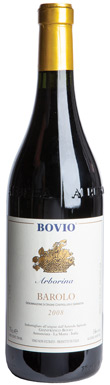
95
Run by the third generation, Bovio is a small producer with 6.5ha spread across La Morra, Barolo and Castiglione Falletto. Their philosophy is strongly embedded in tradition, with lengthy maceration on skins and ageing in big oak casks. Arborina, in La Morra, is one of Bovio’s two single-vineyard Barolos made by winemaker Matteo Franchi. After fermenting in steel for 12-15 days, the wine remains on the skins for 30-40 days before ageing for 24 months in barriques, followed by six months in concrete tanks and six months in bottle. 3,500 bottles produced. Stephen Brook: Subdued nose, with a hint of oak. Freshness and concentration; the tannins are perhaps too pungent now, but they give the wine its drive, aided by good acidity. A bit gawky, but intensity and persistence here. Michael Garner: Luscious black fruit aromas. Full, ripe and juicy with lively fruit, cultured tannins and a notable freshness and lift. Will develop further. Susan Hulme MW: Dried fruit nose, with attractive dried cherry and balsamic notes on the palate, bolstered by firm, muscular tannins. A chunky, forceful style but well managed, with great vibrancy.
2008
BovioBarolo
Terre del Barolo, Cannubi, Barolo, Barolo, Piedmont, Italy, 2008
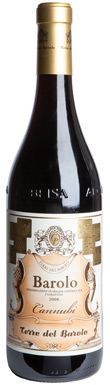
95
Founded in 1958 by Arnaldo Rivera, the son of a smallholder, Terre del Barolo is a cooperative based in Castiglione Falletto, growing from 21 founding members to 300 today. The company maintains a philosophy based on quality, local provenance and commercial reliability, including a technical assistance programme that encourages growers to pursue quality and environmental sustainability. The winery uses modern technology while following traditional procedures. This wine undergoes maturation in both French and Slavonian oak casks. Cannubi lies on a small hill and is one of the most famous and sought-after Barolo crus. Stephen Brook: Rich, smoky cherry and raspberry nose. The attack is fresh and limpid and this shows purity of fruit, though there is no lack of tannin to give structure, with acidity bringing out the sweetness of the fruit. Michael Garner: Ripe and spicy rose and cherry aromas. Round, fresh and juicy, with notable sweetness of bright red fruit partnering notes of liquorice and tobacco. Lively and youthful; a lot more to give. Susan Hulme MW: Complex nose of sous-bois, dark cherry, creamy spice. Rounded and harmonious with fine, gravelly tannins; attractive weight and balance.
2008
Terre del BaroloBarolo
Fabre Montmayou, Reservado Cabernet Franc, Mendoza, Argentina, 2015
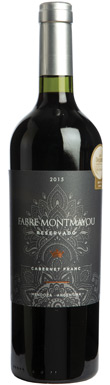
95
Fabre Montmayou was founded in the early 1990s by winemaker Hervé Joyaux Fabre, after he moved to Argentina from his native Bordeaux. Having built his winery in Vistalba (Luján de Cuyo), Fabre set about buying exclusively old-vine vineyards in Mendoza, as well as in Patagonia’s Rio Negro Valley. As the estate’s only bottling of 100% Cabernet Franc, the source of fruit for this wine is Luján de Cuyo in the upper Mendoza Valley. Meticulous sorting is done by hand prior to vinification, in order to select only the very best grapes, with 60% of the wine spending 12 months in French oak. Paz Levinson: Lovely black and blue fruit, with notes of cassis intermingling with touches of mint, eucalyptus, lavender and violet. Not a perfect wine but with huge personality, energy and freshness. Patricio Tapia: Tense and mineral, with a deep layer of red fruit, and structure provided by tannins that are as thick as a wall. This is austere; a really serious example of Cabernet Franc for the cellar. Dirceu Vianna Junior MW: Promising aromas with notes of blueberry, blackberry, violet and sweet spice. Compact and powerful, but tannins are too firm at the moment. Great fruit profile, but the structure requires patience: it has all the ingredients to age well and develop complexity.
2015
Fabre Montmayou
Château de la Bonnelière, Le Clos de la Bonnelière, Chinon, Loire, France, 2014
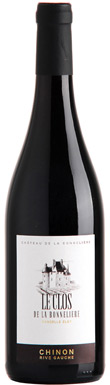
95
Winemaker Marc Plouzeau, owner and face of Château de la Bonnelière, took over this 1848 château in 1988, adapting methods to bring a more natural approach to the wines. On the left bank of the Vienne, this 30ha estate produces a huge range of Cabernet Francs. The soils are divided into three specific types: clay-limestone, flint and gravel, all of which provide this estate’s unique characteristics. Le Clos de la Bonnelière is created from 35-year-old vines which thrive on a clay-limestone plot. Jim Budd: Smoky aromas with some notes of liquorice, finesse and charm, length. Ready to drink now but potential to age. Very attractive wine. Chris Kissack: Fire embers and toast on the nose. Sweet red cherry and redcurrant, with chalky, perfumed vanillin notes coming through on the palate, dry and distinct. Bold, grippy with a long finish, lots of tannic structure. Ben Llewelyn: Dense and brooding, albeit with mineral fruit underpinning the palate. There’s a lovely freshness to this. A good wine with characters of both vintage and terroir.
2014
Château de la BonnelièreChinon
Domaine du Mortier, Les Pins, Bourgueil, Loire, France, 2016
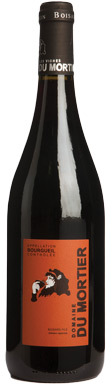
95
Domaine du Mortier is situated centrally between Angers and Tours, and importantly only uses organic grapes from its organic and biodynamic certified vineyards. Grapes for Les Pins are from a single parcel of vines averaging 60 years of age, on soils of clay and chalk. Whole bunches go into an open-top, 50hl wooden vat, with the fermentation initiated using lees from previous vintages. The wine is aged for 10 months in oak before being bottled. Jim Budd: Black fruit aromas, some cherries, lovely soft texture, mouthfilling black fruits, powerful wine with some structure and a long finish. Some oak showing at present, so ideally kept for another couple of years. Chris Kissack: Blackcurrant with a touch of old school desk. Dark and restrained, suggesting a savoury style. Rather perfumed too though, a palate with substance, breadth and energy, dark and vibrant fruit, zippy acidity too. Lovely purity of fruit, with little grilled pip notes, praline edges too. Energetic and grippy. This is very good. Ben Llewelyn: Strongly put-together wine with identity and structure. A great wine.
2016
Domaine du MortierBourgueil
Domaine Zafeirakis, Limniona, Tyrnavos, Thessaly, Greece, 2015
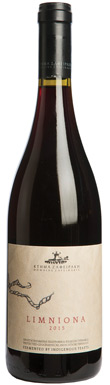
95
A relatively new winery, set up in 2012 in the Tyrnavos region of Thessaly in Central Greece. Christos Zafeirakis, head winemaker at the estate, is following in the local grape-growing tradition that was established by many past generations of his family. The vineyard has clay and flint soils and benefits from a unique microclimate, which is ideal for growing the local indigenous grape Limniona. Domaine Zafeirakis made its first vintage with this variety in 2008. Terry Kandylis: Charming and perfumed, with an elegant nature and an aromatic lift. Very good integration of the wood, great tannic management and long length, with very appealing fruit. A beautiful wine. Yiannis Karakasis MW: A very perfumed and pure nose displaying aromas of roses and cherries. Delicious! Savoury notes combine with well-played tannins on the palate. This is a great example of Limniona. Nico Manessis: Floral complexity, with a juicy, round and complete palate. There’s well-integrated oak too. This is a one-of-a-kind wine. I think of this variety as Greece’s answer to Pinot Noir.
2015
Domaine ZafeirakisTyrnavos
Clos Signadore, A Mandria di Signadore, Patrimonio, Corsica, France, 2016
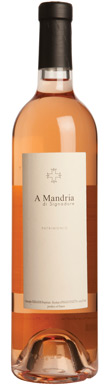
Clos Signadore, located in the Patrimonio appellation in northern Corsica, is the brainchild of Christophe Ferrandis who, although he hails from Marseille on the mainland,...
2016
Clos SignadorePatrimonio
Domaine de Mourchon, Loubié, Côtes du Rhône Villages, Séguret, Rhône, France, 2017
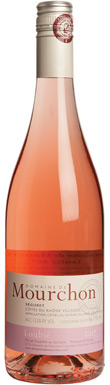
95
Domaine de Mourchon is nestled in the heart of the Rhône Valley, not far from the medieval village of Séguret. Founded in 1998 by Walter McKinlay, who was joined by winemaker Sébastien Magnouac in 2000, today the winery encompasses 35ha and produces 150,000 bottles a year. Terroir is an important factor at Domaine de Mourchon, being categorised into three differing types: Sausse (early ripening), Loubié (average ripening) and Mourchon (late). This Loubié rosé is from vines planted on a mix of clay, limestone and grey sandstone at an altitude of 320m, and it’s a 60/40 blend of Grenache and Syrah. Elizabeth Gabay MW: Fresh, honeyed ripe fruits on the nose which follow onto the palate, along with sun-ripened red fruits, cherries, peaches and freshly picked raspberries with beautifully balanced acidity. Andy Howard MW: Nice depth and richness on the palate with bright red/black berry fruits and good acidity to balance. There are extra layers of flavour here too. It’s well made and has enough concentration to last. Joanna Simon: Ripe strawberry aromas and strawberry fruit on the palate, which is full and smooth with attractive spice and a hint of honey, ending on a leafy, vibrant freshness.
2017
Domaine de MourchonCôtes du Rhône Villages
Gérard Bertrand, Château La Sauvageonne La Villa, Languedoc, Languedoc-Roussillon, France, 2016
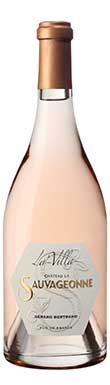
95
Gérard Bertrand, ex-rugby player and wine businessman, was introduced to wine in 1975. In 1987, after his father passed away, he took an active role in his father’s wine business while still playing professional rugby. Since then, Bertrand has become a wine-grower and owner of 12 estates in the south of France. Château La Sauvageonne was bought in 2011, and is located just north of Montpellier. This 57ha estate grows Syrah and Grenache on rock, sandstone, schist and ‘ruffe’ soil types at an altitude of 300m. La Villa is a mix of Vermentino, Viognier, Mourvèdre and Grenache. Elizabeth Gabay MW: White rather than a typical rosé, the new oak that dominates this fresh, vibrantly acidic blanc de noirs does raise a philosophical question. Andy Howard MW: This is a much less obvious rosé, but there’s lots of extra depth and complexity. It’s creamy and has zesty stone fruits on the palate with some smoky, slightly oaky notes. There are layers of flavour, richness, ripeness and acidity to finish. Fine and complex, with ageing potential. Joanna Simon: A very pale example where it is more a white than a rosé. It has an aromatic, rather Burgundian nose, dried flowers dominating. It’s nutty, creamy but taut on the palate. Concentrated, layered, textured, mineral and spicy.
2016
Gérard BertrandLanguedoc
Geheimer Rat Dr von Bassermann-Jordan, Jesuitengarten Riesling, Grosses Gewächs, Pfalz, Germany, 2016
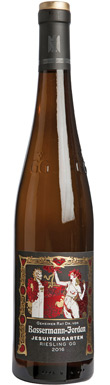
95
The Jesuitengarten vineyard, previously owned by a Jesuit monastery, was acquired by the Jordan family in 1793. It is one of the top sites in Pfalz, boasting soil which is absolutely crammed with minerals. The grapes are hand-harvested in several 'tries', and the must is given time to settle naturally. Wild yeasts trigger fermentation, after which the wine matures on its lees, undergoing regular battonage. Gearoid Devaney MS: Fresh and floral, the palate has sweet fruit flavours of peach and ripe pear, with good acid and texture. It's harmonious and complex, with a long finish. Anne Krebiehl MW: There's a slightly tropical overtone, with tons of lemon at the core. It's taut and clean, with some texture and a hint of creamy richness. Austere, but so promising. Sebastian Thomas: Very pure, juicy and fine. There is bright acidity alongside smooth, ripe citrus and tropical fruit, and a long, mineral-driven finish. Plenty of power and elegance, with lots of energy.
2016
Geheimer Rat Dr von Bassermann-JordanGrosses Gewächs
Joh. Bapt. Schäfer, Pittermännchen Riesling, Grosses Gewächs, Nahe, Germany, 2016
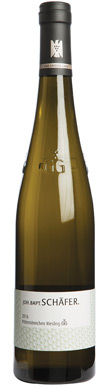
95
Established in 1900, this winery is now run by fourth-generation winemaker Sebastian Schäfer, who oversees 8ha of vineyards. The Pittermännchen vineyard is on slatey, loamy soil with a high clay content. The hand-picked grapes are macerated for 14 hours prior to spontaneous fermentation, then the wine is matured in 12 hectolitre barrels on its lees until the end of April. Gearoid Devaney MS: Flavours of green apple and lime are defined by energetic, refreshing acidity and a linear finish. Very harmonious. Anne Krebiehl MW: Gorgeous freshness and tempered balance, with lovely texture. Underneath, the fruit has a pristine apple juiciness. A highly drinkable wine - long, zesty and moreish. Sebastian Thomas: Very perfumed and floral, with a fine, understated palate of pure, bright acidity, finely textured minerality, and a long finish.
2016
Joh. Bapt. SchäferGrosses Gewächs
Kruger-Rumpf, Im Pitterberg Riesling, Grosses Gewächs, Nahe, Germany, 2016
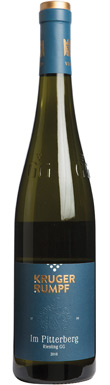
95
The Kruger-Rumpf family have been in the winemaking business since the end of the 18th century, although it wasn’t until 1984 that they took a major step forward when Stefan Rumpf began to produce his own estate wines instead of selling his crop on. Today, his sons Georg and Philipp run the property. Pitterberg is a steep, south-facing vineyard on slate soils, and at 5.5ha represents the estate’s largest plot of land. The vines here were planted in the 1940s and 1960s, and are tended following sustainable methods. Gearoid Devaney MS: Clean and fresh, showing lots of lime and Granny Smith apple flavours. There's a refreshing acidity and an intense, stony minerality. Long and complex. Anne Krebiehl MW: Gentle apple notes with some reduction lead into a vivid, textured palate of citrus fruit. Taut and pristine, it has a lasting freshness and purity that makes you really want to drink this. Sebastian Thomas: Bright, elegant and vibrant on the nose, with a smooth, elegant palate with some weight to it, balanced by good energy and brightness. Fresh and pure on the long finish.
2016
Kruger-RumpfGrosses Gewächs
David Traeger, Baptista Shiraz, Heathcote, Victoria, Australia, 2004
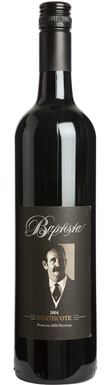
95
Baptista is named after Baptista Governa, an immigrant from northern Italy who established a winery and vineyard in Graytown in 1891. Fast-forward to 1988 and independent winemaker David Traeger began purchasing fruit from this site, before eventually acquiring it in 1993. Now organically farmed, the vineyard is planted on fertile alluvial soils over gravel, where the shallow water table helps to keep the vines quenched during the warmer months. The first vintage of Baptista Shiraz was produced in 1996, and it is aged for 12 months in a combination of French and American oak. Tina Gellie: Graceful maturity – showcasing the savoury, meaty qualities of old Shiraz. It has a fine concentration of leathery, dusty, ripe red fruits and baking spices, with supple, integrated oak. Roger Jones: Aromatic and perfumed, with ripe fruit aromas. This has evolved beautifully, and shows a sweet-fruited character and great balance. Anthony Rose: This is holding up well, with a fresh, intense and complex fragrance with a touch of liquorice. It's showing positive evolution on the palate too, with notes of fennel and spice. The fruit is concentrated, rich and chocolatey, with malty notes and good complexity. There's a lovely silky Rioja Gran Reserva mellowness to it, and excellent balance.
2004
David TraegerHeathcote
Schild Estate, Ben Schild Reserve Shiraz, Barossa Valley, South Australia, Australia, 2014
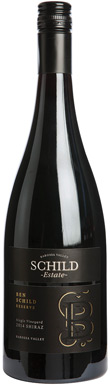
95
Aged just 16, Ed Schild took over the running of his family vineyard following the tragic death of his father in 1956. This wine is a tribute to his father, Ben Schild, made from carefully selected fruit grown in a single vineyard overlooking Lyndoch. It is fermented in open top fermenters, then aged for 18 months in an eclectic mix of French, American and Hungarian oak. Tina Gellie: Fresh, pure bramble aromas are lifted by a floral edge. The weighty, meaty palate has nice juicy, sappy red fruits and dusty tannins, with appealing Chinese five spice notes. Well done! Roger Jones: Spiced, juicy and voluptuous on the palate, with a lovely meaty, bacon character intertwined with luscious red and black fruits which linger on the palate. It's a luscious wine that's crying out for pork belly. Anthony Rose: A good, rich colour and attractively spicy aromatics lead into a full-bodied, full-throttle palate. Spicy, sweet blackcurrant fruit tapers nicely to a seductive finish. It has a juicy texture, and background notes of pepper and spice. A lovely wine.
2014
Schild EstateBarossa Valley
Ten Miles East, Syrah, Adelaide Hills, South Australia, Australia, 2015
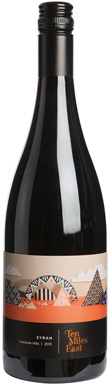
95
Owned and run by husband and wife team James and Taiita Champniss, you could never truly accuse Ten Miles East of chasing a buck. ‘Our Syrah vines are now so low yielding, that if we were to make a decision based on economics alone, we’d probably rip them out,’ says James. ‘We make one or two barrels a year; that’s it. But the resulting wine? Wow.’ This Syrah is produced from vines grafted over underperforming Carmenere in 2005 and 2006, and the wine is styled to be reminiscent of St-Joseph. Following a cold soak and a wild ferment, it's aged in a combination of new and old barrels. Tina Gellie: Smooth, enticing creamy blackberry fruit is joined by appealing touches of peppery salami and bright acidity on the velvety palate. It's textured, lifted and long, with a firm, tannic frame. Roger Jones: A beautifully gamey, meaty wine with refreshing fruit aromas. The palate has a creamy balance of fruit, with notes of savoury cherries, violets and some lovely textures. Anthony Rose: Pleasingly spicy and ripe, with an accent on espresso coffee and lots of sweet, juicy blackcurrant fruit in a full-bodied framework of grippy tannins and fresh, balancing acidity. Great value!
2015
Ten Miles EastAdelaide Hills
Bekkers, Syrah, McLaren Vale, South Australia, Australia, 2015
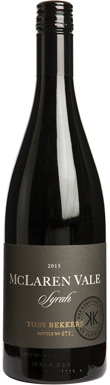
95
Bekkers’ genesis was the result of a chance meeting between youthful French winemaker, Emmanuelle, and Australian viticulturist, Toby - now one of Australia’s most respected authorities on organics and biodynamics. They have visited some of Europe's top producers, gleaning precious knowledge and advice. This Shiraz is Bekkers’ flagship wine, a dovetailing of fruit from two different vineyards. The fermentation is kicked off by native yeasts, and afterwards the wine is matured for 20 months in 500 litre French puncheons, 40% new. TIna Gellie: An excellent balance of fresh cherry fruit and vibrant acidity here, lively and lipsmacking! Integrated sweet oak and a hint of tobacco spice sit alongside a refreshing herbal character and fine fruit tannins. Roger Jones: Very bright in acidity, with cherries, frangipane and soft vanilla oak. This needs time, but evolves beautifully in the glass; the cherries get riper, and there is a lovely softness to the wine. Anthony Rose: Vibrant fresh fruit aromas show lots of energy, as if some whole-bunch pressing has been going on, delivering a slight stalky element. Overall the picture is bright, with lots of vivacious black cherry and kirsch fruit in a seamlessly textured, albeit still elementally youthful red.
2015
BekkersMcLaren Vale
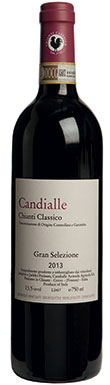
Candialle, Chianti Classico, Tuscany, Italy, 2013
95
Candialle is a 35ha estate located south of Panzano, with 11.5ha devoted to vines. Finnish winemaker Jarkko Peränen worked with a small producer in Chianti Classico for five years before purchasing Candialle in 2002. Sangiovese dominates the vineyard, with Merlot, Cabernet Franc, Malvasia Nera, Petit Verdot and Canaiolo also planted. Candialle belongs to the local Unione Viticoltori di Panzano, a sustainable winegrowing initiative that aims to make Panzano the first organic viticultural region in Italy. Andrea Briccarello: Slightly animal on the nose, with leather and sweet tobacco layers. It's very intense and structured on the palate, with delicate violets and red flowers peeping through. The tannins are rounded and there are plenty of juicy cherries on the mid-palate. Susan Hulme MW: Broad, round and spicy red-fruit aromas with perfumed cherry underneath. It has a super-subtle first impression, with silky, seamless texture and weight marking this out as a special wine. There's lovely ease and flow across the palate. Andrew Jefford: Sweet, warm, floaty fruit aromas tease with their ripeness. On the palate it is delicate and pure, with beautifully sculpted Sangiovese fruit showing freshness, depth, cut and class. Excellent.
2013
CandialleChianti Classico
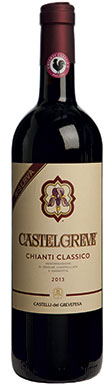
Castelli del Grevepesa, Castelgreve, Chianti Classico, Tuscany, Italy, 2013
95
The Castelli del Grevepesa co-operative was established in 1965 by a group of 18 Chianti Classico winemakers and growers. Today there are 150 members, who own a range of vineyards and estates in different areas including Panzano, Lamole and Greve di Chianti. A team of oenologists oversee the production of this Chianti Classico Riserva, which is a blend of 95% Sangiovese and 5% Merlot, hand-picked and matured in large oak barrels for two years. Andrea Briccarello: Very charming and attractive nose with herbal hints and menthol tones. Intense and complex on the palate, with generous layers of red forest fruits, spice and leather. A very seductive style, with plenty of charm and complexity. Susan Hulme MW: Warm and inviting notes of smoke, bonfire, ripe dark cherries and forest floor on nose, with a hint of greenness, reminiscent of woodland walks. Very smooth and silky textured mid-palate. Lovely weight and balance to this wine, which flows beautifully across the palate. Andrew Jefford: Enticingly subtle vanilla and lavish spice. A very concentrated, deep and searching wine of impressive intricacy and depth of allusions – and one which needs longer to grow out of its vanilla spice and express more of those forest and field notes. Ripe, ringing, fruited acidity and tannins, too, very finely spliced to the fruits: outstanding work here.
2013
Castelli del GrevepesaChianti Classico
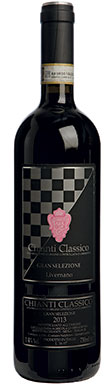
Livernano, Chianti Classico, Tuscany, Italy, 2013
95
The Livernano estate traces its origins back to the Etruscans, but gained a new lease of life in 1990 as a luxury holiday village with working farm and winery. The first vineyards were planted 15 years ago, surrounded by olive groves and woodland. Livernano makes a range of wines, including Chianti Classico and Chianti Classico Riserva. This Gran Selezione is aged in oak barrels for a minimum of eight months. Andrea Briccarello: Quite a vinous style on the nose, unfolding onto dark stone fruits and plenty of dark spices at the back of the wine. Elegant and seductive with generous amounts of red forest fruits. Susan Hulme MW: Ripe red fruits and berry jam, with attractive wild strawberry notes. Perfumed fruit character. Super-smooth and seamless palate. Definitely not a loud wine, but has lots of understated grace and elegance. Andrew Jefford: Exuberant aromas of enticing fruits. Concentrated and satisfying flavours; brisk dark spice tannins at the end. A truly excellent Gran Selezione which will probably be even better in a year or two.
2013
LivernanoChianti Classico
Antinori, Badia a Passignano Gran Selezione, Chianti Classico, Tuscany, Italy, 2013
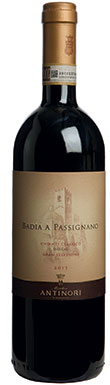
Marchesi Antinori was founded by Giovanni di Piero Antinori in 1385. Today the company manages eight different estates in Tuscany, Orvieto and Franciacorta. The Badia...
2013
AntinoriChianti Classico
Poggio al Sole, Casasilia, Chianti Classico, Tuscany, Italy, 2014
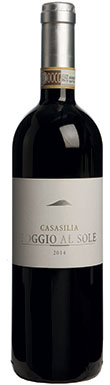
95
The Davaz family has been making wine in Switzerland since the early 1970s. In 1990, winemakers Kathrin and Johannes Davaz acquired Poggio al Sole, nestled between the towns of Tavarnelle Val di Pesa and Greve in Chianti. They produce 9,500 bottles of this wine, aged in old and new French oak barrels for a minimum of 18 months. Andrea Briccarello: Earthy and spicy scents upfront, flowing onto a palate of great concentration and savouriness that gives the wine complexity and structure. Very elegant, with poised fruits and round tannins. A well balanced wine with plenty of generous fruit. Susan Hulme MW: Warm spice notes to the fore; faded rose tones in the background. Nutmeg spice is subtly integrated and harmonious. Very appealing texture and weight, an understated, elegant style with a lingering finish. Andrew Jefford: Sweet, graceful and pure, with soft incense notes qualifying the ripe black and red fruits. Understated but very attractive. Mellow yet vivid, fresh yet fleshy: another Gran Selezione of assured quality and ample drinking pleasure. For soft charm, this is hard to beat.
2014
Poggio al SoleChianti Classico
Rocca delle Macie, Sergio Zingarelli, Chianti Classico, Tuscany, Italy, 2013
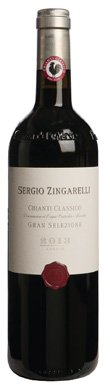
95
Sergio Zingarelli is president of the Rocca delle Macìe estate, taking over from his late father, Italo Zingarelli, a former boxer and filmmaker who bought the 600ha estate in 1973. International and Italian grape varieties are farmed organically, alongside 80ha of olive groves. This Gran Selezione is aged in French oak barriques for 18 months. Andrea Briccarello: A nose of dark fruits with plenty of seductive, ripe, wild elements. Hints of pomegranate and rhubarb exude from the glass. Beautifully crafted with plenty of dark plums and juicy currants. Great gripping tannins and lingering fruit notes. Susan Hulme MW: Sweet wild strawberries and red cherries on the nose, with creamy oak spice. Very warm and inviting on the palate; enough fruit to support the lavish oak. Very fine tannins. Supremely harmonious. Andrew Jefford: Breezy and chic fruits with well-judged oak and incipient secondary complexities. Concentrated and beguiling on the palate, with a sweet note which gradually softens and fills as it sits in the mouth. It’s rich yet far from vulgar, full of the nuance of field and forest as well as vineyard.
2013
Rocca delle MacieChianti Classico
Cà dei Maghi, Valpolicella, Classico Superiore, Veneto, Italy, 2012
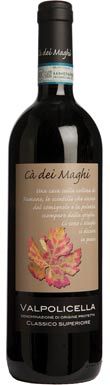
95
Tracing its history back to the 1800s, this small farm in the hills of Valpolicella, in Fumane commune, was founded by Fasoli Fedrigo. The Cà dei Maghi estate is modest in size, with 4.5ha of vineyards, growing Corvinone, Corvina, Rondinella and Molinara. Today the winery is run by Paolo Creazzi, who looks for diversity in the grapes he grows, and in the styles of wine he makes, paying close attention to every detail. This Classico Superiore is aged in large traditional casks for four years. Andrea Briccarello: Cherry stone and dry plum notes rise from the glass. It's earthy and leathery, with plenty of cigar box notes, yet great freshness and vibrancy. A cracker. Michael Garner: Broad and ripe, with good breadth and freshness, and lifted aromatics of cedar and spice. It's juicy and full in the mouth, with attractively perfumed fruit flavours leading into a fresh finish of dark fruit compote and charred spice. Charming and graceful stuff. Andrew Jefford: Still fresh and fruity after all these years, with some spiced richness, too. A brightly-fruited and well-preserved wine which is fresh, deft, concentrated, elegant and detailed. Delicious.
2012
Cà dei MaghiValpolicella
Corte Canella, Valpolicella, Superiore, Veneto, Italy, 2014
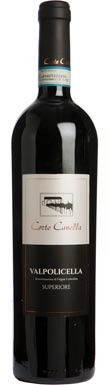
95
Corte Canella was only founded in 2009, but the combination of 50-60 year old vines and modern winery equipment has allowed them to realise their commitment to making high quality, characterful wines. Located in Cellore village, just north of Verona, they produce Valpolicella, Amarone and Soave from grapes grown on alluvial soils. This Valpolicella Superiore is a blend of Corvinone, Corvina and Rondinella grapes which undergo a drying process of 40-50 days before fermentation. The wine is aged in oak barrels for between 18 and 24 months and then rested in bottle for a further six months before release. Andrea Briccarello: A very smoky, intense and powerful nose. On the palate, hints of vanilla and cinnamon combine with ripe, jammy notes. Great structure and balance. Michael Garner: Scented dried fruit aromas are bolstered by cherry, liquorice and hints of clove and sandalwood. Lively acid underpins the full, dark fruit - appassimento aided - before the finely balanced finish. Andrew Jefford: Impressive complexity on the nose: blueberry and blackberry fruits with a creamy fullness from the oak. It's beguiling, suggestive and exotic on the palate too, displaying supple, sweet-edged fruits and an exciting panoply of spiced citrus, incense smoke, fresh and dried black cherry, bramble, loganberry and a savoury, almost bloody note. Wonderfully perfumed.
2014
Corte CanellaValpolicella
Terre di Leone, Valpolicella, Classico Superiore, Veneto, Italy, 2014
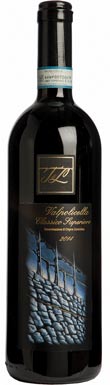
95
Terre di Leone is named after Leone, grandfather of owner Federico, who along with his wife, Chiara, produce wines from their modern 10ha estate in the village of Marano di Valpolicella. The vines are grown on volcanic soils at an altitude of 300-400m, surrounded by traditional dry-stone wall terracing. Although the pair believe that wines are made in the vineyard, they utilise modern technology and gentle gravity fed systems in the winery to get the most from their grapes. For this wine, the grapes are dried for 100 days, before being fermented in stainless steel and matured for around 16 months in French oak tonneaux and 25hl barrels, followed by a further six months in bottle. Andrea Briccarello: A clean, smoky and savoury nose with earthy notes shining through. On the palate the wine has plenty of intense red forest fruits and some jammy notes with hints of spice and raisin. Michael Garner: Broad, ripe and leafy, with cool, dark fruit aromas of impressive lift and development. This is juicy and fleshy, with lightly tart but full fruit flavours and aromatic touches of cedar, clove and Victoria plum. Sculpted and fine, this is a herculean effort. Andrew Jefford: Attractive lifted cherry scents in a creamy, sweet style, with some tea-leaf freshness behind. The palate, too, is graceful and elegant, very fine and perfumed, with mouth-coating fruits and ample tannic support, without being fierce or burnt in style. It's poised and pristine, a full-flavoured example of this style in the 2014 vintage. Excellent work.
2014
Terre di LeoneValpolicella
Ugolini, San Michele, Valpolicella, Classico Superiore, Veneto, Italy, 2014
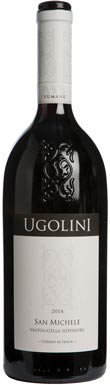
95
This 22ha estate, nestled amongst olive trees in the valley of the Fumane commune, has adopted a single-site approach to winemaking in order to emphasise terroir. This Valpolicella Classico Superiore wine uses Corvina ,Corvinone, Rondinella and Oseleta grown on the Colle San Michele hillsides in Bure Alto, at an altitude of 200m. Here, the soil is a mix of calcareous marlstone and rocky fragments. The grapes are dried for 30-40 days, and the traditional drawing-off technique is used to reduce the amount of liquid in the must to enhance structure and aroma. It is fermented in stainless steel, then matured for 20 months in small French oak casks before spending a further eight months in bottle. Andrea Briccarello: Amazingly vibrant and lively, with plenty of sour cherry and blackberry notes. It's earthy and complex, showing buckets of fresh blueberry acidity and cocoa powder. Michael Garner: Packed with sour cherry flavours, with tinges of spice, herbs, grass, oak and an intriguing stalky note. It has fine balance and length, with an aromatic, peppery finale. Top drawer. Andrew Jefford: No messing with appassimento here! There's plenty of fresh, fragrant, lifted charm, and great harmony too. You can sense that the little bit of extra age has brought a refinement to the fruits. On the palate it is fine, deft, elegant and graceful. A vivaciously fruity Italian riposte to a Côte de Beaune red. Spot on for the classical style.
2014
UgoliniValpolicella
Alkoomi, Black Label Riesling, Frankland River, Western Australia, Australia, 2017
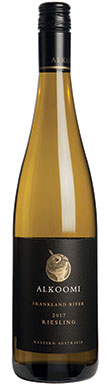
95
Alkoomi is one of Western Australia’s largest family-owned and -run wine producers. Sandy and Rod Hallett’s vineyards are on gravelly loam soils, and grapes for this Black Label Riesling come from the oldest vines, planted in 1971, through to the the most recent (2003). The free-run juice from each parcel is fermented separately then blended. Roger Jones: Precise, with a touch of spritz that will diffuse with age. The pure, focused minerality is like a wet sea breeze. A delicate wine that will evolve well, yet is already very good; I’d love to see it in a decade. Sarah Knowles MW: Tight white peach, lemon and lime fruit with bright acidity. This has real vibrancy, precision and direction. A great wine with great potential. Anthony Rose: Fine, intense citrus fragrance, with a hint of spice and a floral note. The fruit quality is still youthful – elemental and yet to unfurl – but there’s a firm spine of acidity behind that lengthens and broadens the palate, leading to an appealingly dry finish.
2017
AlkoomiFrankland River
Alkoomi, Melaleuca, Frankland River, Western Australia, Australia, 2017
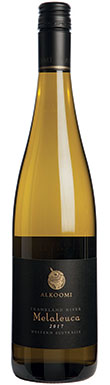
95
Alkoomi started in 1971 with just 1ha of estate vines; today it has 105ha. Melaleuca is a single block of Riesling from that 1971 planting. The Hallett family’s philosophy has always been to favour quality over quantity, and to farm the land in an environmentally sustainable way. The fruit is harvested in the early morning, immediately pressed then left on its lees for some time after to enhance its flavours. Roger Jones: Elegant sweetness on the nose, while the palate is full flavoured with saline notes and a depth of fruit. It is complex and layered yet controlled; a racy wine that is exuberant now but will evolve beautifully. Sarah Knowles MW: Searing and intense acidity, showing sherbet aromas and tart lemon on the palate, with a wet-stone finish. Precise, intense and lengthy. Anthony Rose: Youthful, tight aromatic profile with intense sweet and sour fruit and an almost Rheingau-like character. Good length and flavour, even though still young, with weight and intensity and a long, bone-dry, mineral finish. Still needs plenty of time to unfold.
2017
AlkoomiFrankland River
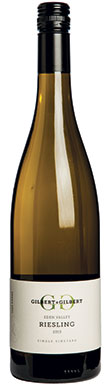
Gilbert Family Wines, Gilbert & Gilbert Riesling, Eden Valley, South Australia, Australia, 2015
95
Winemaker Simon Gilbert started Gilbert Family Wines in 2004, but this family business has a wine history that goes back six generations. Joseph Gilbert left London for South Australia, acquiring land in Eden Valley. In 1842 he not only planted the first grapes in the region, but established the first vineyard and winery. The Gilbert + Gilbert label is a testament to that legacy, focusing only on three Rieslings: this single-vineyard wine, an off-dry style and a museum reserve. Roger Jones: This is so clean for a 2015! Extremely bright, fresh, vibrant and juicy with a textured and lively palate. White stone fruit of lovely purity and wet-stone precision. Sarah Knowles MW: Still youthful and fresh, brimming with lemons and grapefruit in a light, dry, elegant style. Anthony Rose: Evolved and quite broad on the nose, showing delicious apple and citrus fruit with good tangy, clean acidity and an overall seamless, refreshing balance.
2015
Gilbert Family WinesEden Valley
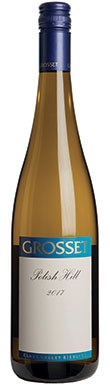
Grosset, Riesling, Clare Valley, Polish Hill River Valley, South Australia, Australia, 2017
95
Jeffrey Grosset founded his eponymous winery in 1981 in the historic township of Auburn in the Clare Valley. He is Australia’s most celebrated Riesling winemaker, as well as a leading proponent in the introduction of screwcap closures. Grosset produces nine organically certified wines each vintage, capping production at 11,000 cases to focus on quality and purity of fruit from his 22ha of estate vineyards. Roger Jones: Focused and linear, but also layered and textured. This is beautifully made and will age well. A stunning wine that has everything to take it on its journey: minerality, fruit, hidden spices and texture. Pure genius! Sarah Knowles MW: Grapefruit, lime and bitter orange notes are balanced with piercingly high acidity in this mouthwatering style. Anthony Rose: Fresh nose with a degree of complexity to it, yet still elementally youthful in structure with a floral note and juicy fresh apple and citrus flavours. The lean, mouthwatering streak of acidity, sinewy texture and dry, stony minerality suggests a promising future.
2017
GrossetClare Valley
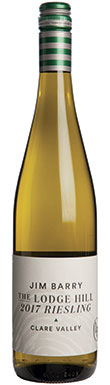
Jim Barry, The Lodge Hill Riesling, Clare Valley, South Australia, Australia, 2017
95
Jim Barry started making wine under his name in 1959. The Lodge Hill vineyard, bought by Barry in 1977, is one of the highest points of the Clare Valley, at 480m, planted to Riesling and Shiraz on brown loam over a layer of clay and slate bedrock that allows water to drain freely. Roger Jones: Love the perfumed nose packed with buttercups and wild flowers, then a vibrancy that lifts the wine to another dimension. Delicate yuzu and candied citrus palate leading to a precise finish. The depth of flavour is great – there’s a touch of reduction but who cares; its superb! Sarah Knowles MW: An intensely aromatic profile of lime and grapefruit showcases this wine’s elegance and youthfulness. It needs time, but it is still juicy, citrussy and drinkable now. Anthony Rose: Youthfully fresh, this is still in its first flush of development. Notes of apple, pear, citrus and peach on the palate with a salty, mineral edge to the fruit and a mouthwateringly dry, crisp finish that promises much in the future.
2017
Jim BarryClare Valley
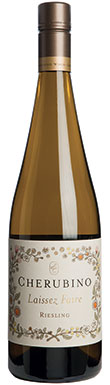
Larry Cherubino, Laissez Faire Riesling, Porongurup, Western Australia, Australia, 2015
95
Larry Cherubino and wife Edwina bought their first parcel of vines in Frankland River in 2004 and in 2005 released their first wine. Today they make 48 wines and this Riesling is from the Laissez-Faire range, named for the hands-off approach used in making these ‘post-natural’ wines from estate vineyards. Roger Jones: Perfect Riesling character on the nose and palate. It is evolving beautifully but will keep longer. A great reflection of Porongurup. Sarah Knowles MW: Showing some toasty development and a waxy lemon and orange character on the palate and a long finish. It has developed perhaps a little early, but still has time to go. Anthony Rose: Deliciously toasty and full of lime marmalade notes. It finishes with refreshing acidity in a style that suggests greater evolution to come, yet is nonetheless distinctive right now, with lots of character.
2015
Larry CherubinoPorongurup
Peter Lehmann, Hill & Valley Riesling, Eden Valley, South Australia, Australia, 2015
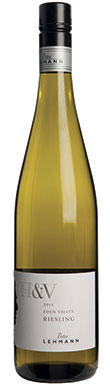
95
Casella Family Brands, makers of Yellowtail, acquired Peter Lehmann Wines in 2014, appointing Nigel Westblade as chief winemaker in 2017. The H&V (Hill & Valley) range aims to show the diversity of regions around the winery – such as this Riesling from high-altitude sloping vineyards in Eden Valley, where the sandy soils on shallow rock and shale are ideal for enhancing the natural acid balance of the wine. Roger Jones: A beautifully classic Eden Valley Riesling, full of texture and flavours of lime marmalade on toasted brioche, spice and amazing white peach purity. Very long, with a touch of reduction – but in a good way. Sarah Knowles MW: Toasty, waxy and honeyed nose mingles with a struck match and lime curd character. A full-flavoured, developed and intense example. Anthony Rose: This is a wine characterised by pronounced and attractive lemony fruit and fresh acidity, showing good varietal character and a bone-dry, mineral finish. Lovely and great value.
2015
Peter LehmannEden Valley
RockBare, Riesling, Clare Valley, South Australia, Australia, 2017
95
RockBare is a project created by winemakers Shelley Torreson and Peter Fraser, who are both based at Yangarra Estate in McLaren Vale. ‘Winemaking without frontiers’ is how they term it – ‘free from the constraints of owning our own vineyards, we are able to make wines that each have their own unique story’. Grapes are sourced from local growers, with this Riesling from a single vineyard in the Watervale sub-region of Clare Valley. Roger Jones: Juicy guava combines with citrus acidity and more candied lemon zest. White stone fruit and an uplifting texture gives it lovely dimension. Sarah Knowles MW: Tight lemon and wet-stone aromas with a precise, linear and mouthwatering palate. Lacks some complexity but will be great in time. Anthony Rose: An opulent, medium-bodied Riesling with great richness of fruit – lots of classic Clare Valley lime-cordial flavours here, on a fine-textured and well-proportioned palate. It is zesty and refreshingly dry with a fine mineral background.
2017
RockBareClare Valley
Thorn-Clarke, Eden Trail Riesling, Eden Valley, South Australia, Australia, 2017
95
The ancestors of David Clarke and his wife Cheryl (nee Thorn) were pioneers in the Barossa Valley, going back six generations. The pair, and their son Sam, are among the region’s biggest grape growers, with 270ha across the Barossa and Eden Valleys. Having sold fruit to other wineries for several years, they first released wine under their own name in 2001. Eden Trail is one of three Rieslings made, this one in a low-intervention style, from free run juice with minimal fining and filtration. Roger Jones: Restrained yet full of delicate, refined flavours. I love the minerality, texture and yin-yang balance of juicy sweet and savoury fruit and great citrus acidity. Sarah Knowles MW: Aromas and flavours are dominated by lime and wet stone, well balanced by firm mouthwatering acidity. A proper Riesling. Anthony Rose: Aromatically very fresh and youthful, unravelling with nice weight on the palate. It is still elemental but finely textured, with an apple and citrus fruit quality and a dry, clean finish. Classic and great value.
2017
Thorn-ClarkeEden Valley
Mount Eden Vineyards, Cabernet Sauvignon, San Francisco Bay, Santa Cruz Mountains, California, USA, 2014
A complex bouquet of wild berries, cassis, cigar box and mountain laurel prefaces a savoury, full-bodied wine with a three-dimensional, layered chassis of fine-grained tannin...
2014
Mount Eden VineyardsSan Francisco Bay
Freemark Abbey, Cabernet Sauvignon, Napa Valley, California, USA, 2014
95
The estate known today as Freemark Abbey was established in 1886 by one of the first female wine-growers in Napa. Today Ted Edwards is head winemaker, working for the past three decades to develop relationships with growers, allowing exclusive sourcing rights to specific plots, which is crucial to the winery’s success. This wine has been aged for 28 months in a mixture of French and American oak. Stephen Brook: Powerful blackcurrant nose, with slightly charred oak. Very rich without being jammy, it packs a punch. An assertive and very youthful style, but good acidity and tannins mean this should go the distance. Alex Hunt MW: A bit Port-like on the nose to begin with, but there is good depth and the brightness increases in the glass. The palate is succulent, appealing, and has potential to age. Very good. Stefan Neumann MS: Intense, youthful and fruit-forward nose. This is softly structured but with a good level of tannins. Violets and rose petals lead up to a lengthy finish. Great purity and clarity here.
2014
Freemark AbbeyNapa Valley
Priest Ranch, Cabernet Sauvignon, Napa Valley, California, USA, 2014
95
Priest Ranch’s philosophy is that all wines must stem from the land. This approach is followed religiously by viticulturist and winemaker Craig Becker, who adopts a minimalist approach in the winery. Priest Ranch is named after James Joshua Priest, who settled in the area in 1869 as a gold prospector. Today it’s owned by the Somerston Wine Estate which, in 2004 it merged with its 386ha Elder Valley estate. The first vintage of this wine was made in 2006 from vines planted in 1972. Stephen Brook: Ripe blackberry nose that is just the right side of jammy. Rich and velvety despite the underlying tannins, this has a certain grandeur. Very concentrated and forceful, with enough acidity to give it persistence. Alex Hunt MW: Youthful and tightly knit, this wine shows real poise and focus. There is a currant-based core that will emerge in bottle, filling out the current neat tannic structure. Stefan Neumann MS: Blackcurrant and blackberries are the dominant aromas and offer immediate charm on the nose. Concentrated with quite a high ripeness level, which makes it enjoyable in its youth. Good juicy character with a tick of grippy tannins.
2014
Priest RanchNapa Valley
Sequoia Grove, Cabernet Sauvignon, Napa Valley, Rutherford, California, USA, 2014
95
Family-owned winery Sequoia Grove was founded in 1979 in a 110-year old barn beneath a grove of Sequoia trees in Rutherford. Michael Trujillo joined the winery as assistant winemaker in 1981, becoming director of winemaking in 2002. His philosophy is based on balance in the vineyard, planting different blocks with different clones, and farming without pesticides. Stephen Brook: Juicy, vibrant blackberry nose. Broad, fleshy and succulent, this has power and density too. Still a touch raw and oaky, it nonetheless has tension and drive. A lot of sucrosity on the finish, but it’s not jammy. Alex Hunt MW: Slightly closed on the first nose, with enticing aromas of blackberry and olive emerging. Powerful but focused on the palate, with just enough tannic support for the generous fruit. Fleshy enough to be accessible now, but should age well too. Stefan Neumann MS: The ripeness of dark fruits is clearly emerging from the nose. The oak influence is subtle but noticeable, as well as the ripe fruit component, proving that less is sometimes more.
2014
Sequoia GroveNapa Valley
Greystone, Erin's Chardonnay, Waipara Valley, Canterbury, New Zealand, 2015
95
Greystone started life in 2000 when the Thomas Family purchased a farm on the Omihi hills. The winery’s name comes from the unique limestone conglomerate of fossils, seashells and small pebbles that are found on the bedrock where the vines grow. This soil profile offered a perfect opportunity for viticulturist Nick Gill to realise the full potential of the site, and in 2008, with winemaker Dom Maxwell, the first wines were created. Erin’s is made from Chardonnay grapes grown on the steepest, northwest-facing limestone block. Melanie Brown: A bold palate of tropical fruits and piercing acidity with a flash of a reductive tone. Minerality breaks through intermittently, and the gloriously silky texture provides warmth and authenticity. Rebecca Gibb MW: Smoky bacon and struck match spring to mind here. This is a savoury Chardonnay with plenty of personality. Heaps of concentration and just the right balance between richness and freshness. Roger Jones: A racy wine with perfectly ripe white stone fruit, minerality, spicy notes and lovely acidity. A struck-match quality gives a controlled, beautiful, evolving wine.
2015
GreystoneWaipara Valley
Neudorf, Rosie's Block Chardonnay, Moutere Hills, Nelson, New Zealand, 2015
95
Neudorf, based in Nelson on New Zealand’s South Island, was set up by Tim and Judy Finn back in 1978. After years of experimentation and development with differing grape varieties, Pinot Noir and Chardonnay became synonymous with the winery. They do produce excellent wines from other varieties too, and Rosie’s Block, a vineyard purchased in 1999 and named after the Finns’ daughter, is also planted to Riesling and Albariño. This block is north-facing, on clay-gravel soils, and is run organically. Impressively, this is also a dry-farmed vineyard (no irrigation), which makes it a real rarity in New Zealand. Melanie Brown: A beautifully curated example of Nelson Chardonnay. Layers of fine fruit meld with pure minerality. It is richly textured with bright acid and an enormous potential for further ageing. Poised and exciting to see. Rebecca Gibb MW: Creamy and nutty with a lovely silky texture; someone has handled their phenolics well. A medium-bodied style that is positively restrained, leading enticingly onto a taut and fine finish. Roger Jones: A charming, clean and fresh wine whose divine elegance shows clearly. The acidity brings this wine full circle and makes it a complete, delightful example of Chardonnay.
2015
NeudorfMoutere Hills
