Street food in Italy: What to eat & local wine pairings
Fill up on authentic street food when you next visit Italy – Alessandra Piubello highlights some of Italy's greatest regional culinary traditions, and selects one delicious wine to track down in each region.


Italy is one of the world’s top street food destinations. Every town has its own specialities to savour as you wander the streets, sit on church steps, admire a mountain view or gaze out over a seascape.
On any Italian sojourn, the street food experience is a great way to dive into local culinary traditions. So, here’s a brief guide to the most iconic, delicious delicacies from the length of the ‘boot’ – snacks that will give you an authentic taste of the regions. Not a Michelin star in sight.
Sicily
Palermo is the Italian street food capital, positively buzzing with stalls, kiosks and markets (Ballarò, Vucciria and del Capo). Don’t leave without tasting a ‘pani ca meusa’ (a soft bun filled with fried calf’s spleen). Try one at local institution Antica Focacceria San Francesco (www.afsf.it), or at the Pani ca’ meusa kiosk (panicameusa.it).
‘Sfincione’ is Sicily’s take on pizza: thick and soft, with tomato, onion, local cheese or anchovies.
Sicilian fried delicacies are among Italy’s best and most imitated: ‘crocché’ or ‘cazzilli’ are potato croquettes with parsley; ‘pannelle’ are rectangles of fried chickpea flour. But the most mouthwatering kind are ‘arancine’, as they’re known in Palermo (or ‘arancini’ on the rest of the island). These breadcrumbed, deep-fried bombs of saffron-flavoured rice with meat sauce and peas – alternatively cheese, spinach, aubergine – are delicious. Sample some at Ke palle (kepalle.it) or Passami Ù Coppu (passamiucoppu.it).
Also try ‘pane conzatu’, hot bread baked in a wood-fired oven and topped with fresh tomato, cheese, anchovy and a drizzle of oil.
‘Stigghiola’ are twists of lamb intestine you’ll find grilling on barbecues outside trattorias. Another specialty here is ‘quarume’, a hot stew of veal offal. Gioacchino Campanella’s family has been selling it for 30 years in the Capo district.
Last but not least, try a ‘frittola’ (fried offal) and ‘sfinci’ (semolina fritters with anchovy or ricotta) at the Antica Friggitoria Andrea Stella.

Puglia
Lecce is the undisputed home of ‘pucce’, bread pockets made of pizza dough but with shorter leavening time. They lend themselves to all sorts of fillings: charcuterie, cheese, grilled vegetables, meat. Try one at L’Angolino on Via Matteotti, Lecce.
While there, don’t miss the ‘rustico leccese’, two discs of puff pastry filled with bechamel, mozzarella and tomato sauce.
In Bari, try the ubiquitous mozzarella and tomato-filled ‘panzerotti’, ‘popizze’ (fried balls of savoury dough) and ‘sgagliozze’ (fried slices of polenta). You’ll find them all at Le Sgagliozze di Maria on Strada del Carmine.
In central Puglia, Valle d’Itria is known for its excellent pork, especially the famous ‘capocollo’ ham from Martina Franca, where butcher shops flame-grill meat over charcoal barbecues, ‘al fornello’. Local specialities are ‘gnummareddi’ (rolls of lamb offal) and ‘bombette’ (roulades of ‘capocollo’ filled with caciocavallo cheese and parsley, barbecued on skewers). Visit I Piaceri della Carne in Locorotondo, you won’t be disappointed.

Tuscany
Offal occupies a special status in Florence, the home city of the Medici dynasty. One prime example is ‘Lampredotto’, a centuries-old institution with its culinary roots in the tripe stalls that can still be found in the city. Lampredotto is a stew of cow’s stomach in vegetable broth, flavoured with herbs and served in a bread roll with salsa verde or hot sauce.
Then there’s tripe ‘alla Fiorentina’, sautéed with tomato. A fun place to try it is at the Mercato Centrale at San Lorenzo, at either the historic Da Nerbone or Lupen e Margo stalls (lupenemargo.it). For tripe and mixed boiled meat, I can also recommend Trippaio di Gavinana (trippaio-di-gavinana.it): Leonardo Torrini is an authority on it.
Fried bread dough is also popular in Florence, an example being ‘coccoli’ (dough balls traditionally stuffed with creamy stracchino cheese and Parma ham, served in paper cones). Find them at the Pugi bakery (fornopugi.it).

Campania
Naples is practically synonymous with street – every street has a food counter somewhere; every pizzeria has its own roadside stand; every bar serves snacks to go.
The queen of street food is classic tomato and mozzarella Neapolitan pizza folded over ‘a portafoglio’ – get yours from Da Attilio.
Campania also boasts an array of fried specialities: ‘crocché’ (potato croquettes), ‘scagliozzi’ (chunks of fried polenta), ‘zappole’ (fried dough), rice ‘arancini’, pasta frittata and deep-fried pizza. Get your fill at da Fernanda on Via Speranzella, or at local institution, Pizzeria De’ Figliole.
The ‘cuoppo’ is the traditional paper cone filled with scrumptious deep-fried treats, and it’s irresistible: enjoy courgette flowers (‘sciurilli’), breaded mozzarella, potato croquettes and fish. Grab one at the Friggitoria Vomero or Friggitoria Verace.
For takeaway mozzarella I can recommend A Muzzarella Mia Parla (amuzzarellamiaparla.it).
Crispy baked bread ‘taralli‘ are a classic Neapolitan snack – try them at Taralleria Napoletana.
Tripe is eaten cold in Naples, dressed with lemon and black pepper – try it at Le Zendraglie.
And for patisserie, rhum babàs, biscuits and flaky pastries head to Attanasio (sfogliatellecalde.com).

Liguria
Visitors to this crescent shaped region, where scenic coastal villages compete for attention with pretty hillside hamlets, are always struck by the aroma of focaccia wafting through the narrow lanes, known as carrugi.
Genovese focaccia, ‘fugassa’ in the local dialect, is a cult street food: thin, springy, slightly crispy on top and soft on the inside – try a slice from Focacceria Revello (revellocamogli.com).
Recco is famous for its ancient cheese focaccia recipe: two thin layers of unleavened flatbread made from water, extra-virgin olive oil and flour, filled with a creamy layer of crescenza. Taste this delicacy at La Baracchetta di Biagio (labaracchetta.com).
Another Ligurian classic is ‘farinata’, a mouthwatering chickpea flatbread served in slices. Chickpea flour also features in another specialty: ‘panissa’, which resembles fried polenta and is served wrapped in paper to eat on the go. One of Genoa’s oldest eateries is L’Antica Sciamadda, where you can sample farinata, panissa, and quiche (another local takeaway staple).
Head to Antica Friggitoria Carega for fried fish and ‘friseu’ (savoury fritters), wrapped in paper to go.

Piedmont
‘Merenda sinoira’ is a traditional afternoon ritual, Piedmont’s answer to high tea. It’s a picnic of anchovies in parsley and garlic sauce, soft cheeses, Russian salad, jardiniere salad, Piedmont antipasti, vitello tonnato, salami and cheese, all laid out on a tablecloth in a garden or meadow. You’ll find everything you need at Caffè Vini Emilio Ranzini, a quaint and cosy family-run place.
Make sure to taste ‘gofri’, waffles made from water, flour and yeast, cooked on cast iron hotplates. They’re eaten alone or with cold meats and cheese, jam or hazelnut-chocolate spread. Erica and Marzia are gofri ambassadors, so visit them at Io Mangio Gofri.
You might also indulge in some ‘miasse’, cornflour wafers, to pair with cheese or cold cuts. Make sure to visit Gofreria Piemontèisa (gofreriapiemonteisa.it), where you can try them as well as ‘miacce’ from Valsesia, made from buckwheat flour.

Veneto
Veneto has always been a cultural crossroads of commerce and trade and where there’s movement, there’s always food to eat on the go. As you wander through Venetian lanes, you’re bound to come across tiny osterias known as ‘bàcari’, serving ‘cicchetti’ – slices of bread or crostini with various toppings such as creamed salt cod, crab, cuttlefish, pickled sardines, vegetables, mozzarella and meatballs. Try some at one of the most emblematic bàcari, Cantine del Vino già Schiavi (cantinaschiavi.com): perch on the wall along the canal and admire Venice as you eat.
One of the oldest traditional Venetian dishes is ‘scartosso de pesse’, mixed fried fish and seafood served with a slice of polenta, all wrapped in a yellow paper cone. Drop by Acqua e Mais (acquaemais.com) for a hearty serving to go.
Padua is home to a Veneto street food mecca: La Folperia run by Max and Barbara is a kiosk that sells ‘folpetti’ – baby octopus in a parsley, garlic and lemon sauce, served hot with bread.

Emilia Romagna
Romagna’s ‘piadina’ is a prime example of cuisines with a strong local identity and is one of the few street foods that has become famous worldwide. A round flatbread of water, flour and salt and – depending on where it’s made – lard, oil and yeast, it is heated and filled with cold meats, cheese and vegetables. In Cesena, Al Chiosco di Maria Cedioli is a failsafe option, serving up some of the region’s best handmade piadinas.
Emilia holds its own with its variety of fried dough specialties, ‘crescentine’ and ‘gnocco fritto’, which vary from province to province but always come filled with an unbeatable selection of Emilian charcuterie.
Down on the plain the food tends to be fattier, while up in the hills and the Apennines around Modena you’ll find the ‘tigella’, made with dough similar to the ‘gnocco’ but cooked on thick cast iron plates rather than fried. They’re sliced open and filled with a special mixture of minced bacon, garlic, rosemary and Grana Padano cheese. Get your fill at La Chersenteria in Modena (lachersenta.it).

Le Marche
Our street food tour of Le Marche begins in Ascoli Piceno, known for the famous ‘olive ascolane’ – olives stuffed with a paste of minced meat, lemon rind, egg, parmesan and nutmeg, then rolled in breadcrumbs and deep fried. Head to Migliori (miglioriolive.it) for your olives to go.
Down on the coast, at San Benedetto del Tronto, you’ll find a wealth of raw and cooked fish served at stalls on the seafront; a foodie’s delight. Nudo e Crudo and Olio Pesce Fritto are two reliable options to call on.
Meanwhile, Urbino has ‘crescia’, a flatbread made with lard, eggs, milk and pepper, filled with traditional local salame,’ciauscolo’, Urbino cheese, and more. Try one at the Ragno d’Oro.

Lazio
All roads lead to Rome, and that includes food! Street food is a fantastic way to enjoy the capital without stumbling into its tourist traps. Rome is the home of the pizza slice, soft and springy, covered in all manner of tasty toppings. Don’t leave without visiting Pizzarium di Bonci. (bonci.it).
L’Antico Forno Roscioli (anticofornoroscioli.it) is another must-see, the best bakery in the city centre for pizza and more.
But if you want to discover the true star of Roman street food, venture out to Ariccia in the Castelli Romani area and try the ‘porchetta’. This speciality, made with spiced, deboned pork meat, has ancient roots and a noble tradition that has been passed down the generations. Try it at Chiosco Pepparone.
Finally, for ‘supplì’ (tasty, fragrant rice croquettes), La Casa del Supplì is the place to go.

10 wines to drink with street food in Italy:
Related content
The new Super-Italians: 12 essential, new-wave Italian wines
My Venice
Franciacorta travel guide: top sparkling wines near to Milan
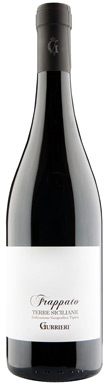
Gurrieri, Frappato, Terre Siciliane, Sicily, Italy, 2020
90
In Chiaramonte Gulfi, in the fertile Val di Noto set against the backdrop of the Iblei mountains, Vincenzo Gurrieri and his parents run this vineyard. Founded in 1997 on eight hectares of limestone soil at around 280m above sea level, it has been organically managed for more than a decade now and produces this Frappato with red berry and medicinal herb aromas, then a fresh, juicy palate with harmonious fruit, light tannins and a pleasingly savoury finish.
2020
GurrieriTerre Siciliane
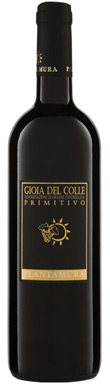
Plantamura, Etichetta Nera Contrada San Pietro Primitivo, Gioia del Colle, Puglia, Italy, 2020
92
A small family-run winery of 10 hectares on clay-limestone soil in the Gioia del Colle zone, with vines more than 20 years old, Mariangela Plantamura produces around 40,000 bottles under three different Gioia del Colle DOC Primitivo labels, all rigorously organic. For this particular wine she uses only steel. Intense and full-flavoured, it's ideal for Puglian street food. Floral notes, herbs, silky tannins and a dynamic, vibrant verve make it eminently quaffable.
2020
PlantamuraGioia del Colle
Istine, Chianti Classico, Tuscany, Italy, 2020
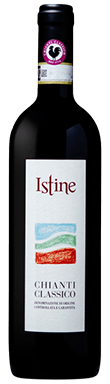

Istine's vineyards cover around 20 hectares between Radda in Chianti and Gaiole, at an average altitude of 500 metres on mainly rocky soil. Owner and...
2020
IstineChianti Classico

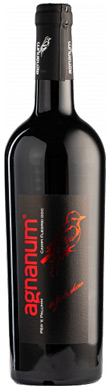
Agnanum, Piedirosso Pér ‘e Palummo, Campi Flegrei, Campania, Italy, 2020
92
This small family business has 11 hectares yielding 25,000 bottles, steered by the weathered hands of Raffaele Moccia. After everybody else left, Moccia stayed on, doggedly pursuing his heroic winemaking from centuries-old, pre-phylloxera vineyards on volcanic soil, perched high in the Campi Flegrei national park. Enjoy the fiery shimmer of this fresh and vibrant Piedirosso with medicinal herb and red fruit notes. Delicious and lively in the mouth, it has a quivering energy that makes for easy drinking.
2020
AgnanumCampi Flegrei
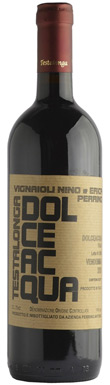
Antonio Perrino, Testalonga, Dolceacqua, Liguria, Italy, 2020
90
Nino' remembers well the history of Rossese di Dolceacqua (AKA Tibouren), as he was the first to produce it, on his two hectares of old vineyards. With 60 harvests under his belt, he possesses the wisdom of a true vigneron. Crafted with native yeasts and stalks, crushed barefoot and aged in old oak casks, this is proudly traditional, full, dynamic and mutable, with an exciting tanginess that entices you to drink on.
2020
Antonio PerrinoDolceacqua
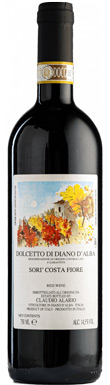
Claudio Alario, Sorì Costa Fiore, Dolcetto di Diano d'Alba, Piedmont, Italy, 2020
92
Claudio Alario manages this small family concern, founded in the 1900s, on 10 hectares. His earliest bottles were Dolcetto, a beloved but rather tricky grape (in the Langhe, they say it’s harder to make a good Dolcetto than a Barolo). Here, 50-year-old vines, meticulous nurturing and expertise all work their magic. Only steel is used for this wine, preserving its raspberry and redcurrant notes, with a refined tannic texture underpinned by a lingering fresh streak.
2020
Claudio AlarioDolcetto di Diano d'Alba
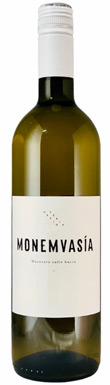
Nevio Scala, Monemvasía Malvasia Istriana, Veneto, Italy, 2019
87
This family-run winery, managed by Nevio Scala, owns almost 10 hectares in the Colli Euganei volcanic foothills. Organically certified since 2019, Scala preserves the biodiversity of the terroir. This wine undergoes light maceration, spending five days on the lees, and is aged in concrete vats for nine months. Scents of citrus, hawthorn, chamomile and yellow fruit are followed by a structured palate, well orchestrated by the gentle maceration; a strong character and a delicately salty finish.
2019
Nevio Scala
Noelia Ricci, Il Sangiovese, Romagna, Sangiovese Predappio, Emilia Romagna, Italy, 2020
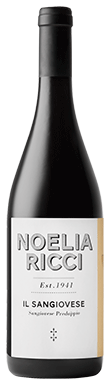
The Predappio zone is known for Sangiovese wines with depth and structure yet refined elegance too. Marco Cirese chose nine hectares of his best-suited, highest...
2020
Noelia RicciRomagna
Marotti Campi, Rubico, Lacrima di Morro d'Alba, Le Marche, Italy, 2020
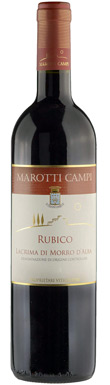
88
Lorenzo Marotti Campi’s family, winegrowers since the late-19th century, believed in this rare gem, a jewel of the region’s winemaking made from a grape that once faced extinction. The mixed clayey soil of Morro d’Alba is the perfect terroir for this variety. Its scents are evocative: wonderfully intense rose, cherry, bramble and citrus. Charming in its apparent simplicity, its succulent, balanced structure is pleasingly tannic and irresistible in the mouth.
2020
Marotti CampiLacrima di Morro d'Alba
Cantine Riccardi Reale, Collepazzo, Cesanese di Olevano Romano, Lazio, Italy, 2019
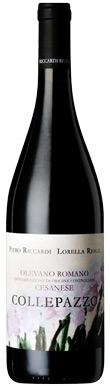
90
Cesanese is Lazio’s oldest indigenous red grape, completely unrelated to any other Italian variety - an utterly unique, mysterious little treasure that is carefully preserved in Italy. In 2010, seven-hectare Cantine Riccardi Reali was set up by a husband-and-wife team passionate about wine, organically managed using biodynamic techniques. From Colle Pazzo, at 300m on volcanic and sandstone soil, comes this multifaceted wine, fusing dynamism and fullness.
2019
Cantine Riccardi RealeCesanese di Olevano Romano
