
St-Emilion Grand Cru: 18 wines offering quality and value in Bordeaux
On the Right Bank, look to this category of often Merlot-based bottlings for approachable and affordable, early-drinking wines of character.


On the Right Bank, or eastern side, of the Dordogne river, St-Emilion is one of Bordeaux’s most famous appellations, yet also one of its most complex.
Too often it’s defined solely by its upper echelon of Grand Cru Classé wines – the top-rated St-Emilion estates declared in an official classification that’s revised every 10 years.
Freedom of expression
St-Emilion Grand Cru
Related articles


Château Soutard, Petit Soutard, St-Émilion, Grand Cru, Bordeaux, France, 2019
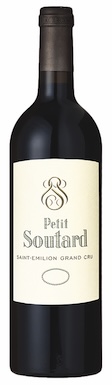

Petit Soutard is a Merlot-led blend that spent 12 months in oak. Fresh and finely textured, it shows blackcurrant, cherry and raspberry aromas with floral...
2019
Château SoutardSt-Emilion

Château Puy-Blanquet, St-Émilion, Grand Cru, Bordeaux, France, 2022
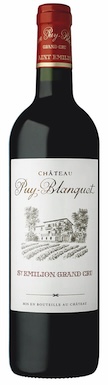
From a clay-limestone ridge in Saint-Étienne-de-Lisse, this Comte de Malet Roquefort (the family behind La Gaffelière) property delivers a vibrant, finely etched Saint-Émilion. Bright strawberry,...
2022
Château Puy-BlanquetSt-Emilion
Château Chauvin, Folie de Chauvin, St-Émilion, Grand Cru, Bordeaux, France, 2019
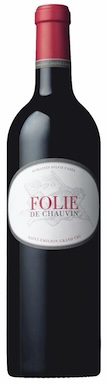
Folie de Chauvin is the second wine of Château Chauvin, made from younger vines but benefiting from the same meticulous vineyard and cellar work. Aromas...
2019
Château ChauvinSt-Emilion
Château La Gaffelière, Dame de Gaffelière, St-Émilion, Grand Cru, Bordeaux, France, 2020
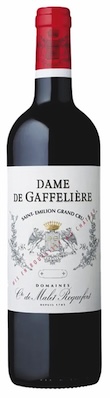
Sourced from lower-slope parcels and aged in 500L barrels, this Merlot-Cabernet Franc blend is soft, fresh and immediately appealing. Aromas of raspberry, red plum and...
2020
Château La GaffelièreSt-Emilion
Château de Pressac, Château Tour de Pressac, St-Émilion Grand Cru, Bordeaux, France, 2019
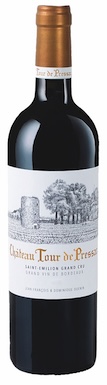
Owned by Jean-François Quénin, this clay-rich, terraced estate produces an expressive wine made with five Bordeaux varieties. The nose shows crushed cherry, wild strawberry and...
2019
Château de PressacSt-Emilion
Château Pipeau, St-Émilion, Grand Cru, Bordeaux, France, 2020
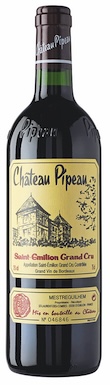
Founded in 1929 and still family-run by the Mestreguilhem family, Château Pipeau is a 25-hectare estate at the foothills of the Saint-Émilion plateau. The nose...
2020
Château PipeauSt-Emilion
Château Saintayme, St-Émilion, Grand Cru, Bordeaux, France, 2021
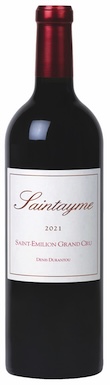
Owned by the Durantou family, this 100% Merlot from Saint-Étienne-de-Lisse is a confident success in the challenging 2021 vintage. Blue and black fruits on the...
2021
Château SaintaymeSt-Emilion
Château Le Comte Mallet, St-Émilion, Grand Cru, Bordeaux, France, 2022
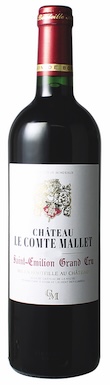
Owned by the Reynier-Mallet family, this small Saint-Hippolyte estate delivers a generous yet well-balanced 2022. Dark cherry, blackberry and mocha aromas lift from the glass,...
2022
Château Le Comte MalletSt-Emilion
Château La Dominique, Relais de la Dominique, St-Émilion, Grand Cru, Bordeaux, France, 2019
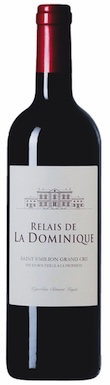
The second wine of Château La Dominique, owned by the Fayat family, this 100% Merlot is vinified in the estate’s Jean Nouvel-designed cellar. Spicy aromas...
2019
Château La DominiqueSt-Emilion
Château Montlabert, La Croix de Montlabert, St-Émilion, Grand Cru, Bordeaux, France, 2019
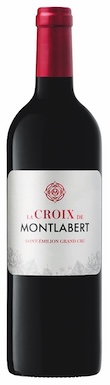
The second wine of Château Montlabert is sourced from clay-silt soils in Saint-Christophe-des-Bardes. Pale ruby, with fresh blackberry, cassis and cherry aromas lifted by violet,...
2019
Château MontlabertSt-Emilion
Château Franc La Rose, St-Émilion, Grand Cru, Bordeaux, France, 2019
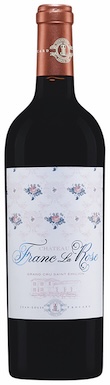
This Merlot-led blend shows smoky notes, complemented by nuances of blackberry, cassis and violet, with hints of saffron and liquorice. The palate is juicy, combining...
2019
Château Franc La RoseSt-Emilion
Château de Fonbel, St-Émilion, Grand Cru, Bordeaux, France, 2020
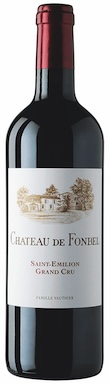
From the Vauthier family’s experimental vineyard, this vibrant Saint-Émilion blends Merlot with Cabernet Sauvignon and a touch of Carmenère. Bright cherry, currant and pepper lift...
2020
Château de FonbelSt-Emilion
Château Cantenac, St-Émilion, Grand Cru, Bordeaux, France, 2019
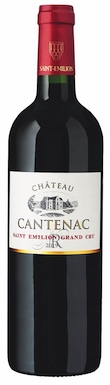
Made by the Roskam-Brunot family, this classical Saint-Émilion from sandy-gravel and clay soils offers ripe cassis, sour cherry and violet, lifted by sweet spice and...
2019
Château CantenacSt-Emilion
Château Coutet, St-Émilion, Grand Cru, Bordeaux, France, 2019
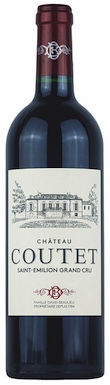
Organically farmed limestone vineyards and old vines of Merlot, Cabernet Franc and local Malbec (Pressac) shape this expressive Saint-Émilion. Ripe blackberry and dark cherry lead...
2019
Château CoutetSt-Emilion
Château d’Arcole, St-Émilion, Grand Cru, Bordeaux, France, 2019
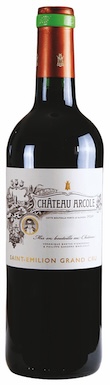
From a single organically farmed parcel, this Merlot-led Saint-Émilion offers an intense, smoky nose of tobacco and toast. The palate is juicy and opulent, with...
2019
Château d’ArcoleSt-Emilion
Château La Croix Meunier, St-Émilion, Grand Cru, Bordeaux, France, 2019
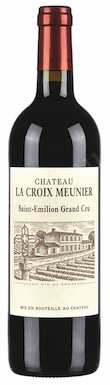
From old sandy soils near Figeac, this Merlot-dominant wine offers a generous nose of ripe, lightly confit fruit and sweet spice over a marked oak...
2019
Château La Croix MeunierSt-Emilion
Château Tour Peyronneau, St-Émilion, Grand Cru, Bordeaux, France, 2019
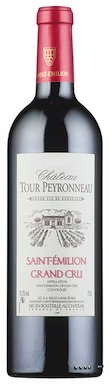
Made by Pierrick Lavau, this sulphur-free, 100% Merlot from Saint-Étienne-de-Lisse offers a pure, contemporary Saint-Émilion. The nose shows fresh blackberry, strawberry and a subtle tea...
2019
Château Tour PeyronneauSt-Emilion
Château Saint-Christophe, St-Émilion, Grand Cru, Bordeaux, France, 2020
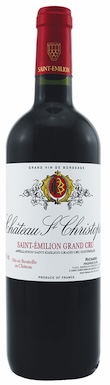
From the Saint-Christophe-des-Bardes plateau, this blend of Merlot and Cabernet Franc offers ripe red and confit-fruit notes, discreet vanilla oak, and hints of liquorice and...
2020
Château Saint-ChristopheSt-Emilion
