Perfect Pairing: Chicken with grapes, olives & sage
Featuring the two main fruit crops of the region, this excellent main dish from the heart of Tuscany will match well with a classic local white, a more adventurous skin-contact wine or a variety of reds.


For those of us who were fans of Russell Norman’s restaurants, his book Brutto has a particular poignancy. Sadly, he died shortly after its publication, but it remains the perfect tribute to both the man and his simple but always stylish cooking.
Norman was a passionate Italophile with an eye for design, which enabled him to recreate not only the food of a city or region (he’d written a similar book on Venice) but the authentic feel of its restaurants. Brutto, which is also the name of his most recent outpost in London’s Smithfield, is dedicated to the food of Florence, which is often as unlovely to look at as it is delicious to eat – hence the name, which means ‘ugly’. But the book – with its glorious photography throughout and open-stitch binding, which makes it possible to lay it out flat as you cook from it – is as beautiful as it’s practical.
Chicken with grapes, olives & sage
Recipe by Russell Norman
There is something quite satisfying about combining the two primary fruit crops of a region – grapes and olives in the case of Tuscany – and using them in the same dish. There’s a winning contrast between the sweetness of one and the brackish tang of the other. I think it looks more impressive to leave the grapes attached to the fine stems of the small bunches, but not if they’re too twiggy – if they are, pick the grapes off and discard the stems. Ask your butcher to cut the whole bird into eight roughly even pieces.
Serves 4
Preparation time 20 minutes
Cooking time 75 minutes
Ingredients
- extra virgin olive oil
- 1 small onion, finely sliced
- 1 small carrot, peeled and finely sliced
- 1 celery stalk, finely sliced
- 1 large free-range chicken, around 1.5kg, cut into 8 pieces
- flaky sea salt & black pepper
- a large bunch of small, sweet, seedless grapes
- a large handful of Taggiasca olives, pitted
- 2 cloves of garlic, peeled and cut in half lengthways
- a large handful of sage leaves
- 200ml white wine
Method
1. Preheat the oven to 180°C/350°F/gas 4. Heat several good glugs of olive oil in a very large, cast-iron, ovenproof casserole dish. Soften the onion, carrot and celery for about 10 minutes. Season the chicken pieces with salt and pepper and add to the pan. Cook for another 12-15 minutes until the chicken is nicely golden brown.
2. Reduce the heat and add the grapes, olives, garlic and sage leaves. Stir for a few minutes. Pour in two-thirds of the white wine and place the casserole dish uncovered in the oven for 30 minutes.
3. At the 30-minute point, check the contents and if still too wet, turn the oven up to 200°C/400°F/gas 6 for a further 10 minutes. Transfer the chicken, olives and grapes to a large serving dish with the garlic and sticky sage leaves and cover. Place the casserole dish on a high heat and deglaze the cooking juices with the rest of the white wine for a few minutes until reduced to a sticky sauce. Pour it over the chicken and serve.
Brutto: A (Simple) Florentine Cookbook, by Russell Norman (£32 Ebury Press), was published in November 2023

The wines to drink with chicken with grapes, olives & sage
By Fiona Beckett
A recipe that combines sweet (in the form of grapes) and bitter (olives and sage) isn’t perhaps the easiest to match. Normally I’d say go with the wine that’s used in the recipe which, being Florentine, could be a Vernaccia di San Gimignano, and that would certainly work – but I’m instinctively rooting for a red, as Russell is too, by the looks of the glasses in the shot. Given the grapes, a Chianti might be a little austere and a Brunello too serious for a light, almost summery dish, but I think a fruitier modern Tuscan red from the Maremma would work, as would Brunello’s baby brother, a Rosso di Montalcino. If you’re not too anxious about authenticity you could head further north in Italy for your wine pairing (a not-too-sweet Valpolicella ripasso would hit the spot) or further south: a fruity Sicilian red would be delicious, too. Or for a slightly more left-field option try an orange wine, which should play well with the bitter notes of the sage and olives.
Wines selected by our Decanter experts
Related articles
- Perfect Pairing: Fromage fort
- Perfect Pairing: Cinnamon, cardamom & white pepper rice pudding
- Perfect Pairing: 40-cloves-of-garlic chicken
Vincent Gross, Gold R, Alsace, France, 2020
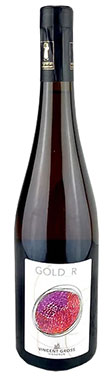

A gorgeous coppery orange in the glass, this is an expressive wine, a blend of Riesling, Gewurztraminer and Muscat, that has seen 28 days of skin maceration. It's a floral expression on the nose, unfolding onto marmalade, candied lemon peel, orange blossom and heady incense. On the palate it's concentrated, like distilled oranges or orange liqueur. A deep and flavoursome wine with a structured and textured mouthfeel. Drinking this is an immersive experience, one to savour. This could be decanted to really open up its aromatic complexity. From vines within the Grand Cru Goldert.
2020
Vincent Gross

Baroni di Pianogrillo, Frappato, Terre Siciliane, Sicily, Italy, 2022
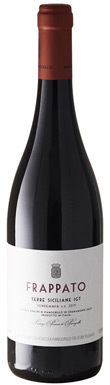
Fermented in stainless steel and aged in 25hl oak casks, this textbook Frappato displays a transparent ruby colour anticipating delicate aromas of sweet raspberries, rose petals, oregano and white pepper. Easygoing and fruit-forward, with hints of iodine underpinning the slightly candied red fruits, it is close to Gamay in terms of brightness and lightness, finishing with moreish lemon zest and spicy herb flavours.
2022
Baroni di PianogrilloTerre Siciliane
