Discover Perricone: An indigenous red variety from Sicily, with eight wines to try
Once rare and perhaps endangered, Perricone is making a comeback, says Clive Pursehouse, who charts the long history of this grape variety from Western Sicily and recommends wines to seek out.


Perricone is one of more than 70 indigenous grape varieties in Sicily, according to the Consorzio di Tutela Vini DOC Sicilia, where wine cultivation has ancient roots.
Over the centuries, the island has been a hot potato of sorts for various invaders and rulers. From the arrival of the Phoenicians on its western shores in around 1100BC to the Greeks, Romans, Hapsburgs and even the Bourbons.
Sicilian viticulture may predate the Phoenicians; the island’s original tribal people, Sicani and their contemporaries, are thought to have produced wine as early as 6,000 years ago. A 2017 archaeological discovery by the University of South Florida found evidence of wine grape production near Agrigento.
Scroll down to see tasting notes and scores for eight Perricone wines to try
The Phoenicians and Greeks both brought advanced approaches to viticulture and oenology to the island. They spread wine-making from the early population centres near modern-day Trapani and Palermo to the rest of Sicily. Under Greek and Roman rule, Sicily’s modern reputation as a producer of renowned food and wine developed.
Perricone and its ancient roots
The grape Perricone is believed to have been brought to Sicily by the Greeks. It first appears in literature in 1735, in the book Il Podere Fruttifero e Dilettevole (‘The Fruitful and Delightful Farm’). The book is an instructive agricultural manual by the nobleman and dedicated agriculturalist Baron Filippo Nicosia.
Perricone has been known by various names depending on the region and the era in Sicily. Aliases include Niuri, Pirricuni and Tuccarino. In Trapani, it is called Pignatello or in the Sicilian language, ‘pignatidare’, so-called for the clay soils and the terracotta pots made from them.
In the rural centre of Sicily, the grape is called Guarnaccia, and it may have ties to the grape grown on the island of Ischia near Naples, known as Guarnaccia Nera.

Changing fortunes
British maritime merchant John Woodhouse accidentally discovered Marsala in 1773, and upon fortifying it for his return to the UK, its popularity exploded, so much so that Woodhouse would return to Marsala and set up a winery. Eventually, he made a fortune.
Perricone was the key grape used in the production of Marsala Rubino and, as such, was cultivated widely in the vineyards around Marsala Trapani and Palermo. Perricone contributed an intensity of aromas to the red style of Marsala, and its significant tannins lent themselves to the long ageing the wines would undergo.
Yet, the variety fell into obscurity for two primary reasons. It proved to be particularly susceptible to phylloxera. When the formidable, yellow louse finally arrived on Sicily’s shores in 1879, the 1,000 hectares of Perricone vines planted on the island at the time were decimated.
The reduction in consumption of Marsala Rubino exacerbated Perricone’s fall. As the style fell out of favour, the challenging grape’s vines became less valuable to wine growers in western Sicily. Perricone’s challenges include ripening late, opening it up to disease pressure, and the grape’s significant tannins, which means it is often not approachable as a young wine.
With an opportunity to start over, many growers opted for the more popular Nero d’Avola. It is a wine enjoyed all over Sicily and the world for its youthful, fruity characteristics. As an early flowering variety, Nero ripens easily, irrespective of vintage.
A Perricone revival
As Sicilian wine has experienced a renaissance centred around its indigenous varieties, winegrowers around Trapani have redoubled their dedication to this historic varietal. Perricone is made as a varietal wine and as part of a blend in several DOCs. The broader Sicilia DOC and the DOCs of Eloro, Delia Nivolelli, Contea di Sclafani, and Monreale DOC all produce varietal Perricone.
Varietal Perricone is typically required to be 80-85% of the final wine, depending on the DOC, and there are regulations around tonnes per hectare that govern quality.
‘Firriato was one of the earliest wineries to begin recommitting to Perricone. We began in 1983 with a massale selection of the variety. At the time, you could say the variety was fairly endangered with only about 90ha of vines remaining,’ says Federico Lombardo at Firriato.
At Tenuta Regaleali, Tasca d’Almerita has grown Perricone since 1959, where local growers call it Guarnaccio. The winery has made a Perricone and Nero d’Avola blend since 1970.

Taming the tannins
‘The varietal is slow to ripen, and the tannins tend to remain green. Often creating wines that can be excessively astringent,’ says Fabio Sireci, owner of Feudo Montoni. This is an element that historically the local farmers often did not always know how to manage.’
‘To soften the characteristic green tannins and create a velvety wine, a process which commences in the vineyard before unfolding in the cellar. We wait patiently for the grapes to mature, harvesting them in late October. The grapes communicate when they’re ready by transforming the bitter taste of the green pits into a pleasant, nutty taste.’
Lombardo, of Firriato‘, adds, ‘We grow Perricone in a zone close to Trapani, in the inland countryside. Here, precipitation is lower than average, with soils containing more than 70% clay. We use “hydro-stress-controlled viticulture”, meaning we strive to control the plant’s vigour, specifically the amount of tannin.’
With a renewed focus on viticulture, Sicilian wine growers are seeking to take the heritage variety to new heights.
As more varietal Perricone becomes available, wine lovers will find a robust red wine that gains in sophistication with age and offers alternatives to Sicily’s more established indigenous varieties. Perricone further tells the story of Sicilian wine’s heritage, diversity and range.
Clive Pursehouse is Decanter’s US editor.
Eight Perricone wines to try:
Related articles
Indigenous Italy: Classic wines with regional flair
Picpoul de Pinet: 10th anniversary and 10 wines to try
Researchers in Peru identify six unique new grape varieties
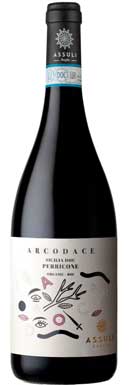
Assuli Fiordispina, Arcodace Perricone, Sicilia, Sicily, Italy, 2018
90
Juicy red and black fruits are the hallmark of this Perricone from the surroundings of Trapani. Aromas of blackberry compote, ripe black plums and cinnamon spice. The palate shows more freshness than the dark aromatics might lead you to believe. Savoury garrigue, soy and spicy black fruits are balanced against a freshness of red fruit and a finish marked by fresh mint.
2018
Assuli FiordispinaSicilia
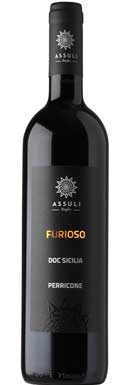
Assuli Fiordispina, Furioso Perricone, Sicilia, Sicily, Italy, 2018
91
A rich, opulent example of Perricone with ripe black fruits, wet, tilled earth and cocoa powder marking the aromatics. The palate is velveteen, marked with a rich concentration of fruit, Damson plums, chocolate-covered cherry and mocha powder, giving way to soy, smoked meat and bay leaf flavours. A tasty, luxurious Perricone that shows the variety's stand-alone capacity.
2018
Assuli FiordispinaSicilia
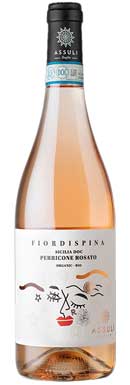
Assuli Fiordispina, Perricone Rosato, Sicilia, Sicily, Italy, 2021
88
A bright take on the Perricone grape with effusive citrus aromatics. Notes of sweet blood orange and ripe mandarin lean towards a touch of seaspray minerality. The palate is light and lively; fresh-cut watermelon, juicy oranges and hints of wet slate lead into the more savoury and lengthy finish.
2021
Assuli FiordispinaSicilia
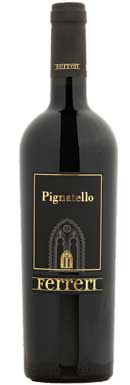
Ferreri, Pignatello, Sicilia, Sicily, Italy, 2020
90
A wonderfully juicy wine loaded with aromas of pencil lead, pine bough and cedar sap alongside bright red raspberry fruits. The palate is lively and fresh, marked by evergreen tips, sappy blackberry and savoury Mediterranean scrub that takes you into its bright and savoury finish.
2020
FerreriSicilia
Ferreri, Pignatello Rosé, Sicilia, Sicily, Italy, 2022
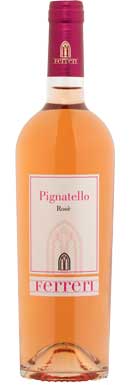
89
A wonderful rosé from the indigenous Perricone or Pignatello grape. Bright and floral with wild strawberry blossoms and wild roses, followed on by sweet melon notes. The palate is fruit-forward but offers plenty of structure and savoury character to pair with food. Wild strawberries, hints of blood orange and grapefruit pith veer into streaks of wet slate to finish.
2022
FerreriSicilia
Feudo Montoni, Perricone Core, Sicilia, Sicily, Italy, 2020
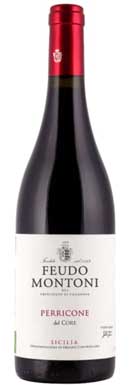
91
From 40-year-old vines in the cru that Feudo Montoni calls ‘Core’ Sicilian for heart, in a heart-shaped block in the vineyard grown at 500m. Aromas of tobacco, dusty cherries and bay leaf mark this wine of depth and complexity. The palate is spicy, a true signature of the grape, as this wine was done almost entirely in concrete vessels. A touch of briny minerality lends itself to sea salt and dark chocolate flavours—a tightly wound core of black fruits draped in minerality and showing ample structure and ageability.
2020
Feudo MontoniSicilia
Firriato, Ribeca, Sicilia, Sicily, Italy, 2018
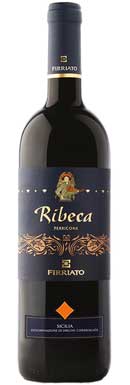
91
From the hillsides in the rustic countryside outside of Trapani, Firriato cultivates its own clonal selection of Perricone. Their contribution to the renaissance of this once nearly lost variety. The wine's aromas of bay leaf are framed alongside sweet black plums, mocha powder, baked cherry and hints of smoky frankincense. Dark ripe fruits and savoury spice drive the palate forward. A sense of elegance tames the variety's rusticity, with flavours of sweet black plum and hints of rusticity are tamed by a sense of elegance. The wine finishes with bright red berries and warm barrel spice.
2018
FirriatoSicilia
Tasca d'Almerita, Guarnaccio, Sicilia, Sicily, Italy, 2021
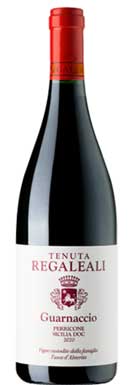
92
An utterly delicious bottling of this Sicilian classic from Tenuta Regaleali's historic San Lucio vineyards, old vines were used to replant this variety in 2011. The wine is undeniably balanced; aromatics of smoked cedar plank are backed by baking chocolate and dusty cherries. The palate is lush, with chocolate-covered red berries bringing both bright freshness and broad, mouth-filling richness. Espresso bean and mocha notes, alongside bay leaf and savoury Mediterranean scrub.
2021
Tasca d'AlmeritaSicilia
Assuli Fiordispina, Arcodace Perricone, Sicilia, Sicily, Italy, 2018
90
Juicy red and black fruits are the hallmark of this Perricone from the surroundings of Trapani. Aromas of blackberry compote, ripe black plums and cinnamon spice. The palate shows more freshness than the dark aromatics might lead you to believe. Savoury garrigue, soy and spicy black fruits are balanced against a freshness of red fruit and a finish marked by fresh mint.
2018
Assuli FiordispinaSicilia
Assuli Fiordispina, Furioso Perricone, Sicilia, Sicily, Italy, 2018
91
A rich, opulent example of Perricone with ripe black fruits, wet, tilled earth and cocoa powder marking the aromatics. The palate is velveteen, marked with a rich concentration of fruit, Damson plums, chocolate-covered cherry and mocha powder, giving way to soy, smoked meat and bay leaf flavours. A tasty, luxurious Perricone that shows the variety's stand-alone capacity.
2018
Assuli FiordispinaSicilia
Assuli Fiordispina, Perricone Rosato, Sicilia, Sicily, Italy, 2021
88
A bright take on the Perricone grape with effusive citrus aromatics. Notes of sweet blood orange and ripe mandarin lean towards a touch of seaspray minerality. The palate is light and lively; fresh-cut watermelon, juicy oranges and hints of wet slate lead into the more savoury and lengthy finish.
2021
Assuli FiordispinaSicilia
Ferreri, Pignatello, Sicilia, Sicily, Italy, 2020
90
A wonderfully juicy wine loaded with aromas of pencil lead, pine bough and cedar sap alongside bright red raspberry fruits. The palate is lively and fresh, marked by evergreen tips, sappy blackberry and savoury Mediterranean scrub that takes you into its bright and savoury finish.
2020
FerreriSicilia
Ferreri, Pignatello Rosé, Sicilia, Sicily, Italy, 2022
89
A wonderful rosé from the indigenous Perricone or Pignatello grape. Bright and floral with wild strawberry blossoms and wild roses, followed on by sweet melon notes. The palate is fruit-forward but offers plenty of structure and savoury character to pair with food. Wild strawberries, hints of blood orange and grapefruit pith veer into streaks of wet slate to finish.
2022
FerreriSicilia
Feudo Montoni, Perricone Core, Sicilia, Sicily, Italy, 2020
91
From 40-year-old vines in the cru that Feudo Montoni calls ‘Core’ Sicilian for heart, in a heart-shaped block in the vineyard grown at 500m. Aromas of tobacco, dusty cherries and bay leaf mark this wine of depth and complexity. The palate is spicy, a true signature of the grape, as this wine was done almost entirely in concrete vessels. A touch of briny minerality lends itself to sea salt and dark chocolate flavours—a tightly wound core of black fruits draped in minerality and showing ample structure and ageability.
2020
Feudo MontoniSicilia
Firriato, Ribeca, Sicilia, Sicily, Italy, 2018
91
From the hillsides in the rustic countryside outside of Trapani, Firriato cultivates its own clonal selection of Perricone. Their contribution to the renaissance of this once nearly lost variety. The wine's aromas of bay leaf are framed alongside sweet black plums, mocha powder, baked cherry and hints of smoky frankincense. Dark ripe fruits and savoury spice drive the palate forward. A sense of elegance tames the variety's rusticity, with flavours of sweet black plum and hints of rusticity are tamed by a sense of elegance. The wine finishes with bright red berries and warm barrel spice.
2018
FirriatoSicilia
Tasca d'Almerita, Guarnaccio, Sicilia, Sicily, Italy, 2021
92
An utterly delicious bottling of this Sicilian classic from Tenuta Regaleali's historic San Lucio vineyards, old vines were used to replant this variety in 2011. The wine is undeniably balanced; aromatics of smoked cedar plank are backed by baking chocolate and dusty cherries. The palate is lush, with chocolate-covered red berries bringing both bright freshness and broad, mouth-filling richness. Espresso bean and mocha notes, alongside bay leaf and savoury Mediterranean scrub.
2021
Tasca d'AlmeritaSicilia
