
Sparkling wine made in the Limoux region of south-west France dates back to the Roman times with some claiming the appellation produced the country’s first sparkling white wine long before the Champagne region found critical acclaim.
Scroll down for 8 sparkling Limoux wine tasting notes and scores
The region of Limoux is situated in the eastern foothills of the Pyrenees mountains with classified vineyards in the Aude département. Strong winds and unique topography shape the wine styles with Mediterranean and Atlantic influences creating ideal conditions for the slow, even ripening of the region’s white wine grapes.
Despite its Languedoc location, it is cooler and wetter than most other wine regions in southern France and vineyard plantings optimally planted at altitude on mountain slopes further benefit the growing conditions producing light wines with freshness and finesse.
While the region produces still white and red wines under the Limoux AOC classification it is dominated by sparkling wine production under the appellation titles; Blanquette de Limoux, established in 1938, Méthode Ancestrale and Crémant de Limoux, established in 1990.
Blanquette de Limoux
Blanquette de Limoux is the most traditional and distinctive style comprised mainly from the local grape variety Mauzac which offers aromas of freshly cut grass, tangy apple peel some liken to apple cider flavours. While these wines can be a blend of three grape varieties, at least 90% must be Mauzac with the balance made up of Chardonnay and Chenin Blanc. Locally the grape Mauzac is known as Blanquette and translates as ‘small white’ in the local Occitan language.
A lower-alcohol, sweeter sparkling is also produced called Blanquette Méthode Ancestrale and made from 100% Mauzac. These wines are not disgorged so appear cloudy with particles of sediment or dead yeast present in the wine.
Crémant de Limoux
Crémant de Limoux is a separate, more international style with Chardonnay and Chenin Blanc as the main varieties and Mauzac and Pinot Noir used as accessory grapes.
Interestingly Limoux has some of the oldest, and most sought-after Chardonnay vines in the south of France giving these wines richness and complexity.
Depending on the dominant variety producers have a range of options for the final blend, therefore Crémant de Limoux can contain minimum and maximum amounts of Chardonnay 40-70%, Chenin Blanc 20-40%, Mauzac 0-20% and Pinot Noir 0-10%.
Crémant as a term was introduced for non-Champagne sparkling wines in France and Limoux produces some of the best quality and value in the country with most bottles retailing for between £9.50/$12.50 – £15/$18.
Limoux Co-operatives
Like many wine regions in France, Limoux is dominated by a power co-operative which operates under the brand names Aimery and Sieur d’Argues. It comprises more than 200 wine growers and produces 63% of the region’s sparkling wines – a total of 6.5million bottles a year, many finding their wine into supermarkets.
Despite more than 2,000ha of vines, grapes are hand-picked and quality control is monitored at every step. For instance, when producing the Tesco Finest 1531 Blanquette De Limoux, the wines are kept on their lees for 12 months before disgorging, three months more than the minimum, to improve the quality and the finesse of the bubble.
This light wine is perfect as an apéritif with fresh floral and green apple flavours whereas the Cuvée Royale Brut Crémant de Limoux and Grande Cuvée 1531 Crémant de Limoux NV are ideal to pair with food as the Chardonnay content gives the wines more structure, body and power.
There are also rosé crémant options – one of the fastest-growing market categories for Sieur d’Arques, seeing a 30% increase in sales year-on-year, said export manager Emile Geli.
‘The category is really booming. We used to sell only between April and September but now we’re seeing demand all throughout the year, January right through to December. They are great as apéritifs but also work well with food.’
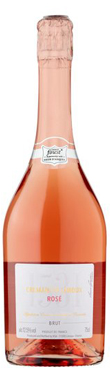
They produce a rosé for the Tesco Finest range which is blended after pressing and kept for 12 months on its lees. Made with 60% Chardonnay, 20% Chenin Blanc and 20% Pinot Noir grapes with 7-8g of residual sugar, it is clean and dry offering crisp raspberry and strawberry flavours with delicate bubbles.
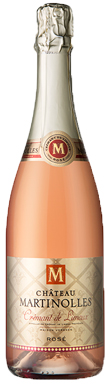
Another Crémant de Limoux Rosé comes from Languedoc producer Paul Mas – the Château Martinolles NV is made with 70% Chardonnay, 20% Chenin Blanc and 10% Pinot Noir and is aged for between 12-18 months in bottle for the second fermentation which gives structure explained winemaker Bastien Lalauze.
‘We have flavours of wild berries and strawberries with a low pH of 3 giving a nice acidity, with roundness and complexity coming from the ageing. We also adjust the temperature of the ageing cellar to ensure the wines have tiny but persistent bubbles in the resulting wines’, he said. This wine retails for around £10/$13 making it a great-value sparkling wine option.
See 8 sparkling Limoux wine tasting notes and scores
You may also like
Traditional Method Italian sparkling wines: Panel tasting resultsChampagne vs Crémant sparkling wine: What’s the difference?Best sparkling wines under £20
Château Martinolles, Rosé, Crémant de Limoux, Languedoc-Roussillon, France
91
A really lively palate with intense small bubbles that fill the mouth straight away and leaves a lovely vibrant taste on the tongue. It has precise and linear acidity with strawberry and raspberry flavours and a biscuity autolytic note. Elegant and finessed flavour with depth that just keeps going and going.
Château MartinollesCrémant de Limoux
Tesco, Finest Rosé, Crémant de Limoux, Languedoc-Roussillon, France, 2017
90
Created in partnership with wine producer co-operative Sieur d’Arques in the Languedoc, this is a light and refreshing rosé here with lively flavors of bright raspberry and strawberry. Made from Chardonnay, Chenin Blanc and Pinot Noir, the wine is light enough to be lively and uplifting but has depth and added complexity from extended lees ageing.
2017
TescoCrémant de Limoux
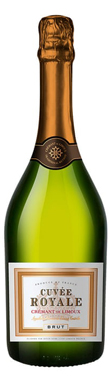
Sieur d'Arques, Cuvée Royale Brut, Crémant de Limoux, Languedoc-Roussillon, France
91
A more structured, rounded sparkling here and a definite pick for great quality and value. It has lovely fine bubbles with flavours of honey, buttery lemon and crisp green apples. It has real depth of flavour and a long lasting finish. Serve alongside rich langoustine or lobster dishes for a uplifting pairing. A great, affordable Champagne alternative.
Sieur d'ArquesCrémant de Limoux
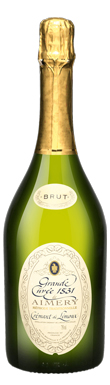
Sieur d'Arques, Grande Cuvée 1531 de Aimery, Crémant de Limoux, Languedoc-Roussillon, France
90
A delicious sparkling here offering delicate bubbles, zesty mouthwatering acidity and a hint of sweetness. It has notes of elderflower, acacia honey and soft toasted hazelnut as well as flavours of green apple and citrus fruits. This would definitely be a great apéritif wine but as it has a gourmet feel it would work excellently with food and pair well with salmon, prawns or any fresh fish dishes.
Sieur d'ArquesCrémant de Limoux
Tesco, Finest 1531, Blanquette de Limoux, Languedoc-Roussillon, France, 2018
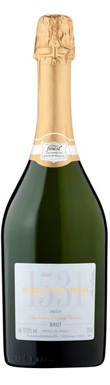
91
Lovely floral notes on the nose, delicate but inviting. The palate is light and fresh with flavours of crisp green apple and peach flesh. It has a lovely soft acidity and mouthfeel, with small bubbles on the palate and a long, lingering finish. This would work brilliantly as an apéritif, definitely light enough to drink on its own and great value at less than £10. One worth seeking out! Made in the same way as Champagne from local grape Mauzac with Chardonnay and Chenin grapes that are blended and aged in bottle longer than legally necessary for 12 months.
2018
TescoBlanquette de Limoux
Roche Lacour, Crémant de Limoux, Languedoc-Roussillon, France, 2018
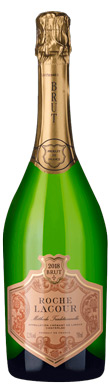
90
Limoux is known for producing Chardonnay with plenty of zing thanks to its elevated altitude, and here the variety is combined with Pinot Noir and Chenin Blanc in a traditional-method cremant. Half of the wine is aged in oak, and the result is a sparkling wine with aromas of preserved lemon and mushroom followed in the mouth by an infusion of lemony herbs and subtle background notes of juicy red fruits and apple. It finishes with a hint of sweetness. Delicious!
2018
Roche LacourCrémant de Limoux
Domaine J Laurens, Le Moulin Brut, Blanquette de Limoux, Languedoc-Roussillon, France
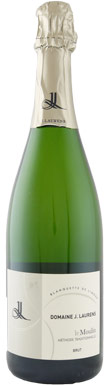
90
Bruised red apple notes underlying some delicate floral hints. Soft, grassy and approachable, leading to a strong finish. Shows lots of character.
Domaine J LaurensBlanquette de Limoux
Domaine J Laurens, Les Graimenous Brut, Crémant de Limoux, Languedoc-Roussillon, France, 2016

Rich, generous and full-bodied with a seam of elegant acidity in support, and a touch of honey and fig as a backdrop.
2016
Domaine J LaurensCrémant de Limoux
