Affordable Rioja £10-£20: Panel tasting results
With plenty of high scores and notably consistent quality, Rioja can certainly perform at this price point. But recent changes in the region can mean confusion for wine lovers...


Sarah Jane Evans MW, Simon Field MW and Pierre Mansour tasted 183 wines with two outstanding, 53 highly recommended and four faulty.
Entry criteria: Producers and UK agents were invited to submit red Riojas priced at £10-£20 in the UK, from any category of ageing
The verdict
Rioja delivers in the £10-£20 price range. This tasting proved the point with its significant number of Highly Recommended and Recommended wines (53 and 109 respectively). ‘Overall I was really quite impressed,’ noted Pierre Mansour. ‘To me, a lot of these wines tasted like they were worth more than £20,’ added an equally approving Simon Field MW.
Numerous highlights were identified. ‘The young wines were fresh, very appealing, with lovely cherry juice flavours – just the kind of thing you want by the glass,’ said Sarah Jane Evans MW. ‘And all the way through, the handling of oak was really very good.’
Scroll down to see top wine tasting notes & scores
The 2016 vintage came in for particular praise. ‘It was the vintage we had the most of [followed by 2015] – and it came through really strongly,’ commented Mansour. ‘It’s looking like a lovely, appealing vintage and a good vintage overall for Rioja.’
‘Rioja drinkers will be getting seriously good wines of real complexity’ – Pierre Mansour
Before you rush out to stock up, there is a caveat, however. This price category encompasses a wide range of styles, from ‘genérico’ wines to crianzas, reservas and even gran reservas – and the judges noted that it isn’t always easy to work out exactly what you’re buying.
‘The first question is, what’s the difference between a genérico – a general wine that has a vintage on it – and a crianza?’ asked Evans. ‘For example, we had a 2016 genérico and a 2016 crianza and a 2016 reserva.’
‘In the genérico category alone there was quite a variety of quality from very honest, fruity, appealing, easy-drinking wines to some very extravagant styles,’ added Mansour.
‘There was a confusing range of vintages, styles and oaking,’ continued Evans. ‘There’s no way of knowing, for example, what is oaked or unoaked. So where do you go as a customer? What do you do?’
Mansour offered an answer. ‘My advice is to follow the producer. Find a producer whose wines you like, because normally their style comes across throughout their range, whether it’s a genérico wine, a crianza, a reserva or a gran reserva.’
In addition the judges noticed broader shifts in style, reflecting the wider developments that are happening across the region – be that a focus on single-vineyard bottlings or changes in winemaking styles.
‘Brand Rioja is subtly moving – changing its identity a little bit,’ said Field. ‘There were some classic, traditional Riojas that did well in this tasting. But I think Rioja is at a crossroads, because it’s trying to move away from the way it has traditionally been defined, by age, into trying more and more to define itself by place. And therefore, the question is: is there a definitive Rioja style?’ That question is not an easy one to answer at the moment. However the judges were encouraged rather than deterred by evidence of this tasting.
‘Rioja producers should be applauded because this is a region that has the weight of heritage, legacy and history on it,’ commented Mansour. ‘And yet, what we saw were some really incredibly interesting and innovative approaches to making wine, whether it’s to reflect the vineyard or the winemaking.’
This innovation translates into good news for Rioja drinkers. ‘Given that all of these wines are under £20, drinkers will be getting seriously good wines of real complexity, real interest and distinct typicity for a price that’s relatively unbeatable around the world in terms of the quality they offer,’ he concluded.
Discussion copy by Julie Sheppard.
See all wines from the panel tasting here
The scores
183 wines tasted
Exceptional 0
Outstanding 2
Highly Recommended 13
Recommended 109
Commended 12
Fair 3
Poor 0
Faulty 4
About Rioja
It’s a time of change for Spain’s most famous wine region, as a new focus on terroir and different winemaking practices open the door to new styles. Sarah Jane Evans MW assesses the impact…
Look at the map of Rioja and you could be in Burgundy, more or less. Turn Rioja 90 degrees and it shares a similar shape, measuring 100km by 40km. There’s the influence of the rivers – the Ebro, in Rioja’s case. Mountains – to Rioja’s north, the Sierra de Cantabria, and to the south, the Sierra de la Demanda – give slopes and various aspects. Burgundy runs north-south and Rioja almost east-west, but the two share immense diversity.
Where they differ significantly is in blending. Traditionally Rioja has been more like Bordeaux, blending across the region, both varieties and vineyards. So while Tempranillo is king in Rioja, it is often blended with Garnacha, Graciano and Mazuelo. There are some distinguished single-varietal Garnachas and Gracianos, but they are rare indeed.
Shift of emphasis
Only recently has Rioja bowed to the demand to identify single vineyards. It’s a great leap forward, letting consumers easily discover where a wine comes from and associate the wine with its landscape. This emphasis on origin also offers a chance to talk about terroir. Originally the Rioja map was drawn with an eye to provincial boundaries. But within the DOCa sub-regions of Rioja Alta, Rioja Alavesa and Rioja Oriental, the soils are very varied, a mix of iron-rich clay, calcareous clay and alluvial. Add in varied aspects and altitudes, and Rioja has potential for great diversity far beyond its administrative divides.
Rioja: The facts
Vineyard area: 65,326ha (Rioja Alta 27,347ha, Rioja Oriental 24,590ha, Rioja Alavesa 13,389ha)
Grapes: Red – Tempranillo (79.7% of total vineyard), Garnacha (6.9%), Graciano (2%), Mazuelo (1.9%), Maturana Tinta (0.3%)
Growers: 14,800 (8,514 independent, 6,286 belong to cooperatives)
Production: 336 million litres
(Source: Consejo Regulador de la DOCa Rioja, 2018)
Aging requirements(for reds, prior to changes taking effect from 2019 vintage)
Joven: No ageing specified, but generally under 15 months with no or little time in oak
Crianza: Must be kept at least two years at the winery, with a minimum of one year in small oak barrels
Reserva: Minimum one year in barrel then at least six months in bottle, to a total of at least three years
Gran Reserva: A total of 60 months, with minimum two years in barrel and two years in bottle.
Rioja: Know your vintages
2019: Some very good wines, more difficult for young vineyards. Selection necessary.
2018: A complex year, with a cold, humid spring, then rain and hail in summer, with the risk of downy mildew and a long, late harvest. Needed much work in sorting and selection. Overall, wines with slightly lower alcohols.
2017: A very difficult year, with April frosts that swept northern Europe, followed by drought. One of the earliest vintages on record.
2016: The largest harvest since 2005. Good quality overall: well-balanced, approachable wines with good freshness. Some classic Riojas.
2015: A short, early harvest with good concentration. This year was the first follow-on to the top-quality 2010, with any charming, pretty wines.
2014: Better than 2013, though there was some rot at the end of the harvest.
The last two decades have seen significant changes in winemaking, with producers moving away from regulation ageing in 225-litre barrels, usually American oak, to vats ranging from 300L to 2,000L (or more) and in many cases, French oak. For those who choose not to use the formal ageing categories and instead classify their wines as ‘genérico’ by vintage (from 2019 the new Genérico category will cover all wines with no specified ageing requirements and will also include what was formerly Joven, young unoaked wines), there is plenty of room to experiment, using not just large vats, but concrete of all shapes, or even clay amphorae.
‘To me, a lot of these wines tasted like they were worth more than £20’ – Simon Field MW
Rioja is the best-known wine region in Spain and is a successful, recognisable brand. What brands have is the comfort factor. The uncomfortable grit in the oyster is this: as consumers we demand ‘affordable wines’, but should the most famous wine region in Spain be selling itself cheap – and is it even sustainable?
Top Rioja £10 – £20: Top scorers
See all wines from the panel tasting here
The judges
Sarah Jane Evans MW
Evans is an awarded journalist, author and broadcaster in food and wine, with a particular interest in Spain. A Master of Wine since 2006, she is a Co-Chair of the Decanter World Wine Awards, a member of Spain’s Gran Orden de Caballeros del Vino, and author of The Wines of Northern Spain (Infinite Ideas, May 2018).
Simon Field MW
Field is a wine industry consultant, having been a buyer for Berry Bros & Rudd for more than 20 years, responsible for its Spanish and fortified ranges among others. He has been a Decanter World Wine Awards judge since 2005, and in 2015 was admitted as a member of the Gran Orden de Caballeros del Vino.
Pierre Mansour
Mansour is head of buying at The Wine Society. He started in the wine trade at the Antique Wine Company in 1995, followed by four years with Berry Bros & Rudd. Joining The Wine Society in 2000, he took on the role of buyer in 2004, and has been buying The Society’s Spanish wines since 2008.
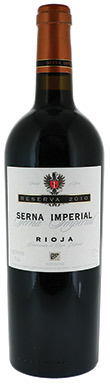
Escudero, Serna Imperial Reserva, Rioja, Northern Spain, Spain, 2010
95
The Escudero family started making wine in 1852 and, four generations on, it is still very much a family business. They own a total of 150ha of vineyards, of which 120ha are located on the southern slopes of the Monte Yerga mountain range, where the grapes for this wine are produced. The vines are grown at between 450m-800m above sea level and are approximately 40 years old. Predominantly made from Tempranillo blended with Mazuelo and Garnacha, this reserva was aged for 14 months in five-year-old American oak barrels followed by a further 28 months in bottle. Sarah Jane Evans: Supple, juicy, well-balanced, fully rounded. A lovely vintage and a great wine. Simon Field: A broad and generous mouthfeel, the tannic grip still persuasive, but acidity is wrapped around the black fruit core with subtle conviction. Pierre Mansour: Liquorice and dark fruit, compact, quite complex, framed by muscular tannins, underlying depth that unfurls in the glass, and really good length.
2010
EscuderoRioja
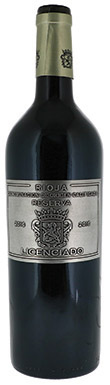
Burgo Viejo, Licenciado Reserva, Rioja, Baja, Northern Spain, Spain, 2016
95
Bodegas Burgo Viejo is the property of six farming families and comprises more than 200ha of vineyards in the Rioja Oriental region, from where the more full-bodied styles of Rioja are produced (see ‘Regional Profile’, p42). Historically, the bodegas sold their high-quality grapes to neighbouring wineries, until the arrival of the young winemaker Gorka Etxebarria, who saw the potential for them to produce excellent wines themselves. Tempranillo is a firm favourite for this producer, despite Garnacha being the most widely planted grape in the area, and they certainly make a success of it, going by the many accolades they have received over the years. Sarah Jane Evans MW: Distinctly pure, vivid reserva, precise style: limpid fruit, brisk acidity, notable but well balanced oak. Classic. Simon Field MW: Intense colour, powerful aromas of tar and blue fruit; minty savoury, rich, lifted and long; an impressive reserva statement of intent. Pierre Mansour: Classy, spicy black fruit, full, round, generous – depth yet beautifully balanced, very classy, effortless.
2016
Burgo ViejoRioja
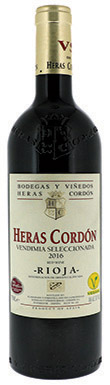
Heras Cordón, Vendimia Seleccionada Crianza, Rioja, Northern Spain, Spain, 2016
94
Sumptuous dark plums, mocha, cedar and vanilla oak; inviting and elegant with a velvety backbone and layers of fine tannin.
2016
Heras CordónRioja
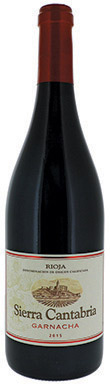
Sierra Cantabria, Garnacha, Rioja, Northern Spain, Spain, 2015
93
An enticement of red and black fruit underpinned by a smoky, creamy, opulent core and stylish, tightly woven tannins. Superb!
2015
Sierra CantabriaRioja
Bodegas Muriel, Reserva, Rioja, Northern Spain, Spain, 2015
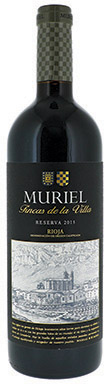
93
An explosion of dried fruit, wild strawberries and dark chocolate; exceptionally smooth and supple with a very long, flavoursome finish.
2015
Bodegas MurielRioja
Bodegas La Catedral, La Gitana Gold Reserva, Rioja, Northern Spain, Spain, 2015
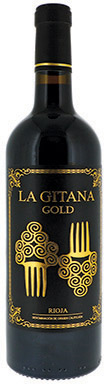
92
A vivacious complexity of smoky tobacco, black tea and plump, ripe fruit; deliciously fresh and mouthwatering with a long, expressive finish.
2015
Bodegas La CatedralRioja
Altos de Baroja, Rioja, Northern Spain, Spain, 2017
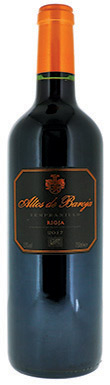
91
A lovely depth of smoky savoury oak notes and a delicious raspberry coulis richness; engaging, powerful and long.
2017
Altos de BarojaRioja
Altos R, Pigeage, Rioja, Northern Spain, Spain, 2016
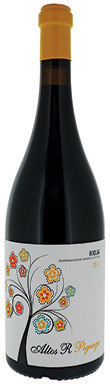
91
Laden with sweet ripe cherries, raspberries and bold spice notes; full and structured with a delectable acidity and fine tannins.
2016
Altos RRioja
Biurko Gorri, Biurko Crianza, Rioja, Northern Spain, Spain, 2015
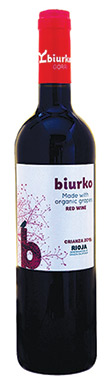
91
Supremely rich and vibrant cassis, mulberry and smoky, toasty oak persist through to the textured, lively finish.
2015
Biurko GorriRioja
Bodegas Alvia, Mileto Reserva, Rioja, Northern Spain, Spain, 2012
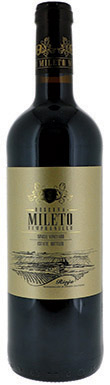
91
Fabulously mellow and mature with plump prunes, chocolate and spice. Ripe and rounded with lush oak and a long finish.
2012
Bodegas AlviaRioja
Tobelos, Tobelos Crianza, Rioja, Northern Spain, Spain, 2015
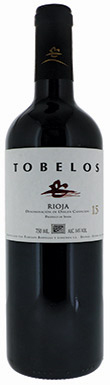
91
Supple and juicy summer fruit pudding, spice and a lashings of creamy oak. Generous, vibrant and truly delicious.
2015
TobelosRioja
Isidro Milagro, 5 Oros Vendimia Seleccionada Graciano, Rioja, Northern Spain, Spain, 2015
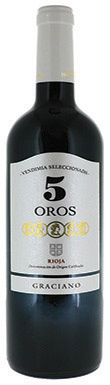
92
Another star performer in the Affordable Rioja panel tasting. Plush, herbal, and a little more textured and layered than other Gracianos. Tobacco, briary fruit and plum, with nice concentration and crisp acidity holding the palate together with great aplomb.
2015
Isidro MilagroRioja
Landaluce, Fincas de Landaluce Crianza, Rioja, Northern Spain, Spain, 2016
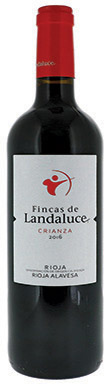
91
Wonderful clarity of red fruit, charcoal and tarry oak; textured and rich with a velvety structure and a long, smooth finish.
2016
LandaluceRioja
Marques de Reinosa, Reserva, Rioja, Northern Spain, Spain, 2015
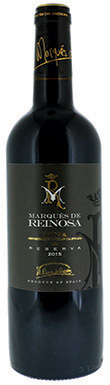
91
A rush of berry and cherry fruit with generous pepper notes; warm and welcoming with a long, tangy finish.
2015
Marques de ReinosaRioja
Martínez Laorden, Lanzado Crianza, Rioja, Northern Spain, Spain, 2015
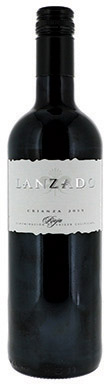
91
Lively red fruit with notes of graphite, tar and saline elegance. Very full and smooth with a rich, long finish.
2015
Martínez LaordenRioja
Bodegas Montecillo, Montecillo Crianza, Rioja, Northern Spain, Spain, 2016
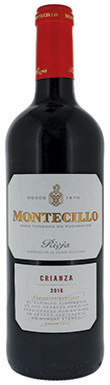
91
Broad, generous red cherry fruit with layers of smoke and spice, a grip of savoury tannin and an expressive finish.
2016
Bodegas MontecilloRioja
Bodegas Ontañón, Reserva, Rioja, Northern Spain, Spain, 2011
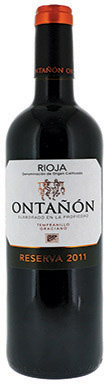
91
Beguiling sweet dark forest fruit combines with elegant savoury notes; fine and focussed with a powerful driving finish.
2011
Bodegas OntañónRioja
Bodegas Perica, David Perica, Rioja, Northern Spain, Spain, 2016
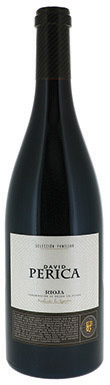
91
A ripe, plump lifted style with bags of sweet cinnamon spice, elegant fruit, fine velvety tannins and a rich finish.
2016
Bodegas PericaRioja
Bodegas Ruiz de Viñaspre, Gran Reserva, Rioja, Northern Spain, Spain, 2009
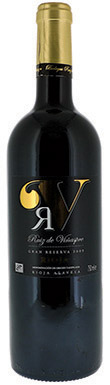
91
Chocolate, vanilla, essence of raspberry and a whisper of forest floor savouries. Broad and full bodied with a resinous finish.
2009
Bodegas Ruiz de ViñaspreRioja
Bohedal, Gran Bohedal Crianza, Rioja, Northern Spain, Spain, 2016
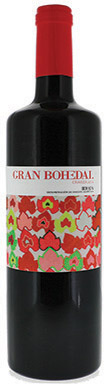
91
Plush velvet plum, quince and blueberry characters; powerful and concentrated with rich, generous oak and a sensuous finish.
2016
BohedalRioja
De Alto Amo, Rioja, Northern Spain, Spain, 2018
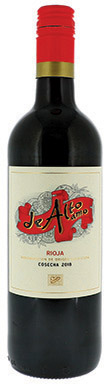
91
Mouthwateringly rich summer fruit pudding and plum with a contrast of bright acid freshness. Stylish with an attractive finish.
2018
De Alto AmoRioja
Faustino Rivero Ulecia, Reserva, Rioja, Northern Spain, Spain, 2016
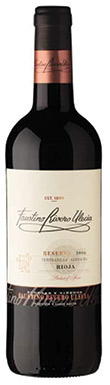
91
Rich, succulent plums, myrtle and vanilla underpinned by a bright acidity; gentle and creamy with a lifted fresh finish.
2016
Faustino Rivero UleciaRioja
Finca Nueva, Reserva, Rioja, Northern Spain, Spain, 2010
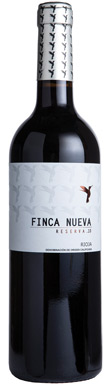

Supple fleshy red fruit with a wonderfully mature leather complexity and savoury undertones; smooth, mellow, rounded and mouthfilling.
2010
Finca NuevaRioja

Sierra Cantabria, Crianza, Rioja, Northern Spain, Spain, 2016
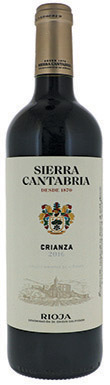
91
Impressive dark fruit intermingled with tarry leathery oak and balsamic hints; compact, muscular and full of youthful promise.
2016
Sierra CantabriaRioja
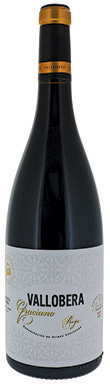
Bodegas Vallobera, Graciano, Rioja, Northern Spain, Spain, 2017
91
Beautifully perfumed violet, peony and carnation aromatics with a sumptuous interplay of blackcurrant, spice and finely tapered tannins.
2017
Bodegas ValloberaRioja
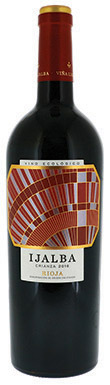
Viña Ijalba, Crianza, Rioja, Northern Spain, Spain, 2016
91
Plums and cassis contrast nicely with savoury smoky bacon notes; dense and succulent with a long velvety finish.
2016
Viña IjalbaRioja
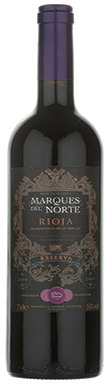
Viñedos de Aldeanueva, Marques del Norte Reserva, Rioja, Northern Spain, Spain, 2015
91
Dark Tempranillo fruit and clearly defined damson Garnacha characters with a dollop of rich, creamy oak and bold tannins.
2015
Viñedos de AldeanuevaRioja
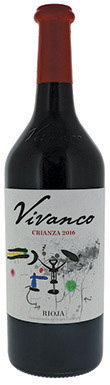
Vivanco, Crianza, Rioja, Northern Spain, Spain, 2016
91
Packed with sweet red berry fruit, plums and vanilla spice with an underlying saltiness. Full, generous, persistent and defined.
2016
VivancoRioja
