Italy’s top rosés: 16 rosato wines to try
It’s never too soon in the year to drink pink – increasingly a year-round choice for many. Richard Baudains reveals Italy’s top rosato regions and selects his 16 top wines to try…


Rosati are an often under-explored route in to the intriguing diversity of Italy’s terroirs, grape varieties and winemaking traditions. This wine is an Italian speciality that has its own icons and hidden gems and, despite the common association with picnics and light summer sipping, can offer a much wider range of drinking options and often surprising stucture and ageability.
Rosato is the direct equivalent of the French ‘rosé’. It is the term that most commonly appears in the wine names of the country’s DOCs, but it is by no means the only one. As Shakespeare almost said, ‘A rosé by any other name would smell as sweet’, and pink wines assume different names in different parts of the country.
In the bilingual Alto Adige/Südtirol, a pink Lagrein wine is a kretzer, while on the southern shores of Lake Garda, a rosé is a chiaretto; in Abruzzo, it is a cerasuolo; at Carmignano in Tuscany, it is vin ruspo.
Styles range from the light, dry and delicately aromatic, to soft, round and fruity, through to full-bodied and even lightly tannic. Generally speaking, the further south you go, the more serious the wines become.

Lake Garda
The chiaretto wines of Lake Garda come from either side of the border between Veneto and Lombardy. The areas share similar glacial morainic soils and a mild Mediterranean climate, but each region grows its own, quite different native varieties. Generally speaking, the wines belong to the category of fresh, light and dry, but the grape composition has a marked impact on flavours and aromas.
One of the most significant DOCs for rosato in terms of area and production (an average of 10 million bottles a year) is the very Venetian Bardolino Chiaretto. These wines have become progressively paler over recent vintages, tending more towards the chromatics of modern Provence and away from the fuller, more traditionally Italian shades. In part, this is the result of a studied reduction in skin contact (typically now about 12 hours), and in part an increase in the percentage of Corvina, a grape naturally low in colouring matter, in the blend. The fruit character can be
distinctively citrussy and the nose delicately floral, and often the bitter twist of the Corvina grape comes through on the finish. Names to look for include, in an increasingly highquality field, Le Fraghe, Sartori, Giovanna Tantini and Villabella.
The floral character of chiaretto becomes more accentuated as you cross into the Riviera del Garda Classico DOC on the Lombardy side of the lake, where the wines acquire more of a rose-petal shade. Tradition on this side of the lake dictates an unlikely blend of Sangiovese, Marzemino, Barbera and the strictly local Groppello. The DOC requires only a rather mean 30% of this latter ancient variety in the mix, but producers who boost the percentage make a chiaretto with a very appealing hint of spiciness. Valtènesi, a hilly sub-zone of Riviera del Garda Classico, is considered to make the most representative wines. Names to look for from this cru include Pratello, Pasini San Giovanni, Selva Capuzza and Le Sincette.
Abruzzo
After Veneto, the biggest producer of pink wines is Abruzzo. In this mountainous central region, red wines and pink have always been held alike in dignity, and, in fact, it is the only region in Italy to have separate DOCs for the two: Montepulciano d’Abruzzo and Cerasuolo d’Abruzzo, respectively. Cerasuolo means literally ‘pale cherry red’, a name which does not always correspond literally to the colour of the wine, which may go from very pale coral to bright cherry.
Cerasuolo is Italy’s most grippy, complex pink: a rosato that comes close to a light red wine in profile. It takes its character from the native Montepulciano – a late-ripening, thick-skinned variety with big sugar and acid content – which producers need to handle carefully to tone down its potential assertiveness. The nose typically has ripe red fruit, sometimes even strawberry jam, and the palate has structure and depth, but also juicy freshness. Many prefer it to the tannic, often overoaked Montepulciano d’Abruzzo reds.
‘Generally speaking, the further south you go, the more serious Italy’s rosé wines become’
The must-try wine is the allocation-only cerasuolo from the legendary Valentini estate. Other excellent producers include the staunchly traditional Emidio Pepe, Cataldi Madonna, De Fermo and, in a slightly lighter style, Torre dei Beati.

Puglia
Puglia has a long tradition of pink wine production, a modern plethora of DOC, IGT and IGP denominations, and an eclectic range of grape varieties for rosato. It became the first Italian rosato to achieve international fame when, in 1943, the Leone de Castris family began selling their Salento-made pink wine to the American armed forces. They called the wine Five Roses for the benefit of their anglophone clients. Salento rosati are made from the same grape varieties as the red Salice Salentino: Negroamaro and Malvasia Nera, either singly or in combination. The former gives Mediterranean herb aromas and a slightly bittersweet fruit character, the latter body and structure.
Traditionally, rosato in the Salento area is made by drawing off a certain amount of liquid from a vat of red wine at the beginning of fermentation. This method involves 16-18 hours’ skin contact, and produces a more deeply coloured rosé with lots of fruit and, typically, a solid structure. Severino Garofano and Michele Calò are leading exponents of the style. The alternative, more modern approach is to vinify a rosato separately, with temperature-controlled maceration and a shorter period of skin contact to give a paler, more delicate blush style.
Leaving the flat coastal plains of Salento and moving north onto the arid calcareous plateau of the Murgia, soils, grape varieties and wine styles change radically. Castel del Monte Rosato is the least southern in character of all the southern rosés. In contrast to round full-flavouredness, the key note here is a light, dry tanginess.
The source of these almost northern wines is a pair of intriguing local varieties: Nero di Troia and Bombino Nero. Genetically incapable of ripening completely and evenly, Bombino Nero has low sugar, light tannins and high acidity, all of which make it unsuitable for red wines but ideal for crisp rosés. This has recently been recognised by the constitution of Italy’s first rosato DOCG, the misleadingly titled Castel del Monte Bombino Nero. The wine ought to be, by its name, an inky dark red, but it is a pretty pale coral shade. Nero di Troia, by contrast, is a rugged red wine grape rarely alone in rosati, often blended with Bombino Nero to add firmness.
Calabria
The scenario changes again as you travel further south into neighbouring Calabria. The region’s best-known DOC, Cirò, comes from an area of low sandy hills facing the Ionian sea on the foot of the Italian peninsula. The wines come in red, white and rosato versions. Red Cirò boasts the region’s highest production levels, but the two million bottles
of rosato made here each year mean that pink wine is fairly readily available. It is worth seeking out for its red fruit flavours, round texture and slightly salty tang. The red and rosato are both made predominantly from Gaglioppo, a variety most likely brought to Calabria by Greek colonies in the period of the expansion of Magna Graecia. It is a grape capable of producing a generously alcoholic rosato with lots of plump, ripe fruit, although the trend is towards a lighter and fresher, but perhaps less characterful, style.
Librandi, the producer that has probably contributed more than any other to the resurgence of Calabrian wine in recent years, makes Cirò rosati that showcase the terroir. Other notable names are Scala and Ippolito.
Delights to discover
Italy trails a long way behind France in the amount of rosé it turns out. Nevertheless, its annual production is a not-insignificant 2.5 million hl, a large part of which is exported.
Curiously enough, internal consumption figures seem to show that Italians are not particularly enamoured of their own rosati – the French drink a lot more rosé – but demand from abroad is increasing, and production is growing to meet it. At Bardolino, for example, recent years have seen a dramatic shift in commercial focus, with production of chiaretto, once the poor relative of the DOC, now far outstripping that of the red wines of the denomination.
Not all the country’s rosato comes under the DOC system. Some amount of pink wine bottled with IGT labels often slips under the radar of official statistics, but branded estate wines are also contributing to the growing national production. This is the new, dynamic face of Italian rosato.
From Barolo to Basilicata and Trentino to Tuscany, producers are making pink wines. They are testing the market with premium prices and pushing the stylistic boundaries of the category with unlikely grape varieties and the use of amphorae and barriques. Whether traditional or innovative, Italian rosato has lots to say, to delight and, often, to surprise.
Italy’s top rosés
Valentini, Cerasuolo d'Abruzzo, Abruzzo, Italy, 2018
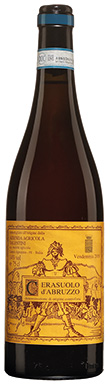

Very deep, almost red in colour - hence the name Cerasuolo ('cherry red') - this is voluptuous and complex with notes of ripe cherries and...
2018
ValentiniCerasuolo d'Abruzzo

Conte Spagnoletti Zeuli, Colombaio Bombino, Castel del Monte, Puglia, Italy, 2018
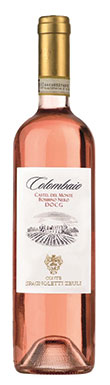
95
Delicious red fruit on the nose, with hints of sweet herbs in the background. Beautifully poised on the palate. Light but intense, with firm structure and a long, tangy finish. Great purity of expression.
2018
Conte Spagnoletti ZeuliCastel del Monte
De Fermo, Le Cince, Cerasuolo d'Abruzzo, Abruzzo, Italy, 2018
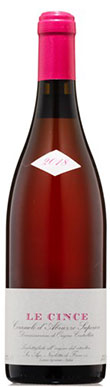
95
A lovely pale cherry shade, with a complex, slightly uplifted nose that has sour berry fruit and hints of moss and cedar. Vibrant, robust palate with great natural progression and grippy finish. Organic.
2018
De FermoCerasuolo d'Abruzzo
Manincor, La Rose de Manincor Rosato, Vigneti delle Dolomiti, Trentino-Alto Adige, Italy, 2018
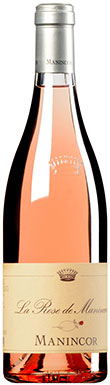
95
Complex, ripe fruit, dark blossom and spices on the nose. Punchy intensity on the palate, with great volume and depth and a kaleidoscopic finish. Sheer class. Biodynamic.
2018
ManincorVigneti delle Dolomiti
Selva Capuzza, San Donino Chiaretto, Lombardy, Italy, 2018
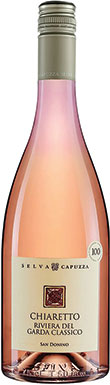
95
A pale blush shade. This has a nose of fruit and wild herbs, with redcurrants and rose-hip jelly at the front, and a light, crisp, bone-dry palate with satisfying length and a tangy, savoury finish. Classic Garda.
2018
Selva Capuzza
Tenuta Viglione, Maioliche Rosato, Puglia, Italy, 2019
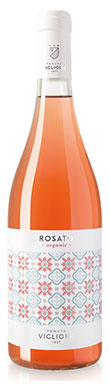
94
Very fresh, delicate red-fruit aromas, with hints of strawberry cordial and a touch of fresh herbs. Good juicy intensity of fruit on the palate, with firm underlying acidity and a lightly tannic finish. Organic.
2019
Tenuta Viglione
Dorigati, Lagrein Kretzer, Trentino-Alto Adige, Italy, 2018
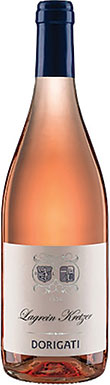
93
Pale with touches of violet. Delicate but precise on the nose, with raspberry and the typical spicy-floral notes of Lagrein Fresh, dry and tangy with a lightly peppery finish.
2018
Dorigati
Le Fraghe, Ròdon, Chiaretto di Bardolino, Veneto, Italy, 2018
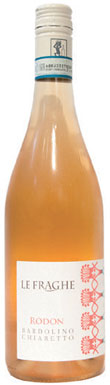
93
Delicate blush. Slightly leafy, floral aromas on the nose. A restrained but intense, mineral palate with a lightly tannic quality and a concentrated, bone-dry finish.
2018
Le FragheChiaretto di Bardolino
Giovanna Tantini, Chiaretto di Bardolino, Veneto, Italy, 2018
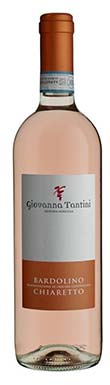
93
Pale blush; white-fruit and citrus notes on the nose. An intense, juicy, very moreish palate featuring a delicate fruit-salad character and firm underlying structure. Benchmark style.
2018
Giovanna TantiniChiaretto di Bardolino
Masi, Rosa dei Masi Rosato, Veneto, Italy, 2019
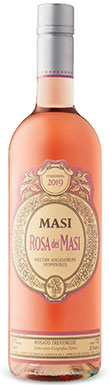
93
Fresh raspberry aromas, with earthy-phenolic notes. Juicy palate with texture and a long, complex, aromatic finish. Made with a percentage of partially dried grapes.
2019
Masi
Torre dei Beati, Rosa-ae, Cerasuolo d'Abruzzo, Abruzzo, Italy, 2018
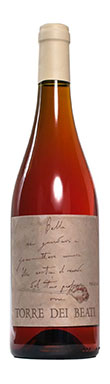
93
Pale coral shade. Intense nose of cherry jam and sweet, spicy floral notes. Starts round, progresses from fresh and juicy to a long aromatic finish. Great varietal character.
2018
Torre dei BeatiCerasuolo d'Abruzzo
Cantele, Rohesia, Salento, Puglia, Italy, 2018
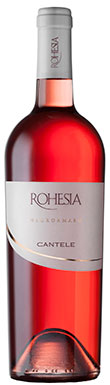
92
Very attractive rose-petal shade. Broad, sweet red-fruit nose with lots of spicy-floral aromas around the edges. An intense, full-flavoured palate with considerable flesh in the middle and a big finish.
2018
CanteleSalento
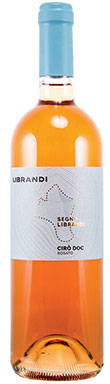
Librandi, Segno Librandi Rosato, Cirò, Calabria, Italy, 2018
92
Cherry-red colour. Initially a little closed on the nose, but then opening up with notes of mandarin and sweet cherry. A concentrated, round, ripe palate with body and length.
2018
LibrandiCirò
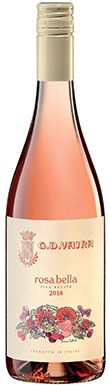
GD Vajra, Rosabella, Piedmont, Italy, 2018
90
Pale coral. Very expressive nose, with an array of soft fruit aromas and an intriguing nuance of Langhe wood ash. Intense, dry, slightly nervy palate with lots of grip and an aromatic finish. Organic. Drink 2020
2018
GD Vajra
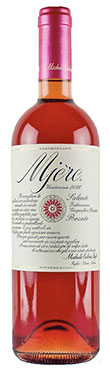
Michele Calò, Mjère Rosato, Salento, Puglia, Italy, 2018
90
Complex potpourri nose, with notes of oregano and thyme. Slightly earthy palate with tannic fibre under the fresh citrus fruit. Long, savoury finish. A food wine. Classic Salento.
2018
Michele CalòSalento
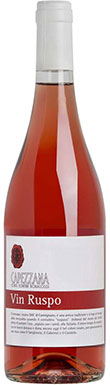
Capezzana, Vin Ruspo, Tuscany, Italy, 2018
90
Bright mid-depth shade and a nose of dark berry fruit and violets. Toothsome, refreshing but also firm. The very well-structured palate has an attractive natural fruit quality and a round finish.
2018
Capezzana
