New Zealand organic wines to try
David Longfield investigates the growing organics movement in New Zealand, and picks out some top examples...


Leading up to the 200th anniversary of the first plantings of grapevines in the country in September, New Zealand Winegrowers presented an impressive line-up of more than 80 organic and biodynamic wines.
A two-hour masterclass led by three well respected, if relatively small New Zealand organic producers – Rudi Bauer of Quartz Reef, Nick Mills of Rippon, and Jack Weaver of Churton – can really only scratch the surface of a topic that touches on issues that the whole world is currently grappling with.
Early progress
New Zealand can already justly claim to be a nation that’s acutely aware of its environment and the protection of it. So a move towards organics in New Zealand wine seems perfectly logical.
But even here, the figures show it’s starting from a small base. A little more than 10% of New Zealand wineries (70 of 677) now hold organic certification from the official body, Biogro, of which only 49 are as yet fully certified.
In overall terms, just 4.6% of all New Zealand vineyard land (which was 37,969ha in 2018) is certified organic, though in some smaller regions with a greater leaning towards artisan production, the proportions are higher: 16.7% organic in Central Otago, 8.9% in Nelson, 7.9% in North Canterbury and 7.4% in Wairarapa, for instance.
Yet we can expect more. ‘Organic is effectively drifting from the south [island] to the north,’ said Bauer. ‘Hawke’s Bay is very interesting, with several producers on the move, and Nelson has a long history in organics.’
The Organic Winegrowers NZ organisation now has more than 190 members, many of whom are either in the conversion process or learning about it.
To put the scale of it in context, in Spain – the world’s biggest producer of organic wines, according to Organic Wine Iberia – there were 939 organic wineries in 2017 (more than doubling since 2009), across more than 106,000ha and representing 11.2% of land under vine in the country.
Quality proposition
Yes, you do have to pay something for the extra work and elevated risk involved in producing organic products grown in a plot of well-tended soil, anywhere in the world. But New Zealand wine already claims the highest average bottle price in the UK, now comfortably above £9 for its red wines. And when you’re talking about wines that top the £15-mark, you’re really talking about ‘good wine’ which happens to be produced to organic standards.
As wine writer Charles Metcalfe, in the masterclass audience, pointed out, there are many wines from France, notably Pinot Noirs from Burgundy, which have for decades been sold at very high prices, and they are also produced organically – however few people are aware of it. The producers don’t choose to put it on their labels and have never felt the need to talk about it in their marketing.
For producers in New Zealand, it goes way beyond the question of price. ‘Awareness of organics also brings an awareness of how you run your vineyard overall,’ said Bauer. ‘If you want to get a plant that is truly reflective of its place,’ agreed Mills, ‘your job is to look after all the microflora that are making that happen.’
And that precludes the use of fossil fuel-based fertilisers, herbicides, insecticides and the like. ‘The largest biomass on the planet is something we can’t even see – it’s beneath our feet,’ Mills said, adding: ‘I think you’ll see that there is matter and substance, a texture to these wines – tactile sensation. This to me is the start of a calling card of wines that have been grown by organics and biodynamics.’
Top New Zealand organic wines to try
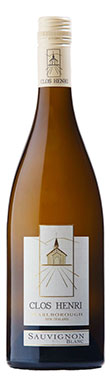
Clos Henri, Sauvignon Blanc, Marlborough, New Zealand, 2017
92
Run by the ninth and tenth generations of the Bourgeois dynasty of Sancerre fame, this estate is situated in the southern foothills of Marlborough’s Wairau Valley, its 110ha incorporating loess-covered clay and heavier blue-grey clay sections alongside a terrace of free-draining Greywacke river stone. High-density planting and dry farming ensures vine vigour is controlled and the vines send their roots deep into the soil. Fermented 85% in stainless steel and 15% in old French oak, aged eight months with lees stirring, this is unusual, in a statuesque style. An opulent, baked lemon nose is followed by a full, rounded palate with citrus and white peach, touches of flinty mineral, a little buttery richness in the body. Food needed: seafood pasta, white or cheesy sauces. Drinking now but will undoubtedly benefit from a couple of years in the cellar.
2017
Clos Henri
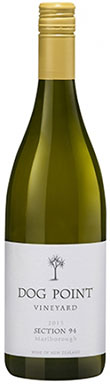
Dog Point, Section 94 Sauvignon Blanc, Marlborough, New Zealand, 2017
92
From a single parcel within Dog Point’s vineyards, located at the confluence of the Brancott and Omaka valleys, the vines planted in 1992 on free-draining, silty clay-loam alluvial soils. A warm spring and late summer were followed by cool but good conditions into the autumn, with harvest concluded rapidly to beat heavy rains in mid-April 2017. The wine was fermented and aged in used French oak barrels for 18 months, and bottled without fining. Toasty wood to the fore on the nose, but there’s key lime pie richness and herbal notes of marjoram and bay. Ripe lemon and lime citrus with lightly tropical passion fruit and pineapple, though the fruit is underscored by a distinctly earthy/mushroom creamy character enhancing complexity on mid-palate and finish, which has great length. Best with food such as meaty fish, tuna steak or chicken in a creamy mushroom sauce.
2017
Dog Point
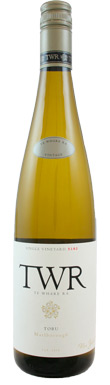
Te Whare Ra, Single Vineyard Toru, Marlborough, New Zealand, 2018
91
The name Toru means ‘three’ in Maori, reflecting the blend of 75% Gewürztraminer, 16% Riesling and 9% Pinot Gris, which are co-fermented with some extended skin contact and ‘considerable time on lees after ferment’. The fruit is from selected parcels in Te Whare Ra’s Home Block in Renwick, where Anna and Jason Flowerday own 11ha in total, home to plantings dating back to 1979. A warm, dry growing season assured good flavour development despite some challenging wet and windy Pacific weather arriving in the run-up to the 2018 harvest, and clean fruit was picked early, finishing in the first week of April. The blend is well judged, dry with 7g/l residual sugar, with a lovely poise of flavours, herbal and lightly spicy on the nose with intriguing orange marmalade and floral mango notes, then more orange with peach, tropical notes and a little lemon tart on the palate. Layers and personality, constantly changing, good value too.
2018
Te Whare Ra
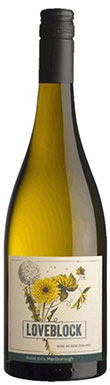
Loveblock, Pinot Gris, Marlborough, New Zealand, 2018
90
Kim Crawford and his wife Erica created their own family estate in Lower Dashwood: 72ha in all, on the hills overlooking the Awatere Valley. The northerly aspect gives ideal sun exposure, while strong winds keep disease at bay and encourage slow vine growth and small berries with high aromatic concentration. From the Woolshed vineyard, planted in 2003 at the bottom of the hill, on soils of silt over stones with clay providing essential water retention in fairly harsh conditions. Fragrant, open nose, very inviting leafy green freshness, dry with 7.1g/l residual sugar. Juicy fruit palate, subtle pear and peach fruit with a note of green peas and garden herbs, all fresh and invigorating. Not complex perhaps, but this is well made and nicely balanced to leave you wanting more, on its own or with light starters. Vegan-friendly.
2018
Loveblock
Loveblock, Sauvignon Blanc, Marlborough, New Zealand, 2018
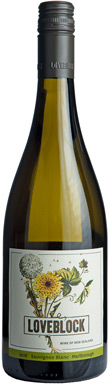
90
From the Woolshed vineyard, planted in 2003 at the bottom of the hill, on soils of silt over stones with clay providing essential water retention in fairly harsh conditions. The northerly aspect gives ideal sun exposure, while strong winds keep disease at bay and encourage slow vine growth and small berries with high aromatic concentration. An ideal flowering and growing season meant grapes were picked – 30% by hand, 70% by machine – in perfect condition in March 2018. The wine was batch-produced according to soil type, with a small portion of the juice fermented in old French oak and a quarter of the tanks undergoing full malolactic fermentation to bring down the acidity. This is one for the Sauv-Blanc purists, with a joyous noseful of freshly squeezed peapods and green fruits. Has loads of vibrancy and verve on the palate, but the fruit is more tempered, tropical and leafy than the nose might suggest. Lunchtime-friendly on the alcohol too. No need to wait, drink now to 2021.
2018
Loveblock
Terrace Edge, Liquid Geography Riesling, Waipara, Canterbury, New Zealand, 2018
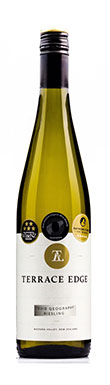
90
Bought by Bruce and Jill Chapman in 1999, this family-run estate north of Christchurch is home to 2,000 olive trees as well as 12ha of grapevines – a number of varieties are planted across a range of different soil types, and full organic status was achieved in 2014. A generally good growing season saw some issues with humidity at the end of January 2018, but a good summer with record hot and dry weather before harvest in March. The fruit for this wine was left longer on the vine to develop, and was made using a small percentage of botrytis-affected grapes to intensify flavours. Stainless steel-fermented, in an off-dry style, it has a wonderful nose, classic for a New World Riesling, more tropical than lime fruit but fresh with a low emphasis on the petrol tones, and light honey. On the palate it’s big, juicy, and eminently drinkable, with low-ish acidity and an open and enveloping style. Not challenging, but it gives a lot and will easily make plenty of friends.
2018
Terrace EdgeWaipara
The Darling, Sauvignon Blanc, Marlborough, New Zealand, 2018
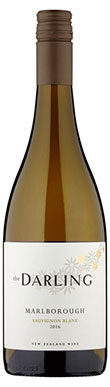
90
From two organic vineyards in the Wairau Valley, one in the Rapaura region, unirrigated, and the other towards the upper Wairau. Fermentation in separate parcels included about 10% of the blend fermented with wild natural yeasts in old French oak, and all of the components were kept on their yeast lees for as long as possible to enhance the character of the final blend. Clean gooseberry aromas with exotic notes of mandarin and papaya, though a slightly cooked fruit aspect beneath. Full, with a subtle but distinctive savoury edge of forest floor earthiness, which will make it a good partner for food. Good length, lightly honeyed on the back of the finish, creamy texture too. A good, moreish style.
2018
The Darling
Churton, Best End Sauvignon Blanc, Marlborough, New Zealand, 2017
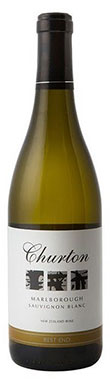
89
From a 1.26ha block that produces Churton’s most intensely flavoured Sauvignon Blanc, the vines planted at 185m on a north-facing slope of eroded loess soils. Following a long, relatively cool growing season, fruit was harvested two weeks later than normal on 15 April, with yields restricted to 33hl/ha. The wine was made with minimal intervention: 500-litre French oak puncheons, 20% new, and about 50% naturally fermented; aged on lees for 12 months then rested for four months in tank before bottling without filtration or fining. Green and leafy on the nose, lightly oaky but it’s more about the lime marmalade and lemon curd fruit. Mid-weight, juicy and full of fruit, subtle herbal aspects and oak in support, with a refreshing grassy finish.
2017
Churton
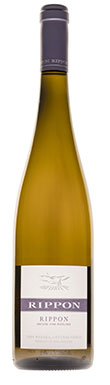
Rippon, Rippon Mature Vine Riesling, Central Otago, New Zealand, 2018
89
From the Rippon vineyard on the stunningly scenic southern shores of Lake Wanaka, on land held by the Mills family since 1912, sited on an ancient volcanic ejection cone of schist gravels. Handpicked, sorted and gently crushed by foot, then whole-bunch pressed the following day and allowed to settle for 12 hours before being racked, retaining the fine lees, into a horizontal stainless steel fermentation tank, where it was fermented over 12 days using the natural wild yeasts. Low-toned for a Riesling, with aromas of baked lemon and tropical fruit more prominent above light petrol notes, though there’s a complexity here that’s enlivened by a touch of white smoke mineral. On the palate it’s nicely rounded too, revealing pleasantly peachy citrus fruit and tropical touches with a dash of mandarin on the finish. A highly drinkable, fruit-focused style that would work well on its own as an aperitif, or with hard cheeses or sheep’s cheese as a palate-lifter at the end of a meal.
2018
Rippon
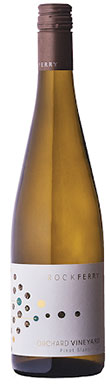
Rock Ferry, Orchard Vineyard Pinot Blanc, Marlborough, New Zealand, 2014
89
From husband and wife team Tom and Fiona Hutchison, produced in their converted fruit packing house; fruit is hand-harvested, picked according to the biodynamic calendar, hand-sorted and fermented using natural yeasts where possible and minimal sulphur dioxide treatments. The Pinot Blanc juice is lightly settled then mostly fermented in stainless steel, though 12% goes into 3-year-old puncheons in order to add texture and dimension rather than woody flavours. There are lemon-lime and pear juice aromas along with a welcome contrast of savoury cheese-rind character. It’s rounded and fleshy on the palate with creamy lemon meringue notes supported by a buttery depth of flavour mid-palate. Good for food, a versatile option for white meats or light pasta dishes.
2014
Rock Ferry
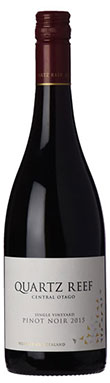
Quartz Reef, Single Vineyard Pinot Noir, Central Otago, New Zealand, 2017
95
On former gold-mining terrain in the Bendigo sub-region, the vines were planted in 1998 on north-facing slopes of Waenga fine sandy loam, at elevations up to 264 metres. An untypically cool and windy summer resulted in smaller bunches and lower berry weight than normal, though the fruit was nonetheless well ripened and concentrated. Six clones were small-batch vinified, with natural yeast fermentation starting after cold-soaking for up to seven days; after 23 days on the skins, the wine was moved to French oak barriques, 28% new, to age for 12 months with spontaneous malolactic fermentation. After an appealingly bright, jammy fruit nose of redcurrant, raspberry and cherry, the wine manages to strike a balance between both opulence yet somehow restraint on the palate. Its very expressive character steadily reveals layer upon layer of that bright berry-cherry fruit along with dried herbs and soft cedary spice, and it keeps developing through a great-length finish. The price-tag (set to be around £60 in the UK) puts it on a par with a decent entry-level Volnay or Gevrey-Chambertin from Burgundy. Does the ‘organic factor’ justify it? It’s a lovely and very moreish wine in its own right, so that would be in the eye of the beholder…
2017
Quartz Reef
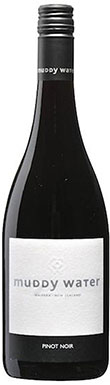
Muddy Water, Estate Pinot Noir, Waipara, Canterbury, New Zealand, 2017
94
From the first certified organic winery in Canterbury, a 12ha estate where the vine blocks are interspersed with small olive groves, and biodynamic soil management techniques are employed. This estate Pinot Noir is from eight different clones of ungrafted vines on clay-limestone soils over a limestone bedrock, which serves to restrain the aromatics of the fruit, and yields are restricted to just 1kg per vine, equating to a single bottle. Small batches are handpicked in the cold of the morning, and the individual lots allowed to warm and commence wild-yeast fermentation naturally. Aged 14 months in French oak, 30% new, bottled unfined and unfiltered. You can linger over a wonderful nose full of ripe black fruit, subtly scented woodsmoke, damp forest floor and underlying black cherry. On the palate there’s great depth, hearty and full with a rounded richness and layers of flavour, all supported by a long, soft finish of gentle cinnamon and mace spice notes. At this price, this would comfortably stand up against any Pinot Noir, from anywhere.
2017
Muddy WaterWaipara
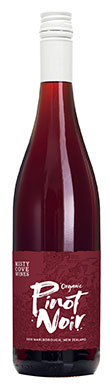
Misty Cove, Organic Pinot Noir, Marlborough, New Zealand, 2018
91
From a single vineyard in Marlborough’s southern valleys, where soils have significant amounts of silt and gravel and often higher levels of clay, and the climate is said to be generally cooler than the Wairau Valley with lower rainfall. Sourced from four traditional organic Pinot Noir clones, the wine was made with a light touch, minimal handling and a little exposure to French oak, aiming for early and easy drinking. Bright aromas, loads of cherry with hints of marzipan sweetness, raspberry and redcurrant too. A frank and unadorned style, bags of fresh fruit on the palate though with a gentle seasoning of vegetal, farmyardy Pinot character in the background. No need to think too hard, just enjoy. Great value.
2018
Misty Cove
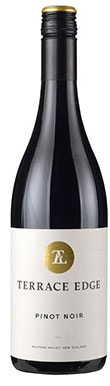
Terrace Edge, Pinot Noir, Canterbury, New Zealand, 2016
91
From a small, family-run vineyard where the Chapmans exercise ‘ultra-fastidious’ care in the vineyard and winery. In 2018, cool autumn nights from late March slowed ripening, though good dry weather allowed for a long hang-time through to full ripening. Destemmed grapes were cold-soaked in open-top fermenters, with natural fermentation starting after about five days, manual cap-plunging and post-fermentation maceration of up to three weeks; the wine was then pressed into French oak barriques, 25% new, and aged for 11 months. Really fresh on the nose with very pure fruit character of red berries and red cherry. The palate is an intriguing combination of creamy texture, sweet red fruits and plums with gentle herbal touches, and an underlying, drying layer of dark-spice clove and liquorice notes. Tannins are nicely softened: balanced and very drinkable.
2016
Terrace Edge
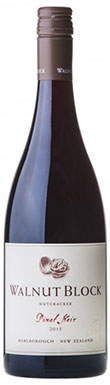
Walnut Block, Nutcracker Pinot Noir, Marlborough, New Zealand, 2016
91
The Nutcracker vineyard is planted with top-quality Burgundy clones on high clay-content soils, the vines thinned to extremely low yields of one bunch per shoot to ensure even ripening. The handpicked fruit is chilled overnight at 2°C, destemmed and crushed into open-top fermenters to be fermented using only natural yeasts, going on to be aged for 12 months in French oak barriques and bottled unfiltered. Lifted, fragrant nose of baked forest fruits and woodsmoke. Light, juicy and perfumed on the palate but backed by an insistent layer of grainy, powdery tannin that begs for food. Good length and even, balanced fruit character across the piece, and good value too.
2016
Walnut Block
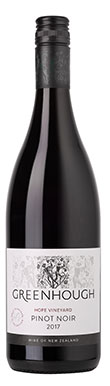
Greenhough, Hope Vineyard Pinot Noir, Nelson, New Zealand, 2017
89
A single-vineyard selection from vines aged 10-24 years on clay-rich loams and river stone over deep gravels. A generally cooler than usual growing season meant that fruit was ready for harvest about a week later than in the years before, being completed by mid-April. Wild-yeast fermented, 28% whole bunch with minimal punchdowns, and the destemmed portion in open-top fermenters with the cap plunged twice daily during primary fermentation; matured for 11 months in 228-litre French oak (15% new, 13% one-year), blended in early March 2018, bottled unfined and unfiltered in February 2019. The wine seemed to be in something of a Pinot ‘dumb’ phase when tasted (September 2019), but the quality of the liquid shone through nonetheless, and I’d very much expect it to emerge in more expressive fashion given more time in bottle, from mid-2020. On the nose, lively aromas of slightly cooked fruit, rhubarb and blackberry crumble, and while the tannin was a little grainy on the palate, there was good fruit weight, depth and length, showing good balance and promise.
2017
Greenhough
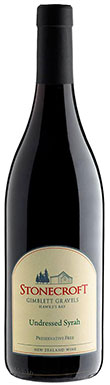
Stonecroft, Undressed Syrah, Gimblett Gravels, Hawke's Bay, New Zealand, 2018
89
A small family winery owned by Dermot McCollum and Andria Monin, the wine sourced from their Mere Road vineyard, west of Hastings, grown on the stony and free-draining Omahu Gravels; yields are kept very low at around 2kg per vine. Fermented in open-top stainless steel fermenters with a two to three-week soak afterwards, then aged five months in French oak, just 20% new, with no added SO2. On the nose this can only be Syrah: intensely white peppery with fragrant violet florals and spiced plum jam notes. The oak is barely discernible on the palate, with an unimpeded, fruit-focused style, not complex as such but enjoyably clean and gluggable – note the friendly alcohol level of 12%. Good for grilled meats, baked mushroom or aubergine dishes of all kinds.
2018
StonecroftGimblett Gravels
