Wine to 5: Victoria Mulu-Munywoki, Kenya-based sommelier, consultant and retailer
Inside a professional's everyday life, Decanter speaks to Victoria Mulu-Munywoki, a Kenya-based sommelier, consultant and retailer.

Get our daily fine wine reviews, latest wine ratings, news and travel guides delivered straight to your inbox.
You are now subscribed
Your newsletter sign-up was successful
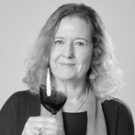
With more than a decade’s experience in the wine trade, Victoria Mulu-Munywoki is the first Kenyan native sommelier. She is an independent wine consultant, the founder of online store CELLAR254 and Captain of Team Wine Kenya. She also co-hosts the weekly Wine Wednesday segment on Kenya’s Capital FM radio station. victoriamunywoki.com
How did you get here?
I knew nothing about wine until a colleague ordered a bottle of Riesling at a working lunch in Frankfurt (I was working in finance, in Germany, at the time). That first sip made such an impression that I immediately started studying wine and visiting wineries in Europe. I was convinced that my skill set was transferable to the wine business, and it was easy to visualise the impact I could make in Africa, so when the timing was right I made the leap, and haven’t looked back since.
What’s the best thing about your job?
Helping people discover new wines and ensuring that varied wines are available and appreciated in this market gives me a huge sense of accomplishment.
And the worst?
It’s demanding! The tight deadlines required by some clients mean long hours and late nights. It’s not easy to strike a good work-life balance.
What’s your greatest moment, professionally?
Can I choose two? One is successfully pivoting from the corporate world into the wine industry. The other is recently representing Kenya and therefore Africa in the 2022 World Blind Wine Tasting Championships, in an all-female group of sommeliers. We were first-time participants, had amazing support and did so well! I’m still buzzing from competing against top sommeliers from around the world.
And your greatest mistake?
Not taking French classes seriously. I would like to be fluent in French. I plan on changing that this year.
How is fine wine retail different in Kenya than in the US, say, or Europe?
The market in most of Africa, Kenya included, is small in comparison, due to the general lack of infrastructure and distribution networks for fine wine, and lower purchasing power among consumers. Furthermore the cost of importing fine wine can be high. Fortunately, an increase in online wine sales boosted by the pandemic as well as improvements in online payment methods shows the potential.
Get our daily fine wine reviews, latest wine ratings, news and travel guides delivered straight to your inbox.
What’s the fine wine culture like there?
It’s evolving as Kenya becomes more connected to the global economy and as more people are exposed to wine from other countries. There is a rising middle class with growing disposable incomes. Tourism, plus the huge and diverse expatriate community in Kenya, also drive fine wine culture. Availability of fine wine from classic European regions is increasing, but prices are higher than in other markets.
Which regions are most in demand when it comes to fine wine, in Kenya?
South Africa holds the lion’s share of the market, followed by France, Italy and then Chile. Over the last six years, South African producers have marketed their wines aggressively in Kenya. This has influenced awareness, perception and conversion.
Do you rewrite tasting notes for an African audience?
It is essential that I taste every wine before listing because, wherever possible, I use a localised language and simple descriptors that will be familiar, relevant and meaningful to the local consumer – without alienating the international/expatriate communities.
Related articles
- Wine to 5: Tatiana Fokina, CEO of the Hedonism group
- Wine to 5: Christian Seely, MD of AXA Millésimes
- Wine to 5: Alejandro Vigil, Wines of Argentina president

Amy has 30 years' experience in publishing, and worked at a senior level for leading companies in the consumer, business-to-business and contract publishing arenas, before joining Decanter in October 2000 as Magazine Editor, aged just 28. As well as overseeing content planning and production for the print offering, she has also been involved in developing digital channels, Decanter.com and Decanter Premium.