
Aldo Fiordelli: My top 10 Italian wines of 2023
This year was jam-packed with excellent Italian wines, whether from favourable vintages such as the 2019 in Brunello and Barolo, or from retrospective tastings where older vintages were on show. Below, Aldo Fiordelli picks his top 10 wines of the year.


So excellent were the vintages released over the past year that the process of elimination when deciding my top picks of 2023 was challenging, if not nearly impossible.
In fact, I would venture that in 2023, readers would be equally impressed by the wines I didn’t select as they are by the 10 wines I did.
Scroll down to see tasting notes and scores for Aldo Fiordelli’s top 10 Italian wines of 2023
Two significant appellations provided much to celebrate in Italy: 2023 witnessed the release of Barolo and Brunello 2019 vintages; the former at the beginning of the year, and the latter very recently (the wines will hit the market in January 2024).
The number of outstanding wines tasted was considerable. 2019 is not the best vintage ever, nor is it superior to 2016 or, potentially, 2021. However, it represents a very classic vintage, with a traditional sternness in Barolo that makes it suitable for long ageing. In Montalcino, the 2019 vintage seems congruent with a certain maturity of the appellation as a whole, where the extractions are not as heavy as they were in the past, and the trend for lighter wines is embraced to the appropriate extent, resulting in wines that are deliciously balanced.
For Bolgheri, the latest 2020 vintage (my report will be published on Decanter Premium shortly) is a bit more interim, with outstanding top wines but a slightly shorter drinking window. Nevertheless, the opportunity to attend a vertical tasting of Ornellaia celebrating the 15th anniversary of the Vendemmia d’artista charity auction in Venice gave me the chance to retaste the 1998 vintage, one of the greatest wines ever made in Bolgheri. Its vibrant palate paired with a stratified depth of complexity proves the difference between a great wine and an outstanding one.
The grower effect
Scrolling through my 10 best notes, I notice a faint dominance of viticulturists – not necessarily small or boutique wineries, but producers directly involved in the farming and wine production of the estate.
I loved Brunate from Rinaldi for its post-modern complexity; a dark, powerful Barolo that is concentrated yet not without grace. A similar profile is embodied by Gianni Brunelli in Montalcino, impressive year after year for its consistency. Monvigliero from GB Burlotto and Madonna delle Grazie from Il Marroneto should be considered respectively for Barolo and Montalcino the two finest, most lithe styles, drawn together by the indisputable elegance that arises from slightly cooler microclimates.
Possibly the best wine I tasted was Montevertine Pergole Torte Riserva 1990, an Italian jewel. You might note that the classification, ‘Riserva’ doesn’t make sense here since this wine was not bottled under any appellation. In fact, producer Sergio Manetti was paying a price for that – his son, Martino, in charge of the estate today, explained that Sergio wanted to underscore the best selection from the winery intended for long ageing. Thank you, Sergio!
Three out of my ten wines are from the Chianti Classico area, ever more surprising in the long term. The recently released Solaia 2020 is destined for perfection, while Castell’in Villa Riserva is a great example of old-fashioned Gallo Nero, with detailed, powerful (we are in Castelnuovo Berardenga, after all) and dark depth.
Campania is improving year by year as a region but the selections of Roberto Di Meo, for both Greco and Fiano, are outstanding examples of the potential of Irpinia. But the big surprise of 2023 hailed from Franciacorta. Ca’ del Bosco released its 1980 vintage, which is incredibly exciting, precise and complex. It dispels all doubts about the ageing ability of sparkling wine from here, well known for its less oxidative style and the supreme quality of the grapes.
Aldo’s top 10 fine wines of 2023:
Related articles
- Barolo 2019: vintage report & 139 recommendations
- Italy’s finest white wines: 20 top bottles, region by region
- Campania wines in 2023: 30 wines to try
Ca' del Bosco, Anna Maria Clementi R.S, Franciacorta, Lombardy, Italy, 1980
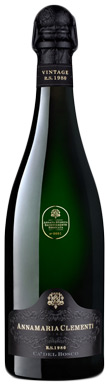

The first vintage of Ca' del Bosco ‘Riserva’ was 1979 (just 400 bottles). 1980 - just the second vintage - was at that time managed...
1980
Ca' del BoscoFranciacorta

Di Meo, Vittorio Riserva, Greco di Tufo, Campania, Italy, 2008
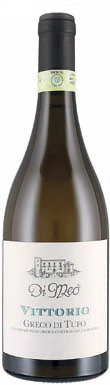
Roberto Di Meo is a responsive winemaker in Irpinia who is raising the level of viticulture and winemaking within the region. His selections of Greco...
2008
Di MeoGreco di Tufo
Il Marroneto, Madonna delle Grazie, Brunello di Montalcino, Tuscany, Italy, 2019
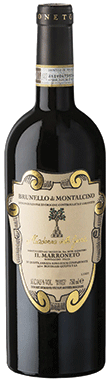
Those familiar with Il Marroneto will notice that with the 2019 vintage, the name of the estate is now at the fore on all labels....
2019
Il MarronetoBrunello di Montalcino
Giuseppe Rinaldi, Barolo Brunate, Barolo, Piedmont, Italy, 2019
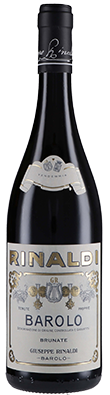
<p>The 2019 vintage is the first Brunate fully tended by Carlotta and Marta, following their father, Beppe Rinaldi's death. Typically blended with 15% of the...
2019
Giuseppe RinaldiBarolo Brunate
Ornellaia, Bolgheri, Superiore, Tuscany, Italy, 1998
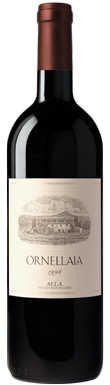
The wine of the flight, this 1998 is a wonderful wine, and it's hard to believe this is 25 years old. It has aromatic notes...
1998
OrnellaiaBolgheri
Montevertine, Le Pergole Torte, Vino da Tavola, Tuscany, Italy, 1990
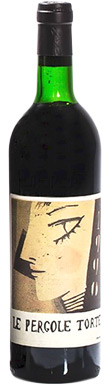
Pergole Torte 1990 Riserva was produced in small quantities of just 2,500 bottles, 1,000 magnums, plus around 400 in larger formats. The product of a...
1990
MontevertineVino da Tavola
GB Burlotto, Barolo Monvigliero, Verduno, Piedmont, Italy, 2019
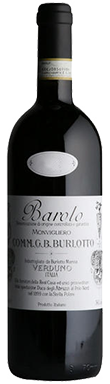
At the northernmost tip of Barolo, GB Burlotto's Monvigliero 2019 was harvested around 20 October. Fermented in big oak casks with its own yeasts and...
2019
GB BurlottoBarolo Monvigliero
Gianni Brunelli, Brunello di Montalcino, Tuscany, Italy, 2019
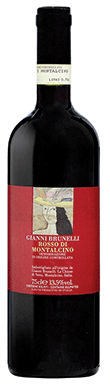
Just below Biondi-Santi in southeast Montalcino, this is one of the most classic estates of the denomination. The 2019 has a deep nose of amazing...
2019
Gianni BrunelliBrunello di Montalcino
Antinori, Solaia, Toscana, Tuscany, Italy, 2020
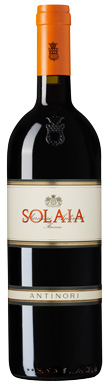
The 2020 is probably not the best ever vintage of Solaia, but in the glass it shines. The wine is dark and concentrated, with restrained...
2020
AntinoriToscana
Castell’in Villa, Riserva 'in, Chianti Classico, Riserva, Tuscany, Italy, 2016
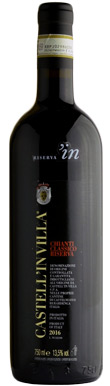
There is a particular fashion in Castell'in Villa wines. Firstly, the style is more focused on power than the freshness of Chianti Classico, due to...
2016
Castell’in VillaChianti Classico
