Italy’s finest white wines: 20 top bottles, region by region
This roll call of 20 top Italian white wines highlights the country's unparalleled number of grape varieties, which produce an array of superb wines worthy of greater acclaim than they often receive.
Get our daily fine wine reviews, latest wine ratings, news and travel guides delivered straight to your inbox.
You are now subscribed
Your newsletter sign-up was successful
Mattia Spedicato, wine manager at Michelin three-star Geranium in Copenhagen (No1 in The World’s 50 Best Restaurants 2022 list), impressed producers last October in Sicily when he confessed that two-thirds of the restaurant’s wine list is dedicated to white wines: in the past, an old vintage of a Chardonnay, a Fiano or a Trebbiano was presumed unsellable as consumers were wary of white wines more than a year or two old.
Scroll down to see tasting notes and scores for 20 of Italy’s finest white wines
‘Fine white wines are lacking in Italy,’ stated Antinori’s CEO Renzo Cotarella during the launch of a new top-shelf Chardonnay, Nibbio, produced at the company’s Umbrian estate Castello della Sala, also the source of the prestigious Cervaro della Sala.
For me, the turning point in the perception of Italy’s fine whites was a decade ago.
Frescobaldi released the 2013 first vintage of Ornellaia Bianco in 2015, and today, in part due to limited quantity, it costs more than its red sibling. Now, however, Italy can claim at least one superb white wine in every region.
In the south, Basilicata, Calabria, Molise and Puglia do struggle more than the rest, given their almost complete focus on red wine production, although there are still some good examples to be found.
Emilia Romagna has its own gem in the Albana variety, and Liguria and Sardinia have Vermentino.
Deep knowledge and business expertise in key regions such as Piedmont and Tuscany have enabled the introduction of wines such as Gaia & Rey (first vintage 1983), Querciabella’s Batàr (1988), and in Umbria the Cervaro della Sala (1985).
Get our daily fine wine reviews, latest wine ratings, news and travel guides delivered straight to your inbox.
In Alto Adige, Rarity from Cantina Terlano (1979) is made using the so-called ‘Stocker method’ of extremely long lees ageing.
National treasures
These wines showed producers that it was possible to make the leap from commercial appeal to the fine wine market.
Other great examples followed, such as Aloïs Lageder’s dense Löwengang Chardonnay, Dipoli’s steely Voglar Sauvignon Blanc and Cantina Tramin’s Epokale Gewürztraminer, all from Alto Adige.
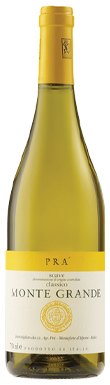
In Veneto, Pieropan proved the potential of Soave Classico, pursued with success by others, as in Prà’s Monte Grande and Gini’s Contrada Salvarenza.
Friuli Venezia Giulia has possibly the best soils for white wine in all of Italy (‘ponca’, ancient marine sedimentary marls), though this has not always been linked with top-end wines.
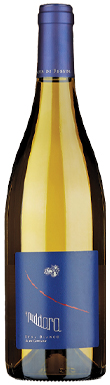
Further south, Campania is finally emerging with quality Fiano after years of inconsistency. Etna’s volcanic soil and altitude puts Sicily front and centre on the map for vibrant whites, such as Frank Cornelissen’s complex Munjebel, I Custodi delle Vigne dell’Etna’s whites, Tenuta di Fessina’s A’ Puddara, and Feudo Cavaliere’s Millemetri Bianco.
On the Adriatic side, the elegant strength of Verdicchio is raising the reputation of the Marche region’s older and younger producers, such as Villa Bucci and Pievalta.
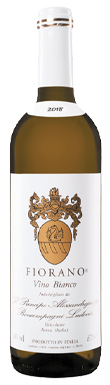
Then there are niche gems, such as Aosta valley’s Chambave sub-zone in the far northwest, with the mineral tanginess of its Muscat; and the welcome return of densely textured Viognier and Grechetto from Boncompagni Ludovisi at Tenuta di Fiorano near Rome in Lazio.
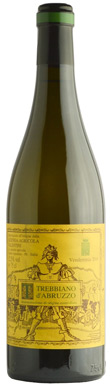
At the top of the quality pyramid since the 1970s is Valentini, whose cult Trebbiano d’Abruzzo embodies the vibrancy and stunning ageing potential of current head Francesco Paolo’s wines.
Even Trebbiano Toscano is under a deep rediscovery due to its ability to retain acidity later into the growing season. Examples such as Bòggina from Petrolo, or the IGT Monteraponi in Chianti Classico, are fine whites to look out for.
Clearly Italy’s significant patrimony today is not just one great white wine from each region, but a treasure of biodiversity and a changed mindset about the undeniable potential and quality of the country’s fine white wines.
20 of Italy’s finest white wines tasted & rated
Related articles
Around Italy in 25 wines
Indigenous Italy: Classic wines with regional flair
Cervaro della Sala: Creating a world-class white wine
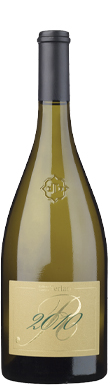
Cantina Terlano, Rarity, Alto Adige/Südtirol, Terlaner, Trentino-Alto Adige, Italy, 2010

Stylish and restrained lychee, apricot kernel, vibrant citrus and rosebud are accompanied by a lifted, tingling structure; lively, polished and savoury. It's not easy to describe the filigreed and sober elegance of wines like this one, but it should be considered one of the best Italian whites. 2010 is the new release of 100% Pinot Bianco, Rarity. It undergoes a slow fermentation in stainless steel tanks then ages on its lees in big wooden barrels for 12 months, followed by further ageing on the lees in steel tanks without filtering or fining for 11 years (the so–called ‘Stocker method’).
2010
Trentino-Alto AdigeItaly
Cantina TerlanoAlto Adige/Südtirol
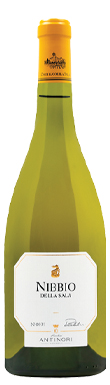
Antinori, Castello della Sala, Nibbio, Umbria, Italy, 2019

The nose shines for its wild fennel aroma which melds with grapefruit and minerality in depth. Smooth rather than zesty, it's an astonishing Chardonnay with adamant Montrachet appeal. Nibbio is the latest wine from Antinori in Umbria, who produced 5,800 bottles for the first time in the 2019 vintage. Since 1985, the Marchese Piero Antinori produced the celebrated Cervaro della Sala, a blend of Chardonnay and Grechetto. ‘In these years we refined and refined the wine, minimising Grechetto in favour of Chardonnay. But in 2019, we decided to vinify a northern vineyard of pure Chardonnay by itself.’
2019
UmbriaItaly
Antinori
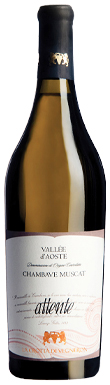
La Crotta di Vegneron, Attente Muscat, Chambave, Valle d’Aosta, Italy, 2020

Aromas of passion fruit, sage, white peach, vibrant rosewater and rocky minerality are supported by a super–tense structure with zesty acidity and a luscious finish, combining the smoothness of Alsatian Gewurztraminer with the steeliness of German Riesling. Chambave is a niche appellation in the Aosta valley, and this wine is made by a cooperative of 53 families. The coop's top selection of Muscat, it's fermented in stainless steel and aged in big oak vessels. It's rare to taste a Muscat with its intense aromatic profile but also so vibrant, mineral and complex.
2020
Valle d’AostaItaly
La Crotta di VegneronChambave
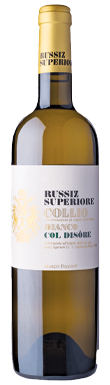
Marco Felluga, Russiz Superiore, Col Disôre Bianco, Collio, Friuli-Venezia Giulia, Italy, 2018

Col Disôre is a blend of Pinot Bianco, Friulano, Sauvignon Blanc and Ribolla Gialla from the typical ponca flysch soil of Collio, which brings to the wine a marvellous vibrancy and minerality. When the minerality of Collio meets this kind of concentration, the match is great. Subtle toasty aromas with rose and peach skin feature marine influence and bright fern scents. The attack is soft, smooth, dense and rich, supported by elegant lifted acidity. The finish is still oaky, but your patience will be rewarded.
2018
Friuli-Venezia GiuliaItaly
Marco FellugaCollio
Tenuta di Fessina, A' Puddara, Etna, Sicily, Italy, 2020

A stunning complexity assaults the nose, with cedar, flint, rich passion fruit and grapefruit pith. The body is lean, not vibrant but tense, filigreed and silky. The acidity is zesty but well integrated. A good demonstration of elegance in a white wine. A' Puddara is a Carricante from 2ha of south–facing vines planted in 1950 in Biancavilla on Mount Etna at 900m. The wine is fermented in oak vessels, where it ages for up to eight months.
2020
SicilyItaly
Tenuta di FessinaEtna
Tenuta di Fiorano, Fiorano Bianco, Lazio, Italy, 2018

Old vintages of Fiorano Bianco based on 100% Semillon are a kind of myth among wine collectors. Today, as a blend of Grechetto and Viognier aged in oak and chestnut barrels, it is staging a comeback, with an extraordinary texture and concentration. This interpretation exhibits apricot fruit, plasticine and peach kernel, with Corton Charlemagne–like richness. The wood is well integrated, the acidity brilliant, but it's the full, super–mellow concentration which impressed the most.
2018
LazioItaly
Tenuta di Fiorano
Valentini, Trebbiano d’Abruzzo, Abruzzo, Italy, 2018

2018 is a leaner vintage, but not less elegant, and is full of intensity and details: lemony minerality, sweet yellow grapefruit, a lot of fern and subtle briney savouriness which is a signature of this wine. It's a flinty wine focused on elegance; silky textured with refreshing, delicate acidity and amazing length to the finish. With proper balance and concentration, it's a major success for a vintage of mostly lean wines. ‘Uncork the wine a couple of hours before you drink it; a slow awakening,’ said passionate viticulturist Francesco Paolo Valentini. I was impressed by this estate's wines from the 1970s when I tasted them a few years ago and they were still in shape – his Trebbiano from Abruzzo is renowned for its ability to age.
2018
AbruzzoItaly
ValentiniTrebbiano d’Abruzzo
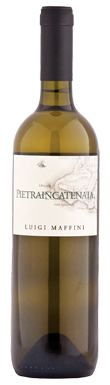
Luigi Maffini, Pietraincatenata Fiano, Cilento, Campania, Italy, 2021

Mirabelle plum on the nose, with candied banana, fern and lemon peel notes. The attack is vibrant, with concentration, weight and long acidity allied to polite and well-integrated oak. A great wine in a great vintage. What I like from Cilento Fiano is the limestone soil compared to a volcanic soil, which gives a more silky texture and elegance on the palate, with no smoky character. ‘The 2021 is a vintage which has convinced us. It was a vintage where richness, complexity and elegance are well represented,’ Luigi told me.
2021
CampaniaItaly
Luigi MaffiniCilento
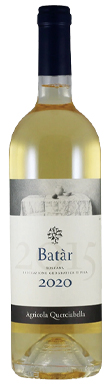
Querciabella, Batàr, Tuscany, Italy, 2020

The 2020 vintage is more herbal than usual, with sage, thyme and a citrussy character, then its typical peach kernel core. The attack is full, silky, concentrated and textured, yet vibrant on the finish.One of the most sought after white wines of Italy, with proven ability to age, Batàr originates from vineyards in Ruffoli, in Greve in Chianti, some of which reach 600m. The Chardonnay and Pinot Bianco grapes are fermented and aged for nine months in French oak. It's a very classic white SuperTuscan (first vintage was 1988) with a stylish Corton-Charlemagne attitude.
2020
TuscanyItaly
Querciabella
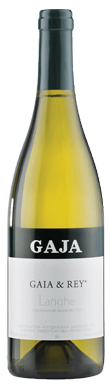
Gaja, Gaia & Rey, Langhe, Piedmont, Italy, 2020

The delicate 2020 has a toasty aroma with pink grapefruit, then lemon candy and stone fruit flavours. Full, silky and mellow, but with a final zip of freshness.These, the first Chardonnay vines planted in Langhe in 1979 in Treiso (then the estate’s highest-altitude vineyard), produced the fruit for Gaia & Rey, which was first produced in 1983. Fermented and aged in new French oak.
2020
PiedmontItaly
GajaLanghe
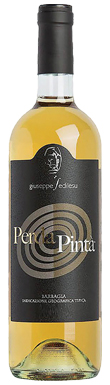
Giuseppe Sedilesu, Perda Pintà, Barbagia, Sardinia, Italy, 2021

Baked apple, angelica and seaweed peep out from the alcoholic density of the wine, showing all the warmth of the high Mamoiada region. Mellow on the palate, it's very refreshing, with a full, phenolic finish. An old fashioned wine of great personality. While several great Vermentino wines are present in Sardinia, this is an almost unique white made instead from Granatza, which is not Grenache Blanc but much closer to Guarnaccia Bianca Calabrese. Vinified in 30hl oak vessels and aged for around 10 months, it produces a soulful and powerful white wine that's on the edge of an off–dry style (4g/l residual sugar).
2021
SardiniaItaly
Giuseppe SedilesuBarbagia
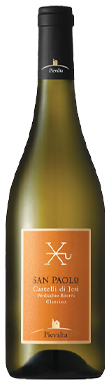
Pievalta, San Paolo Riserva, Verdicchio dei Castelli di Jesi, Classico, Le Marche, Italy, 2020

San Paolo Riserva is well known for its restraint. In 2020, a generous vintage, it persists on a lime peel character, with sage, spring flower freshness and assertive youthfulness. Bone-dry on the attack, with firm acidity as expected from a great Verdicchio, it's then tightly woven with fruit in a chalky, mineral finish. This is a wine you have to wait for, which I like! From sandstone and limestone soil at 400m, this Verdicchio is fermented with indigenous yeast in concrete then aged in big oak vessels.
2020
Le MarcheItaly
PievaltaVerdicchio dei Castelli di Jesi
Prà, Monte Grande, Soave, Classico, Veneto, Italy, 2020

Vibrant and mineral, it's full of lemongrass, wax, seaweed and lemon candy with a peaty depth and hints of noble rot. The wine is concentrated, acidic at first then wrapped up in a woven structure, with a youthful, biting finish – a palate that defies time. Impressive price-to-quality-ratio. From 40-year-old vines on volcanic soil, this is a blend of slightly late-harvested Garganega, with Trebbiano intended to preserve the acidity. Both grapes are fermented in 30hl Allier oak vessels and aged for 12 months on the lees.
2020
VenetoItaly
PràSoave
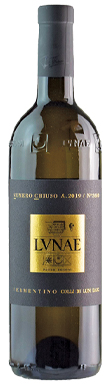
Cantine Lunae Bosoni, Numero Chiuso Vermentino, Colli di Luni, Liguria, Italy, 2019

Precise and intensely floral, with broom aromas combined with peach and a remarkable savouriness, if not saltiness, from the nearby sea. Woven in texture, silky and weighted, it has long, crisp acidity without the typical rough edges of Vermentino phenolics. A broad Vermentino with great potential for ageing. Numero Chiuso is the personal project of Diego Bosoni, the new generation at the biggest estate in Liguria. The best Vermentino grapes are reserved for longer ageing in big oak vessels.
2019
LiguriaItaly
Cantine Lunae BosoniColli di Luni
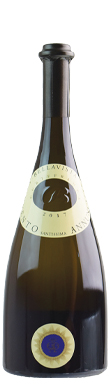
Bellavista, Convento Santissima Annunciata, Curtefranca, Lombardy, Italy, 2017

Despite the heat of the vintage, this is vibrant and leesy on the nose, with yellow peach skin, banana and liquorice stick in depth. It develops an apricot juice flavour and a cappuccino-like toasty finish. Not impressively concentrated in this vintage, it's nonetheless refreshing and finishes with great precision and length. This Chardonnay comes from a walled clos of 28-year-old vines below the Santissima Annunciata monastery above the Monte Orfano. Fermented in three- to four-year-old oak barrels and aged for 12 months in oak, it's then matured for two more years in bottle.
2017
LombardyItaly
BellavistaCurtefranca
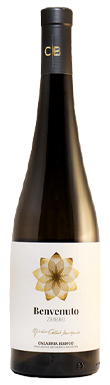
Benvenuto, Zibibbo, Calabria, Italy, 2021

Southern Italy's affinity for Zibibbo (Muscat of Alexandria) is well known, and Benvenuto has here pulled out of the hat a great dry version offering precise aromas of lychee and rosewater with a marine whiff, followed by a very floral palate sustained by electric acidity and combining with some savouriness. Despite its aromatic character, the wine does not tire and the slightly bitter finish introduces another layer in the experience. An impressive surprise with great personality.
2021
CalabriaItaly
Benvenuto
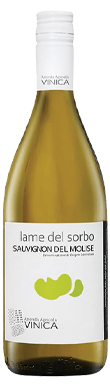
Agricola Vinica, Lame del Sorbo Sauvignon, Molise, Italy, 2020

Classic and detailed. Fairly reductive at first, it then focuses on lychee and lemon essential oils, with green apple and minerality. The body is lean, the acidity crisp and the overall structure biting with a slightly phenolic finish. Best enjoyed with Italian cheese. Planted at 600m and fermented in stainless steel tanks with indigenous yeast and no temperature control. Aged for 12 months on the lees.
2020
MoliseItaly
Agricola Vinica
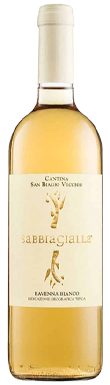
Cantina San Biagio Vecchio, SabbiaGialla, Ravenna, Emilia-Romagna, Italy, 2020

Opens up to reveal macerated flowers, Golden Delicious apple and an assertive, leesy character. Very appley and savoury on the palate, it shines for its rustic, almost tannic, fiercely refreshing structure. After one day of maceration on the skins, this organic Albana planted in 1990 is fermented in stainless steel tanks and aged for 12 months on its lees. It's sometimes slightly affected by noble rot, but apparently not in 2020.
2020
Emilia-RomagnaItaly
Cantina San Biagio VecchioRavenna
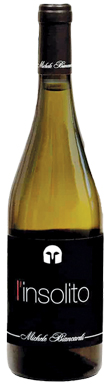
Michele Biancardi, L'Insolito, Puglia, Italy, 2021

Intense apricot and peach tea aroma with a vibrancy of delicate yet savoury acidity. Textured enough, it seems to be somewhere between wine and fruit juice, such is its drinkability! Based on Fiano Minutolo harvested in the Gargano promontory facing the Adriatic sea, the grapes are chilled and gently pressed before vinification at a controlled temperature in order to preserve their freshness in the warm region of Puglia.
2021
PugliaItaly
Michele Biancardi
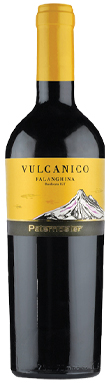
Paternoster, Vulcanico Falanghina, Basilicata, Italy, 2020

Lean and lemony, juicy with a subtle, smoky vibrancy and delicate acidity, leading to a precise finish. Basilicata is a red wine region, but from its volcanic soils can spring some deliciously drinkable whites, too. Here, the Tommasi family of Valpolicella fame shows the potential for Falanghina, which has much affinity for volcanic soils, whether in Basilicata or in Campania's Campi Flegrei.
2020
BasilicataItaly
Paternoster

Aldo Fiordelli is an Italian wine critic, journalist and wine writer. He has published four books about food, wine and art and is a regular Decanter contributor.
In Italy he is an editorial board member of L’Espresso restaurant and wine guide (one of Italy’s most prominent) since 2004. He also writes for Corriere della sera in Florence, as well as Civiltà del Bere (Italy’s oldest Italian wine magazine).
A certified sommelier since 2003, he is currently a 2nd stage student at the Institute of the Masters of Wine.
In 2017 he was named Chevalier de l’Ordre des Coteaux de Champagne.
Aldo joined DWWA for the first time as a judge in 2019.