
Another addition to the Chianti quality pyramid: tasting Rùfina’s Terraelectae wines
In response to Chianti Classico’s top category Gran Selezione, producers in Chianti Rùfina have added the new category Terraelectae to their quality pyramid, starting with the 2018 vintage.


Federico Giuntini Masseti, president of the Chianti Rùfina Consorzio, says that the purpose of Terraelectae – Chianti Rùfina’s new top-tier category- is to highlight the special character of the Sangiovese-based wines from Rùfina’s unique terroir. The producers hope the category will allow Chianti Rùfina to emerge from Chianti Classico’s shadow and be considered a top Tuscan DOCG, like Brunello.
Scroll down to see tasting notes and scores for the 10 inaugural Terraelectae wines
Chianti Rùfina, the smallest of the sub-regions of the greater Chianti area – just one-tenth the size of Chianti Classico – lies about 30 minutes by car northeast of Florence.
With a more rugged terrain and vineyards that lie at a higher elevation, the region has an overall cooler climate compared to Chianti Classico, which gives the wines a more savory and engaging wild component – Gerardo Gondi of Tenuta Bossi, one of Rùfina’s top estates, aptly calls the wines ‘mountain Chianti.’
Faye Lotero, owner of Fattoria Lavacchio, another leading estate, believes that Chianti Rùfina has an advantage with climate change because of its elevation and wind-swept terroir. Meanwhile, the under-the-radar status of Chianti Rùfina is a boon for consumers because the wines deliver more than their prices suggest.
Terraelectae requirements
The requirements for Terraelectae differ from those of Chianti Classico’s Gran Selezione category, which need not come from a single vineyard, nor be made entirely from Sangiovese. In contrast, to be included in the new Terraelectae category the wines must meet Chianti Rùfina Riserva standards, come from a single vineyard, and be made exclusively from Sangiovese.
Other regulations require that Terraelectae be made from a reduced yield (70 quintals/ha) and undergo 30 months of ageing prior to release, 18 of which must be in barrel and six in bottle. The specifics of barrel ageing – size and age of the barrel, and the type and origin of the wood – are left to individual producers.
Each producer in Chianti Rùfina – there are only about 20 of them – can select a single vineyard for their Terraelectae bottling. If the wine meets the requirements and receives approval from a group of Chianti Rùfina producers, it will carry the Terraelectae moniker on the label. The producers themselves, not a regulatory authority, have set the criteria for inclusion and judge the quality and character of the wines.
Ten producers have designated a Terraelectae with the 2018 vintage: Tenuta Bossi, Colognole, Frascole, Marchese Frescobaldi, Grignano, Fattoria Lavacchio, Fattoria Selvapiana, Villa Travagnoli, Castello del Trebbio, and I Veroni.
That three more producers – Podere Il Pozzo, Fattoria Il Lago and Ormae Vinae – opted to wait and release their first Terraelectae with the 2019 or 2020 vintage is either a sign that that the self-policing by producers may be working, or is just an example of inefficiency or indecisiveness.
Predicting the future success of new wine projects is hazardous. Who would have predicted the popularity of Bolgheri wines? That said, Terraelectae has at least one thing going for it – SuperTuscan wines are not common in Chianti Rùfina, so the confusion that has arisen in Chianti Classico about whether a producer’s Gran Selezione or their SuperTuscan sits atop the quality pyramid is unlikely to surface.
As the tasting notes indicate, the 2018 Terraelectae releases showed very well, with almost all receiving more than 90 points. If the wines remain high-quality and a unique expression of Sangiovese reflecting the distinctive terroir of Chianti Rùfina, the Terraelectae moniker on the label will be useful to consumers. Self-policing by producers will be critical and will ultimately determine whether the Terraelectae designation elevates the entire region or is meaningless.
The 10 inaugural Terraelectae wines:
Related articles
- Dievole Novocento Chianti Classico Riserva: 25 vintages tasted
- Chianti Classico Riserva 2019 & late releases
- Chianti Rùfina: regional profile plus top wines worth seeking out
Fattoria Selvapiana, Vigneto Erchi Riserva, Chianti, Rufina, Tuscany, Italy, 2018
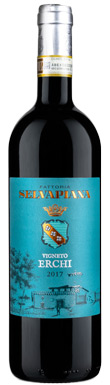

Fattoria Selvapiana, one of the area’s top producers, designated their 5ha Vigna Erchi, a site that has more iron in the soil compared to their...
2018
Fattoria SelvapianaChianti

Frescobaldi, Vigna Montesodi Riserva, Chianti, Rufina, Tuscany, Italy, 2018
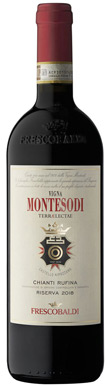
Marchese Frescobaldi are based in Chianti Rùfina and are by far the largest producer. They have been making wine from their 20ha Vigna Montesodi for...
2018
FrescobaldiChianti
Tenuta Bossi, Vigna Poggio Diamante Riserva, Chianti, Rufina, Tuscany, Italy, 2018
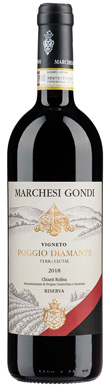
Marchese Gondi’s estate, Tenuta Bossi, which dates from the 16th century, opted to use the best section of their southwest-facing Vigna Poggio Diamante for their...
2018
Tenuta BossiChianti
Fattoria Lavacchio, Vigna Casanova Riserva, Chianti, Rufina, Tuscany, Italy, 2018
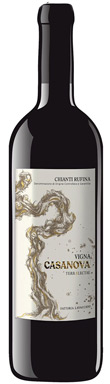
Faye Lotero of Fattoria Lavacchio selected their 1.8ha organically farmed Vigna Casanova for their Terraelectae label. Planted in 1963, the clay- and limestone-filled vineyard sits...
2018
Fattoria LavacchioChianti
Grignano, Vigneto Poggio Gualtieri Riserva, Chianti, Rufina, Tuscany, Italy, 2018
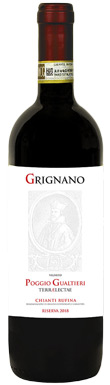
Grignano relied on a 1.8ha portion of their southeast-facing Vigneto Poggio Gualtieri, which they consider their best vineyard, for their 2018 Terraelectae. The wine ages...
2018
GrignanoChianti
Travignoli, Vigna Colonneto Riserva, Chianti, Rufina, Tuscany, Italy, 2018
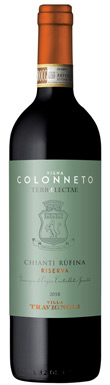
The clay and limestone Colonneto vineyard, a 3.1ha expanse, is ideally situated, facing south at 310 metres high. Clemente Busi, whose family owns Travignoli, explains...
2018
TravignoliChianti
Colognole, Vigneto Le Rogaie Riserva, Chianti, Rufina, Tuscany, Italy, 2018
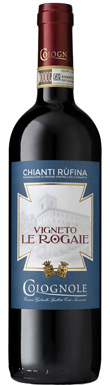
The Nunzinate brothers, Mario and Cesare planted Vigneto Le Rogaie about two decades ago. They could have extended it another 100 metres but didn’t because...
2018
ColognoleChianti
Castello del Trebbio, Vigneto Lastricato Riserva, Chianti, Rufina, Tuscany, Italy, 2018
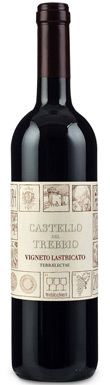
Castello del Trebbio, constructed in the 12th century by the Pazzi family, has been making a Chianti Rùfina Riserva from their 2.6ha Vigneto Lastricato for...
2018
Castello del TrebbioChianti
Frascole, Vigna alla Stele Riserva, Chianti, Rufina, Tuscany, Italy, 2018
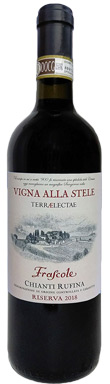
Frascole, whose vines have been tended organically since 1999, selected the southwest-facing Vigna alla Stele for their Terraelectae label. Situated at 360 metres, this 0.72ha...
2018
FrascoleChianti
I Veroni, Vigneto Quona Riserva, Chianti, Rufina, Tuscany, Italy, 2018
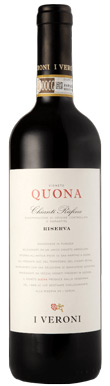
Luca Innocenti, I Veroni’s longtime marketing manager, describes the southwest-facing 5.5ha Vigneto Quona as 'on a gold hill with spectacular exposure to the sun.' Sitting...
2018
I VeroniChianti
