
Australian Shiraz: Panel tasting results


Already the country’s most widely planted grape, increased stylistic diversity and an expansion into new terroirs point to an even brighter future, says Anthony Rose...
165 wines tasted with two rated Exceptional and eight Outstanding
The panel tasters were: Tina Gellie, Roger Jones and Anthony Rose
Accounting for nearly half of Australia’s red wine harvest, Shiraz is the country’s signature grape variety. With a crush of half a million tonnes last year – more than both Chardonnay and Cabernet Sauvignon – Shiraz throws sand in the faces of its closest rivals. But it’s not just about size; Shiraz also impresses with the expanding spread of regions where it is able to flourish.
From a French perspective, Syrah is at its best in the marginal climate of the cool northern Rhône. In the southern Rhône, it needs Grenache and Mourvèdre to bolster it. If that were true of Australia, Shiraz should only by rights flourish in the cool climates of South Australia’s Coonawarra and Eden Valley, or the Grampians and Yarra Valley in Victoria.
The fact that it flourishes elsewhere is down to unique circumstances in Australia. As Brian Croser says: ‘In the benign climate belt between 32° and 38° south, on the oldest geology and soils on the globe, Australia’s unique latitudinal 5,000km southern coastal interface with the globe’s coldest ocean… provides unique growing circumstances for this most adaptable of varieties.’
Scroll down to see the top wines from this panel tasting
On the right path
In this way, Shiraz is capable of retaining the acidity, aroma, generosity of fruit and fine texture required to produce different styles from a broad diversity of terroirs. Styles divide broadly between the powerful opulence of hot Barossa Valley (and to an extent the inland regions); the more restrained, spicy reds of warm McLaren Vale, Clare Valley and Heathcote, as well as milder Yarra Valley, Eden Valley, Coonawarra and Great Western; then the intensely perfumed, elegant wines of the cooler Adelaide Hills, Canberra and Grampians.
Quick link: View all 165 wines from this panel tasting
In tandem with the opening-up of new terroirs, there’s been a trend away from power and oak to a more refreshing style. Better vineyard management to reduce vigour and yield, balance leaf canopy and harvest more intelligently make a contribution, along with cellar techniques such as small batch fermentation, hand-plunging, whole bunches and better use of oak.
Thanks to the adaptability of the Aussies, there’s an ongoing redraft of the viticultural map of Australia in general – and Shiraz in particular. Even if radical shifts occur due to climate change, over a third of Australia’s vineyards are as cool as Bordeaux and can benefit in the short term from warmer temperatures. So Shiraz seems set to flourish as the growing territorial diversity manifests itself across an equal diversity of wine styles.
The scores
165 wines tasted
Entry criteria: Producers and UK agents were invited to submit their latest-release Australian Shiraz (85% minimum), priced at £15 or more. One wine per producer was permitted.
Exceptional 2
Outstanding 8
Highly Recommended 84
Recommended 67
Commended 4
Fair 0
Poor 0
Faulty 0
Continue reading below
Exceptional & Outstanding wines from the panel tasting:
See all 165 wines from the panel tasting
The results
The Shiraz landscape is shifting and there are many excellent wines at the premium level – especially if you wait a few years before opening them, says Amy Wislocki.
After two days tasting their way through 165 Australian Shiraz priced at £15 and above, our experts emerged ebullient. ‘Delighted!’ exclaimed Roger Jones. ‘On this showing, I’m impressed by where Australia is going in terms of its premium Shiraz,’ agreed Tina Gellie.
The competition from other global wine regions is stiff. ‘There’s Hawke’s Bay in New Zealand, for example,’ said Jones, ‘and South Africa is on the up.’ Anthony Rose concurred: ‘Many countries and regions are doing a fantastic job with Shiraz, but Australia is still at the forefront of that variety and breadth of regionality.’
In the discussion around specific regions, there were clear front-runners. Gellie pronounced Adelaide Hills ‘by far the standout region’ for its purity and vibrancy.
For Jones, it was Adelaide Hills too, with Clare Valley hot on its heels. ‘Adelaide Hills was absolutely stunning: fresh, focused, exciting and linear. It’s Syrah to me, not Shiraz. You sip these wines and it’s perfection. Clare is another exciting area – I like the perfumed restraint and elegance. I think it will take over from Barossa,’ he said.
‘In a sense, Adelaide Hills is a newcomer and it did brilliantly in the tasting,’ added Rose, who also loved the Clare wines. He also tipped Frankland River in Western Australia as a promising source of premium Shiraz.
As Rose pointed out, however, winemaking styles are so varied that it would be misleading to attribute a single style to each region. ‘The region is a guideline, but what’s more important – and more interesting ultimately – is the producer, the brand and the winemaker,’ he said. ‘Within each region there’s a massive variation in winemaking styles, from the almost medium-bodied to the very full-bodied to the overly full-bodied, super-ripe, Porty styles that are traditional.’
He added that the best wines were those that have ‘human input in the vineyard; where the winemaker has made sure to have raw material which constitutes 90% of the quality and character of the wine. The quality in the vineyard really shone through.’
The main message to come through was that these are, in the main, wines that need time to show at their best. ‘Please buy these young wines, but give them time in the cellar,’ urged Rose, ‘in particular the Barossa and McLaren Vale wines. Eight, 10 or even 12 years makes all the difference when it comes to complexity.’
‘We worked out quite quickly that you can’t taste Barossa wines for at least three or four years – and I’d hold off drinking them for at least 10,’ agreed Jones. ‘Lower-priced wines don’t need as much cellar time, but I’m concerned that producers are releasing £60 bottles of 2016 Shiraz now.’ Gellie agreed. ‘I know it’s expensive to keep wines back, but these are being released too early,’ she said. ‘The best wines were those with three or four years of bottle age, and unfortunately most consumers aren’t getting to see or appreciate them.’
‘Overall, 2014 seemed to be the point at which we could taste the maturing style of wine people would want to buy – savoury wines with more nuance and interest,’ she added. ‘The 2016s and 2015s were pretty closed,’ agreed Jones. ‘Once you got to the 2014s you suddenly saw excitement.’
Buy these premium wines, our tasters agreed, be patient and lay them down – even for just a few years, though ideally longer – and you’ll be rewarded.
Our tasters each pick their top 3 wines from the tasting:
Tina Gellie
Gellie is Decanter’s associate editor and has worked for the brand since 2008. An awarded wine writer and editor, she won several scholarships on the way to getting her WSET Diploma. She has more than 15 years’ experience in wine publishing, including as acting editor of Wine International. Before her wine career she was a newspaper journalist in London and Australia.
Vinteloper, SH/14, Adelaide Hills 2014
I’ve always loved David Bowley’s wines, and the move to sourcing Shiraz grapes from Adelaide Hills over McLaren Vale shows in its bright acidity and fresh fruit purity. Lifted and balanced; the 18 months of oak are well integrated. 98 Drink 2018-2026
Castagna, Genesis, McLaren Vale 2013
Julian Castagna’s lifted, vital Shiraz-Viognier blend from a 4ha biodynamic vineyard was a joy after so many over-oaked, high-alcohol examples. Violets and leathery blackcurrants on a silky palate with dusty, sappy elegance. 97 Drink 2018-2025
Payten & Jones, Major Kong, Yarra Valley 2015
A lighter, more quaffable style of Shiraz from 50% whole bunch and 50% whole berry fruit, bottled unfined and unfiltered with just nine months of oak to keep the bacony blue fruits to the fore. 95 Drink 2018-2024
Roger Jones
Jones and his wife Sue own Michelin-starred restaurant The Harrow at Little Bedwyn. His combined talents as a wine critic and chef have seen him set up Restaurant Australia for Wine Australia and The Tri Nations Wine Challenge to promote the wines of South Africa, New Zealand and Australia. He is wine consultant to The Caterer and contributing editor for The-Buyer.net.
Sidewood, Mappinga, Adelaide Hills 2015
This sustainable Adelaide Hills winery was founded in 2004 by Owen and Cassandra Inglis. Winemaker is Darryl Catlin, previously of Shaw + Smith. A beautiful, complete wine, which also shows great value. 98 Drink 2018-2025
Kilikanoon, Attinga 1865, Clare Valley 2013
This has stepped up a level since we judged it a Gold at last year’s DWWA. Hand-picked fruit from 150-yearold vines give this Clare Valley wine deep intensity but while still keeping a youthful feel. 98 Drink 2018-2028
Rolf Binder, Heyson, Barossa Valley 2013
An opulent wine that’s still youthful, made from dry-grown Barossa Shiraz planted in 1972, with a touch of Cabernet (4%). Balanced perfectly, with immense purity. 98 Drink 2018-2025
Anthony Rose
Rose is a wine critic who contributes to a variety of publications, including Decanter and The World of Fine Wine. He has won a number of awards, among them three Glenfiddich Wine Writer of the Year Awards and a Louis Roederer International Wine Columnist of the Year Award. A founding member of The Wine Gang, his own blog is anthonyrosewine.com.
Sidewood, Mappinga, Adelaide Hills 2015
The elegantly perfumed Adelaide Hills Shiraz is sourced from Ashwood estate. Marked by a spine of cool-climate acidity that balances the rich blackberry fruit. 98 Drink 2018-2025
Savaterre, Beechworth, Victoria 2014
The Beechworth region is clearly no one-trick pony as winemaker Keppell Smith’s delicious, Côte-Rôtie-like Shiraz from the Victorian Alps attests, with its pepper and spice notes and silky texture. 96 Drink 2019-2026
Schild Estate, Ben Schild Reserve, Barossa Valley 2014
When the Barossa Valley gets it right, it’s capable of producing some of the best-value Shiraz in the world. This excellent value red has succulently dark fruit and smoked meat notes. 95 Drink 2018-2025
Australian Shiraz: the facts
Area planted 39,893ha in 2017 (Australia’s most widely planted variety, 46% of plantings); peaked at about 45,000ha in 2009
Production More than 500,000 tonnes in 2017 (47% of red crush; national average purchase price per tonne up by 12%)
Top regions by volume Riverland (26%), Murray Darling-Swan Hill (15%), Riverina (14%) Top ‘cooler’ climate regions Barossa Valley (11%), McLaren Vale (6%) Top export destination China
Australian Shiraz: vintages
2017 Volumes were 15% up on 2016. A later harvest meant good overall quality.
2016 Started out warm, with a cool growing season. Early harvest for structured, well-balanced fruit.
2015 Warm year with rapid ripening: generosity, perfume and silky textures.
2014 Cool and late season after a warm summer. Good ripening gave intense aromatics and flavours.
2013 Hot and dry. Forward and generous wines, but aromatics are subdued on occasion.
2012 Cool and dry summer led to a fine, concentrated vintage.
2011 Cold, wet and late; a vintage to forget for many. Yet good in Western Australia.
2010 Mild, with a long growing season. This was a classic year.
2009 Reduced volumes but wines were generously textured.
Other articles for Premium subscribers:
Australian Riesling: Panel tasting results
Chianti Classico 2013 & 2014 top tiers: Panel tasting results
Super Tuscan evolution: Comparing Tignanello and Solaia
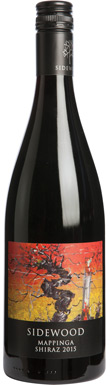
Sidewood Estate, Mappinga Shiraz, Adelaide Hills, South Australia, Australia, 2015
98
Sidewood was only founded in 2004, but is now the largest sustainable winery in the Adelaide Hills. Should you ever visit the estate in the autumn or winter, you may do a double-take at the sight of flocks of sheep nibbling their way between the rows of vines. These are not escapees from the nearby farm, but an integral part of Sidewood’s methodology, acting as roaming weed killers and fertilisers, where the environment is at the core of its practices. Winemaker Darryl Catlin covers the hard yards in the vineyards, selecting the best fruit from the best parcels for this Shiraz. It is fermented in barrel, with 25%-30% whole bunch, after which it spends 18 months in new and one-year-old French barriques. Tine Gellie: Lovely savoury aromas of spiced leather lead into a developing fruit palate of dark berries and sappy, whole-bunch fruit tannins. Refreshing acidity makes it very quaffable. A top-drawer Shiraz that will mature well. Roger Jones: A beautiful, savoury nose leads into a palate of gentle, evolving fruit with classy, restrained elegance. It has nice acidity, making this fresh, clean, vibrant and exciting - a real feminine style. Just stunning. Anthony Rose: Excellent vibrant, spicy aromatics are followed by an intense and concentrated palate with a rich, dark berry quality. It has a spine of incisive cool-climate acidity and firm, sinewy tannins for structure. Finessed and complete.
2015
Sidewood EstateAdelaide Hills
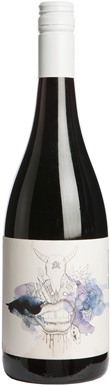
Vinteloper, SH/14, Adelaide Hills, South Australia, Australia, 2014
98
Vinteloper was founded by husband and wife team, David and Sharon. David cut his teeth in both France and Australia before his Vinteloper journey began in 2008. He sources fruit from a clutch of small-scale vineyards that span Adelaide Hills, as well as boosting their volume with farm-grown fruit from Clare Valley and Langhorne Creek. This Shiraz comes from the Glengrove vineyard, a single vineyard located in the Kangarilla Hills. It’s treated with kid gloves, following a minimal intervention principle. Fermentation is with wild yeasts, after which it is matured for 18 months in French oak, 25% new, then bottled with minimal sulphites. Tine Gellie: A vibrant wine boasting amazing purity and concentration of smoky, gamey, autumnal fruit on a velvety palate. It has delicious suppleness with bright acidity that balances the evolving savoury fruit. Roger Jones: Mature tasting, with a luxurious, textured quality. Soft, delicate oak lingers on the palate, sitting alongside savoury, meaty flavours with notes of berries, tobacco and cocoa. Anthony Rose: Spicy, peppery aromas lead into rich, concentrated flavours of blackberry and smoky bacon. The fruit has evolved into a seductively-textured, dark berry quality, with that cool-climate element that brings a northern Rhône level of class.
2014
VinteloperAdelaide Hills
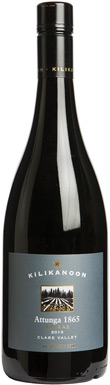
Kilikanoon, Attunga 1865 Shiraz, Clare Valley, South Australia, Australia, 2013
97
Kilikanoon was founded in 1997, producing just 25,000 bottles in its first vintage. As the name suggests, this wine comes from a miniscule, dry-grown vineyard planted on Terra Rossa soil over 150 years ago. Only around 800 of the original vines remain, but they produce tiny crops of small, powerful berries yielding 3kg per vine. The wine is fermented in open vats, then basket pressed before spending 22 months in French oak hogsheads. It is bottled unfined and unfiltered, but this does not signal the end of the cycle, as it is sat on for at least a further two years before being considered for release. Tine Gellie: Dense, full, inky and tannic. It's an 'old-style' Aussie Shiraz that's not shy on the oak, but it has plenty of brooding black fruit and peppery spice to balance. Power over grace here, but it has great grandeur and complexity, and will have lots of fans. Roger Jones: An elegant, perfumed nose leads into a seductive and charming palate. The purity of the fruit is immense, and there's a gentle Arabic spice note in the background. The savoury, meaty backbone is engulfed by some rather pristine, tiny clusters of perfect Clare fruit. A stunning wine. Anthony Rose: There's plenty of sweet vanilla on the nose, suggesting a traditional style of Shiraz, and indeed the dark berry fruit is rich, concentrated and powerful. Just as this threatens to overpower the palate, a new savoury dimension kicks in, salvaging balance and bringing complexity, power and a sinewy texture to the enterprise. Classic Clare Shiraz.
2013
KilikanoonClare Valley
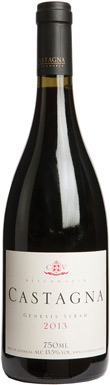
Castagna, Genesis Syrah, Beechworth, South Australia, Australia, 2013
96
Julian Castagna's eponymous estate sits at 500m above sea level near Beechworth, in the foothills of the Victorian Alps. He is devoted to operating in accordance to biodynamics, although he’s not convinced by the spiritual side of the movement, merely seeing it as a farming practice which enables him to extract the very best from his land: ‘Our intention is to make a wine which is an expression of the place where it is grown, and this is the best way to achieve optimum fruit quality that best expresses its terroir,’ he says, as evidenced by the Genesis, whose fruit is lovingly cared for and aged in fine-grained French oak. Tina Gellie: A really vital, lifted wine with elegant, savoury fruit dancing on a silky palate. What a joy after so many over-oaked examples! It has a supple, velvety mouthfeel and beautiful purity of red fruits, supported by dusty, spicy oak. Delicious. Roger Jones: A savoury, whole-bunch style, the stalkiness carried well by the fruit. I love the perfumed, fruity element on the palate, which shows fine evolution. Anthony Rose: There's lots of energy and verve to the medium-bodied, charmingly textured raspberry red fruit, which is tinged with spice. It displays nicely evolving tannins and juicy acidity, and comes as something of a surprise in this line-up of big-hitters and traditionalists. But it's a spot-on, classy surprise.
2013
CastagnaBeechworth
Lou Miranda Estate, Old Vine Shiraz, Barossa Valley, South Australia, Australia, 2013
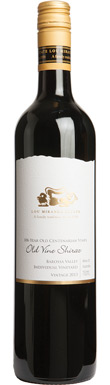
96
Southern Italian Francesco Miranda and his family arrived in Griffith, New South Wales in 1938, founding a wine estate the following year. His son, Lou, now runs the estate along with his wife and daughters The flagship Old Vine Shiraz is made from bush vines planted in 1907 in what is known as the Church Block. The vines are largely left to look after themselves, receiving no irrigation whatsoever, before being hand-picked, carefully pressed, then transferred to small, open-top fermenters. It's gracefully matured in fine, medium-toast American oak for over 18 months. Only 7,400 bottles were produced. Tina Gellie: This is showing some secondary characteristics of soused dark fruit, coconut and cigar box spice on the silky palate – it's very well made. There's plenty of oak, but it's sexy and polished, ably balancing the big, bold fruit. Roger Jones: Elegant chocolate and savoury nuances are balanced by perfect fruit, with notes of violets and silky smooth grapes. The flavour is polished and wonderful, yet maintains its restraint and poise. This is Barossa at its best. Anthony Rose: Attractively evolving, though still youthful scents of pepper, spice, coconut and dark berry fruit. The palate is wrought from sinewy black and red fruits tinged with peppery notes, all resolving brilliantly. It's starting to drink beautifully, but no doubt has enough fruit weight and power to develop complexity as it turns from adolescence to middle-age over the next decade. Classic Barossa.
2013
Lou Miranda EstateBarossa Valley
Savaterre, Shiraz, Beechworth, Victoria, Australia, 2014
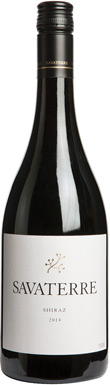
96
Having found an ideal vineyard site in the foothills of the Victorian Alps, at an elevation of 440m above sea level on ancient granitic soils, winemaker Keppel Smith founded Savaterre in 1996. Mild summer days and cool nights encourage the high-density plantings to produce small crops of high quality fruit. The estate is run organically, and winemaking is inspired by minimal intervention concepts. Wild yeasts are used for fermentation, and the wine is aged in French oak barriques, 50% new. Tina Gellie: Beautiful maturity here, full of exotic spices, toasty oak and lifted, ripe bramble fruits on a satin-textured palate. It's drinking beautifully, with great freshness, grip and balance. Roger Jones: A soft, delicate perfume on the nose, with restrained but pure fruit. The silky, textured palate is spiced, layered, vibrant and elegant. Anthony Rose: A distinctive, seductively spicy perfume is accompanied by a hint of mint. It's richly concentrated in the mouth, with a spice-imbued, savoury dark fruit quality that's evolving nicely, and silky tannins which coat the tongue. Almost plush and Cote Rôtie-like.
2014
SavaterreBeechworth
David Traeger, Baptista Shiraz, Heathcote, Victoria, Australia, 2004
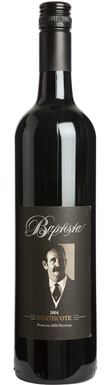
95
Baptista is named after Baptista Governa, an immigrant from northern Italy who established a winery and vineyard in Graytown in 1891. Fast-forward to 1988 and independent winemaker David Traeger began purchasing fruit from this site, before eventually acquiring it in 1993. Now organically farmed, the vineyard is planted on fertile alluvial soils over gravel, where the shallow water table helps to keep the vines quenched during the warmer months. The first vintage of Baptista Shiraz was produced in 1996, and it is aged for 12 months in a combination of French and American oak. Tina Gellie: Graceful maturity – showcasing the savoury, meaty qualities of old Shiraz. It has a fine concentration of leathery, dusty, ripe red fruits and baking spices, with supple, integrated oak. Roger Jones: Aromatic and perfumed, with ripe fruit aromas. This has evolved beautifully, and shows a sweet-fruited character and great balance. Anthony Rose: This is holding up well, with a fresh, intense and complex fragrance with a touch of liquorice. It's showing positive evolution on the palate too, with notes of fennel and spice. The fruit is concentrated, rich and chocolatey, with malty notes and good complexity. There's a lovely silky Rioja Gran Reserva mellowness to it, and excellent balance.
2004
David TraegerHeathcote
Schild Estate, Ben Schild Reserve Shiraz, Barossa Valley, South Australia, Australia, 2014
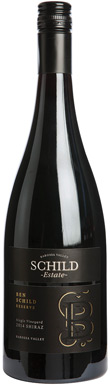
95
Aged just 16, Ed Schild took over the running of his family vineyard following the tragic death of his father in 1956. This wine is a tribute to his father, Ben Schild, made from carefully selected fruit grown in a single vineyard overlooking Lyndoch. It is fermented in open top fermenters, then aged for 18 months in an eclectic mix of French, American and Hungarian oak. Tina Gellie: Fresh, pure bramble aromas are lifted by a floral edge. The weighty, meaty palate has nice juicy, sappy red fruits and dusty tannins, with appealing Chinese five spice notes. Well done! Roger Jones: Spiced, juicy and voluptuous on the palate, with a lovely meaty, bacon character intertwined with luscious red and black fruits which linger on the palate. It's a luscious wine that's crying out for pork belly. Anthony Rose: A good, rich colour and attractively spicy aromatics lead into a full-bodied, full-throttle palate. Spicy, sweet blackcurrant fruit tapers nicely to a seductive finish. It has a juicy texture, and background notes of pepper and spice. A lovely wine.
2014
Schild EstateBarossa Valley
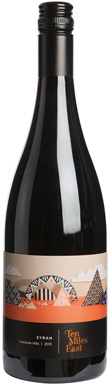
Ten Miles East, Syrah, Adelaide Hills, South Australia, Australia, 2015
95
Owned and run by husband and wife team James and Taiita Champniss, you could never truly accuse Ten Miles East of chasing a buck. ‘Our Syrah vines are now so low yielding, that if we were to make a decision based on economics alone, we’d probably rip them out,’ says James. ‘We make one or two barrels a year; that’s it. But the resulting wine? Wow.’ This Syrah is produced from vines grafted over underperforming Carmenere in 2005 and 2006, and the wine is styled to be reminiscent of St-Joseph. Following a cold soak and a wild ferment, it's aged in a combination of new and old barrels. Tina Gellie: Smooth, enticing creamy blackberry fruit is joined by appealing touches of peppery salami and bright acidity on the velvety palate. It's textured, lifted and long, with a firm, tannic frame. Roger Jones: A beautifully gamey, meaty wine with refreshing fruit aromas. The palate has a creamy balance of fruit, with notes of savoury cherries, violets and some lovely textures. Anthony Rose: Pleasingly spicy and ripe, with an accent on espresso coffee and lots of sweet, juicy blackcurrant fruit in a full-bodied framework of grippy tannins and fresh, balancing acidity. Great value!
2015
Ten Miles EastAdelaide Hills
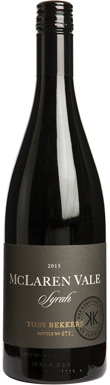
Bekkers, Syrah, McLaren Vale, South Australia, Australia, 2015
95
Bekkers’ genesis was the result of a chance meeting between youthful French winemaker, Emmanuelle, and Australian viticulturist, Toby - now one of Australia’s most respected authorities on organics and biodynamics. They have visited some of Europe's top producers, gleaning precious knowledge and advice. This Shiraz is Bekkers’ flagship wine, a dovetailing of fruit from two different vineyards. The fermentation is kicked off by native yeasts, and afterwards the wine is matured for 20 months in 500 litre French puncheons, 40% new. TIna Gellie: An excellent balance of fresh cherry fruit and vibrant acidity here, lively and lipsmacking! Integrated sweet oak and a hint of tobacco spice sit alongside a refreshing herbal character and fine fruit tannins. Roger Jones: Very bright in acidity, with cherries, frangipane and soft vanilla oak. This needs time, but evolves beautifully in the glass; the cherries get riper, and there is a lovely softness to the wine. Anthony Rose: Vibrant fresh fruit aromas show lots of energy, as if some whole-bunch pressing has been going on, delivering a slight stalky element. Overall the picture is bright, with lots of vivacious black cherry and kirsch fruit in a seamlessly textured, albeit still elementally youthful red.
2015
BekkersMcLaren Vale
