
Balkan intrigue: regional spotlight plus 12 great reds worth seeking out


There’s no getting away from it, this area is rather complex: regions, dialects, grape names, politics... Focusing on the reds, Caroline Gilby MW gives an expert introduction to the six main wine nations to the east of the Adriatic, highlighting the top producers and recommending a dozen of the best wines in the region…
This is a corner of the wine world that is truly reinventing itself. At its peak, Yugoslavia had 220,000ha under vine and was one of the world’s top 10 volume wine producers. Today, the region has re-emerged as a hotspot for dynamic, quality wine production as each of its individual nations has gone its own way and developed distinctive identities. While the white wines are arguably better known, the sheer variety of great reds, made from both native and international grapes, will more than repay exploration.
Scroll down for Caroline Gilby MW’s pick of the 12 best reds in the Balkans
Two themes emerge across this part of Europe. One is the international varieties – most commonly Merlot, Cabernet and Pinot Noir. In part, this is because these grapes are glamorous and exciting to local consumers who want to drink different wines to their parents and grandparents, but also because producers want to show that they too have the terroir to make world-class wines that can be understood by people anywhere.
The other, more recent theme sees workhorse local varieties being rescued and turned into graceful thoroughbreds.Such vines were once pushed to their limits for yield with no thought of quality (one Macedonian producer explains that growers used to win prizes for the highest yields), but with care and attention they are now offering genuinely exciting options. This includes grapes such as Serbia’s Prokupac, Bosnia and Herzegovina’s Blatina, Vranac/Vranec in Macedonia and Montenegro, or Teran and Babić in Croatia. Slovenia is also reclaiming Modra Frankinja as a quality indigenous vine. It may be better known as Blaufränkisch, but recent evidence suggests the grape originated in today’s Slovenia and not Austria after all.
This all makes for a fascinating wine landscape to explore. And it’s encouraging to see that while the first phase of independence brought huge blockbuster reds with lashings of oak, today’s best producers have the confidence to rein back sheer power in favour of elegance and drinkability, to establish a message about different quality.

Slovenia
Key regions: Primorska (Goriška Brda, Vipava, Kras, Istria), Podravje (Stajerska Slovenija, Prekmurje), Posavje (Bizeljsko Sremič, Dolenjska, Bela Krajina)
Red grapes: Merlot, Cabernet Sauvignon, Pinot Noir, Refošk, Modra Frankinja (aka Blaufränkisch)
Red producers to look out for: Burja, Dolfo, Dveri-Pax, Edi Simčič, Guerila, Jakončič, Klet Brda, Kobal, Kristančič, Marjan Simčič, Marof, Movia, Pasji Rep, Santomas, Sčurek, Sutor, Tilia, Verus, Zaren.
This jewel of a wine country has some of the most beautiful vineyards on earth. It’s best known for its whites, but the reds are getting better and better. Close to Italy and the short Adriatic coast, the vineyards of Goriška Brda straddle the border with Collio on the Italian side, though Slovenia often has the best hilly sites. Merlot reigns supreme, with both Cabernets in support, and some of Slovenia’s red superstars are based here. Look for Kolos and Duet from Edi Simčič, Marjan Simčič’s Opoka Merlot, Movia’s Veliko Rdeče, Jakončič’s Carolina, and the Dolfo black label range.
The stunning Vipava Valley, overlooked by mountains, is Slovenia’s windiest place, which gives a coolness and elegance to red wines produced here. Pinot Noir (Burja, Tilia, Benčina, Pasji Rep) and even Barbera do well in this area. Good Pinot Noirs appear in the more Alpine east of the country too, while the recent discovery that Blaufränkisch almost certainly originated in Slovenia has given producers extra motivation to focus on this grape (known locally as Modra Frankinja).
The often-overlooked Dolenjska region is starting to produce some fantastic elegant versions, perfectly suited to today’s tastes for refreshing reds (look for Kobal Luna, Zaren Albiana) and elegance over sheer power.
Croatia
Key regions: Istria & Kvarner, Dalmatia, Croatian Uplands, Slavonia & Danube
Red grapes: Plavac Mali, Teran, Tribidrag (aka Zinfandel), Babić, Merlot, Cabernet Sauvignon, Pinot Noir
Red producers to look out for: Ahearne, Badel 1862, Benvenuti, Bura-Mrgudić, Damjanić, Degrassi, Fakin, Franc Arman, Galić, Geržinić, Gracin, Grgić, Kabola, Korta Katarina, Kozlović, Matošević, Meneghetti, Pilato, Radovan, Saints Hills, Skaramuča, Stina, Tomić, Trapan, Vina Laguna, Zlatan Otok.
Croatia is a vast mosaic of obscure local varieties (39 grapes originate here) and international ones. It has more than 1,800km of Adriatic coastline and more than 1,200 islands. Its landscape varies from the rolling wooded hills of Istria, with its vines, olive groves and dramatic hilltop villages, to the sweeping landscape of continental Slavonia (perhaps even more famous for its oak), to the sun-baked, rocky and often precipitously steep vineyards of Dalmatia and the islands.
Croatia’s dramatic coastline, sunny climate and stunning coastal towns attracted more than 17 million tourists in 2017. Those visitors consume a lot of wine in Croatia, which means that exports of Croatian bottles are relatively insignificant.
This is a shame, or maybe a reason to visit, as Croatia’s reds have a lot to offer: from the wild raspberry, herbal Teran (Benvenuti, Fakin, Kabola, Pilato, Trapan) and superb Merlot-based reds of Istria (Damjanić Clemente, Kozlovć Santa Lucia Crna, Matošević Grimalda, Meneghetti), to refined versions of Babić from the Unesco-listed stony vineyards of Primošten (look for Gracin).
Croatia’s most important red grape is Plavac Mali from Dalmatia, especially Pelješac peninsula and islands such as Hvar and Brač. It usually comes in a rich style, reflecting the sunny climate and to counteract its tendency for uneven ripening, but Jo Ahearne MW is making a remarkably elegant version on Hvar.
Serbia
Key regions: Sumadija, Tre Morave, Srem, Leskovac, Toplica, Negotinska-Krajna, Nis, Banat
Red grapes: Prokupac, Cabernet Sauvignon, Merlot, Pinot Noir
Red producers to look out for: Aleksandrović, Botunjac, Budimir, Cilić, Cokot, Despotika, Deurić, Doja, Ivanović, Janko, Kovačević, Matalj, Radovanović, Temet, Virtus, Zvonko Bogdan
Serbia was late to start reinventing its wines, but as the old industrial giants fade, a new generation of incredibly dynamic wineries has appeared, taking the country’s total up to around 400. Serbia’s vineyards have amazing potential. Hampered until recently by the post-communist issues of ownership and fragmentation (there are still about 120,000 growers for the country’s 25,000ha of wine grapes), it is now making rapid progress.
Good Cabernet Sauvignon and Merlot-based wines and even Pinot Noir have been established for a while, but perhaps most exciting is the rediscovery of Prokupac. A century ago, this was the most-planted grapevine on Serbian territory. It is naturally vigorous and capable of huge crops, which made it popular in the previous era, but as writer Igor Lukovic explains: ‘By the 1960s it was regarded as the ugly duckling of Serbia’s varieties, as it gave poor colour and harsh tannins.’ It’s now transforming into a swan, making elegant and refined wines more in the mould of Kadarka or Pinot Noir as growers experiment with low yields and gentler winemaking (try Botunjac, Budimir, Cokot, Despotika, Doja, Ivanović, Zivković).
Other local varieties like Probus, Seduša and Začinak are also gaining attention. Very few Serbian wines are exported – the local market seems to be thirsty enough for these new quality bottles. Kosovo (now widely recognised as independent) should also be mentioned, though its wine quality lags behind its neighbours. Its wine law still falls between its own, which recognises one region of Dukagjini, and Serbia’s, which defines two: South Metohija and North Metohija.
Bosnia and Herzegovina
Key regions: Mostar, Ljubuški, Herzegovina
Key red grapes: Blatina, Vranac, Cabernet Sauvignon, Merlot, Alicante Bouschet
Red producers to look out for: Andrija, Carski, Citluk, Crnjac & Zadro, Hercegovina Produkt, Keža, Nuić, Skegro, Tvrdos Monastery, Vilinka
This is a tiny wine country, badly scarred by war but certainly recovering in terms of quality, if not quantity. Around 90% of the vineyards are in the Herzegovina part, especially around Mostar with its dramatic, rebuilt Ottoman bridge. The red wine secret weapon is the indigenous Blatina, which offers genuinely enjoyable reds, full of fruity, crushed berry flavours and velvety tannins – it’s almost unknown in the UK but Citluk is now being imported by Croatian Fine Wines. There’s also some good and long-lived Vranac.
Montenegro
Key regions: Podgorica, Crmnica
Red grapes: Vranac, Cabernet Sauvignon
Red producers to look out for: 13 Jul Plantaže, Lipovac, Sjekloča
This dramatic mountainous country is dominated by one major producer, 13 Jul Plantaže, which owns one of Europe’s largest vineyards, covering 2,310ha. It lies close to the dramatic lake Skadar, which is home to rare birds such as the Dalmatian pelican, and also possibly the original home of Kadarka and Tribidrag (aka Zinfandel/Primitivo). The inky dark Vranac dominates in the limestone-based vineyards here, enjoying the long sunshine hours and warm climate.
For a large state producer, Plantaže punches above its weight in quality terms. A few small family producers are also starting to appear, such as the tiny Sjekloča and new-on-the-scene Lipovac (try its intriguing supple, bilberry-filled Tellus Amfora Vranac or gently oaked Concept Vranac). There are few exports to the UK, but the scenery means it should be on any traveller’s wish list.
Republic of Macedonia
(Former Yugoslav Republic of Macedonia; Republic of Northern Macedonia)
Key regions: Vardar river valley (Povardarie)
Red grapes: Vranec (the preferred spelling here), Kratošija (aka Zinfandel), Stanušina, Plavac Mali, Cabernet Sauvignon, Syrah
Red producers to look out for: Bovin, Chateau Kamnik, Dalvina, Ezimit, Lazar, Popov, Popova Kula, Stobi, Tikveš
This small landlocked country has been at the centre of trade routes across Europe for millennia. It has been caught up in an identity crisis but has recently agreed to rename itself the Republic of Northern Macedonia to resolve disagreements with Greece (and its region of Macedonia). Once the world’s most powerful nation (Philip of Macedon and Alexander the Great enjoyed wines from the area), today this country is one of the most dependent in the world on wine – its second most important export after tobacco.
Unusually it’s the large producers here who are the most dynamic in switching to quality away from quantity, led by giant Tikveš. When Svetozar Janevski invested here 15 years ago, he took the brave decision to switch focus to quality wines only. ‘We have a passion for perfection, we wanted to change market standards and even our cheaper wines are the best they can be,’ he says. There’s a longstanding programme of academic research and a young Serbian-born but French-trained winemaker in place to bring this vision to life – with the highlight a gorgeous 2015 Barovo red from a single vineyard at 600m.
The vast majority of the country’s vineyards lie in the central Vardar river valley where the sun shines around 270 days each year, suiting red grapes particularly well. Low summer rainfall also means that vines need very little intervention or spraying, so the vineyards are full of wildlife – even tortoises roam among the vines. Vranec, whose name means black stallion, is the flagship red grape here – it has even more pigment than Cabernet Sauvignon, giving hallmark inky dark and intense wines. Stobi is another serious large producer, making wines only from its own 600ha (try the Vranec Veritas). Meanwhile there are also a few excellent smaller producers such as Chateau Kamnik, located close to the capital Skopje, and Popova Kula, which specialises in the indigenous Stanušina.
Caroline Gilby MW is a widely published wine writer, author and consultant, and a DWWA Regional co-Chair for North, Central and Eastern Europe.
See Caroline Gilby MW’s pick of the 12 best reds in the Balkans
You may also like
Tikveš Winery: A beacon of Balkan excellenceSplit to Dubrovnik: Croatia wine tourGreek Assyrtiko – Expert’s choiceTop volcanic wines
Tikveš, Barovo, Tikves, North Macedonia, 2015
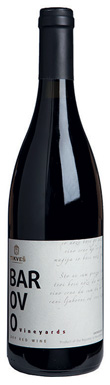

Simply a beautiful wine from one of Macedonia’s highest vineyards, blended from old vines of Kratošija (65%) and Vranec. It shows lovely bilberry and bramble...
2015
Tikveš

Fakin, Il Primo, Istria, Coastal, Croatia, 2017
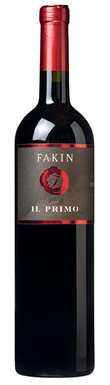
‘Fakin’ good wines’ is the slogan of this young, go-getting producer – and they are. This is 100% Teran, jam-packed with juicy mulberry fruit, a...
2017
FakinIstria
Marjan Simcic, Opoka Merlot, Goriska Brda, Slovenia, 2013
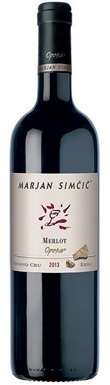
The Brda region is a superb terroir for Merlot. Marjan Simčič makes this classy single-cru version from 54-year-old vines. It’s youthful but with fantastic bramble...
2013
Marjan Simcic
Jakončič, Carolina Red, Goriska Brda, Slovenia, 2015
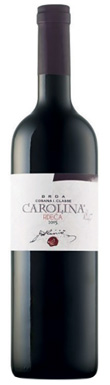
Unusually for Brda, this is a Cabernetbased blend, from old vines on a wonderful site. A serious, ripe and complex wine, deep in colour with...
2015
Jakončič
Ahearne, South Side Plavac Mali, Hvar, Coastal, Croatia, 2014
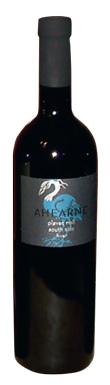
Plavac Mali is often too alcoholic to be fun, but here British master of wine Jo Ahearne has handcrafted (she hand-plunges the fruit herself) a...
2014
AhearneHvar
Burja, Reddo, Vipava Valley, Primorska, Slovenia, 2015
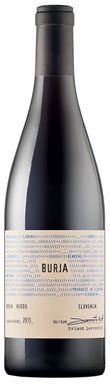
A delicious and appealing blend of three native grape varieties that had almost disappeared from Vipava, but were rescued by the brilliant Primož Lavrenčič. Has...
2015
BurjaVipava Valley
Cokot, Radovan, Šumadija-Great Morava, Serbia, 2015
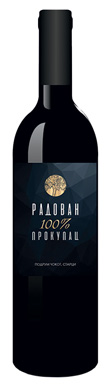
This tiny and impressive new-wave garage winery has been busy reinventing Serbia’s native Prokupac grape. This wine has inviting aromas of black cherry, forest fruits...
2015
Cokot
Damjanić, Clemente, Istria, Coastal, Croatia, 2013
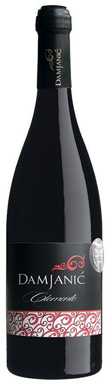
Istria is home to some classy Merlot and Cabernet wines, but here those international varieties are given a local twist with a touch of Teran...
2013
DamjanićIstria
Guerila, Selection Barbera, Vipava Valley, Primorska, Slovenia, 2016
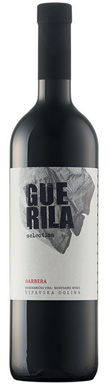
Barbera has a long history in Vipava and this appetising biodynamic version is selected from one of the highest vineyards in the valley. It shows...
2016
GuerilaVipava Valley
Pasji Rep, Pinot Noir, Vipava Valley, Primorska, Slovenia, 2016
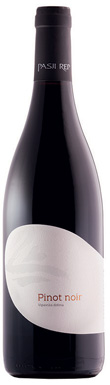
Vipava’s breezy climate suits Pinot Noir. Samo Premrn has recently taken over from his father and is focusing on elegance in his wines. This refined...
2016
Pasji RepVipava Valley
Matošević, Grimalda Red, Istria, Coastal, Croatia, 2015
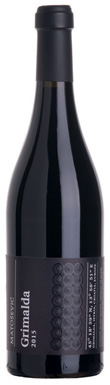
Ivica Matošević has been a force of nature in putting Croatian Istria’s wines back on the map. His single-vineyard Grimalda Red adds a touch of...
2015
MatoševićIstria
Vinarija Citluk, Blatina de Broto, Mostar, Bosnia - Herzegovina, 2016
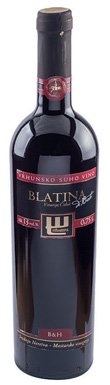
A smooth, garnet-toned, pale red with a touch of Pinot Noir style about it. It’s plummy with notes of kirsch, chocolate and roast coffee, gentle...
2016
Vinarija Citluk
