
Bandol: regional profile and 20 top wines to try
Bandol's reputation may have been forged by its red wines, yet rosé dominates the scene. And what about the region's underappreciated whites? Elizabeth Gabay MW immerses herself in this historic region to unlock its secrets and tell its modern-day story.
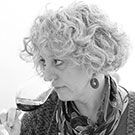

‘France is world-renowned as a gastronomic centre of excellence, but has more McDonald’s per capita than any other country, and Bandol is world-renowned for its complex and age-worthy reds, but 80% of its production is rosé,’ explains Guillaume Tari of Domaine de la Bégude about the contradictions found in Bandol.
The question over red or rosé is not the only big debate right now. The appellation requirements for the ageing of red wine, the percentage of the principal grapes in white wine, and overall their reputation as vins de garde are all on the table.
Scroll down for tasting notes and scores of 20 Bandol wines worth seeking out
Bandol is the largest of Provence’s ‘micro-appellations’, with vineyards on small terraces interspersed with woods and garrigue, lining hills that form an amphitheatre facing the Mediterranean and on the plains surrounding the villages.
Sheltered from the Mistral by the Sainte Baume to the north, the sunny exposition is ideal for ripening Mourvèdre, propelling it to being Bandol’s superstar for the last 45 years.
Bandol at a glance
- History: Bandol AOP was created in 1941 by Lucien Peyraud of Domaine Tempier, André Roethlisberger (of the now defunct Château Milhière) and Arlette Portalis (Château Pradeaux).
- Vineyards: 1,600ha, 50% divided among 67 private producers, the other 50% between by three cooperatives – the past decade has seen a number of producers leave cooperatives and establish micro-domaines.
- Production & grapes: Rosé wines (Mourvèdre/Grenache blend) are 75%-80% of production, reds (minimum 50% Mourvèdre) 15%-20%, and whites 5% (300,000 bottles, usually Clairette and Ugni Blanc).
Tradition vs modernity
Historically a mix of red and rosé with some white wine, Bandol had a reputation for big, tannic, well-extracted Mourvèdre reds that needed 20 years before you could drink them, the appellation mandating 18 months in large oak barrels to soften the tannins.
Many producers feel that this is excessive, especially in the modern market where freshness and elegance sell better. Reds must contain a minimum of 50% Mourvèdre, giving Bandol its classic profile of spice, leather and black fruit, plus a tight, dark structure with great ageing potential; they are rarely big and opulent.

The Bandolais describe their reds as moody teenagers: vibrant and fruity when young, restrained in adolescence, then opening up with greater complexity when mature. Most producers use large old foudres, but a few are using new oak such as Château Vannières and Domaine de la Font des Pères whose wines have a modern, almost New World appeal, while the presence of Cinsault in a blend adds vivacity.
Some have embraced the reputation for big, oaked wines, extending the ageing to 24 months and including new oak. These often come across as more true to their heritage than wines that try to hide the fact they have spent a year and a half in foudres.

Others are experimenting with ageing in amphora and declassifying to Vin de France, most notably Agnés Henri at Tour de la Bon with En Sol, Bégude with its IGP Méditérranée Cuvée Thyrsus, and Vignobles Gueissard and Domaine Bunan’s yet-to-be-released wines, all which show a beautiful purity of Mourvèdre fruit.
Bandol: eight names to know
⦁ Château Pradeaux: One of the founding members of the Bandol appellation along with the Peyniers of Domaine Tempier. It makes good, traditional wines with a dynamic younger generation now in charge.
⦁ Château Romassan: Owned by Domaines Ott*, this is Bandol’s single largest private estate.
⦁ Château Ste-Anne: A historic estate, located in the cooler Evenos area of the appellation, making biodynamic and fairly natural wines.
⦁ Domaine Castell-Reynoard: Julien Castell has transformed his family vineyard into a haven of regenerative viticulture.
⦁ Domaine La Suffrene: Private estate set up in 1996 after leaving the cooperative, and making wine since the beginning of the appellation. Big supporters of agroforestry in the vineyard.
⦁ Domaine Le Galantin: Small family-run vineyard established in the 1970s.
⦁ Domaine de l’Olivette: One of the large family domaines, owned by the same family for over 200 years.
⦁ Moulin de la Roque: Bandol’s oldest cooperative, and producer of nearly a quarter of the AOP’s wines.
Rosés rule
The tradition for extracted, oaky wines does not spill over to the whites and rosés, even though, in the minds of many, the rosés are oaked and structured. They are, in fact, rarely oaked.
Exceptions are Font des Pères, with 20% fermented and aged in barriques and demi-muids, giving them a pleasing fruit-forward roundness when young. Bastide Blanche has also tried an oaked rosé, and Gueissard’s Cuvée Marcel is a bright, fruity Mourvédre fermented in oak.
Château de Pibarnon’s Nuances and Bégude’s l’Irreductible are both almost entirely Mourvèdre. L’Irreductble is a serious, unoaked, dark pink-red, while Eric de St Victor of Château de Pibarnon, recognising that Mourvèdre rosé takes time to open up, ages his Nuances in stoneware which gives tension and purity, before releasing the wine with a year’s age.

Although rosés must have a minimum of 20% Mourvèdre, they typically contain 40-70% and, blended with Grenache and Cinsault, create wines weightier and more concentrated than those from Provence, with most needing time. Rosés with high percentages of Grenache and Cinsault have a fresher style.
Originally, Bandol rosés were not released until May 1st but the market, needing the new vintage earlier, has brought this date forward to March 1st. Consumers are happy, even if most rosés are not showing their best and need at least a year before they start to shine.
It certainly seems criminal to shout about drinking Domaine Tempier’s rosé as soon as it is launched when it ages so splendidly. Fast-selling rosé – mostly sold to the local tourist market and the US – pays the bills, even if selling at half the price of the reds.
A white renaissance?
White Bandol is Clairette-based but, with difficulties in retaining acidity in the hot climate, adding Ugni Blanc and Rolle, and harvesting Clairette earlier, produces fresher wines which sometimes verge on austere and have a distinctive saline twang on the palate. Tempier makes an elegant white with 40% Ugni Blanc, and plans are underway to reduce the minimum proportion of Clairette from 50%.

Bégude has an amphora-aged white, others use oak, including Pibarnon and a new trial at Domaine de Terrebrune. Flexible rules means whites can be made and aged in a variety of styles.
Finding the balance
Damian Roux of Domaine Marie Berenice has observed that there is a growing interest in white wine, but is faced with a logistics dilemma: if the trend changes again, he will be left with too much white and there is only so much the rosés can absorb in the blend.
Black varieties have the flexibility of producing either red or rosé. During the pandemic, with producers concerned that rosé sales would decline due to the lack of tourists, they switched to producing more red wine.
Before the rise of rosé, Bandol reds were the star of Provence, and they are still impressive, but sales for big red wines which need ageing are a hard sell. Adaptation and flexibility may be the key: reds with no oak, shorter ageing and traditional styles, otherwise rosé may continue to dominate the scene.
Bandol: recent vintages
2021: Cool but dry. Vines shut down early due to hydric stress, prompting early harvests and underwhelming ripeness in the wines. Good acidity, balance and a very cool-climate profile reminiscent of vintages of the 1990s.
2020: A warm, wet year, causing mildew in the early summer, followed by a hot (but not too hot), dry summer creating wines which are balanced and aromatic. Tannins in the red wines are fine and silky.
2019: After a very hot and dry year, the rain in September served to boost the vintage, especially in late-ripening areas. Original fears that it would be a bad vintage have not been borne out and today it offers promise of finesse, freshness, fruit and balance.
2018: Hail in early summer served to destroy the fruit in the west of the region, followed by a hot and wet summer which made for a difficult vintage A good autumn during harvest helped restore the quality and the wines have balance and freshness.
2017: A very hot June and little rain resulted in small berries with concentrated fruit. Harvest was earlier than usual, but overall the fruit was expressive, although volumes were reduced.
2016: Good quality, although a slightly smaller vintage and not regarded as a great one.
Bandol: 20 top wines worth seeking out
Related content
Domaines Ott: Provence rosé wine royalty
Brad Pitt to reopen Château Miraval recording studio
Châteauneuf-du-Pape 2019 & 2009: panel tasting results
Domaine de la Bégude, Bandol, Bandol, Provence, France, 2021
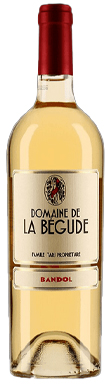

From the cooler northern slopes of this high estate comes an intensely aromatic white with a high percentage of old-vine Clairette. Offers a honeyed floral...
2021
Domaine de la BégudeBandol

Domaine de la Font des Pères, Bandol, Bandol, Provence, France, 2019
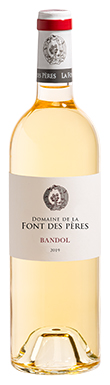
Soft, honeyed oak dominates the nose. On the palate the fruit is almost opulent with concentrated and honeyed peach, ripe melon, tropical fruit and pineapple...
2019
Domaine de la Font des PèresBandol
Domaine de Terrebrune, Bandol, Bandol, Provence, France, 2021
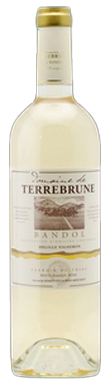
This particularly aromatic white is amazingly perfumed on the nose, coming from the most south-easterly of the appellation with a strong maritime influence. The fruit...
2021
Domaine de TerrebruneBandol
Domaine Tempier, Bandol, Bandol, Provence, France, 2021
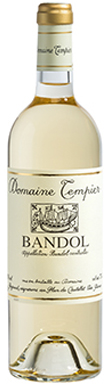
With a higher percentage of Ugni Blanc and 10 months in foudres, this has less overt tropical fruit and more restraint. The closed nose opens...
2021
Domaine TempierBandol
La Bastide Blanche, Cuvée Estagnol, Bandol, Bandol, Provence, France, 2020
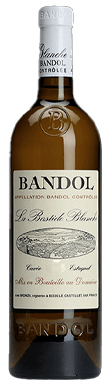
Buttery toast aromas. On the palate you find peaches, melon and bruised apples with long citrus and lime acidity, sour cream, salty nuts and a...
2020
La Bastide BlancheBandol
Domaine Marie Berenice, Bandol, Bandol, Provence, France, 2021
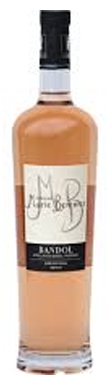
Initially restrained on the nose, this wine opens up to an amazingly full-bodied fruit on the palate. Supple and juicy, the raspberry fruit has a...
2021
Domaine Marie BereniceBandol
Château Ste-Anne, Bandol, Bandol, Provence, France, 2021
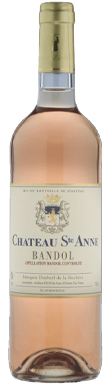
From one of the more historic estates comes this biodynamic rosé. Delicate and structured. Honeyed ripe aromas, it is full of wild raspberries, cranberries and...
2021
Château Ste-AnneBandol
Domaine des Trois Filles, Bandol, Bandol, Provence, France, 2021
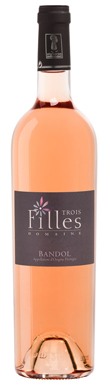
Aromas of nuts, cream and peaches point towards an old, but nevertheless charming, style. Aromas continue on to the palate with opulent white peaches and...
2021
Domaine des Trois FillesBandol
Domaine Maubernard, Bandol, Bandol, Provence, France, 2021
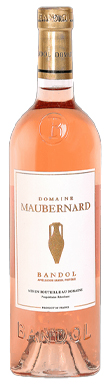
Very delicate aromas. On the palate, dark, sour cherries, crunchy, sour redcurrants and intense blackcurrants all carried along by impressively vibrant acidity. A firm saline...
2021
Domaine MaubernardBandol
Moulin de la Roque, Domaine de la Nartette, Bandol, Bandol, Provence, France, 2021
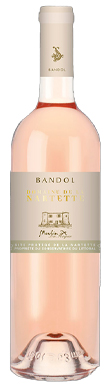
Lighter and fresher than more Mourvèdre-heavy blends. Fresh raspberry fruit on the nose opening out to full-bodied raspberries, cranberries, pomegranates, intense cassis, gentle spice and...
2021
Moulin de la RoqueBandol
Domaine la Suffrène, Tradition, Bandol, Bandol, Provence, France, 2018
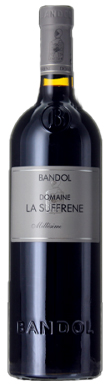
One of the lowest amounts of Mourvèdre, and a stunning wine. Tight and moody on the nose, this plays the two sides of its character...
2018
Domaine la SuffrèneBandol
Château Vannières, Bandol, Bandol, Provence, France, 2019
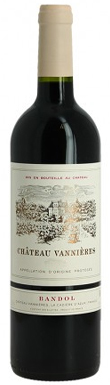
One of the few Bandol wines with upfront new oak on the nose. The new oak and powerful blackberry jam fruit serve to give this...
2019
Château VannièresBandol
Domaine de L'Olivette, Bandol, Bandol, Provence, France, 2017
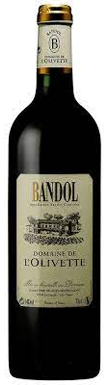
Pepper, spice and lavender on the nose, develops into intriguing notes of black chocolate, more lavender, liquorice and concentrated blackcurrants with a floral delicacy, garrigue,...
2017
Domaine de L'OlivetteBandol
Château Canadel, Bandol, Bandol, Provence, France, 2019
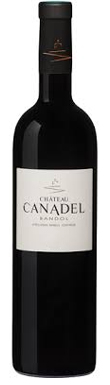
Lovely fresh aromas of menthol and garrigue. Fresh blackcurrants on the palate, plus blueberries with purple, inky minerality, long, linear, firm and structural tannins, and...
2019
Château CanadelBandol
Château de Pibarnon, Bandol, Bandol, Provence, France, 2019
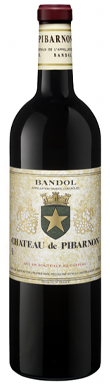
Red fruit with smoky aromas. On the palate, intense mulberries, loganberries, wild raspberries and blackcurrants. Fresh minerality, long austere length and elegant acidity. The tannins...
2019
Château de PibarnonBandol
Domaine Le Galantin, Bandol, Bandol, Provence, France, 2017
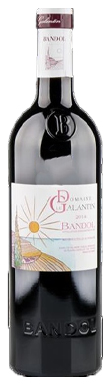
Soft, smoky and ripe black fruit aromas with hints of peat and cedar. On the palate, intense damson, blackberry and cassis jam fruit with fresh...
2017
Domaine Le GalantinBandol
Domaines Ott, Château Romassan, Bandol, Bandol, Provence, France, 2018
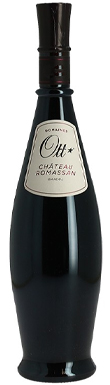
Soft and ripe mulberry fruit aromas entice the drinker to a wine which opens out to bruised plums, sloes and wild blackberries. The fruit is...
2018
Domaines OttBandol
Château Pradeaux, Les Lys, Bandol, Bandol, Provence, France, 2018
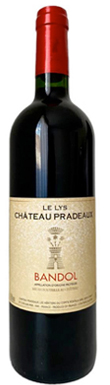
Aromas of Christmas spice and cloves continue through the length of this wine, developing notes of garrigue and Lapsang Souchong smokiness. Dark cherries, bruised raspberries,...
2018
Château PradeauxBandol
Domaines Bunan, Moulin des Costes, Bandol, Bandol, Provence, France, 2019
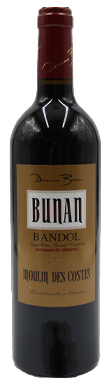
Fine, saline, almost briney Mourvèdre aromas. Elegant palate of wild blackberries, tart red berries and intense, juicy black fruit with notes of garrigue and toast...
2019
Domaines BunanBandol
Dupuy du Lome, Bandol, Bandol, Provence, France, 2020
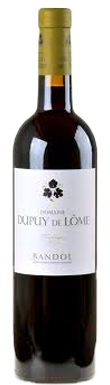
Fruit and acidity are fresh and vibrant, reflecting the cooler climate of the Grés region of Evenos. On the nose, blue and black berry fruit....
2020
Dupuy du LomeBandol
