
Best buys of the northern Médoc: Eight top estates
This may be the less talked-about, cooler part of Bordeaux’s Left Bank, but there is still plenty of good value to be found if you know the best producers. Stephen Brook recommends two wines from each of his top eight northern Médoc estates.


Of the two generic Médoc appellations, Haut-Médoc and Médoc, the latter has always been at a disadvantage. Consisting essentially of the northern part of the region, it is climatically less favoured than the Haut-Médoc, which stretches from just north of St-Estèphe southwards to the gates of Bordeaux itself. Nonetheless, there are sectors close to the estuary that enjoy the same benefits of a more moderate climate as similarly located estates further to the south.
In the past, the challenge was climatic. The northern Médoc is colder, and although the soils can be perfectly well suited to classic Bordeaux red wine, ripening tends to happen later than it does further south. Especially in vineyards with a high proportion of Cabernet Sauvignon, greenness can be an issue.
However, global warming is bringing its mixed blessing to this region as to so many others. Recent hot vintages have benefited the Médoc appellation: ripeness is less of a problem. It remains true that there are many indifferent or dull or tart wines from here, yet there are also some very well-run estates that consistently produce wines of excellent quality, and usually at fair prices.
It has sometimes been pointed out that farming standards are lower in the northern Médoc because most vineyards are machine- harvested. Machines are indeed quite common here, but that does not mean that the wines produced by them are necessarily inferior. The technology behind such machines has improved greatly over the last decade or so, and consequently the grapes processed by machines are handled much more gently, reducing the risk of oxidation.
Nonetheless, many of the leading properties maintain strong links with families of workers that return each year, often from Spain, for the harvest. They are fortunate, as other estates struggle to find local harvesters, such as students, prepared to make the two-hour trek up from Bordeaux.
All the factors that have contributed to the overall improvement in red Bordeaux – less reliance on chemical fertilisers and herbicides, lower yields and greater selection, gentler handling of the fruit with far less pumping than in the past, less extraction, more judicious use of oak – apply just as much to the best estates of the northern region. It’s pointless to deny that there remain many uninspiring and mundane wines here, but the best wines can rival the best of the Haut-Médoc, and you will usually find them at a more tempting price.
Château Rollan de By
Jean Guyon began his career as an interior designer and property developer before purchasing this property in Bégadan in 1989. Before long he was buying other Médoc properties too, and today his domaine extends to 190 hectares, about half of which are here. The soils are complex, with gravel and limestone. Merlot is the main variety at 68%. Guyon’s approach has always been to pick by machine at full maturity.
There’s a 15ha parcel, Haut Condissas, that is picked at super-ripe levels, with the resulting wine aged entirely in new oak. Meanwhile, Rollan de By spends up to 18 months in one-third new barrels. Haut Condissas is an impressive wine but perhaps too self-consciously garagiste, unlike Rollan de By, a modern-style wine that often punches above its weight. It has good tannic structure, but also freshness and bite. It often delivers a balanced and stylish claret in lesser vintages such as the 2012. Given the substantial volume produced – close to half a million bottles – quality is consistent and high.
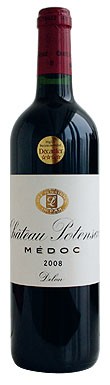
Château Potensac
The renown of this 60ha estate near Ordonnac is not surprising, as it has been owned by the Delon family of Château Léoville Las Cases for 250 years. Part of the vineyard is on gravelly clay, and there’s a sector with limestone that gives very long-lived wines. The anomaly here is that Cabernet Sauvignon only represents 35% of the plantings, with Merlot at 45%. But the remainder is Cabernet Franc and Petit Verdot, varieties that often deliver some of the most impressive lots.
Except for a few parcels of old vines, the vineyards are machine-harvested. Yields rarely exceed 40hl/ha, which helps to explain the wine’s concentration, as does the fact that a substantial proportion of the production is downgraded into the second wine or sometimes simply sold off. Until 1997, older barrels were exclusively used, but today Potensac is aged for about 12 months in 30% new oak. The result is a dense and structured wine that can safely be cellared.
It’s the policy of Potensac to hold back stock of about one third of each vintage, which means that it is often relatively easy to find mature bottles.
Château Tour Haut-Caussan
I was once served this wine over lunch at a classed growth, and I was sufficiently impressed to seek it out in subsequent vintages. I am rarely disappointed. It is owned by Philippe Courrian, who for many years has preferred to live in Corbières, where he has another wine estate. This property at Blaignan is run by siblings Fabien and Véronique. Even back in the 1970s, Philippe Courrian was a believer in low yields, and his children have maintained the standards he set.
The property’s 17ha are divided between two sectors: on the plateau of Potensac, and on clay-limestone soils near a windmill set on a point said (as are a few others) to be the highest spot in the northern Médoc. The vineyards are split between Cabernet Sauvignon and Merlot, with, since 2018, a dash of Petit Verdot. The average age of the vines is 50 years.
The harvest is manual. No new oak has been used since hail wiped out most of the crop in 2014, but gradually it will be re-introduced. There is no fining or filtration. This is an honest, concentrated and stylish Médoc, well balanced with no excesses, and it often shows surprising longevity.
Château Les Ormes Sorbet
I first met Jean Boivert some 20 years ago at the Médoc Marathon, but sadly he died young, in 2004. His 19ha property remains in safe hands, run by his steely widow Hélène and their two sons, Vincent and François. The Boivert family has owned the estate since 1764. Theirs is a classic wine, produced from vineyards dispersed throughout the neighbourhood of Couquèques, where the winery is based. The soil is sandy gravel over a deep limestone subsoil.
Cabernet Sauvignon dominates with two-thirds of the plantings, which takes some courage in this northerly location. And some of the Petit Verdot is more than 70 years old. The harvest is manual, drawing on families of Romany travellers who have been coming here for three decades. The vinification is unremarkable, but the Boiverts are shifting gradually from selected to indigenous yeasts. Ageing takes place for up to 14 months in 20%-40% new Tarransaud barrels before bottling without filtration.
I would describe these as careful wines: not super-concentrated or flamboyant, but marked in their youth by firm, even austere tannins, and then, with more maturity, showing elegance and balance.
Château d’Escurac
It was with the 1996 vintage that this property won the Coupe des Crus Bourgeois du Médoc, an annual blind-tasting competition with international judges and copious meals. I was one of the judges in 1998, so I went with colleagues to visit this little-known property in Civrac. Its triumph was no fluke, and many subsequent vintages proved to be just as good.
The owner Jean-Marc Landureau died in 2017, but his wife Merete Larsen is an experienced oenologist, so the property lives on. The 23ha of vines are planted on an isolated hillock of well-drained and well-ventilated gravel soils. Landureau picked by machine, but Larsen has returned to partial manual harvesting and has implemented biodynamic practices.
The winemaking is modern, with a long cold soak and a long maceration, followed by a year in one-third new oak. Although the proportion of Merlot can be quite high (60% in the vineyard), Escurac is a wine that can age well. Selection is rigorous, with lesser lots going into the second wine, La Chapelle d’Escurac, named after the remarkable 11th-century chapel on the hill.
Château Loudenne
In the 1970s, this pink hilltop château in St-Yzans was a British colonial outpost, managed by Martin Bamford, who was known for his legendary hospitality. It was sold in 2000 to a Cognac tycoon, Jean-Paul Lafragette, who eight years later was arrested on charges of embezzlement. In 2013, Loudenne was sold to the Chinese Moutai group, with a share going to another Cognac producer, Camus.
Such fluctuating fortunes resulted in fluctuating wine styles and quality. However, Lafragette did make some good wines, and the same is true of the current owners. Loudenne has long been famous for its white as well as its red Médoc. Yields have been reduced and ageing vineyards are being replanted.
The vines, almost equally divided between Cabernet Sauvignon and Merlot for the reds, occupy more than 60ha and are being converted to organic farming. Loudenne Le Château is the main red here, and very good it is too. It is aged in one-third new oak, but a proportion now remains in tanks to conserve freshness as the climate heats up. The winemaking team exudes confidence, and quality has never been higher.
Château Fleur La Mothe
Just over 10 years ago, three oenologists pooled their resources to acquire the former Château La Mothe in St-Yzans. Their first vintage was 2008. There are 15ha of vines, with an average age of 40 years, and half the plantings are Merlot. Since 2014, some Petit Verdot has been added to the Château Fleur La Mothe blend. The vineyards, on gravelly soils with some clay sectors, are machine-harvested, destemmed and then sorted on a vibrating table. The flagship wine is aged in one-third new oak for up to 14 months.
What’s admirable about Fleur La Mothe is the consistency and polish of the wines. They have fine aromas and sufficient weight of fruit to balance the tannins, which have a typically Médocain grip. These are not flashy wines, but they always avoid any suggestion of rusticity. They demonstrate just how good the soils of the northern Médoc can be, if farmed with care and vinified with a constant eye on the balance of the wine.
Château Laujac
The Danish négociant Hermann Cruse made Bordeaux history when, in a courageous roll of the dice, he bought up almost the entire 1847 vintage in 1848, as the market was troubled by revolutionary agitation across Europe. He cleaned up and went on a spending spree, acquiring Château Pontet-Cantet, Château Giscours and other properties. He also bought Laujac near Bégadan, as it was a working farm as well as a vineyard.
With 80ha under vine, it remains an important estate, and it’s now owned by his descendant Vanessa Cruse and her urbane husband René-Philippe Duboscq. Cattle still roam the pastures, and the vineyards, planted to 45% Cabernet Sauvignon, are farmed conscientiously, aided by complimentary fertilisers from the animals. The finished wine generally has 60% Cabernet, preserving its Médocain character.
I tasted Laujac extensively in the 1990s and the wines were undistinguished. Today they are fresher, fruitier and well balanced. They are not over-ambitious – this is probably a good rather than great terroir – but they admirably meet a need for stylish, discreetly oaked claret suited to pleasurable medium- term drinking.
Stephen Brook’s top Médoc picks
Château Rollan de By, Médoc, Cru Bourgeois, Bordeaux, France, 2010
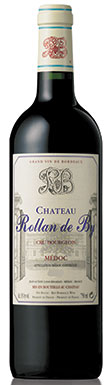

Deep, lustrous red. The nose is rich, savoury and smoky, with black-fruit aromas. There’s a fine attack, excellent concentration, yet ample freshness and bite, and...
2010
Château Rollan de ByMédoc

Château Potensac, Médoc, Bordeaux, France, 2000
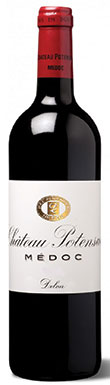
After almost 20 years, the colour is only showing slight evolution. The nose is fragrant and charming, with blackcurrant aromas. Hefty in its youth, it...
2000
Château PotensacMédoc
Château Potensac, Médoc, Bordeaux, France, 2015
92
One might have expected Potensac to have produced an intimidating wine in this fine vintage, but it’s actually quite accessible and fluid. The nose is sweet and ripe, with elegant cherry and blackcurrant aromas. The tannins are firm but ripe, giving grip, but there’s complexity and spice too. Assertive and long.
2015
Château PotensacMédoc
Château Tour Haut-Caussan, Médoc, Cru Bourgeois, Bordeaux, France, 2016
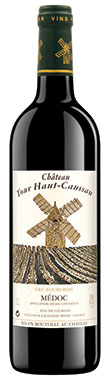
Exuberant and stylish on the nose, this displays splendid blackcurrant aromas. It’s concentrated but plump and slightly soft, though there are polished tannins and fine...
2016
Château Tour Haut-CaussanMédoc
Château Tour Haut-Caussan, Médoc, Cru Bourgeois, Bordeaux, France, 2010

Still very deep in colour in its 10th year, this has a lean, oaky, blackcurrant nose of considerable finesse. Juicy and supple, this is medium-bodied...
2010
Château Tour Haut-CaussanMédoc
Château Les Ormes Sorbet, Médoc, Cru Bourgeois, Bordeaux, France, 2016
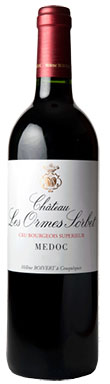
Perfumed blackcurrant fruit leaps from the glass. The palate is medium-bodied yet concentrated, with ample grip on the mid-palate. It’s a touch austere now but...
2016
Château Les Ormes SorbetMédoc
Château Loudenne, Médoc, Cru Bourgeois, Bordeaux, France, 2009
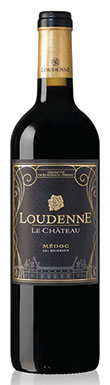
There are dense black fruits on the nose, mirrored on the palate. It’s full-bodied and generous, with ample weight of fruit and a good deal...
2009
Château LoudenneMédoc
Château d'Escurac, Médoc, Cru Bourgeois, Bordeaux, France, 2016
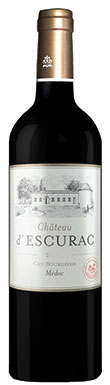
This is still youthful, with dense aromas of black cherry and blackberry. It’s very ripe and concentrated, with robust and firm tannins. Moderate acidity gives...
2016
Château d'EscuracMédoc
Château Rollan de By, Médoc, Cru Bourgeois, Bordeaux, France, 2015
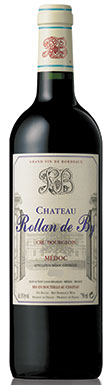
The high proportion of Merlot in the blend gives aromas of black cherries. Suave and juicy, this is already approachable, with supple tannins balanced by...
2015
Château Rollan de ByMédoc
Château Les Ormes Sorbet, Médoc, Cru Bourgeois, Bordeaux, France, 2011
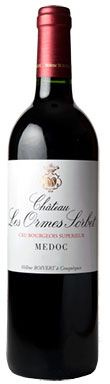
Many 2011 wines remain a touch austere. This is no exception, but it’s developing complexity. The nose is lightly savoury, with blackcurrant and liquorice. Tannins...
2011
Château Les Ormes SorbetMédoc
Château Fleur La Mothe, Médoc, Cru Bourgeois, Bordeaux, France, 2015
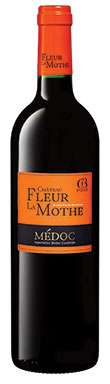
Although overall the wine is denser than the elegant 2016, the nose is delightful, with fresh and perfumed blackberry aromas, expressing charm and finesse. The...
2015
Château Fleur La MotheMédoc
Château Laujac, Médoc, Cru Bourgeois, Bordeaux, France, 2016
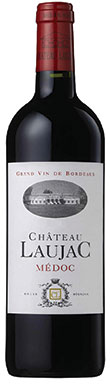
Even in 2016, Laujac hasn't gone all-out for extraction, and even the colour is only a moderately deep red. The nose has intense cherry aromas...
2016
Château LaujacMédoc
Château Fleur La Mothe, Médoc, Cru Bourgeois, Bordeaux, France, 2016
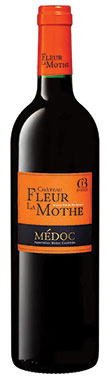
The nose is ripe and charming, with blackberry aromas. This is creamy and full-bodied, but at the same time it shows freshness and lift, giving...
2016
Château Fleur La MotheMédoc
Château d'Escurac, Médoc, Cru Bourgeois, Bordeaux, France, 2010
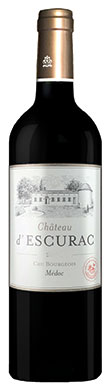
The colour remains youthful and unevolved, and the nose, too, is reserved. However, the palate is bright, showing ample sucrosity, though the tannins remain firm....
2010
Château d'EscuracMédoc
Château Loudenne, Médoc, Cru Bourgeois, Bordeaux, France, 2016
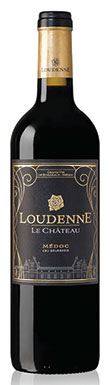
Forceful nose, with dense aromas of black cherry and blackcurrant. Rich and full-bodied, this has a suave texture, supple tannins, and sufficient grip and acidity...
2016
Château LoudenneMédoc
Château Laujac, Médoc, Cru Bourgeois, Bordeaux, France, 2014
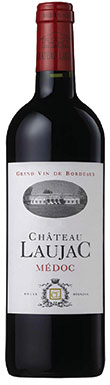
Surprisingly, this 2014 shows more depth of colour than the superior 2016. There are ripe blackberry aromas on the nose. The attack is fresh and...
2014
Château LaujacMédoc
