
Looking to Bordeaux’s great dry whites: 16 top wines from the 2015 vintage
Panos Kakaviatos looks at the history and background of dry white wines from Graves and selects the top 16 stand-outs from the 2015 vintage...
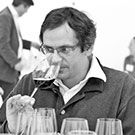

Several non-wine geek friends were impressed when I served the same dry white that had been on the menu of a gala dinner in Versailles during Vinexpo 2020. They discovered just how tasty dry white Bordeaux could be. ‘This is so rich and aromatic,’ one remarked. ‘I want to try more white Bordeaux,’ another said.
The Château de Fieuzal Blanc AOC Pessac-Léognan 2015 vintage is one of 15 wines tasted for this article, but many more illustrate the extent to which consumers overlook Bordeaux’s dry whites, the best from the Graves region and especially from its northern appellation Pessac-Léognan.
Scroll down for Panos Kakaviatos’ top Bordeaux dry whites from the 2015 vintage
From Germany to the United States, by way of China and elsewhere, when consumers talk Bordeaux, red comes to mind, says Julien Boulard MW, wine educator in Nanning, China. ‘But if you speak of New Zealand or Germany, wine consumers automatically think white.’ And usually varietal, be it Riesling or Chardonnay, Sauvignon Blanc or Pinot Gris.
To think of a region as famous as Bordeaux to be dominated by one colour hides the sheer range of dry white styles at affordable prices that consumers get from Graves: from inexpensive and non-oaked, to more complex and oaked and from deep, dense and serious, to light, elegant and perfect for summer quaffing.
Encompassing over 5,000ha of vineyards, including Pessac-Léognan, the name ‘Graves’ reflects the region’s many heat retaining gravelly stones. But it also includes diverse sub soils – from soft sand and limestone to various clays – and differing elevations with cooler and warmer micro-climates that contribute to stylistic variety.
Quality has never been better, as each of these estates, among others, have become more precise in harvesting and vinification. For some, prices have not yet caught up with quality, thus it is an opportune time to focus on Graves.
Two principle grapes make the blend: Sémillon, which lends texture, white stone fruit and floral aspects and Sauvignon Blanc, known worldwide for its grassy, crispy citrus profile. But ‘oak seasoning adds complexity’, stresses wine educator and former Washington Post wine writer Ben Giliberti. That sets them apart from, say, Sancerre.
Classification
Although famous for its reds, beginning with Château Haut Brion, the Graves classification that dates back to 1959 also includes dry whites.
The best come from the region’s northern sector, which features all 16 classified wines: seven reds, three whites and six both red and white. This led to the separate Pessac-Léognan appellation established in 1987, which at that time counted 55 estates and just over 800ha under vine.
Today, some 75 estates cover over double that area, but the ratio of red to white is about 75 to 25. Top whites featured in this article start at a very affordable £20 a bottle, have great density and complexity and are aged in barrel. Many more wines from the southern Graves region are even less expensive and tend to use less or no oak for ageing.
The market
While tasting highly-rated Pessac-Léognan brands like Château Smith Haut Lafitte, Pape Clément and Domaine de Chevalier, importer Klaus Kneib always marvels at how ‘really good’ the wines are, with ‘Burgundy complexity’.
But in 25 years experience, Germany ‘has never had a high demand for them’. He is not sure why. ‘Maybe barrel aging puts off German consumers accustomed to fruitier styled whites? But they don’t mind barrel aged white Burgundy, so why should that be a problem for Bordeaux’, he wonders.
Of course, white Burgundy has had a much longer time to establish itself.
Famous brands sell because of notoriety for their red wines, says Jeremy Stockman of Watson’s Wine in Hong Kong. At ‘the very top’ is Haut Brion Blanc, given the celebrity status of its grand vin and the minute quantities of very expensive white wine produced there. Others include Château Smith Haut Lafitte, which at the time of the Graves classification, only produced red wine. Today it makes one of the top dry whites of Bordeaux.
But where pricier wines sell in upscale markets like Hong Kong, ‘great, everyday wines like Château Malartic Lagraviere don’t feature so much because our customers aren’t looking for that, which is a pity, as I love the style,’ says Hong Kong merchant Linden Wilkie.
Giliberti agrees; ‘Château Malartic Lagraviere has clearly upped its game, making terrific whites at a great price.’ Domaine de Chevalier, also known for its red wines, boasts a white which Giliberti considers ‘at the first growth level these days’.
Wines with especially excellent price/quality ratios include Château La Louvière, Château Carbonnieux, Château Latour Martillac, Château Bouscaut and Château Olivier.
And yet ‘there still lacks enough visibility and understanding of these wines by the American consumer’, says Shaun Bishop of JJ Buckley in California. Like others, Hong Kong’s Stockman suggests more ‘communication and consumer tastings to help raise awareness’.
Indeed, Domaine de Chevalier owner Olivier Bernard is in the early stages of writing a book on white wines. ‘We need a spotlight on whites, because we have heard enough about the reds’, he said.
Vintage variation and quality advances
Comsumers should know that vintages for whites matter just as much as for reds. Although canopy management and vinification are adjusted each year, cooler terroirs – such as Château La Louvière and Domaine de Chevalier in Léognan excel in warmer years, while warmer terroirs in Pessac, including Château Pape Clément, thrive in cooler vintages like 2014.
Global climate change brings more warmer vintages, so some winemakers stress a prominent role for Sauvignon Blanc. ‘In the past, we needed more Sémillon for the creaminess, because the Sauvignon was a bit too pronounced,’ says Domaine de Chevalier’s Bernard. ‘With global warming, we will need less Sémillon, as Semillon in gravely soil is a bit warm on the palate, like Merlot in gravely soil.’
What also impresses is the age worthy quality of the wines, even among the less pricey. A Château La Louvière 1985 tasted in June 2020 was drinking beautifully alongside cod and later with aged Mimolette and Comté. Notes of toffee, salted caramel and quince jam came across rather fresh and with a real sense of drinkability.
Meanwhile, estates are fine-tuning their wines. Château de Fieuzal and Château Pape Clément have had some excessive oak derived flavours in the past, but both now emphasise more fruit.
Recently arrived cellar master Jean-Charles Fournié of Château de Fieuzal says he stresses freshness, tension, and minerality. Other wines, like Château La Louvière and Château Couhins Lurton, known for rather bracing acidities, are set to get a bit creamier, but without losing their authenticity. ‘I’m used to making less acidic wines, and I think that consumers want this too,’ remarked owner Jacques Lurton, who took over the estates following the passing of his father André Lurton in 2019.
Enclosure questions
As with other dry white wines, consumers can encounter premature oxidation which is not limited to white Burgundy. During the dinner with the exquisite Château La Louvière 1985, some other 1980s whites seemed over evolved or marked by cork taint. It may have been bad luck, but winemakers like Lurton and Bernard have replaced regular cork enclosures for Diam cork since the 2015 vintage to ensure freshness.
‘Graves white is a wine that it imposes itself gently,’ remarked Strasbourg wine bar owner Stéphan Maure, with whom I tasted many of the wines for this article.
A word about organic certification. While some estates seek, or even have certification for being fully organic, that is not an essential condition for top quality. Indeed, the climate conditions make Bordeaux less ideal for being fully organic each year when compared to the Languedoc for example.
A success story is Château Smith Haut Lafitte which obtained its ‘Agriculture Biologique’ certification just last year, rewarding long term organic practices and historical commitment to nature and biodiversity set up by Florence and Daniel Cathiard, since they acquired the estate in 1990. However, Château de Fieuzal and Domaine de Chevalier for instance both strive to be fully organic when possible, but it is not always the case.
Stylistic categories
Most exotic and opulent
Château Pape Clement
Most refined and focused
Domaine de Chevalier
Most sumptuous and elegant
Château Smith Haut Lafitte
Best price quality ratios
Château de Chantegrive
Château Couhins-Lurton
Château La Louvière
Château Latour-Martillac
Château Malartic-Lagravière
Panos Kakaviatos’ top Bordeaux dry whites from the 2015 vintage
Two bottles of Château Latour-Martillac, Cru Classé de Graves were submitted and tasted but both were corked.
You may also like
Best-value Bordeaux white wines: Top 20 picks from Entre-Deux-MersBest Bordeaux 2019 wines: Best value whitesBest Bordeaux 2019 wines: Top scoring whites
Château Smith Haut Lafitte, Pessac-Léognan, Bordeaux, France, 2015
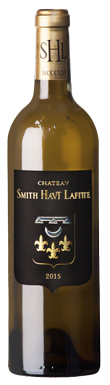

The 2015 is a stunning wine and represents a sterling effort in a difficult vintage for white wines. It shows a dense and complex nose...
2015
Château Smith Haut LafittePessac-Léognan

Domaine de Chevalier, Pessac-Léognan, Cru Classé de Graves, Bordeaux, France, 2015
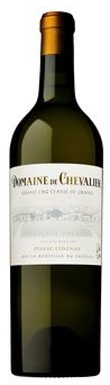
What sets this estate apart is its consistency for so many years since the current owner Olivier Bernard took the helm in 1983. The cooler...
2015
Domaine de ChevalierPessac-Léognan
Château La Louvière, Pessac-Léognan, Bordeaux, France, 2015
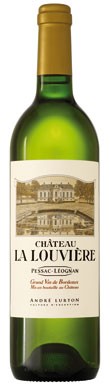
94
<p>Aromas and flavours of fresh citrus, chamomile and primrose reveal a smooth and refined wine. Well integrated 30% new oak from the aging contributes to a creamy texture, revealing good balance with floral, white stone fruit and touches of kiwi on the long finish. Tasted on three occasions with consistent positive feedback. Owner Jacques Lurton explained how cooler temperatures in the vineyard, compared to those higher on the plateau, and clay soils accentuating vine vigour (and more leaf covering) proved ideal for the warm 2015 vintage. 'If I can find it, I am buying it,' said Stéphan Maure of the Strasbourg wine bar Ill Vino. Try with cod in a lemon sauce.</p>
2015
Château La LouvièrePessac-Léognan
Château Malartic-Lagravière, Pessac-Léognan, Cru Classé de Graves, Bordeaux, France, 2015
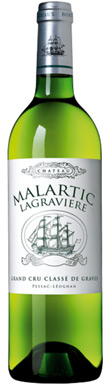
What a splendid combination of freshness and creaminess in 2015! This is a wine that is both balanced and refined, with precision and ripeness, displaying...
2015
Château Malartic-LagravièrePessac-Léognan
Château Couhins-Lurton, Pessac-Léognan, Cru Classé de Graves, Bordeaux, France, 2015
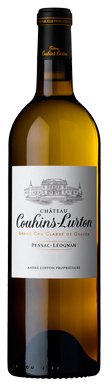
Similar in style to the Château La Louvière although the oak is not quite as well integrated at this stage. The wine has full body,...
2015
Château Couhins-LurtonPessac-Léognan
Château Pape Clément, Pessac-Léognan, Cru Classé de Graves, Bordeaux, France, 2015
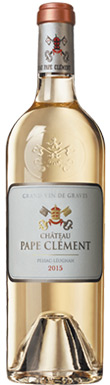
Ripe white stone fruit includes jammy aspects, as this is the most opulent of all the wines assessed in this tasting. While the 2014 is...
2015
Château Pape ClémentPessac-Léognan
Château de France, Pessac-Léognan, Bordeaux, France, 2015
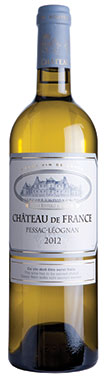
92
A clear step up from some of the other wines in the tasting where ripe pear and lemon meringue aromas and flavours enchant. The wine is neither bitter nor varietal, exuding impressive density on the mid palate, leading to a long finish marked by white stone fruit and lift. It integrates the oak derived notes (40% new oak aging) very well. While the 2014 may show better grip and tension, this vintage illustrates how white Pessac-Léognan can succeed in a warmer vintage. An excellent price/quality ratio here. Try with cheese or fish.
2015
Château de FrancePessac-Léognan
Château Carbonnieux, Pessac-Léognan, Cru Classé de Graves, Bordeaux, France, 2015
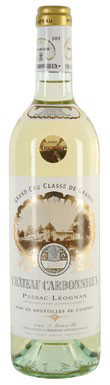
Subtle lightness and evident brightness. The gentle and slow pressing using inert gas and cold clarification certainly contribute to the 80% Sauvignon Blanc dominated freshness...
2015
Château CarbonnieuxPessac-Léognan
Château Larrivet Haut-Brion, Blanc, Pessac-Léognan, Cru Classé de Graves, Bordeaux, France, 2015
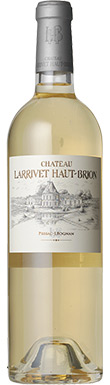
<p>A full expression of the vintage, with ripe fruit aromatics but very nicely handled, with a sense of weight but a lovely focus on the...
2015
Château Larrivet Haut-BrionPessac-Léognan
Château de Chantegrive, Graves, Bordeaux, France, 2015
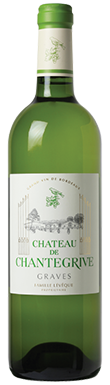
91
Initial reduction dissipates with air, yielding notes of white stone fruit and lemon. This is a charming wine displaying freshness, density and verve. Fermentation in temperature-controlled vats and aging on the lees accentuates both pure fruit flavours of nectarine and acacia and a certain creamy texture. Medium finish. Try pairing with seafood or salmon. A bargain pick.
2015
Château de ChantegriveGraves
Château Bouscaut, Pessac-Léognan, Cru Classé de Graves, Bordeaux, France, 2015
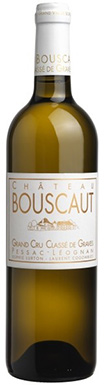
<p>A wine of many exotic notes such as pineapple, mango and kiwi, which are more prominent than most of the other wines assessed in the...
2015
Château BouscautPessac-Léognan
Château Olivier, Pessac-Léognan, Cru Classé de Graves, Bordeaux, France, 2015
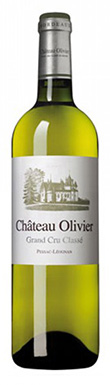
Youthful green hue. The gorgeous nose exudes white flower, quince and pineapple notes. The palate balances richness and acidity well, although I sense just a...
2015
Château OlivierPessac-Léognan
Château de Chantegrive, Cuvée Caroline, Graves, Bordeaux, France, 2015
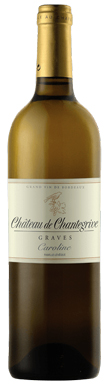
90
Darker tone than the normal cuvée, with rather evident barrel-derived toasted notes from the aging in 50% new oak and lees stirring. Appealing candied lemon flavour yields a hint of bitter almond, so not quite as 'clean' as the regular cuvée, but with its richness could face even foie gras, let alone roasted poultry or fish in cream sauces.
2015
Château de ChantegriveGraves
