
Can rosé wines really age?
Yes, there’s an ocean of young, pink wines to choose from. But why not offer a bottle-aged, more food-friendly alternative? A niche set of southern French producers do just that – though their approach divides opinion.


The subject of ageing rosé elicits passionate debate. For many, ‘aged rosé’ or rosé de garde, still means rosé with only two to three years of age; but with the increase in quality inherent in wines of this type that have a capacity to age, these rosés are still youthful.
The big question is: ‘How do rosés continue to age?’ What are their secondary and tertiary profile evolutions as they shift from fresh fruit to other flavours?
Scroll down to see tasting notes and scores for six age-worthy rosé wines
‘Rosé should be drunk young and fresh’ is the prevailing mantra of producers and critics, who cite its simplicity and fun-loving style as one of the many reasons for the rosé boom. Vintage charts and extra wine knowledge are not required.
In southern France, rosé regarded as good for the season has meant traditionally that winemakers rush to bottle their wine by January/February to be tasted in time for reviews and new listings from Easter. By the following spring, any wines left over are relegated as old stock to dispose of by the time the new wines come in.
Many believe rosé does not age well beyond a few years because older vintages have never been tasted, yet very few producers retain a library of older vintages to taste or show to those who are interested – let alone to sell! It makes it difficult to evaluate and assess the ageing potential of rosés, requiring great effort to locate old vintages.
Near Narbonne in Languedoc, Gérard Bertrand is keeping back examples of his Clos du Temple to be able to offer vertical tastings, and Château du Galoupet in Provence, now in the LVMH stable, is considering the same policy.
Staying power
Various winemaking techniques are used to help rosé age. Because rosé is halfway between white wine (avoiding extractions of phenol compounds at the tannin level) and red wine (with potential problems in colour extraction and structure), producing rosé wine that ages means developing ways to help the wine age within the style.
Philippe Bru, winemaker at Château Vignelaure in Provence, sees complex reasons why a rosé can age. ‘Maceration adds to concentration and rich fruits, wood adds tannins and structure; and although malolactic fermentation does not in itself contribute to ageing potential, as it reduces vital acidity, if the wine has naturally high enough acidity to allow for malo, it has ageing potential.’
Mireille Conrath, consultant winemaker for the Syndicat des Vins Côtes de Provence, feels that the techniques used for creating a rosé that will age are hit and miss. Over the past 10-15 years there has been an extensive modernisation in rosé winemaking, which could impact on how current and future rosés will age.
Aged Provence rosés tend to have spent time in oak, and they usually age quite gently, taking on soft ripe fruit character. However, with fewer older vintages around to taste, it’s not always easy to evaluate such wines’ ageing potential.
On the south coast, St-Tropez cooperative Torpez’s Ultimum 2015 (40% Grenache, 40% Mourvèdre, 15% Tibouren, 5% Syrah, aged 18 months in foudres) has oranges, juicy raspberries, white peach, saline freshness and sweet, gentle oak.
Château Vignelaure 2014 (Grenache, Syrah, Cabernet Sauvignon) is from one of the most northerly Provence vineyards – at up to 400m between Rians and Jouques – and has ripe, sweet red fruit, quince, sweet apples, peaches and apricots, with long, fresh vibrant acidity.
Also on the coast, Bandol’s direct-press wines take on golden salmon hues and nutty quince and bruised apple notes quite quickly, while remaining fairly concentrated, with saline notes a commonly used descriptor as the wines age, defining the freshness.
Domaine Dupuy de Lôme 2015 (70% Mourvèdre on north-facing clay and limestone) has powerful structure and ageing potential, with youthful peaches and apricots and an underlying darker fruit power. And Domaine Tempier’s 2011 (55% Mourvèdre on limestone) has saline, rich orange and apricot fruit, caramelised bitter almonds and long pomelo freshness.
Domaine de Terrebrune’s 2010 (60% Mourvèdre on brown clay), meanwhile, has fresh, bitter orange, hints of blackcurrant fruit, saline molasses and citrus vivacity with honeyed concentration.
Tavel too
Up in the Rhône valley to the north, Tavel producers use lengthy maceration ranging from 12 to 72 hours, and they attribute the ageworthiness of their full-bodied rosés precisely to this maceration and the weight and tannic structure it provides. Tavel can develop notes of chocolate, orange and floral delicacy with tannins giving freshness, while some of the wines that have had longer maceration can develop notes of dark cherries and kirsch, but very rarely the saline notes found in Bandol.
Domaine Maby’s Libiamo 2015 (50% Grenache Blanc, 50% Cinsault on the hot galets roulés terroir, fermented and aged in new demi-muids) has notes of marmalade, black chocolate and honey, with firm tannins.
Château Trinquevedel’s Les Vignes d’Eugène 2011 (Grenache, Clairette and Cinsault on sandy soils and 24 hours’ maceration), has ripe cherry fruit, floral notes, hints of bitter almonds and blood orange acidity. Château Manissy’s Tête de Cuvée 1976 (sandy clay soils, fermented in concrete, aged in foudres), has dried apricots, honey, Lapsang Souchong tea notes and amazing freshness and length.
Oak ageing is another hot topic in the rosé world, with many arguing that extra care during winemaking and the use of oak helps rosé to age longer, especially if backed up with greater weight and extraction in the wine.
The benefits of oak
Allowing the must to interact with a little oxygen before, during and shortly after fermentation can protect wine from subsequent oxidation in the bottle. Oak, which is naturally slightly porous, is an easy way to let in this small amount of oxygen – too much and the wine will oxidise.
Ageing in oak (and extended skin maceration) will also provide tannins, which can protect rosé from the negative effects of oxygen, just as they can in reds. For many winemakers, this use of oak is a statement of serious, ageworthy rosés that justifies waiting a year before release.
Even if a rosé is made to age well, its ageing potential can still be jeopardised by lightstrike. While its colour is flaunted in clear bottles, there’s a risk it will be exposed to harmful UV light. Nevertheless, only a few producers put their rosé in dark or recycled glass. Château Trinquevedel’s Guillaume Demoulin, who is also the current president of the Tavel producers, is working towards the syndicat having a dark glass bottle to use for the premium wines intended for ageing.
The question now is n0 longer whether rosé can age, but rather what the impact is of the different varieties, terroirs, vintages and vinification techniques in creating different styles we can enjoy in five, 10 or 20 years.
Benefits of age: Gabay’s half-dozen age-worthy rosé wines to tuck away
Related articles
- Loire 2021 red wines: vintage report and new releases
- Expert’s Choice: Bordeaux dry whites under £25
- Godello: panel tasting results
Domaine La Grande Bauquière, Moment Singulier, Côtes de Provence, Provence, France, 2021
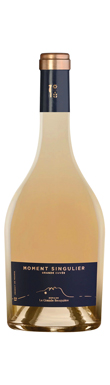

Lots of new oak on the nose almost dominates the aromas, but notes of exotic flowers peek round the edges. On the palate, charmingly juicy...
2021
Domaine La Grande BauquièreCôtes de Provence

Domaine Moulin-la-Viguerie, La Combe des Rieu, Tavel, Rhône, France, 2020
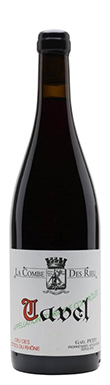
Even with a good amount of white grape varieties in the blend, this wine is full of juicy raspberries, cherries, strawberries, with supple, intense black...
2020
Domaine Moulin-la-ViguerieTavel
Château Les Mesclances, Faustine, Côtes de Provence, La Londe, Provence, France, 2021
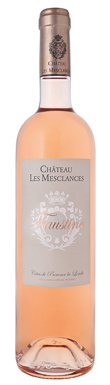
Extended maceration to emphasise the ageing potential also serves to heighten the saline minerality of the coastal schist terroir. Silky soft, velvet texture with intense,...
2021
Château Les MesclancesCôtes de Provence
Domaine la Suffrène, Tradition, Bandol, Provence, France, 2020
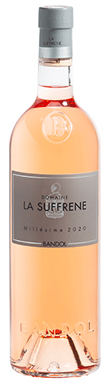
This wine is on the cusp of moving from youthful freshness to slightly more mature fruit. The dark cherry and full weighty structure plays with...
2020
Domaine la SuffrèneBandol
Domaine Lafond Roc-Epine, Tavel, Rhône, France, 2021
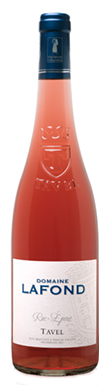
The perfumed florals of the Cinsault and Clairette in the blend give pretty aromatics of sweet spice, jasmine tea and dried apricots, opening up to...
2021
Domaine Lafond Roc-EpineTavel
Domaine Tempier, Bandol, Provence, France, 2021
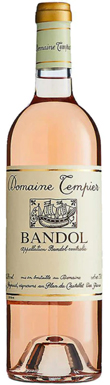
A youthful, fruit-forward wine wine with almost red jam richness on the nose. On the palate the red fruit is fresh and crunchy with green...
2021
Domaine TempierBandol
