
Château Galoupet: bees and biodiversity to the fore
LVMH purchased the run down Château Galoupet in 2019 and the estate's first wines under new ownership were released earlier this year. Elizabeth Gabay MW explores its biodiversity drive, eco packaging and plans for the future.


Château Galoupet is a Provence cru classé estate on the southern slopes of the Massif des Maures, overlooking the Mediterranean and the island of Porquerolles. It was purchased in 1970 by the Indian Shivdasani family. As the older generation died and retired, the estate started to decline.
Despite initiatives in the early 2000s to create a biodiversity trail and designated nature reserve, the estate was in poor condition. Sixty per cent of the parcels had 20% of the vines missing, and the ravages of a forest fire in 2017 had led to erosion and the proliferation of invasive plants.
Nevertheless, when Jessica Julmy, in charge of heading up the team seeking to buy a Provence estate to add a premium rosé to Moët Hennessy’s portfolio, arrived at Galoupet, it was love at first sight. She saw its poor condition as a blank slate for creativity and recognised its potential.

Scroll down for tasting notes and scores for the first two of Château Galoupet’s wines
The announcement in the summer of 2019 that LVMH had purchased the cru classé estate, at an estimated 30 million euros, was followed in December by LVMH’s purchase of 55% shares in Sacha Lichine’s Château d’Esclans business. The two estates are, however, working completely independently of each other.
Bees and biodiversity
Julmy’s passion for biodiversity and ecology is a driving force through all their activities. For this she has partnered with Thierry Dufresne, president of the Observatoire Français d’Apidologie (French Bee Observatory) based on the nearby Massif de la Sainte-Baume, who has established 100 beehives on the estate to help monitor the local biodiversity.

She has also partnered with soil fertility and plant nutrition consultant Bruno Bourrier. Bourrier has created a long-term plan of trialling different cover crops, seeing what works best in the different parcels around the estate in order to best enrich the soil and support the vines.
With rainfall in Provence increasingly erratic and falling in torrential showers rather than throughout the year, Galoupet is repairing an old rain-fed reservoir in the middle of the estate and integrating drainage channels to avoid erosion. Cork oaks, which are fairly fire resistant, are being planted on the hillsides.
Long-term plans
The estate is still a ‘work in progress’, which Julmy describes as a 20-year plan. Varieties that were not doing well have been dug up, soil analysed, varieties and rootstocks carefully chosen, while an energy efficient cellar, solar panels and recycled water are in the pipeline.
While the estate’s regenerative viticulture is not unique in Provence, it is one of the largest and most visible, which will certainly help boost the region’s move towards more sustainable practices.
Location
Galoupet is located within the La Londe denomination, a small sub-appellation within Côtes de Provence, although like other cru classé estates, it prefers its cru classé status to that of the denomination.
The La Londe denomination is unique in Provence for producing as much red as rosé, but Galoupet has always placed a greater emphasis on rosé.

The wines
In April 2022, Galoupet launched its first two new rosés: Château Galoupet cru classé rosé and a second wine, Nomade (made from estate grapes in 2021, but to be made in future years with grapes from partner growers who follow regenerative viticulture). A small quantity of oak-aged red and white wines are being trialled.
Julmy was keen to express the maritime schist terroir, and technical director Mathieu Meyer wanted notes of salinity in the wines.
After trialling different rosé blends, the 2021 Château Galoupet cru classé is primarily Grenache. Tibouren is kept to a small percentage to avoid its honeyed notes dominating the clean austerity of the wine, as is the Syrah to prevent an excessive vinous character. Co-fermented Syrah and Rolle – which they call Syrolle – provides freshness. The wine is fermented and aged in demi-muids to keep oak character to a minimum and just accentuate the weight and salinity of the whole.
Gilles Bascle, Galoupet’s winemaker for the past 20 years, used to make a wine called ‘Tibur’ under the previous owners, a rosé from 90% Tibouren, a rare variety found only in Provence (the main variety of nearby Clos Cibonne) and Liguria (where it is known as Rossese di Dolceacqua). Tibur showed the typical character of Tibouren grown on the coastal schist soils of honey and dried apricots, and Julmy and Meyer loved both its unique taste and its close connection with the region, so decided to try to incorporate it into their blend. Galoupet’s old bush vine Tibouren was planted in 1969 and produces beautifully intense juice, so they plan to raise the amount of Tibouren to 20%.
Château Galoupet: fact file
Estate size: 160ha
Area under vine: 69ha
Woodland area: 77ha
Grape varieties planted: 29% Grenache, 22% Syrah, 16% Rolle, 15% Cinsault, 8% Tibouren, 5% Mourvèdre, 4% Sémillon, 2% Caladoc
Managing director: Jessica Julmy
Technical Director: Mathieu Meyer
Estate Director: Gilles Bascle
For LVMH, heritage was an important part of the identity of Galoupet, and its cru classé status fit the required profile, although its relatively short history, and lack of a historic château, has made it one of the least grand properties in the portfolio. But researchers are slowly pushing back the dates in the history of the estate to the early 18th century, with the crescent moon as part of the bottle’s embossed design, a reference to the heraldry of an early owner.
A ‘bold environmental statement’

But here, heritage and tradition end, with Julmy insisting that her ecological vision continues with the wine’s presentation. The Château Galoupet cru classé rosé comes in a 70% recycled glass bottle, which has a feuille morte colour. This is a radical move for a Provence rosé, as nearly all rosés come in clear flint glass. Importantly, this decision shifts the focus from the colour pink, and also helps to prevent lightstrike.
Nomade is strikingly presented in a flat plastic bottle made from plastics reclaimed from waste at sea and weighs only 63g, a tenth that of a typical glass bottle. These bottles, while not unique, make a bold environmental statement for such wines and for LVMH.
An eco-bright future
In the three years since Julmy and Meyer have been making Galoupet rosé, it has been good to observe the evolution of the wine, from initial tank samples, as they learn the character of the estate and the grapes’ potential.
Plans for smaller fermentation tanks and the possibility of single-vineyard wines are considered and the ageing potential of their rosé studied.
It is still too early to say where their rosé will be placed on the Provence spectrum, but so far it is showing promise. The 2022 vintage indicates good quality, although smaller in volume following a violent August hail storm.
Elizabeth Gabay MW assesses the first vintage of Château Galoupet:
Related content
Long Read: Biodiversity in the vineyard – looking to the future
Southern French rosé: 10 myths debunked
LVMH buys Napa Valley’s Joseph Phelps Vineyards
Château Galoupet, Côtes de Provence, Cru Classé, Provence, France, 2021
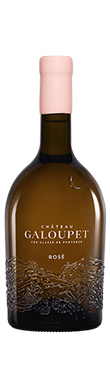

The discreet oak gives weight to the intensely saline and mineral structure, ripe raspberry, black fruit and the hint of sweet apricot fruit. The long...
2021
Château GaloupetCôtes de Provence

Château Galoupet, Nomade, Côtes de Provence, Provence, France, 2021
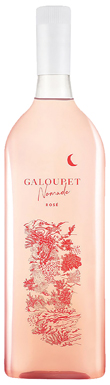
From LVMH’s flagship sustainability project in Provence, a typical blend of southern French grape varieties. Attractive pale pink rosé in a strikingly designed ‘flat’, lightweight...
2021
Château GaloupetCôtes de Provence
