
Chianti Classico 2013 & 2014 top tiers: Panel tasting results


New legislation in 2014 introduced a Gran Selezione tier above Riserva. So how did these top levels fare in two contrasting vintages? See this report on 165 wines tasted by our three-strong expert panel, with an introduction by Susan Hulme MW...
165 wines tasted with seven rated Outstanding
The panel tasters were: Andrea Briccarello, Susan Hulme MW and Andrew Jefford
The introduction in 2014 of the new Gran Selezione quality classification, above Chianti Classico Riserva, was in part an attempt to redress the balance. Up to this point, Riservas were at the top of the quality ladder and were the most suitable for long-term ageing.
Scroll down to see the top wines from this panel tasting
In theory, Gran Selezione should represent a producer’s best wine. The classification is obtained through laboratory testing and reviews by a tasting committee, but not every wine submitted is granted GS status.Its introduction was not universally popular among producers; some felt that named vineyards or the introduction of zoning (a further delimiting of the DOCG area) would ensure quality and show respect for terroir.Grapes for Gran Selezione wines must be from the same estate, but need not be from the same vineyard. However, as most producers voted to accept this new classification, even those who had reservations seem to be embracing it as a step in the right direction.
Quick link: View all 165 wines from this panel tasting
Ageing
Chianti Classico Riserva wines require a minimum of 24 months’ ageing from 1 January of the year following the harvest and this must include a minimum of three months in bottle.
Gran Selezione requires a minimum of 30 months’ ageing, including three months in bottle.
So a wine labelled Riserva may, in theory, have fulfilled the ageing criteria of a Gran Selezione; the producer could have decided not to submit it or, having done so, it could have been rejected by the committee, falling back into the Riserva category.
Vintage conditions
2014 was a challenging vintage with lots of rain even in summer, but a fine September helped save the day. Those producers who worked hard in the vineyard produced good wines.
The 2014s are often deeply coloured and fuller, but with a little less refined tannic structure. The best 2013s are beautifully balanced and poised with finer, more harmonious tannins. While they are very approachable now, they have the balance to age gracefully for several years.
The requirements for GS may not yet be as rigorous and precise as the most quality-conscious producers would like, but the Gran Selezione classification is helping to draw attention to some of the best wines of the region – and that can only be a good thing.
The scores
165 wines tasted
Entry criteria: Producers and UK agents were invited to submit their 2013 and 2014 Chianti Classico Riserva and Gran Selezione wines (maximum two wines per producer and one wine in each category)
Exceptional 0
Outstanding 7
Highly Recommended 73
Recommended 79
Commended 6
Fair 0
Poor 0
Faulty 0
See all 165 wines from the panel tasting
The results
With almost half the wines scoring 90 points or more, our judges were impressed by the quality of both tiers of wines, as well as both vintages. John Stimpfig reports on the post-tasting discussion.
For all three tasters, this was an encouraging vindication of Gran Selezione (GS), the top tier of the Chianti Classico classification, above Riserva, which came into effect from the 2013 vintage. Six of the seven top-scoring wines were GS, from 43 wines entered: ‘The results speak for themselves,’ said Andrea Briccarello.
It was also a successful tasting for the 116 Riserva wines submitted. ‘We had some lovely and exciting wines in both categories,’ said Susan Hulme MW.
Andrew Jefford concurred, noting that, ‘Chianti often comes in for a lot of flak. However, on the basis of this tasting that would be unfair. There were lots of true, deft, terroir wines that expressed themselves very well.’
Moreover, Briccarello suggested that these were not the easiest vintages for Chianti. ‘In my opinion the 2014 wines had the edge on the 2013s, which often felt a bit harder. But generally, the quality was outstanding. And although I am a Sangiovese puritan, I thought that the addition of a bit of Merlot and Cabernet really added to some of the wines.’
Jefford had a slightly different view of the vintages. ‘There are those who have made a great success of each, and some who have done less well. But it wasn’t a tasting to draw enormous vintage conclusions from.’
Inevitably the discussion focused more on GS wines. According to Hulme, this new classification ‘is an opportunity for producers to say, “this is my best wine”. Hopefully, tastings like this will help to lift the image of Chianti Classico’s top wines to equal that of Brunello di Montalcino and Barolo. Right now, though, it’s still a work in progress.’
While the overall quality was high, not all of the GS wines ticked our tasters’ boxes. Jefford found some less appealing examples: ‘The wines I liked least were more oaky, sweet and super ripe – a kind of “Barossa meets Chianti”, or “Rioja meets Chianti”.’
Hulme noted a trend for high extraction in the GS wines so they would ‘appear more important’ than the Riservas, but said this applied to a handful of entries rather than the majority.
Briccarello was pleasantly surprised by the number of entries for such a new category. ‘It’s clearly growing, which is good because it means producers are taking to the idea of releasing their best wines as Gran Selezione.’
Under the regulations, it’s up to each producer to decide whether to make a GS or not. For those who do, it automatically follows that their Riserva will be their ‘second’ wine.
Yet there are producers who still believe in the Riserva style as their flagship. ‘And they are making some lovely examples,’ emphasised Hulme. Consequently, all three tasters urged readers not to give up on Chianto Classico Riserva as there were plenty of nuanced, subtle wines which also provide great value.
‘Pleasingly, we found high-scoring wines from both classifications in the £30-£60 bracket which are also fair value for the money,’ said Jefford. ‘Consumers can expect to pay more for Gran Selezione wines,’ noted Briccarello. ‘But this isn’t a marketing trick – generally you are getting more in the wine.’
In terms of approachability, almost all the wines are ready now or from 2019; some have the potential to age, but you don’t need to keep them for a long time. These are also food wines. ‘With the tannins and acidity, they scream for meat,’ said Bricarello. ‘The Gran Selezione are finer and more structured and would go well with game.’
Our tasters each pick their top 3 wines from the tasting:
Andrea Briccarello
Briccarello is the UK brand ambassador for Bisol. He previously worked as wine buyer for Galvin restaurants and was buyer and group sommelier at Corrigan’s Mayfair, Bentley’s Oyster Bar & Grill, and Lindsay House. In 2009 Briccarello was named Sommelier of the Year by Taste of London, and he was the winner of the Wines of Roussillon Dessert Trophy in 2010.
Fèlsina, Rancia, Chianti Classico Riserva 2013
Located in Castelnuovo Berardenga, the Rancia vineyard is planted around 400m above sea level, giving the wine great freshness and density. Packed with dark berries and spices, this is a wine worth ageing. 96 Drink 2018-2022
Candialle, Chianti Classico Gran Selezione 2013
Situated in the stunning Conca d’Oro in Panzano, Candialle has about 11ha of vines planted on the famous galestro soil, that gives wine extreme elegance and purity of fruit. Great structure with plenty of poised fruits and supple tannins. 95 Drink 2018-2024
Rocca delle Macìe, Sergio Zingarelli, Chianti Classico Gran Selezione 2013
The Sergio Zingarelli is made from the best grapes in Castellina in Chianti, grown on limestone and sand. Aged mainly in French oak, this stunning wine showed pure elegance and textbook Sangiovese notes. 95 Drink 2018-2024
Susan Hulme MW
Hulme is a wine writer specialising in Italian wines. Previously Italian wine editor for Le Pan Media, since 2016 she has written regularly for Decanter and Decanter.com. She has lived and worked in Italy and regularly travels to Italian wine regions. She became a Master of Wine in 2005, winning the Madame Bollinger medal for outstanding performance in the tasting exam.
Fèlsina, Colonia, Chianti Classico Gran Selezione 2013
A true terroir wine from a special vineyard at 420m on the top of Poggio a Rancia, with a particularly hard, rocky soil that is expressed in the firm, powdered rock tannins. 95 Drink 2018-2023
Marchesi Antinori, Badia a Passignano, Chianti Classico Gran Selezione 2013
It’s great to see the hugely influential and innovative Antinori family still leading the field with this beautifully balanced and seductively silky wine. 95 Drink 2019-2024
Isole e Olena, Chianti Classico Gran Selezione 2013
Brimming with charm and charisma, this wine is made mainly from a few special barrels of Cepparello (Sangiovese) blended with a small amount of Bordeaux varieties. 93 Drink 2018-2024
Andrew Jefford
Jefford writes a monthly column for Decanter and the ‘Jefford on Monday’ blog on Decanter.com. He has been writing and broadcasting about wine since the 1980s, winning many awards for his work. After spending 15 months as a senior research fellow at Adelaide University in 2009-2010, he now lives with his family in the Languedoc, close to Pic St Loup.
Il Palagio di Panzano, Le Bambole, Chianti Classico Gran Selezione 2013
Balanced, equable and fine-grained – yet crafted with a generosity of style which the long, drawn-out 2013 vintage made possible for those prepared to try. 97 Drink 2018-2025
Marchesi Antinori, Badia a Passignano, Chianti Classico Gran Selezione 2013
Bravo to Antinori for creating a 2013 Gran Selezione at the Badia a Passignano estate of very fine perfume and intensity: no resting on laurels here. 95 Drink 2019-2024
Isole e Olena, Chianti Classico Gran Selezione 2013
Disarmingly seductive at first sniff, and the charm deepened every time I went back to the glass. A Chianti Classico of penetration, structure and authority. 93 Drink 2018-2024
Chianti Classico: the facts
Total area 70,000ha, altitudes 200m-800m
Key towns Castellina in Chianti, Gaiole in Chianti, Greve in Chianti, Radda in Chianti; parts of Barberino Val d’Elsa, Castelnuovo Berardenga, Poggibonsi, San Casciano in Val di Pesa and Tavarnelle Val di Pesa
Grapes Sangiovese 80%-100%, other reds up to 20%
Consorzio members 580, including 376 producers
Production 2017: 27.5m bottles (Chianti Classico 64%, Riserva 32%, Gran Selezione 4%); 2016: 37.5m; 2015: 40m; 2014: 39m; 2013: 34m
Chianti Classico: know your vintages
2016 Low July rainfall, summer not excessively hot. Potentially excellent; very distinctive Sangiovese. Keep.
2015 Near-perfect: cold winter, mild spring, hot summer, cold overnight temperatures. The best wines will easily last 10 years.
2014 Cool, rainy early summer, saved by a fine September. Hard work in the vineyard repaid dividends. For early drinking.
2013 Cold winter, wet early spring, near-perfect summer. Classic: supremely harmonious and elegant. Drink or keep.
2012 Cold, snowy winter then one of the hottest ever summers. Despite this, wines are not heavy but still for early drinking.
2011 Very hot August; vines in hilly, water-retaining clay soils did best. Wines have rich tannins but good acidity.
Top rated wines from the panel tasting:
Related content:
Sassicaia wines tasted: 1968 – 2015
Top Australian wines made from Italian grape varieties
Top Valpolicella Superiore: Panel tasting results
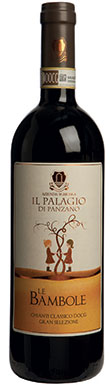
Il Palagio di Panzano, Le Bambole, Chianti Classico, Tuscany, Italy, 2013
96
This certified organic estate is located in the Conca d’Oro (Golden Bowl) of Panzano, in the Chianti Classico appellation. Today it’s run by Monica Piccini, whose father and grandfather both grew grapes here. Vineyards are planted at an altitude of around 500m on galestro soil, and benefit from a unique microclimate. Almost all of the vines are Sangiovese, with 1ha of Merlot planted by Piccini’s father. Le Bambole takes its name from the Vigna delle Bambole vineyard, the source of the fruit used in this Gran Selezione. Andrea Briccarello: Clean yet rustic, with leather and cigar box aromas. On the palate the wine is very polished and super-sleek. Lots of red forest fruits flow into an intense body. Great personality here, and a long aftertaste. Susan Hulme MW: Dark fruit combines with tar, polish and black olive on the nose. A very richly compact and concentrated palate with refined, oak-coated tannins. A super-smart, sophisticated style that's slick, round, satisfying and deeply concentrated. Andrew Jefford: Understated yet very intricate and charming; sweet, perfumed and serene. The elements are brought together with magnificent subtlety and harmony. That grace is amply evident on the palate too, demonstrating seamless harmony and an accumulation of nuance with textural finesse. It has sap, freshness and richness, and an assured sense of being Tuscan.
2013
Il Palagio di PanzanoChianti Classico
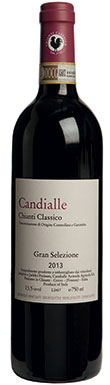
Candialle, Chianti Classico, Tuscany, Italy, 2013
95
Candialle is a 35ha estate located south of Panzano, with 11.5ha devoted to vines. Finnish winemaker Jarkko Peränen worked with a small producer in Chianti Classico for five years before purchasing Candialle in 2002. Sangiovese dominates the vineyard, with Merlot, Cabernet Franc, Malvasia Nera, Petit Verdot and Canaiolo also planted. Candialle belongs to the local Unione Viticoltori di Panzano, a sustainable winegrowing initiative that aims to make Panzano the first organic viticultural region in Italy. Andrea Briccarello: Slightly animal on the nose, with leather and sweet tobacco layers. It's very intense and structured on the palate, with delicate violets and red flowers peeping through. The tannins are rounded and there are plenty of juicy cherries on the mid-palate. Susan Hulme MW: Broad, round and spicy red-fruit aromas with perfumed cherry underneath. It has a super-subtle first impression, with silky, seamless texture and weight marking this out as a special wine. There's lovely ease and flow across the palate. Andrew Jefford: Sweet, warm, floaty fruit aromas tease with their ripeness. On the palate it is delicate and pure, with beautifully sculpted Sangiovese fruit showing freshness, depth, cut and class. Excellent.
2013
CandialleChianti Classico
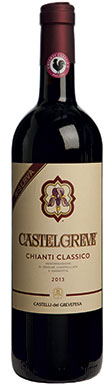
Castelli del Grevepesa, Castelgreve, Chianti Classico, Tuscany, Italy, 2013
95
The Castelli del Grevepesa co-operative was established in 1965 by a group of 18 Chianti Classico winemakers and growers. Today there are 150 members, who own a range of vineyards and estates in different areas including Panzano, Lamole and Greve di Chianti. A team of oenologists oversee the production of this Chianti Classico Riserva, which is a blend of 95% Sangiovese and 5% Merlot, hand-picked and matured in large oak barrels for two years. Andrea Briccarello: Very charming and attractive nose with herbal hints and menthol tones. Intense and complex on the palate, with generous layers of red forest fruits, spice and leather. A very seductive style, with plenty of charm and complexity. Susan Hulme MW: Warm and inviting notes of smoke, bonfire, ripe dark cherries and forest floor on nose, with a hint of greenness, reminiscent of woodland walks. Very smooth and silky textured mid-palate. Lovely weight and balance to this wine, which flows beautifully across the palate. Andrew Jefford: Enticingly subtle vanilla and lavish spice. A very concentrated, deep and searching wine of impressive intricacy and depth of allusions – and one which needs longer to grow out of its vanilla spice and express more of those forest and field notes. Ripe, ringing, fruited acidity and tannins, too, very finely spliced to the fruits: outstanding work here.
2013
Castelli del GrevepesaChianti Classico
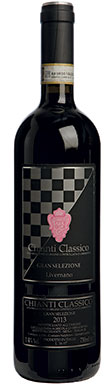
Livernano, Chianti Classico, Tuscany, Italy, 2013
95
The Livernano estate traces its origins back to the Etruscans, but gained a new lease of life in 1990 as a luxury holiday village with working farm and winery. The first vineyards were planted 15 years ago, surrounded by olive groves and woodland. Livernano makes a range of wines, including Chianti Classico and Chianti Classico Riserva. This Gran Selezione is aged in oak barrels for a minimum of eight months. Andrea Briccarello: Quite a vinous style on the nose, unfolding onto dark stone fruits and plenty of dark spices at the back of the wine. Elegant and seductive with generous amounts of red forest fruits. Susan Hulme MW: Ripe red fruits and berry jam, with attractive wild strawberry notes. Perfumed fruit character. Super-smooth and seamless palate. Definitely not a loud wine, but has lots of understated grace and elegance. Andrew Jefford: Exuberant aromas of enticing fruits. Concentrated and satisfying flavours; brisk dark spice tannins at the end. A truly excellent Gran Selezione which will probably be even better in a year or two.
2013
LivernanoChianti Classico
Antinori, Badia a Passignano Gran Selezione, Chianti Classico, Tuscany, Italy, 2013
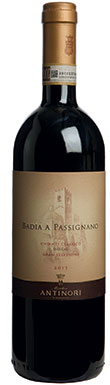

Marchesi Antinori was founded by Giovanni di Piero Antinori in 1385. Today the company manages eight different estates in Tuscany, Orvieto and Franciacorta. The Badia...
2013
AntinoriChianti Classico

Poggio al Sole, Casasilia, Chianti Classico, Tuscany, Italy, 2014
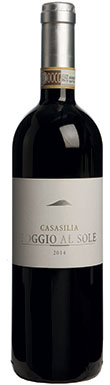
95
The Davaz family has been making wine in Switzerland since the early 1970s. In 1990, winemakers Kathrin and Johannes Davaz acquired Poggio al Sole, nestled between the towns of Tavarnelle Val di Pesa and Greve in Chianti. They produce 9,500 bottles of this wine, aged in old and new French oak barrels for a minimum of 18 months. Andrea Briccarello: Earthy and spicy scents upfront, flowing onto a palate of great concentration and savouriness that gives the wine complexity and structure. Very elegant, with poised fruits and round tannins. A well balanced wine with plenty of generous fruit. Susan Hulme MW: Warm spice notes to the fore; faded rose tones in the background. Nutmeg spice is subtly integrated and harmonious. Very appealing texture and weight, an understated, elegant style with a lingering finish. Andrew Jefford: Sweet, graceful and pure, with soft incense notes qualifying the ripe black and red fruits. Understated but very attractive. Mellow yet vivid, fresh yet fleshy: another Gran Selezione of assured quality and ample drinking pleasure. For soft charm, this is hard to beat.
2014
Poggio al SoleChianti Classico
Rocca delle Macie, Sergio Zingarelli, Chianti Classico, Tuscany, Italy, 2013
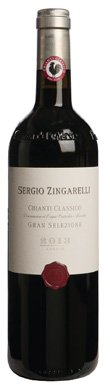
95
Sergio Zingarelli is president of the Rocca delle Macìe estate, taking over from his late father, Italo Zingarelli, a former boxer and filmmaker who bought the 600ha estate in 1973. International and Italian grape varieties are farmed organically, alongside 80ha of olive groves. This Gran Selezione is aged in French oak barriques for 18 months. Andrea Briccarello: A nose of dark fruits with plenty of seductive, ripe, wild elements. Hints of pomegranate and rhubarb exude from the glass. Beautifully crafted with plenty of dark plums and juicy currants. Great gripping tannins and lingering fruit notes. Susan Hulme MW: Sweet wild strawberries and red cherries on the nose, with creamy oak spice. Very warm and inviting on the palate; enough fruit to support the lavish oak. Very fine tannins. Supremely harmonious. Andrew Jefford: Breezy and chic fruits with well-judged oak and incipient secondary complexities. Concentrated and beguiling on the palate, with a sweet note which gradually softens and fills as it sits in the mouth. It’s rich yet far from vulgar, full of the nuance of field and forest as well as vineyard.
2013
Rocca delle MacieChianti Classico
Casa Sola, Chianti Classico, Tuscany, Italy, 2013
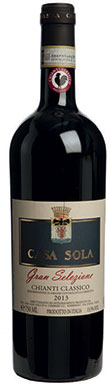
Sweet, fresh, leafy, some light spice: attractive in an understated way. Elegant, fine-lined and long, with poised cherry fruits. Concentrated and fresh finish; a really...
2013
Casa SolaChianti Classico
Castello di Verrazzano, Chianti Classico, Tuscany, Italy, 2014
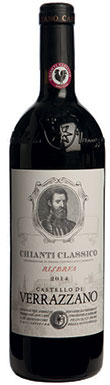
Pristine aromatics of plum and black cherry, orange and spice. Deep and concentrated with lots of stealthy poise. Impressive ripeness for the year; it’s the...
2014
Castello di VerrazzanoChianti Classico
Cecchi, Riserva di Famiglia, Chianti Classico, Tuscany, Italy, 2013
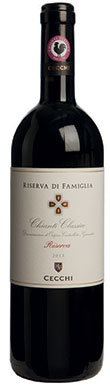
Beautiful fresh fruits and wild grasses, with a twist of lemon peel, a hint of incense and a note of oak. Weighty and full on...
2013
CecchiChianti Classico
Rignana, Chianti Classico, Tuscany, Italy, 2013
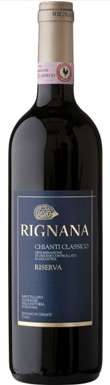
Alluring dark scents of earthy currants, fresh blackcurrants, moist liquorice, a touch of suede; pure Tuscan class. A wine which captures the mercurial, almost aerial...
2013
RignanaChianti Classico
Fèlsina, Rància, Chianti Classico, Tuscany, Italy, 2013
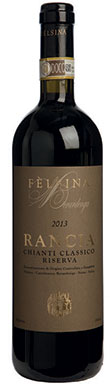
Sweet scents of cherry, milled grain, semolina. Quietly enticing, a wine of ample ripeness. Already evolving towards secondary notes of oak underbrush, wild mushroom and...
2013
FèlsinaChianti Classico
Principe Corsini Villa Le Corti, Don Tommaso, Chianti Classico, Tuscany, Italy, 2014
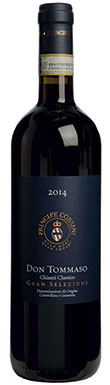
Seductive notes of warm spice, cedar and oak with intricate cherry scents woven in. Classic Chianti fruit in poised and accessible guise with excellent tannic...
2014
Principe Corsini Villa Le CortiChianti Classico
Castello di Volpaia, Casanova, Chianti Classico, Tuscany, Italy, 2013
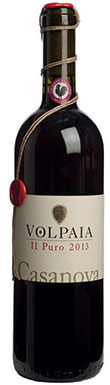
Very deft and discreet, but every note belongs in the ideal Chianti universe: cherry, plum, apple, spice, bay, autumn leaf and underbrush. Delicious, true to...
2013
Castello di VolpaiaChianti Classico
