
Chianti Classico Riserva & Gran Selezione 2015 & 2016: Panel tasting results
This line-up of top-tier Chianti Classico from 2015 and 2016 impressed our judges, who praised the freshness and accessibility of the wines despite the warm vintages....


Aldo Fiordelli, Andrew Jefford and Monty Waldin tasted 201 wines with four outstanding and 61 highly recommended.
Entry criteria: Producers and UK agents were invited to submit their Chianti Classico Riserva and Gran Selezione wines from the 2015 and 2016 vintages, with a maximum of two wines per producer.
The verdict
Two very warm vintages, and an expectation that 2016 would be the better performer of the two. And indeed, the results seem to bear this out. All four Outstanding wines are from 2016, and the lion’s share of the Highly Recommended wines. ‘It’s better, and more consistent,’ observed Aldo Fiordelli, with Monty Waldin agreeing: ‘2016 is a better vintage than 2015 for two reasons. Firstly, because it was actually a better vintage. And secondly, because people learned from the mistakes they had made in 2015 and corrected them in 2016. So it’s a double-whammy of goodness, if you like!’
Scroll down to see top wine tasting notes & scores
Andrew Jefford urged wine drinkers not to overlook 2015 though. ‘There was an awful lot to like in this enormous tasting, and the many high scores are testament to the high level of ambition and achievement in these two vintages. And both of them are very good vintages, in different ways. In the end 2016 probably is ahead, but not by a huge margin. What made 2016 stand out was the gorgeous freshness and vivacity of the wines – and we know that freshness is part of the zeitgeist nowadays.’
That freshness can also be affected by the oak ageing, and this still seems to be an issue. ‘Many producers are showing a less heavy-handed approach, but some still seem to be from another era – all about power and concentration, and dark fruits,’ said Fiordelli.
‘What made 2016 stand out was the vivacity and freshness of the wines’ – Andrew Jefford
‘I think Bordeaux has moved away from oak more swiftly and more comprehensively than Tuscany,’ Jefford interjected. ‘Quite often in this tasting, the oak was a hurdle to climb over, which it shouldn’t be. I don’t think any wine needs exaggerated oak in its youth in order to have a successful maturity. I’d like to see less use of new oak, and more use of older oak, earthenware, concrete.’ ‘I think the trend now is towards larger oak,’ said Waldin. ‘But it will take a while to filter through. If producers have paid £500 for a barrel, they need to use it.’
The tasters also discussed the shift from using international varieties in the blend. ‘There’s an increase in the number of 100%-Sangiovese wines, and a move away from using international grapes,’ said Fiordelli.
Waldin agreed with Fiordelli that native grapes such as Canaiolo and Colorino work much better. ‘I don’t get the theory that Merlot softens the Sangiovese in a Chianti Classico – I find often it’s very weedy, and it doesn’t work for me, even in small percentages. The ancillary grape varieties that are historic in Chianti Classico are much better choices, and work seamlessly. They are far better adapted to the local area.’ Jefford commented on how just 10% or 15% of Merlot or Cabernet in the blend can completely change the expression of the wine. ‘I’m not against those blends per se,’ he commented, ‘but you do lose the sense of place. Tuscany is probably the best place for Merlot outside Right Bank Bordeaux, but I’d favour keeping it separate from Sangiovese, which is such a fantastic variety – so protean – that it doesn’t need the Merlot.’
Gran Selezione isn’t a step up from Riserva, agreed the tasters. ‘The only substantive difference is that one of them has to come from estate-grown grapes,’ explained Waldin. ‘Both were outstanding categories, with highs and lows,’ added Jefford. And more highs than lows, judging by the scores. ‘The good examples were beautiful – no angularity, balletic, with depth and definition,’ enthused Waldin. ‘Really drinkable now, and with a long drinking window.’
Discussion copy by Amy Wislocki.
See all wines from the panel tasting here
The scores
201 wines tasted
Exceptional 0
Outstanding 4
Highly Recommended 61
Recommended 123
Commended 13
Fair 0
Poor 0
Faulty 0
About Chianti Classico Riserva & Gran Selezione
In Tuscany’s Sangiovese heartland, in one of the world’s most celebrated wine regions, what is it that distinguishes its two highest-quality categories from the rest? Monty Waldin explains
Although Chianti Classico DOCG Gran Selezione represents a mere (but rising) 6% of total production in Tuscany’s Chianti Classico region, its worth and even its very existence are under scrutiny and still a source of debate. Plenty of notable voices, more in the wine media than the trade, see its creation from early 2014 as a needless additional ‘top’ tier, an extra layer of complication when wine in general and Italian wine in particular is complicated enough as it is.

Compared to Chianti Classico DOCG Riserva, Gran Selezione wines have to wait an extra six months (30 as opposed to 24) before going to market, so they have a little bit more bottle age. So far, so sensible, but hardly earth-shattering.
Gran Selezione’s trump card, its supporters argue, is that wines must be made solely from grapes 100% grown, fermented and bottled by the producer whose name appears on the label. Wines from rented vines whose grapes are farmed and fermented by the named producer are permitted.
Positive moves
Chianti Classico and Chianti Classico Riserva, in contrast, can be made from purchased grapes, wine or both; as can Tuscan titans Brunello di Montalcino, Vino Nobile di Montepulciano and Morellino di Scansano, DOCGs all.
And because oak ageing is optional for all Chianti Classico wines (yes, Italy does have its share of very sensible wine legislation), it means Gran Selezione (or ‘Chianti Classico Select’, as it would be called in California) is not an oaky monster by default.
This is important because the Chianti Classico production zone provides Sangiovese (85%-100% in all Chianti Classico styles) with a perfect playground, offering warm enough conditions for grape sugar (alcohol) ripeness, a long growing season for textural ripeness, and cool nights for full aroma and flavour expression.
Chianti Classico: The facts
Vineyard area: 7,080ha
Communes: Nine, between Florence and Siena: Radda in Chianti, Gaiole in Chianti, Greve in Chianti, Castellina in Chianti; parts of Barberino Val d’Elsa, Castelnuovo Berardenga, San Casciano in Val di Pesa, Tavarnelle Val di Pesa and Poggibonsi
Producers (Chianti Classico DOCG): 315
Production: (Chianti Classico DOCG) Some 36m bottles on average annually, 2008-2018 – about four times that of Brunello di Montalcino
Chianti Classico: Know your vintages
2018: Cool, drizzly season. Grapes battled for light, heat, hydration. Extended, grinding harvest. Mainly short-haul wines.
2017: Spring frost nipped the buds. Dry weather then shrivelled what grapes remained. Yields 27% down compared to the average, but reasonably balanced wines. Drink 2020-2023.
2016: Summer sometimes scorching. Cooler spells and pre-harvest rain crucial. Some brilliant, vibrant, sleek, 100%-Sangiovese gems. Wines with even 5% Merlot noticeably weedier. Drink 2020-2030.
2015: Large crop. Some very hot days, cool nights. Those who avoided roasted grapes made rich, round wines. Long-haul potential. Drink 2020-2035.
2014: Cool, goose-bump vintage. Cloudy skies. Tightrope viticulture. Umbrellas ubiquitous. Dusty wines indicate compromised fruit. The best show unassuming, crunchy fluidity. Drink.
2013: Vines were sleepy in spring, sunbathed all summer, then kept their cool into late autumn. Some super wines, bright, and both supple and crunchy. Drink 2020-2028.
Trends for the region as a whole include the continuing shift to organics – about 40% of vineyards are certified organic, compared to less than 10% globally. The pristine, manicured Chianti vineyard is giving way to something scruffier, as native wild plants or sown cover crops are encouraged, to protect soils from erosive torrents of heat or rain.
The gradual waning of importance in blends of showy but heat-sensitive, climate change-averse international varieties such as Merlot is also apparent, as historic names like Canaiolo, Colorino and Malvasia not only re-emerge but can assert their valuable bit-part role in wines whose ‘conscious uncoupling’ from Cabernet and Merlot is underway.
Chianti Classico Riserva & Gran Selezione 2015 & 2016: Top scorers
See all wines from the panel tasting here
The judges
Aldo Fiordelli
A certified sommelier since 2003, Fiordelli is a widely published Italian journalist, wine writer and author, and a DWWA judge. On the editorial board of L’Espresso restaurant and wine guide, he also writes for Civiltà del Bere, Italy’s oldest Italian wine magazine. He became a Chevalier de l’Ordre des Coteaux de Champagne in 2017.
Andrew Jefford
Jefford has been writing about wine since the 1980s, authoring numerous books and winning many awards. He is a contributing editor to Decanter magazine, and is one of three Co-Chairs overseeing judging at the Decanter World Wine Awards. He lives with his family near Montpellier in France.
Monty Waldin
Waldin is a widely published and awarded wine writer, author, broadcaster and consultant with a particular interest in biodynamic, organic and natural wines. A regular contributor to Decanter and the DWWA Regional Chair for Tuscany, he hosts the Italian Wine Podcast series and publishes www.chateaumonty.com.
Castello di Ama, San Lorenzo Gran Selezione, Chianti Classico, Tuscany, Italy, 2016
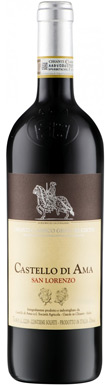

From the 25.5ha San Lorenzo vineyard, which, at 466m-525m, was one of the first to be acquired by the company in 1972, after it was...
2016
Castello di AmaChianti Classico

Frescobaldi, Tenuta Perano Riserva, Chianti Classico, Tuscany, Italy, 2016
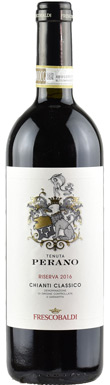
This Riserva, from the highly regarded 2016 vintage, has spent 24 months in Slavonian oak barrels plus further time in bottle. Rich, ripe aromas of...
2016
FrescobaldiChianti Classico
Riecine, Riserva, Chianti Classico, Tuscany, Italy, 2016
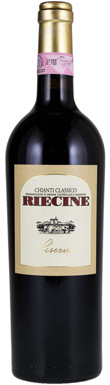
Established in 1971 by Englishman John Dunkley and his wife Palmina Abbagnano, Riecine released its first Chianti Classico in 1975 –John felt that the addition...
2016
RiecineChianti Classico
Bibbiano, Vigna del Capannino Gran Selezione, Chianti Classico, Tuscany, Italy, 2016
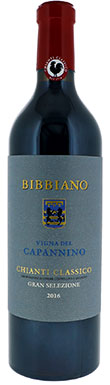
Dating back to 1865, the 30ha property is now run by fifth-generation brothers Tommaso and Federico Marrocchesi Marzi. The 7ha Capannino vineyard is located on...
2016
BibbianoChianti Classico
Tenuta di Nozzole, La Forra Riserva, Chianti Classico, Tuscany, Italy, 2015
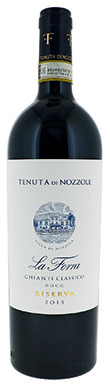
Alluring smoky spice savoury notes, with elegant fruits shuttling between generosity and austerity; shapely and graceful with a cleansing bitter finish.
2015
Tenuta di NozzoleChianti Classico
Barone Ricasoli, Brolio Riserva, Chianti Classico, Tuscany, Italy, 2016
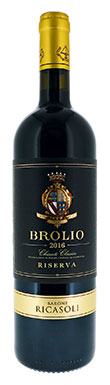
An articulate and energetic style with delicious roasted fruit and spicy oak drawing you in. Finely crafted, velvety and refined.
2016
Barone RicasoliChianti Classico
Cinciano, Riserva, Chianti Classico, Tuscany, Italy, 2016
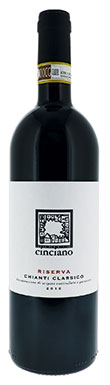
Charming, expressive cherry and liquorice notes; crunchy and lifted with perfectly ripe tannins and a warming toasty finish.
2016
CincianoChianti Classico
Caparsa, Doccio a Matteo Riserva, Chianti Classico, Tuscany, Italy, 2016
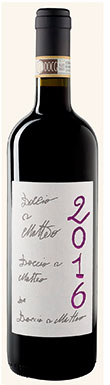
A compelling blend of perfumed florals melting into richly textured blackberry, sloe and chocolate. Outstanding wine with a monastic beauty.
2016
CaparsaChianti Classico
Istine, Le Vigne Riserva, Chianti Classico, Tuscany, Italy, 2016
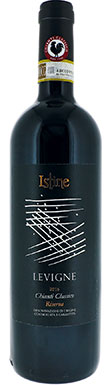
An intricacy of apple, pomegranate, cherry and liquorice dancing together with a lively acidity and delicate yet sustained tannins.
2016
IstineChianti Classico
Poggio al Sole, Casasilia Gran Selezione, Chianti Classico, Tuscany, Italy, 2016
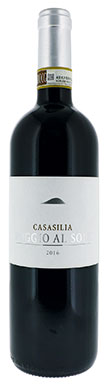
Delicate and softly expressed red fruit with an inviting crunchy texture and elegant tannins which harmonise together perfectly.
2016
Poggio al SoleChianti Classico
Castello di Gabbiano, Bellezza Gran Selezione, Chianti Classico, Tuscany, Italy, 2015
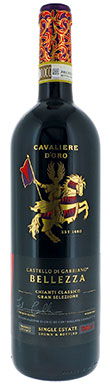
Pure class; a complexity of plum and pomegranate laced with acorn and oak copse; creamy, soft, mellow and enchanting.
2015
Castello di GabbianoChianti Classico
Castelli del Grevepesa, Clemente VII Riserva, Chianti Classico, Tuscany, Italy, 2016
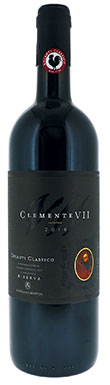
Pure, lifted and classical with a flavour repertoire of cherries, violets, apples and summer meadows. Generous, firm and textured.
2016
Castelli del GrevepesaChianti Classico
Casa Emma, Gran Selezione, Chianti Classico, Tuscany, Italy, 2016
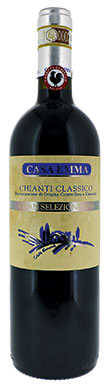
A wealth of juicy bramble fruit, velvety raspberries and supple, polished leather; well-crafted with a savoury oak finish.
2016
Casa EmmaChianti Classico
San Felice, Il Grigio Riserva, Chianti Classico, Tuscany, Italy, 2016
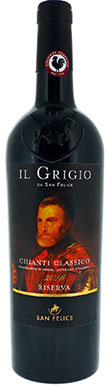
A warm, sweet melange of red fruit, baking spice and smoky woodland; lush and ripe with a vibrant acid tang.
2016
San FeliceChianti Classico
Santo Stefano, Gran Selezione, Chianti Classico, Tuscany, Italy, 2016
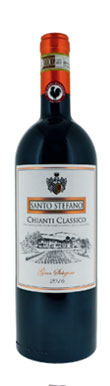
Coconut oak melts into a dark cherry intensity; full and dense with an earthy richness and a savoury finish.
2016
Santo StefanoChianti Classico
Villa La Pagliaia, Gran Selezione, Chianti Classico, Tuscany, Italy, 2015
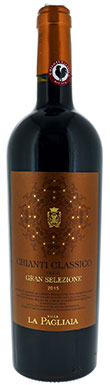
A serious wine with outstanding concentration; plush bramble, chocolate, liquorice and smoky oak all beautifully melded together. Pure and driven.
2015
Villa La PagliaiaChianti Classico
Castello di Cacchiano, Riserva, Chianti Classico, Tuscany, Italy, 2015
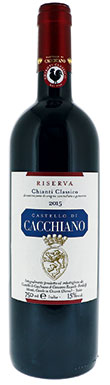
Inviting dark fruits with a touch of menthol and crushed leaf to freshen; velvety and rich with densely packed tannins.
2015
Castello di CacchianoChianti Classico
Castello di Querceto, Riserva, Chianti Classico, Tuscany, Italy, 2016
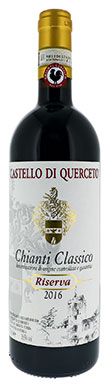
Very pure fruits just teasing into ripeness with a splendid lift of pepper and ample, soft-textured tannins. Super wine.
2016
Castello di QuercetoChianti Classico
Dievole, Novecento Riserva, Chianti Classico, Tuscany, Italy, 2016
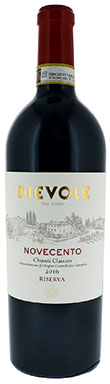
Packed with bright, persistent cherry and rhubarb fruit; lively, youthful and fresh with a lovely long, elegant finish.
2016
DievoleChianti Classico
